Menu

Short Cycling in Cleveland – Expert Diagnosis and Permanent Solutions for Rapid HVAC Cycling

When your air conditioner or furnace turns on and off repeatedly, it wastes energy and leads to expensive compressor failure. Our Cleveland technicians identify the root cause fast and fix it right the first time.

Slider Image 1
Slider Image 2
Slider Image 3
Slider Image 4
Slider Image 5
Slider Image 7
Slider Image 8
Slider Image 9
Slider Image 10
Slider Image 11

Why Cleveland HVAC Systems Fall Into Short Cycling Patterns

Your system kicks on for two minutes, shuts off, then fires back up again. This rapid cycling happens dozens of times a day, driving up electric bills and hammering your compressor into an early grave.

Cleveland's extreme temperature swings make short cycling worse. When your AC faces 90-degree summer heat after a cool morning, or your furnace battles 15-degree January nights, an oversized or poorly maintained system cannot modulate properly. It slams on at full capacity, satisfies the thermostat too quickly, then shuts down before completing a full cycle. The compressor never reaches efficient operating temperature. Your evaporator coil cannot remove humidity. The blower motor cycles on and off until it burns out.

Short cycling also stems from refrigerant leaks, clogged air filters, failed pressure switches, and frozen evaporator coils. In older Cleveland homes with undersized ductwork or blocked return vents, airflow restriction causes the heat exchanger to overheat and trip the limit switch repeatedly. The furnace tries to protect itself by shutting down, but the thermostat keeps calling for heat. The system cycles endlessly.

You hear the clicking, feel the temperature swings, and watch your utility bills climb. HVAC rapid cycling destroys equipment faster than anything else. A compressor designed for 15-year lifespan fails in five when subjected to constant start-stop stress. The air conditioner short cycle pattern also indicates deeper problems like failing capacitors, incorrect refrigerant charge, or a thermostat placed in direct sunlight.

If your furnace short cycling just started, something changed. A new thermostat, a clogged filter, or a refrigerant leak. The AC turning on and off repeatedly always has a cause, and that cause always gets worse until a technician fixes it.

Why Cleveland HVAC Systems Fall Into Short Cycling Patterns
How We Diagnose and Eliminate Short Cycling

How We Diagnose and Eliminate Short Cycling

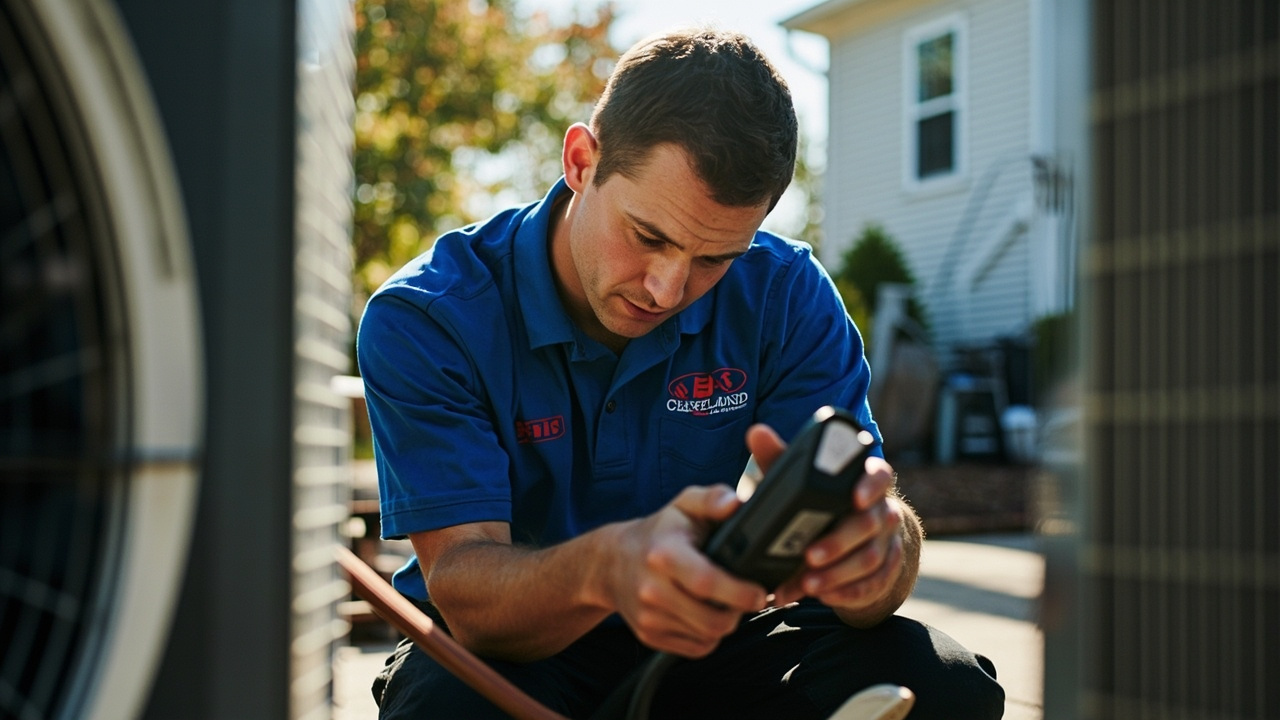
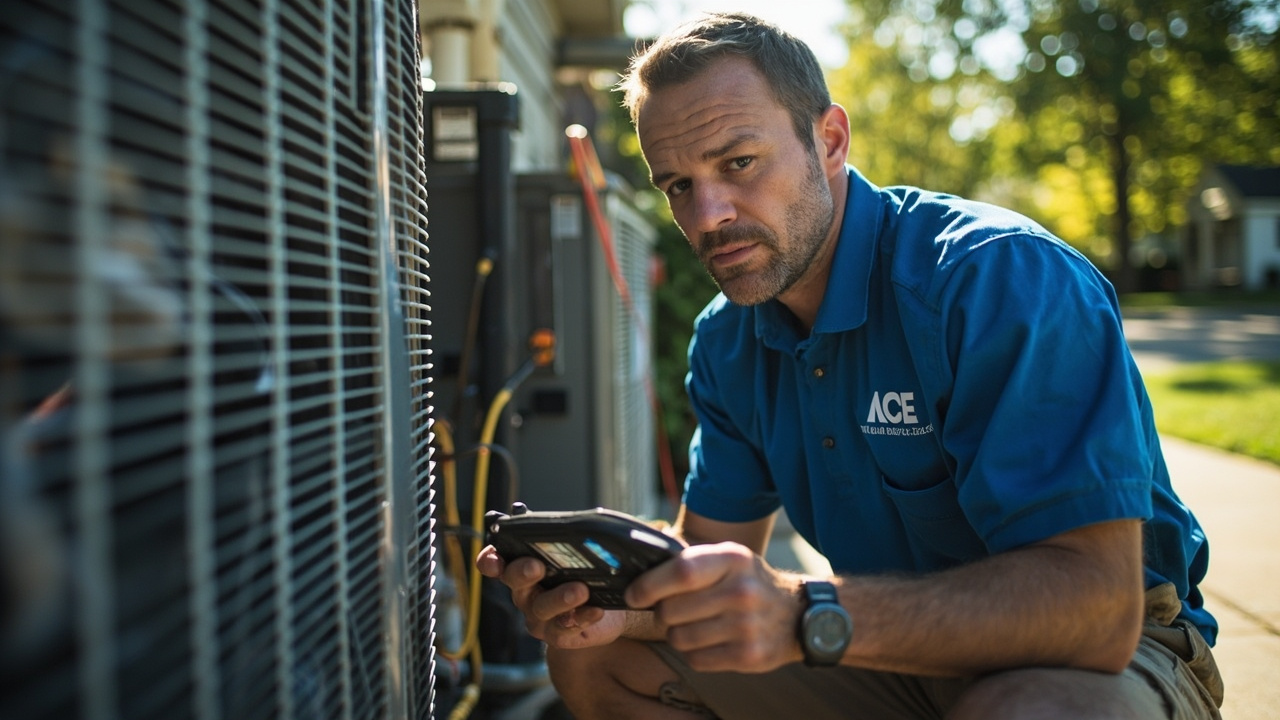
We do not guess. We measure subcool and superheat to verify exact refrigerant charge. We check static pressure across the blower to confirm adequate airflow. We test amperage draw on the compressor during startup to identify failing capacitors or mechanical binding. Every short cycle diagnosis starts with data.

Your technician uses a digital manifold gauge set to measure suction and discharge pressures while the system runs. If subcool reads high, you have overcharge or airflow restriction. If superheat climbs above 20 degrees, you have undercharge or a metering device failure. We compare actual readings against manufacturer specifications for your exact model and outdoor temperature.

We inspect the evaporator coil for ice buildup and the condensate drain for blockages. A frozen coil triggers the pressure switch and kills the compressor mid-cycle. We pull the blower wheel and check for dust buildup that chokes airflow. We verify the thermostat anticipator setting and confirm it sits on an interior wall away from heat sources.

For furnace short cycling, we test the flame sensor with a microamp meter. A dirty sensor reads weak flame current and shuts down the gas valve after 10 seconds. The igniter glows, the burners light, then everything shuts off. The cycle repeats every few minutes. We also check the high-limit switch on the heat exchanger and measure temperature rise across the furnace. Airflow problems cause overheating and rapid limit trips.

Once we identify the root cause, we fix it permanently. That means replacing the failed component, correcting the refrigerant charge, or modifying the ductwork. We do not Band-Aid the symptom. We eliminate the problem so your system runs in proper cycles and lasts its full lifespan.

Our Three-Step Short Cycle Repair Process

Short Cycling in Cleveland – Expert Diagnosis and Permanent Solutions for Rapid HVAC Cycling
01

System Performance Testing

We monitor your system through multiple cycles while measuring temperature splits, runtime duration, and electrical draw. Digital gauges track refrigerant pressures in real time. We document the exact cycle pattern, whether it occurs every two minutes or every ten, and note any error codes from the control board. This baseline data tells us where to focus the diagnostic process.
02

Component-Level Diagnosis

We test every part that affects cycle timing. Capacitors get checked for microfarad rating and voltage. Thermostats get calibrated and repositioned if needed. Refrigerant charge gets measured against factory superheat and subcool targets. Airflow gets verified with manometer readings at the blower and across the coil. Flame sensors, pressure switches, and limit controls all get tested under operating conditions to confirm proper function.
03

Targeted Repair and Verification

After pinpointing the failed component or system imbalance, we make the repair and verify normal operation. Your system should run 15 to 20 minute cycles in moderate weather, longer in extreme conditions. We monitor several complete cycles to confirm proper runtime, smooth shutdown, and correct off-cycle duration. You get documentation of all test readings before and after repair, plus guidance on preventing future cycling problems.

Why Cleveland Homeowners Trust Ace HVAC Cleveland for Short Cycling Repairs

Cleveland homes face brutal thermal stress. Your HVAC system battles lake-effect humidity in summer and arctic blasts off Lake Erie in winter. Equipment that works fine in milder climates fails here under constant load cycling. We see short cycling problems other cities never encounter, and we know how to fix them.

Our technicians train on the specific challenges of Cleveland's housing stock. Many homes in Ohio City, Tremont, and Detroit Shoreway have original ductwork from the 1920s. Undersized return ducts choke airflow and cause rapid cycling in modern high-efficiency systems. We measure, diagnose, and recommend duct modifications that actually solve the problem instead of just replacing parts.

We also understand how Cleveland's clay soil affects basement installations. Ground moisture corrodes electrical connections and rusts out heat exchangers faster than in drier climates. When your furnace short cycles due to a failed limit switch, we check for the underlying rust and airflow issues that killed it. You get a complete fix, not a temporary patch.

Ace HVAC Cleveland stocks parts for every major brand because we service the entire metro area. When your Carrier compressor fails from short cycle damage, we have the replacement ready. When your Lennox pressure switch needs calibration, we carry the tool and know the procedure. You do not wait three days for an order while your system destroys itself.

We also pull permits for any work that requires them and follow Cleveland building codes exactly. Refrigerant handling, electrical connections, and gas piping all get done to code. Your repair passes inspection and protects your home value. You can trust the work will last because it was done correctly the first time.

What You Get With Our Short Cycle Repair Service

Fast Response Times

Short cycling damages your compressor more with every cycle. We schedule diagnostic appointments within 24 hours because delay makes the repair more expensive. Our technicians arrive on time with full diagnostic equipment and common repair parts already in the truck. Most short cycle problems get diagnosed and repaired in a single visit. You do not sit through multiple appointments while the problem gets worse. For systems actively destroying themselves, we prioritize same-day service to prevent catastrophic failure.

Comprehensive Diagnostic Testing

You get a complete system evaluation, not a quick visual inspection. We test refrigerant charge with manifold gauges, measure airflow with a manometer, check electrical components with multimeters, and verify thermostat operation with temperature probes. Every reading gets documented and compared against manufacturer specifications. You receive a written diagnostic report explaining exactly what failed and why. We show you the failed part and explain how it caused the short cycling. No guesswork, no upselling, just accurate diagnosis backed by test data.

Permanent Solutions

We fix the root cause, not the symptom. If low refrigerant caused short cycling, we find and repair the leak before recharging the system. If oversizing caused the problem, we discuss options for two-stage equipment or duct modifications. If a failed component triggered the cycling, we replace it with quality parts that match or exceed original specifications. Your system runs proper 15 to 20 minute cycles after we finish. You get smooth, efficient operation and lower utility bills because the equipment works the way engineers designed it.

Follow-Up Support

After we repair short cycling, we provide clear guidance on preventing recurrence. You learn when to change filters, how to spot early warning signs, and which maintenance tasks actually matter. We offer seasonal tune-up services that catch problems before they trigger cycling issues. If you choose a maintenance plan, we prioritize your service calls and track your system performance over time. Our records show refrigerant levels, airflow readings, and component condition from visit to visit, making future diagnosis faster and more accurate.

Frequently Asked Questions

You Have Questions,
We Have Answers

What is the most common cause of short cycling? +

The most common cause of short cycling is a dirty or clogged air filter. When your filter gets packed with dust and debris, airflow drops. Your system overheats and shuts down to protect itself. In Cleveland, our humid summers and freeze-thaw cycles kick up extra particulates that clog filters faster. Other frequent culprits include oversized HVAC units, low refrigerant from leaks, frozen evaporator coils, or faulty thermostats. The compressor keeps starting and stopping because it cannot complete a full cooling cycle. This pattern spikes your energy bills and wears out components years early.

How do you fix short cycling? +

Fixing short cycling starts with diagnosis. Replace your air filter first. If that does not solve it, check your thermostat placement. Make sure it is not near heat sources or drafts. Low refrigerant requires a technician to find the leak, repair it, and recharge the system. Frozen coils need thawing and airflow correction. Oversized units are harder to fix and may need replacement with properly sized equipment. Cleveland homes with older ductwork sometimes have airflow restrictions that contribute to cycling issues. A trained HVAC technician should perform a full system evaluation to identify the root cause and prevent compressor damage.

How many minutes is considered short cycling? +

Short cycling happens when your HVAC system runs for less than 7 to 10 minutes per cycle. A healthy system should run 15 to 20 minutes to properly cool or heat your space and remove humidity. Cleveland's humid conditions make proper cycle length critical for comfort. When your unit cycles off after just 3 to 5 minutes, it never reaches full efficiency. The compressor works hardest during startup, so frequent starts burn more electricity and strain components. Count how long your system runs between shutdowns. If it consistently stops before 10 minutes, you have a problem that needs attention.

What is the meaning of short cycling? +

Short cycling means your HVAC system turns on and off too frequently without completing a full heating or cooling cycle. The unit fires up, runs briefly, shuts down, then restarts minutes later. This pattern repeats constantly. Your system never reaches the target temperature or completes proper dehumidification. Short cycling wastes energy because compressors draw the most power at startup. It also accelerates wear on electrical components, contactors, and the compressor itself. For Cleveland homeowners, short cycling during our humid summers means poor comfort and skyrocketing utility bills. The problem signals underlying issues that require professional diagnosis.

How to tell if AC is short cycling? +

You can tell your AC is short cycling by listening and watching. Your outdoor compressor unit starts up, runs for just a few minutes, then shuts off. This happens repeatedly throughout the day. Inside, you notice your home never reaches the thermostat setting. Humidity stays high because the system does not run long enough to dehumidify. Your energy bills climb despite inadequate cooling. Check your thermostat display. If the cooling cycle time shows 5 minutes or less repeatedly, you have short cycling. Cleveland's summer humidity makes this problem obvious. You feel sticky and uncomfortable even though the AC keeps turning on.

How to avoid short cycling? +

Avoid short cycling by maintaining your HVAC system properly. Replace air filters every 30 to 60 days, especially during Cleveland's high pollen seasons. Schedule annual professional maintenance to check refrigerant levels, clean coils, and inspect electrical components. Make sure your thermostat sits away from windows, vents, and heat sources that cause false readings. Keep outdoor units clear of debris, leaves, and vegetation. Ensure your system is properly sized for your home's square footage and insulation level. Oversized units cycle more frequently. Address ductwork leaks that reduce airflow. Proper maintenance prevents most short cycling issues before they start.

What does short cycling look like? +

Short cycling looks like constant starts and stops. Your thermostat calls for cooling. The outdoor compressor kicks on with its familiar hum. Within 3 to 7 minutes, it shuts off. A few minutes pass. The unit fires up again. This pattern repeats endlessly. You hear the startup sound far more often than normal. Inside, air comes from vents in brief bursts rather than steady flow. Your home never feels comfortable. In Cleveland's summer heat, you notice humidity building because the system does not run long enough to pull moisture from the air. The constant cycling creates wear you can sometimes hear in struggling compressor sounds.

What is the $5000 AC rule? +

The $5000 AC rule is not a standard HVAC term. You may be thinking of tax credits or rebates for high-efficiency system replacements. The Inflation Reduction Act offers up to $2000 in tax credits for qualifying HVAC equipment. Some Cleveland utility programs provide additional rebates for energy-efficient upgrades. Another possibility is the guideline that repair costs exceeding 50 percent of replacement value mean you should replace rather than repair. For a $10000 system, that is $5000. If your repair estimate approaches half the cost of new equipment, replacement makes better financial sense. Consult a licensed contractor for your specific situation.

How to unclog an expansion valve in a car? +

Unclogging a car's expansion valve requires automotive AC expertise, not HVAC knowledge. This question relates to vehicle air conditioning systems. The expansion valve in automotive AC controls refrigerant flow into the evaporator. When debris clogs it, cooling fails. Most mechanics recommend replacement rather than cleaning because the valve sits deep in the AC system. Flushing requires evacuating refrigerant, removing components, and recharging the system. This work needs specialized automotive AC equipment and EPA certification for refrigerant handling. Take your vehicle to an automotive AC specialist. HVAC technicians work on home systems with different components and refrigerants.

How Lake Erie Humidity Accelerates Short Cycling in Cleveland HVAC Systems

Cleveland sits right on Lake Erie, which pumps moisture into the air year-round. Summer humidity regularly hits 70 to 80 percent, forcing air conditioners to work harder removing water than cooling air. When your AC cycles on, it needs 10 to 15 minutes of runtime to drop the evaporator coil below the dew point and start pulling moisture from your home. Short cycling prevents this dehumidification. The coil never gets cold enough to condense water vapor. Your home stays muggy, the thermostat overcools trying to compensate, and the rapid cycling continues. This moisture also corrodes electrical connections faster than in dry climates, causing the exact sensor and switch failures that trigger short cycling.

Ace HVAC Cleveland understands these lake-effect challenges because we live and work here. We know which neighborhoods flood basements during spring thaw and which older homes have undersized ductwork from coal furnace conversions. Our diagnostic process accounts for the specific ways Cleveland weather stresses HVAC equipment. When we repair your short cycling problem, we factor in humidity load, seasonal temperature swings, and the local conditions that caused the failure. This regional expertise means repairs last longer and prevent recurrence better than generic service from national chains that do not understand Cleveland climate.
HVAC Services in The Cleveland Area

We are proud to serve the entire Cleveland area, and our service network extends to all surrounding communities. Our centrally located office allows us to dispatch our expert technicians quickly and efficiently to your home or business, ensuring fast response times for all your heating and cooling needs. We invite you to view our service area on the map to see if we can bring our trusted services right to your doorstep. Don't hesitate to reach out to us today to confirm if your location is within our coverage zone.

Address:
Ace HVAC Cleveland, 3095 W 25th St, Cleveland, OH, 44113

Additional Services We Offer

Our news updates

Latest Articles & News from The Blogs

Managing sawdust and air quality in your Puritas-Longmead home workshop Woodworkers in Puritas-Longmead face unique challenges from Cleveland's lake-effect humidity…

Managing sawdust and air quality in your Puritas-Longmead home workshop

Managing sawdust and air quality in your Puritas-Longmead home workshop Woodworkers in Puritas-Longmead face unique challenges from Cleveland's lake-effect humidity…

Why your HVAC secondary drain pan is filling with water and how to stop a flood

Why your HVAC secondary drain pan is filling with water and how to stop a flood Is your HVAC secondary…

Heating and cooling options for your new backyard tiny home in Clark-Fulton

Heating and cooling a backyard tiny home in Clark-Fulton requires careful planning to handle Cleveland's extreme seasonal swings. You need…

Contact Us

Every short cycle costs you money and shortens equipment life. Call Ace HVAC Cleveland now at (216) 530-9077 for accurate diagnosis and permanent repair. We stop the rapid cycling and restore efficient operation.