Menu

AC Blowing Warm Air in Cleveland – Expert Diagnosis Within 90 Minutes

When your air conditioner runs but refuses to cool, you need fast answers. Our Cleveland technicians pinpoint the root cause of warm air issues and restore proper cooling before the heat becomes unbearable.

Slider Image 1
Slider Image 2
Slider Image 3
Slider Image 4
Slider Image 5
Slider Image 7
Slider Image 8
Slider Image 9
Slider Image 10
Slider Image 11

Why Your Cleveland AC Is Pushing Hot Air Through the Vents

You adjust the thermostat to 68. You hear the system running. Then you walk over to the vent and feel warm air blowing back at you. It makes no sense.

Cleveland summers hit hard. When Lake Erie's humidity mixes with 90-degree heat, your home turns into a sauna fast. An air conditioner blowing hot air is not just frustrating. It is dangerous for kids, elderly family members, and anyone with respiratory conditions.

This problem shows up in different ways. Your ac running but not cooling might mean the compressor is failing. Your air conditioning not blowing cold air could signal a refrigerant leak. When your central air blowing warm air happens suddenly, the issue is often electrical. If only certain ac vents blowing hot air, you might have ductwork separation or damper failure.

Cleveland's temperature swings stress HVAC systems. Spring freezes followed by sudden summer heat cause expansion and contraction in refrigerant lines. The humidity near the lake accelerates corrosion in condensate drains and evaporator coils. Older homes in neighborhoods like Ohio City and Tremont have undersized ductwork that cannot handle modern cooling loads.

The longer you wait, the worse it gets. A small refrigerant leak becomes a compressor burnout. A clogged drain line floods your furnace cabinet. What starts as warm air ends as a complete system failure and a four-figure repair bill.

You need someone who knows the difference between a capacitor failure and a reversing valve stuck in heat mode. You need a technician who understands how Cleveland's climate wears down HVAC components.

Why Your Cleveland AC Is Pushing Hot Air Through the Vents
How We Diagnose and Fix Warm Air Problems Fast

How We Diagnose and Fix Warm Air Problems Fast

Most companies guess. We measure.

Our diagnostic process starts with differential temperature readings across the evaporator coil. We measure supply air temperature, return air temperature, and calculate the split. A proper system runs 15 to 20 degrees cooler than return air. Anything less means a problem.

We check refrigerant pressures on both the suction and discharge sides. Low suction pressure with high superheat signals a refrigerant leak. High discharge pressure with low subcooling means a restriction in the liquid line or a failing txv valve. We do not top off refrigerant without finding the leak first. That just kicks the problem down the road.

Electrical diagnostics come next. We test voltage and amperage at the compressor, condenser fan motor, and blower motor. A compressor drawing low amps with high voltage means internal failure. A condenser fan pulling high amps signals a failing bearing or capacitor.

We inspect the reversing valve if you have a heat pump. This component switches the system between heating and cooling. When it sticks halfway, you get warm air in summer and cool air in winter. The fix involves replacing the valve and flushing the refrigerant lines.

Ductwork inspection matters in older Cleveland homes. We check for disconnected segments in crawl spaces and attics. A separated supply duct pumps cold air into your walls instead of your living room. We also check dampers in zoned systems. A damper stuck closed starves rooms of airflow.

We fix the root cause, not the symptom. If your compressor failed because of a dirty condenser coil, we replace the compressor and clean the coil. Otherwise, the new compressor fails in six months.

What Happens During a Warm Air Service Call

AC Blowing Warm Air in Cleveland – Expert Diagnosis Within 90 Minutes
01

Immediate System Assessment

Our technician arrives with a full diagnostic toolset including manifold gauges, infrared thermometer, multimeter, and refrigerant leak detector. We start by checking thermostat settings and air filter condition, then move to temperature differential testing at supply and return vents. This takes 10 minutes and identifies whether the problem is mechanical, electrical, or refrigerant-related before we open any panels.
02

Component-Level Testing

We open the outdoor condensing unit and indoor air handler to test individual components under load. Refrigerant pressures get measured while the system runs. Electrical connections get checked for voltage drop and proper amperage draw. Coils get inspected for frost formation or excessive dirt buildup. We map out exactly which component failed and why it failed, then explain the repair options in plain language you can understand.
03

Repair and Verification

Once you approve the repair, we complete the work and verify proper operation with measurement tools, not guesswork. We recheck refrigerant pressures, confirm proper temperature split, and measure airflow at each register. You feel cold air before we leave. We also identify any secondary issues that could cause problems later, like a condensate drain starting to clog or a capacitor testing weak.

Why Cleveland Homeowners Choose Ace HVAC Cleveland for AC Repairs

Cleveland HVAC problems are different. The lake effect creates humidity that rots ductwork insulation and corrodes electrical connections faster than dry climates. The freeze-thaw cycle stresses outdoor units. Homes built before 1980 have ductwork sized for smaller AC units, which creates airflow restrictions when you upgrade to modern equipment.

We have diagnosed warm air problems in every type of Cleveland home. The brick colonials in Shaker Heights with original ductwork. The post-war bungalows in Lakewood with undersized electrical panels. The renovated lofts downtown with ductless mini-split systems. Each building type has common failure points we recognize immediately.

Our technicians carry parts for the most common failures. Capacitors, contactors, reversing valves, and txv valves stay on every truck. We fix most warm air problems the same day without a return trip for parts. That matters when it is 88 degrees and your house is heating up.

We also understand local codes. Cleveland requires permits for refrigerant line replacement and electrical work. We pull permits when required and schedule inspections. You do not get surprised by a code violation letter six months later.

Ace HVAC Cleveland operates year-round in this climate. We know which brands hold up to lake humidity and which ones fail. We know which condensers rust out in three years and which ones last fifteen. That knowledge protects you from buying equipment that cannot handle Cleveland weather.

You get straightforward answers. If your compressor failed and your system is 18 years old, we tell you replacement makes more sense than repair. If your system just needs a capacitor, we replace the capacitor and leave.

What to Expect When You Call for Warm Air Repair

Response Time

We dispatch a technician within 90 minutes for warm air emergencies during business hours. Evening and weekend calls get same-day service based on availability. Our trucks stay stocked with common repair parts so most jobs finish in one visit. You get a two-hour arrival window, and we call 20 minutes out. No waiting around all day wondering when someone will show up.

The Diagnostic Process

Our technician explains the testing process before starting. You see the manifold gauges, the thermometer readings, and the electrical measurements. We show you the failed component and explain why it failed. Then you get a written estimate for the repair with parts and labor broken out separately. No surprise charges. No bait-and-switch pricing. You approve the work before we start.

Quality of Repair

We use OEM or equivalent-quality parts, not cheap aftermarket components that fail in a year. Electrical connections get properly terminated and heat-shrunk. Refrigerant lines get pressure-tested before charging. We vacuum the system to remove moisture and air, then charge by weight and subcooling method. The system gets run for 20 minutes under load while we verify proper operation with instruments.

Follow-Up and Maintenance

Repairs come with a parts and labor guarantee. We also recommend a maintenance schedule based on your system age and condition. Older systems need twice-yearly checkups. Newer systems can go with annual service. Maintenance visits include coil cleaning, refrigerant pressure check, electrical connection inspection, and condensate drain flushing. Catching small problems early prevents expensive emergency repairs during the next heat wave.

Frequently Asked Questions

You Have Questions,
We Have Answers

Why is my AC just blowing warm air? +

Your AC blows warm air when refrigerant leaks, the compressor fails, or the outdoor unit loses power. A clogged filter restricts airflow and causes similar symptoms. Frozen evaporator coils from dirty filters or low refrigerant also produce warm air. In Cleveland, high humidity makes these issues worse during summer. Thermostat settings on heat mode or fan-only mode trick homeowners. Ductwork leaks pull hot attic air into your system. Electrical problems disconnect the compressor while the blower runs. Check your thermostat first, then the filter. If both are fine, shut down the system and call a technician before the compressor burns out.

Why is my AC running but not cooling? +

Your AC runs without cooling when the compressor fails to engage or refrigerant levels drop too low. The blower circulates air, but no heat exchange happens at the evaporator coil. Dirty condenser coils outside block heat release, forcing your system to work harder without results. Cleveland summers stress older units operating near capacity limits. A faulty capacitor prevents the compressor from starting. Frozen evaporator coils from restricted airflow also stop cooling while the fan continues. Electrical disconnects or tripped breakers cut power to the compressor only. Verify the thermostat is on cooling mode, then inspect the outdoor unit for debris or ice buildup.

What is the 3 minute rule for air conditioners? +

The 3 minute rule prevents compressor damage during rapid cycling. After your AC shuts off, pressure equalizes between the high and low sides of the refrigerant system. Starting the compressor before equalization forces it to overcome extreme pressure, which damages internal components and shortens equipment life. Modern thermostats include this delay as a built-in safety feature. If you manually adjust the thermostat or power cycles during Cleveland storms, wait three minutes before restarting. Short cycling from ignoring this rule causes premature compressor failure. The capacitor also benefits from this rest period. Frequent power fluctuations make this delay critical for equipment longevity.

How to reset AC not blowing cold air? +

Turn off your AC for 30 minutes to reset the system. Locate your circuit breaker panel and flip the AC breaker off, then back on after the wait. This clears minor electronic glitches in the control board. Check the thermostat batteries and replace if needed. Cleveland voltage fluctuations from summer storms cause control board freezes. Set the thermostat five degrees below room temperature after resetting. Inspect the outdoor disconnect box and flip the switch if it tripped. If the system still blows warm air after resetting, the problem is mechanical, not electronic. Refrigerant loss or compressor failure requires professional diagnosis and repair.

Should I turn off the AC if it blows hot air? +

Yes, turn off your AC immediately when it blows hot air. Running the system in this condition damages the compressor and increases repair costs. The compressor works against itself when refrigerant is low, generating excessive heat that destroys internal components. Cleveland humidity makes this worse as moisture enters open refrigerant lines. A stuck reversing valve on heat pumps forces heating mode during summer. Continuing to run the system wastes energy and accelerates failure. Switch to fan-only mode if you need air circulation. Check your thermostat settings first, then shut down the unit. Call a technician the same day to prevent a minor issue from becoming a full system replacement.

What are signs of a failing AC compressor? +

A failing compressor makes grinding, clicking, or screeching noises from the outdoor unit. The system struggles to start, drawing high electrical current that trips breakers. Hard starting happens when internal components seize. Warm air from vents indicates the compressor runs without pressurizing refrigerant. Cleveland heat stress accelerates compressor wear in older units. Your outdoor unit vibrates excessively or short cycles every few minutes. Higher electric bills appear without increased usage. Ice forms on refrigerant lines despite warm outdoor temperatures. The unit hums but the fan does not spin. Compressor failure follows these warnings. Early detection saves thousands compared to emergency replacement during a July heatwave.

Should you turn off AC if it's not cooling? +

Turn off your AC if it stops cooling to prevent compressor damage. Running a malfunctioning system worsens the problem and increases repair costs. Low refrigerant forces the compressor to overheat while achieving nothing. Frozen evaporator coils from airflow restrictions need time to thaw. Cleveland humidity accelerates ice buildup. Electrical problems create dangerous conditions when ignored. Switch the thermostat to off, not just fan mode. Let the system rest for at least an hour before attempting to restart. Check the filter and outdoor unit for obvious problems during the shutdown. If cooling does not return after restarting, the issue requires professional repair. Continuing to run the system risks total compressor failure.

What is the $5000 rule for AC? +

The five thousand dollar rule compares repair costs against replacement value. If repair costs exceed half the price of a new system, replacement makes better financial sense. Multiply the repair estimate by your system age. If the result exceeds five thousand, replace the unit. A ten year old system needing a two thousand dollar compressor scores ten thousand, suggesting replacement. Cleveland HVAC contractors use this guideline for aging equipment. Factor in efficiency gains from newer models. A 15 year old system losing refrigerant repeatedly drains money through repairs and high utility bills. This rule prevents throwing good money after bad equipment. Modern systems offer better humidity control and lower operating costs.

How to tell if AC is low on refrigerant? +

Low refrigerant causes ice buildup on the larger copper line entering your home. The evaporator coil inside freezes over, blocking airflow. Your system runs constantly without reaching the set temperature. Cleveland summer humidity makes ice formation obvious. Hissing or bubbling sounds near refrigerant lines indicate active leaks. Higher electric bills appear as the system works harder. Warm air from vents signals critically low refrigerant levels. The outdoor unit struggles to start or short cycles. Refrigerant does not deplete naturally. Leaks from corrosion, vibration damage, or poor installation cause the loss. A technician must locate the leak, repair it, then recharge the system to factory specifications. Adding refrigerant without fixing leaks wastes money.

How cool should my house be if it's 100 outside? +

Your AC should maintain 75 to 80 degrees when outside temperatures hit 100 degrees. Most residential systems handle a 20 degree temperature difference efficiently. Cleveland rarely sees sustained 100 degree heat, but humidity makes it feel worse. Expecting 70 degrees inside overworks your system and drives up costs. Poorly insulated homes or excessive window exposure limit cooling capacity. Close blinds during peak sun hours. The compressor runs continuously at maximum load during extreme heat. Setting the thermostat below 75 during these conditions risks frozen coils and compressor damage. Wait until evening to lower the temperature. A system struggling beyond this range needs maintenance or refrigerant service before efficiency drops further.

How Lake Erie Humidity Accelerates AC Failures in Cleveland

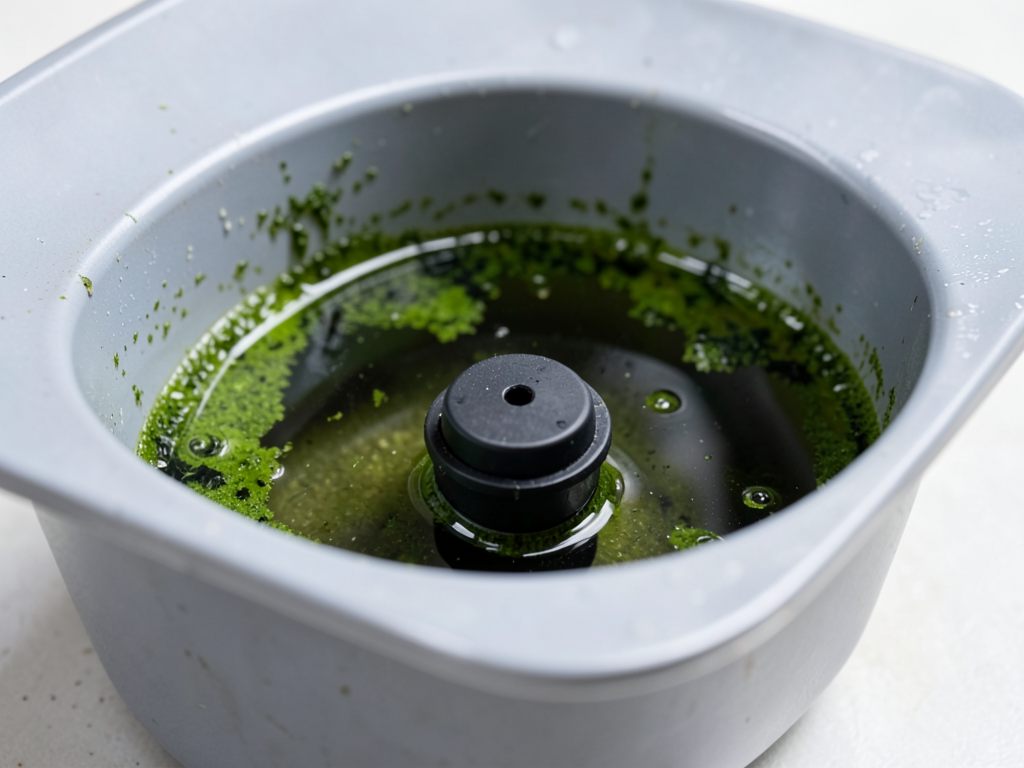
Cleveland sits 573 feet above sea level on Lake Erie's southern shore. Summer humidity regularly hits 70 percent, and that moisture attacks HVAC systems aggressively. Condensate drains clog faster because algae grows in standing water. Evaporator coils corrode from constant wet-dry cycles. Electrical contactors pit and fail because moisture causes arcing. When your air conditioner blowing hot air happens in Cleveland, humidity is often part of the failure chain. A clogged drain backs up into the air handler, trips the float switch, and shuts down cooling. The system runs, but no cold air comes out.

Cleveland has specific HVAC challenges that out-of-town companies miss. The clay soil shifts foundations, which stresses ductwork connections. The temperature swings from 15 degrees in January to 92 degrees in July force systems to work harder. Historic neighborhoods have homes with radiator heat and retrofitted ductwork that barely moves enough air. Ace HVAC Cleveland has diagnosed these problems for years across Cuyahoga County. We know which duct sealing methods hold up in humid crawl spaces. We know which refrigerants work best in systems that cycle frequently.
HVAC Services in The Cleveland Area

We are proud to serve the entire Cleveland area, and our service network extends to all surrounding communities. Our centrally located office allows us to dispatch our expert technicians quickly and efficiently to your home or business, ensuring fast response times for all your heating and cooling needs. We invite you to view our service area on the map to see if we can bring our trusted services right to your doorstep. Don't hesitate to reach out to us today to confirm if your location is within our coverage zone.

Address:
Ace HVAC Cleveland, 3095 W 25th St, Cleveland, OH, 44113

Additional Services We Offer

Our news updates

Latest Articles & News from The Blogs

How to stop indoor pool humidity from damaging your Bentleyville home If you own a luxury home with an indoor…

How to stop indoor pool humidity from damaging your Bentleyville home

How to stop indoor pool humidity from damaging your Bentleyville home If you own a luxury home with an indoor…

The best ways to heat a detached garage workshop in Middleburg Heights

The best ways to heat a detached garage workshop in Middleburg Heights Heating a detached garage workshop in Middleburg Heights…

Upgrading your PTAC wall unit in a Gold Coast condo for better efficiency

Upgrading your PTAC wall unit in a Gold Coast condo for better efficiency Living in a Gold Coast condo means…

Contact Us

Call (216) 530-9077 now for same-day AC repair in Cleveland. Our technicians diagnose warm air problems fast and carry the parts to fix them. You get cold air today, not next week.