


Cleveland sits on Lake Erie, creating a climate that punishes HVAC systems year-round. Summer humidity from the lake forces air conditioners to work overtime removing moisture from your home. When your AC runs constantly fighting 80-percent humidity, coils freeze, compressors fail, and energy bills skyrocket. Winter brings bitter cold and lake-effect snow that buries outdoor units and pushes furnaces to run nonstop for months. The freeze-thaw cycle we experience from November through March creates ice dams that damage condensers and rust out heat exchangers faster than in drier climates. Cleveland homes in neighborhoods like Tremont and Ohio City feature older architecture with outdated ductwork that leaks conditioned air into attics and crawl spaces. Our clay soil shifts foundations, separating ducts and creating gaps that waste energy. These conditions mean your heating and cooling equipment faces stress that systems in Phoenix or Atlanta never encounter. You need technicians who understand how Lake Erie weather destroys equipment and know which parts fail first in our climate.
Ace HVAC Cleveland operates differently than national chains that treat you like a service ticket number. We keep fully stocked trucks ready to respond because we know the parts that fail in Cleveland homes. When your furnace quits on a January night, our technicians arrive with the ignitor, blower motor, or gas valve already on the truck. We do not make you wait three days for parts to arrive from a warehouse in Columbus. Our team has fixed thousands of HVAC systems in Cleveland neighborhoods from Detroit-Shoreway to Kamm's Corners, and we understand how Lake Erie humidity kills air conditioners and how our brutal winters crack heat exchangers. We answer our phone when you call. No automated system, no callback in 24 hours, just a real person who dispatches a technician to your home fast. We have built our reputation by showing up when other companies leave you waiting. When your AC dies during a July heat wave, you need relief today, not next Tuesday. We understand that a broken furnace in winter is not an inconvenience; it is dangerous. Pipes freeze, families suffer, and damage spreads by the hour. That is why we respond quickly and fix systems right the first time. Our technicians do not upsell you on equipment you do not need. We diagnose the problem, explain your options clearly, and restore comfort to your home. Cleveland residents call us because they know we show up, fix it fast, and stand behind our work.

When your heating or cooling fails, we respond the same day. Our technicians carry common parts for Cleveland systems, so we fix most problems on the first visit. No waiting days for service while your family suffers without heat or air conditioning in extreme weather.

We stock the parts that fail most often in Cleveland's harsh climate. Compressors, blower motors, igniters, capacitors, and thermostats ride on every truck. This means we complete repairs on the first visit instead of scheduling return trips while you wait for parts to arrive.
We diagnose your system and quote the repair cost before starting work. No surprise charges, no hidden fees, no upselling equipment you do not need. You approve the price, we complete the repair, and your system works again. Simple, honest service.
We have repaired thousands of systems damaged by Lake Erie humidity and harsh winters. Our technicians know which parts fail first in our climate and how to prevent future breakdowns. This local knowledge means faster diagnosis and repairs that last in Cleveland weather.
Ace HVAC Cleveland handles everything from emergency breakdowns to new system installations. Cleveland weather creates specific problems that require different solutions. A frozen air conditioner coil needs immediate repair, but an aging furnace with a cracked heat exchanger requires replacement before carbon monoxide leaks into your home. We offer emergency repairs when your system fails, maintenance service to prevent breakdowns, and new equipment installation when repair no longer makes sense. Our technicians evaluate your system honestly and explain whether repair or replacement gives you the best value. We service all brands and handle both heating and cooling problems. Whether you need your air conditioner fixed before a heat wave or your furnace repaired before arctic air arrives, we provide fast service that restores comfort to your Cleveland home. Our three main service categories cover emergency repairs, preventive maintenance, and complete system replacement.
Your furnace quits on the coldest night of the year. Your air conditioner stops cooling during a July heat wave. These are emergencies that require immediate response. We dispatch technicians quickly to diagnose the problem and restore your system. Most repairs happen the same day because our trucks carry the parts Cleveland systems need most. We fix compressors, blower motors, thermostats, igniters, capacitors, and refrigerant leaks. When your family needs heat or air conditioning now, we respond fast and fix it right.
Cleveland humidity and harsh winters destroy HVAC equipment faster than normal wear. Regular maintenance catches small problems before they become expensive emergencies. We clean coils, test refrigerant levels, inspect heat exchangers for cracks, check electrical connections, and replace filters. This service keeps your system running efficiently and prevents breakdowns during extreme weather when you need heating or cooling most. Annual maintenance extends equipment life and reduces your energy bills by keeping your system running at peak efficiency.
Systems older than 15 years break down frequently and waste energy. When your furnace has a cracked heat exchanger or your air conditioner needs a second compressor replacement, installing new equipment costs less than ongoing repairs. We help you choose the right system for your home size and budget, then install it correctly the first time. New equipment reduces your energy bills, improves comfort, and comes with warranties that protect your investment. We handle permits, inspections, and disposal of your old system.
Lake Erie humidity and brutal winters create specific problems for Cleveland heating and cooling systems. Your air conditioner removes moisture from indoor air during summer, but when humidity stays above 70 percent for weeks, coils freeze and compressors burn out from overwork. Winter cold forces furnaces to run constantly, which cracks heat exchangers and wears out blower motors. Ice dams form on outdoor AC units when lake-effect snow buries them, damaging fins and blocking airflow. Our freeze-thaw cycles rust out components faster than in stable climates. Homes in older Cleveland neighborhoods have undersized ductwork that cannot move enough air, forcing systems to work harder and fail sooner. These conditions create predictable problems that we see every season. Recognizing these issues early prevents bigger failures and expensive emergency repairs.
Lake Erie humidity forces your AC to work overtime removing moisture. When coils cannot drain properly or refrigerant runs low, ice forms and blocks airflow. Your system runs constantly but stops cooling your home. This problem requires immediate repair to prevent compressor damage and restore cooling before extreme heat arrives.
Cleveland winters force furnaces to run constantly for months. Metal heat exchangers expand and contract thousands of times each season until cracks form. These cracks leak carbon monoxide into your home, creating a dangerous situation that requires immediate furnace replacement. You cannot repair a cracked heat exchanger safely.
High humidity forces air conditioner compressors to run longer cycles, building heat and stress. Compressors fail when refrigerant leaks, electrical problems occur, or the unit runs too hard for too long. A failed compressor stops all cooling and often costs more to replace than installing a new system on older equipment.
Cleveland clay soil shifts foundations and separates duct connections. Conditioned air escapes into attics, crawl spaces, and walls before reaching your rooms. This waste increases energy bills and forces your system to run longer, wearing it out faster. Sealing ducts improves comfort and reduces operating costs immediately.
When your heating or cooling fails, you need fast help and honest answers. We answer the phone when you call, schedule service quickly, and show up when promised. Our technicians arrive in fully stocked trucks ready to diagnose and repair your system. We explain the problem in clear terms without technical jargon, then provide options with upfront pricing. You decide whether to repair or replace based on honest recommendations, not pressure tactics. Most repairs happen the same day because we carry the parts Cleveland systems need most. After we fix your system, we test it thoroughly and explain how to prevent future problems. You receive a written invoice that matches the quoted price with no hidden charges. Our goal is to restore comfort to your home fast while treating you with respect and transparency.
We respond the same day for emergencies because we know you cannot wait days without heating or cooling. Our technicians arrive with diagnostic tools and years of experience fixing Cleveland HVAC systems. We identify the problem quickly, explain what failed and why, then provide a clear repair quote before starting work. No surprises, no runaround, just honest diagnosis and fast solutions.
We quote the repair cost after diagnosing your system. You see the price for parts and labor before we start. If you approve, we complete the repair immediately. If the cost is too high or repair does not make sense for an old system, we explain your options without pressure. You make the decision based on clear information and honest recommendations.
We use quality parts designed for Cleveland weather and install them correctly. After completing repairs, we test your system thoroughly to verify it works properly and safely. You receive guidance on maintaining your equipment and preventing future problems. Our repairs last because we fix the root cause, not just the symptoms. Your system works reliably again.
We keep the process simple because you need your heating or cooling fixed now, not next week. Three clear steps get your system working again fast.
Call (216) 530-9077 and speak with a real person who understands HVAC emergencies. We ask about your symptoms, determine the urgency, and dispatch a technician quickly. For true emergencies like no heat in winter or no cooling during extreme heat, we respond the same day. You receive a call when the technician is heading to your home so you know exactly when to expect service.
Our technician arrives with diagnostic tools and a fully stocked truck. We test your system, identify the failed component, and explain the problem clearly. You receive an upfront price quote before we start repairs. Most problems get fixed the same visit because we carry common parts. We complete the repair, test the system thoroughly, and verify everything works properly before we leave your home.
After completing repairs, we run your system through full heating or cooling cycles to verify proper operation. We check temperatures, airflow, and safety controls. You receive clear guidance on maintaining your equipment and signs to watch for future problems. We provide a written invoice that matches the quoted price. Your home is comfortable again and your system works reliably.
Ohio residential HVAC work requires proper licensing and adherence to state mechanical codes. The Ohio Mechanical Code governs all heating and cooling installations and major repairs in Cleveland. This code specifies requirements for combustion air, venting, refrigerant handling, and electrical connections that protect your safety. Furnace installations require combustion air calculations based on your home size and fuel type to prevent carbon monoxide buildup. Gas line sizing follows tables in the mechanical code to deliver adequate fuel pressure at all times. New air conditioner installations must meet SEER efficiency requirements, currently 14 SEER minimum for central air systems in Ohio. Refrigerant handling requires EPA Section 608 certification because improper practices release chemicals that damage the atmosphere and violate federal law. All technicians who work on systems containing refrigerant must hold this certification. Heat exchanger inspections follow manufacturer guidelines and safety standards that identify cracks before carbon monoxide leaks into living spaces. Cleveland permits are required for furnace and air conditioner replacements but not for most repairs. Permit fees fund inspections that verify safe installation according to code requirements. Load calculations determine proper system sizing for your home square footage, insulation levels, window count, and sun exposure. Installing an oversized system wastes money and reduces comfort because it short-cycles without removing humidity properly. Undersized systems run constantly, wear out faster, and never achieve comfortable temperatures during extreme weather. Ductwork sizing follows Manual D calculations that ensure adequate airflow to each room. Undersized ducts restrict airflow and make your system work harder, increasing energy costs and reducing equipment life. Proper refrigerant charge requires measuring superheat or subcooling values to verify the exact amount. Too much or too little refrigerant damages compressors and reduces cooling capacity. These technical requirements separate professional service from quick fixes that create safety problems and equipment failures.
All HVAC work in Cleveland follows Ohio Mechanical Code requirements for safe installation and operation. This includes proper venting, combustion air, refrigerant handling, and electrical connections. Code compliance protects your family from carbon monoxide poisoning, refrigerant leaks, and fire hazards. Permitted work receives inspections that verify safe installation according to current standards.
Load calculations determine the correct equipment size for your specific home. Oversized systems waste money and short-cycle without removing humidity. Undersized systems run constantly and never achieve comfortable temperatures. Proper sizing requires measuring square footage, insulation levels, window count, and sun exposure. This ensures your investment performs efficiently and comfortably for years.
Federal law requires EPA Section 608 certification for all technicians who handle refrigerant. This certification proves knowledge of proper recovery, recycling, and charging procedures. Unlicensed work violates federal law and often results in improper refrigerant charge that damages your compressor. Always verify your technician holds current EPA certification before allowing refrigerant work.
Cracked heat exchangers leak carbon monoxide into your home and require immediate furnace replacement. Annual inspections check for cracks using visual examination and combustion analysis. Ohio requires furnaces to vent properly and maintain safe carbon monoxide levels. Heat exchangers crack from age, thermal stress, and improper airflow. Regular maintenance catches problems early before dangerous leaks develop.
Expert guidance on HVAC repair and maintenance for Cleveland homeowners. This video explains common heating and cooling problems caused by Lake Erie humidity and harsh winters, warning signs of system failure, and what to expect from professional service. Learn when to repair versus replace equipment, how to identify quality contractors, and steps to prevent emergency breakdowns. Covers refrigerant leaks, frozen coils, cracked heat exchangers, compressor failures, and ductwork issues specific to Cleveland homes.
Ace HVAC Cleveland serves homes throughout Cuyahoga County from the lake shore to the southern suburbs. We respond quickly to calls from downtown neighborhoods like Tremont and Ohio City, where older homes in brick buildings face unique HVAC challenges. These areas feature historic architecture with radiator heating systems being converted to forced air, requiring careful ductwork installation in tight spaces. West side neighborhoods including Kamm's Corners and West Park contain post-war homes with original equipment that now needs replacement after 40 years of Cleveland winters. We service lakefront communities in Edgewater and the Detroit-Shoreway area where Lake Erie humidity destroys air conditioners faster than inland locations. Homes near the water face constant moisture that corrodes outdoor units and rusts through cabinets. East side areas like Cleveland Heights and Shaker Heights feature larger homes with complex zoning systems that require specialized knowledge to repair properly. These neighborhoods sit at higher elevations where winter winds push heating systems harder. We also serve Brook Park, Parma, and Lakewood, communities with diverse housing stock from small post-war ranches to large colonials. Southern suburbs including Strongsville and North Royalton experience slightly different weather patterns than lakefront areas, but still face harsh winters that crack heat exchangers and humid summers that overwork air conditioners. Our technicians understand how proximity to Lake Erie affects HVAC performance and which equipment lasts longest in different parts of the metro area. We stock our trucks based on the most common failures in Cleveland homes and respond quickly whether you live downtown, in the inner-ring suburbs, or the outer communities. Distance does not slow our response because we know furnace and air conditioner failures are emergencies that require immediate attention regardless of your neighborhood.
The $5000 rule helps you decide between repair and replacement. If your system age multiplied by the repair cost exceeds $5000, replacement makes more sense. For example, a 15-year-old furnace needing $400 in repairs equals $6000, so you replace it. A 10-year-old unit needing $300 equals $3000, so you repair it. Cleveland winters push HVAC systems hard, so older units often fail during temperature swings. This rule prevents throwing money at a dying system. Always get a load calculation first to size a new system correctly for your home.
A 3000 square foot home in Cleveland typically needs a 3 to 5 ton AC unit and 80,000 to 120,000 BTU furnace. Exact sizing depends on insulation quality, window count, ceiling height, and how many stories you have. Older Cleveland homes with poor insulation or single-pane windows need more capacity. A professional load calculation factors in humidity levels, ductwork condition, and your home's orientation. Oversized systems cycle too often and waste energy. Undersized units run constantly during July heat waves or January cold snaps and never reach comfort.
Replacing HVAC in a 2000 square foot Cleveland home varies widely based on system type, efficiency rating, and ductwork condition. A basic furnace and AC combo costs less than a high-efficiency heat pump with zoning. Homes with existing ductwork in good shape cost less than homes needing new duct runs. Factor in whether you need AC only, heating only, or both. Cleveland humidity and seasonal temperature extremes require properly sized equipment. Get three written quotes that include load calculations, equipment specs, and labor breakdowns before committing.
The $5000 rule helps you decide between repair and replacement. If your system age multiplied by the repair cost exceeds $5000, replacement makes more sense. For example, a 15-year-old furnace needing $400 in repairs equals $6000, so you replace it. A 10-year-old unit needing $300 equals $3000, so you repair it. Cleveland winters push HVAC systems hard, so older units often fail during temperature swings. This rule prevents throwing money at a dying system. Always get a load calculation first to size a new system correctly for your home.
A 3000 square foot home in Cleveland typically needs a 3 to 5 ton AC unit and 80,000 to 120,000 BTU furnace. Exact sizing depends on insulation quality, window count, ceiling height, and how many stories you have. Older Cleveland homes with poor insulation or single-pane windows need more capacity. A professional load calculation factors in humidity levels, ductwork condition, and your home's orientation. Oversized systems cycle too often and waste energy. Undersized units run constantly during July heat waves or January cold snaps and never reach comfort.
Replacing HVAC in a 2000 square foot Cleveland home varies widely based on system type, efficiency rating, and ductwork condition. A basic furnace and AC combo costs less than a high-efficiency heat pump with zoning. Homes with existing ductwork in good shape cost less than homes needing new duct runs. Factor in whether you need AC only, heating only, or both. Cleveland humidity and seasonal temperature extremes require properly sized equipment. Get three written quotes that include load calculations, equipment specs, and labor breakdowns before committing.
A 2000 square foot home in Cleveland usually needs a 2.5 to 3.5 ton air conditioner. Tonnage depends on insulation levels, window placement, tree shade, and whether you have a basement. Older Cleveland homes with poor attic insulation or west-facing windows may need more capacity. One ton of cooling equals 12,000 BTUs per hour. Never guess at sizing. A proper Manual J load calculation accounts for Cleveland's humidity and temperature swings. Oversized units cause short cycling, humidity problems, and higher energy bills. Undersized units run constantly and fail early.
High-efficiency HVAC systems may qualify for federal tax credits in 2025 under the Energy Efficient Home Improvement Credit. Qualifying systems must meet specific SEER2, HSPF2, or AFUE ratings set by the IRS. Heat pumps, central air conditioners, and furnaces with advanced efficiency standards can reduce your tax burden. Keep all receipts, manufacturer certifications, and installation records for your filing. Ohio does not offer additional state tax credits for HVAC upgrades, but federal incentives can offset replacement costs. Consult a tax professional to confirm eligibility based on your specific system and income.
The 3 minute rule protects your compressor from damage. After your AC shuts off, wait at least 3 minutes before restarting it. This allows refrigerant pressure to equalize between the high and low sides of the system. Starting too soon forces the compressor to work against unbalanced pressure, which shortens its lifespan. Cleveland homes cycling AC during humid summer days benefit from modern thermostats with built-in time delays. If you notice short cycling or rapid on-off patterns, call a technician. Pressure imbalances cause premature compressor failure and expensive repairs.
October and November are the best months to buy HVAC in Cleveland. Demand drops after summer heat and before winter cold, so contractors offer better pricing and faster scheduling. You avoid the panic premium of emergency replacements during temperature extremes. Spring is also good, but contractors get busier as homeowners prep for summer. Avoid buying during July heat waves or January freezes when prices spike and wait times stretch for weeks. Off-season purchases let you research options, compare quotes, and schedule installation without pressure or discomfort.
Higher SEER ratings mean better efficiency and lower energy bills. An 18 SEER unit uses less electricity than a 20 SEER unit for the same cooling output, but the 20 SEER costs more upfront. In Cleveland, moderate summer heat means the payback period for jumping from 18 to 20 SEER can take years. If you plan to stay in your home long-term and run AC frequently, 20 SEER makes sense. If you sell soon or use AC minimally, 18 SEER offers solid efficiency without the premium price.
HVAC replacement costs in 2025 depend on system type, efficiency, home size, and ductwork condition. Cleveland homes face variable pricing based on whether you need furnace only, AC only, or both. High-efficiency heat pumps with variable-speed technology cost more than single-stage systems. Homes needing duct modifications, electrical upgrades, or structural changes pay more. Tax credits and manufacturer rebates can offset expenses. Get three detailed quotes that include equipment model numbers, labor breakdown, and warranty coverage. Financing options help spread costs, but compare interest rates carefully.
HVAC systems last 15 to 20 years with proper maintenance. Cleveland's temperature swings, high humidity, and freeze-thaw cycles stress equipment more than mild climates. Furnaces typically outlast air conditioners because they run fewer months per year. Heat pumps wear faster because they work year-round for heating and cooling. Annual maintenance, clean filters, and prompt repairs extend lifespan. Systems older than 15 years lose efficiency and cost more to run. Plan replacement before catastrophic failure during extreme weather. Neglected systems fail at 10 to 12 years.
A 2000 square foot home in Cleveland usually needs a 2.5 to 3.5 ton air conditioner. Tonnage depends on insulation levels, window placement, tree shade, and whether you have a basement. Older Cleveland homes with poor attic insulation or west-facing windows may need more capacity. One ton of cooling equals 12,000 BTUs per hour. Never guess at sizing. A proper Manual J load calculation accounts for Cleveland's humidity and temperature swings. Oversized units cause short cycling, humidity problems, and higher energy bills. Undersized units run constantly and fail early.
High-efficiency HVAC systems may qualify for federal tax credits in 2025 under the Energy Efficient Home Improvement Credit. Qualifying systems must meet specific SEER2, HSPF2, or AFUE ratings set by the IRS. Heat pumps, central air conditioners, and furnaces with advanced efficiency standards can reduce your tax burden. Keep all receipts, manufacturer certifications, and installation records for your filing. Ohio does not offer additional state tax credits for HVAC upgrades, but federal incentives can offset replacement costs. Consult a tax professional to confirm eligibility based on your specific system and income.
The 3 minute rule protects your compressor from damage. After your AC shuts off, wait at least 3 minutes before restarting it. This allows refrigerant pressure to equalize between the high and low sides of the system. Starting too soon forces the compressor to work against unbalanced pressure, which shortens its lifespan. Cleveland homes cycling AC during humid summer days benefit from modern thermostats with built-in time delays. If you notice short cycling or rapid on-off patterns, call a technician. Pressure imbalances cause premature compressor failure and expensive repairs.
October and November are the best months to buy HVAC in Cleveland. Demand drops after summer heat and before winter cold, so contractors offer better pricing and faster scheduling. You avoid the panic premium of emergency replacements during temperature extremes. Spring is also good, but contractors get busier as homeowners prep for summer. Avoid buying during July heat waves or January freezes when prices spike and wait times stretch for weeks. Off-season purchases let you research options, compare quotes, and schedule installation without pressure or discomfort.
Higher SEER ratings mean better efficiency and lower energy bills. An 18 SEER unit uses less electricity than a 20 SEER unit for the same cooling output, but the 20 SEER costs more upfront. In Cleveland, moderate summer heat means the payback period for jumping from 18 to 20 SEER can take years. If you plan to stay in your home long-term and run AC frequently, 20 SEER makes sense. If you sell soon or use AC minimally, 18 SEER offers solid efficiency without the premium price.
HVAC replacement costs in 2025 depend on system type, efficiency, home size, and ductwork condition. Cleveland homes face variable pricing based on whether you need furnace only, AC only, or both. High-efficiency heat pumps with variable-speed technology cost more than single-stage systems. Homes needing duct modifications, electrical upgrades, or structural changes pay more. Tax credits and manufacturer rebates can offset expenses. Get three detailed quotes that include equipment model numbers, labor breakdown, and warranty coverage. Financing options help spread costs, but compare interest rates carefully.
HVAC systems last 15 to 20 years with proper maintenance. Cleveland's temperature swings, high humidity, and freeze-thaw cycles stress equipment more than mild climates. Furnaces typically outlast air conditioners because they run fewer months per year. Heat pumps wear faster because they work year-round for heating and cooling. Annual maintenance, clean filters, and prompt repairs extend lifespan. Systems older than 15 years lose efficiency and cost more to run. Plan replacement before catastrophic failure during extreme weather. Neglected systems fail at 10 to 12 years.
We are proud to serve the entire Cleveland area, and our service network extends to all surrounding communities. Our centrally located office allows us to dispatch our expert technicians quickly and efficiently to your home or business, ensuring fast response times for all your heating and cooling needs. We invite you to view our service area on the map to see if we can bring our trusted services right to your doorstep. Don't hesitate to reach out to us today to confirm if your location is within our coverage zone.
Address:
Cleveland, OH, 44115
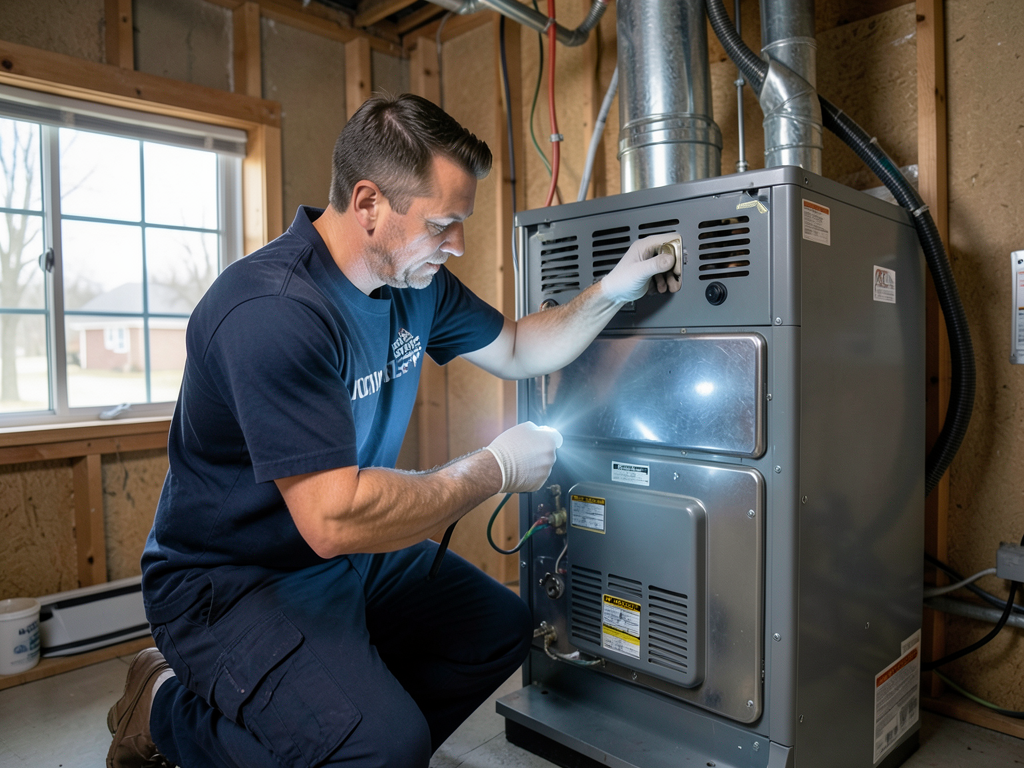
What to look for in an HVAC system when touring homes in Lee-Harvard Buying a home in Lee-Harvard means preparing for Cleveland’s brutal winters and humid summers. The HVAC system determines whether you’ll stay comfortable…
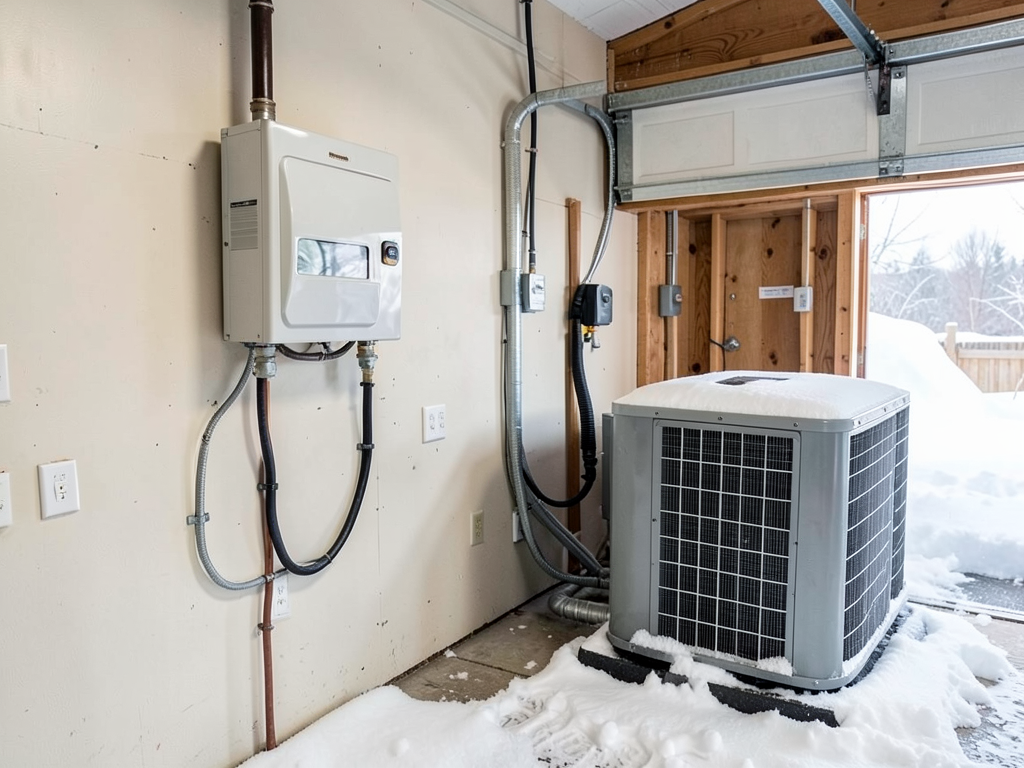
Managing sawdust and air quality in your Puritas-Longmead home workshop Woodworkers in Puritas-Longmead face unique…

Why your HVAC secondary drain pan is filling with water and how to stop a…
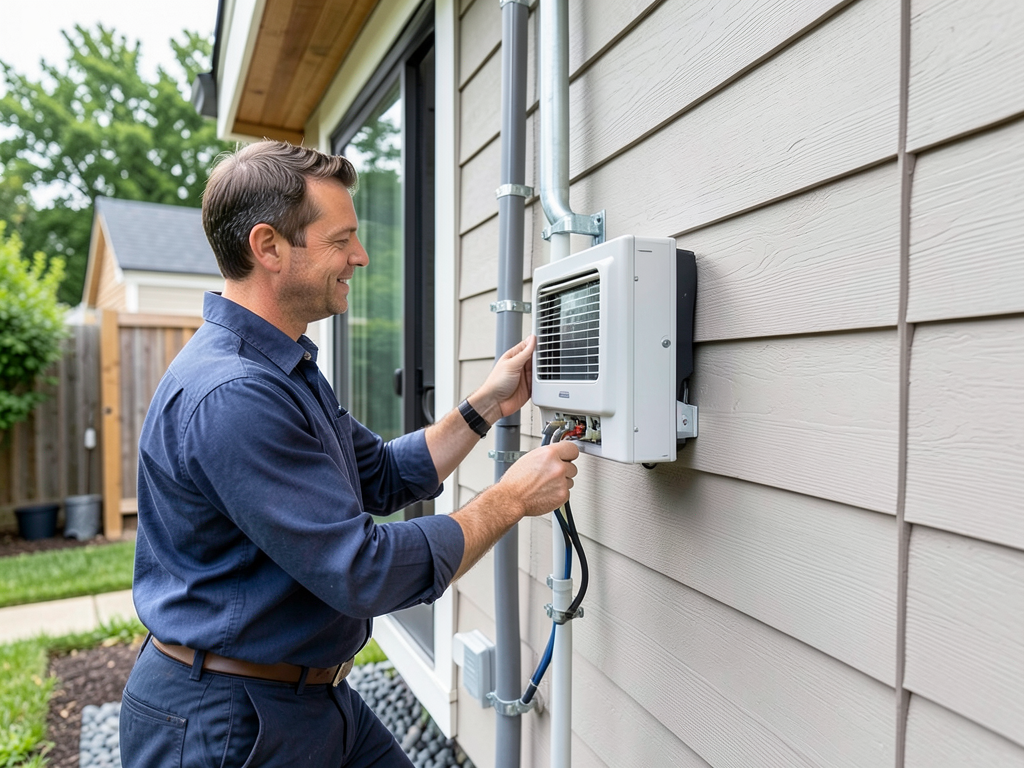
Heating and cooling a backyard tiny home in Clark-Fulton requires careful planning to handle Cleveland's…
Your heating or cooling emergency cannot wait. Call Ace HVAC Cleveland at (216) 530-9077 right now for same-day service. We answer the phone, respond fast, and fix your system right the first time. Stop suffering in extreme temperatures and get your comfort back today.