
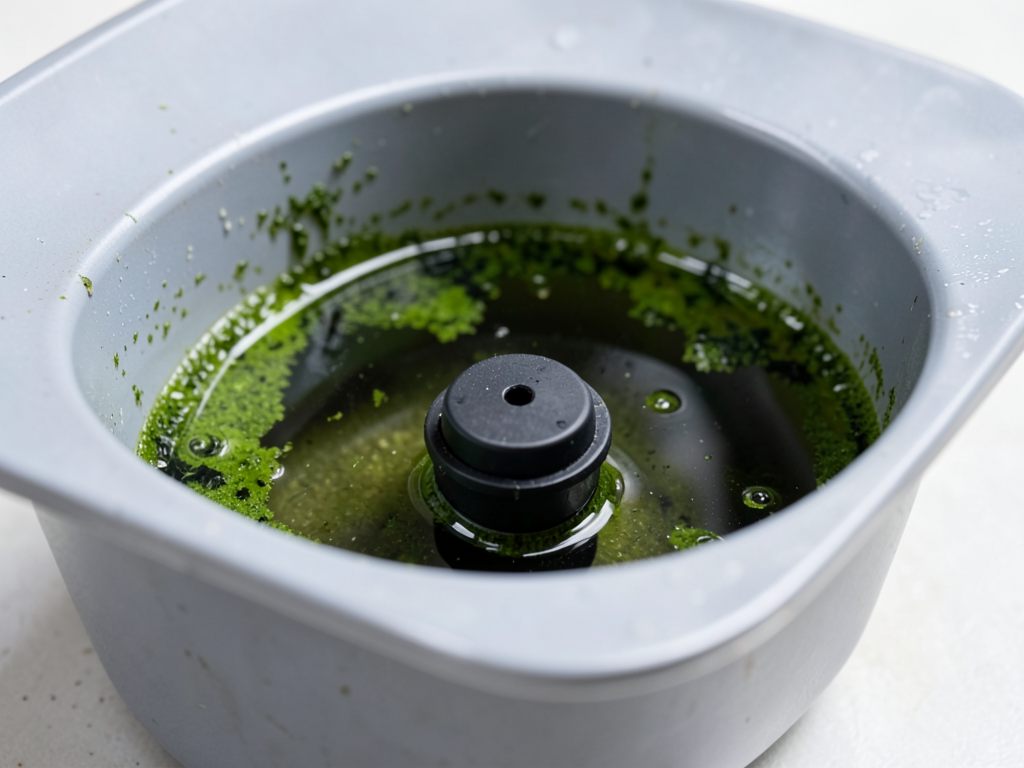
Why your HVAC secondary drain pan is filling with water and how to stop a flood
Is your HVAC secondary drain pan full of water? That’s not just a minor nuisance. It’s a warning sign that your air conditioning system is trying to protect your home from serious water damage. In Cleveland’s humid summers, this problem hits hard. High humidity means more condensation. More condensation means your primary drain line works overtime. When that line clogs with algae, sludge, or mineral deposits, water backs up into the secondary pan. That’s when the trouble starts. How Much Does a New Central Air System Cost in Northeast Ohio?.
Most homeowners don’t realize the secondary pan exists until they see it overflowing. By then, your ceiling might already have water stains. Your walls might feel damp. The good news? You can stop the flood before it spreads. This guide walks you through what’s happening, how to fix it fast, and when to call a professional before your home takes on water.
Immediate Action: What to do in the next 5 minutes
Turn off your HVAC system now. Go to your thermostat and switch it to “off.” Then find your breaker panel and flip the breaker for your air handler or furnace. This stops the system from producing more condensate and prevents electrical shorts near standing water. Next, check the secondary drain pan. If it’s full, grab towels or a wet/dry vacuum to remove as much water as possible. Place a bucket under the pan to catch any drips. If you see water stains on your ceiling or walls, those areas need immediate drying to prevent mold growth. Replacing an Old Furnace in a Historic Shaker Heights Home.
Common Causes of a Full Condensate Pan
Understanding why your secondary drain pan fills with water helps you prevent future floods. Here are the most common culprits in Cleveland homes.
Clogged Condensate Drain Line
The primary drain line carries condensation away from your evaporator coil. Over time, algae, mold, and mineral deposits build up inside the PVC pipe. Cleveland’s high summer humidity accelerates this growth. When the line clogs, water backs up and triggers the secondary pan to catch the overflow. You might hear gurgling sounds from your vents or notice your AC shutting off completely. That’s your float switch doing its job.
Damaged or Rusted Drain Pan
Older Cleveland homes often have metal drain pans that rust through after years of exposure to moisture. Once a pan develops holes, water leaks directly onto your ceiling or floor. Plastic pans can crack from age or improper installation. If you see water dripping from seams or notice rust spots, your pan needs replacement.
Frozen Evaporator Coils
When evaporator coils freeze, they produce excessive condensation when they thaw. This overwhelms both primary and secondary drain systems. Common causes include dirty air filters, low refrigerant, or restricted airflow. You might notice reduced cooling performance before the pan overflows.
Malfunctioning Condensate Pump
Condensate pumps move water from basement or attic units to exterior drains. If the pump fails, water has nowhere to go. The secondary pan catches the backup. Listen for the pump humming or clicking. If it’s silent when your AC runs, it’s likely failed.
Broken Float Switch
The float switch sits inside the secondary pan. When water reaches a certain level, it triggers the switch to shut off your AC. This prevents overflow damage. If the switch breaks, your system keeps running while water fills the pan. Some switches get stuck in the “up” position from mineral buildup or debris.
DIY Troubleshooting: How to Clear the Line
Before calling a professional, try these steps to clear a clogged drain line. Always turn off power at the breaker first.
- Locate the Drain Line Access Point
Find the white PVC pipe near your indoor unit. Look for a T-shaped vent or a capped opening. This is where you’ll introduce cleaning solutions.
- Remove the Cap and Inspect
Unscrew the cap and look inside. You might see standing water, which confirms a clog. Use a flashlight to check for visible debris.
- Try the Wet/Dry Vacuum Method
Attach your wet/dry vacuum to the drain line’s exterior outlet. Seal the connection with duct tape. Run the vacuum for 3-5 minutes to suck out the clog.
- Flush with Vinegar Solution
Pour a cup of white vinegar into the access point. Let it sit for 30 minutes. Vinegar kills algae and breaks down mineral deposits. Follow with warm water.
- Test the System
Restore power and run your AC for 10 minutes. Check if water flows freely from the drain line outside. If not, the clog persists.
The Role of Cleveland Humidity
Cleveland’s climate creates unique challenges for HVAC drainage systems. Lake Erie’s proximity means summer humidity often exceeds 70%. This moisture-laden air produces significantly more condensation than drier climates. Your evaporator coil works harder to cool and dehumidify this air, generating gallons of water daily during peak summer months.
Older homes in neighborhoods like Ohio City and Tremont often have undersized drain lines from decades ago. These narrow pipes clog faster under today’s humidity loads. Additionally, Cleveland’s freeze-thaw cycles in spring and fall cause PVC pipes to expand and contract, potentially creating micro-fractures where algae colonies establish.
According to the National Weather Service, Cleveland averages 78% relative humidity in July. This is 15% higher than the national average for similar latitudes. That extra moisture translates to approximately 30% more condensate production, stressing drain systems beyond their original design capacity. National Weather Service.
When to Call a Professional
Some drain pan issues require professional tools and expertise. Here’s when to pick up the phone.
Recurring Clogs Despite DIY Cleaning
If your drain line clogs every few weeks, you have a deeper issue. This could be improper pipe slope, undersized piping, or systemic algae growth. A professional can install a larger diameter line or add algaecide tablets to prevent regrowth.
Electrical Issues or System Shutdowns
When your AC won’t turn on and you find a full secondary pan, the float switch may have activated. However, electrical problems could also cause this. Don’t risk water damage or electrical shock. A technician can safely diagnose and repair the underlying cause. Fast and Local AC Repair Services in Solon and Surrounding Areas.
Cracked or Rusted Drain Pans
Replacing a drain pan requires removing the evaporator coil, which is a complex job. Attempting this without proper tools risks damaging your system. Professional replacement ensures proper sealing and prevents future leaks.
Suspected Refrigerant Leaks
Frozen coils often indicate low refrigerant. This requires EPA-certified technicians to handle the chemicals safely. Adding refrigerant without fixing the leak wastes money and harms the environment.
Preventing Future Drain Pan Problems
Prevention beats emergency repairs every time. Here are proven strategies to keep your drain system flowing.
Annual Professional Maintenance
A spring tune-up catches problems before peak cooling season. Technicians clean drain lines, check float switches, and inspect pans for damage. This service typically costs $150-200 in Cleveland and prevents thousands in water damage repairs.
Install a Safety Switch
If your system lacks a float switch, install one immediately. These devices automatically shut off your AC when the secondary pan fills, preventing overflow. Smart switches can even send alerts to your phone.
Use Algaecide Tablets
Drop algaecide tablets into your drain line access point monthly during cooling season. These slow-release tablets prevent organic growth that causes clogs. One tablet costs about $5 and lasts 30-60 days.
Upgrade to Larger Drain Lines
Homes built before 1990 often have 3/4-inch drain lines. Modern 1-inch lines handle higher condensate volumes better. This upgrade costs $300-500 but significantly reduces clog frequency.
Understanding Your HVAC System’s Safety Features
Your HVAC system includes multiple safeguards against water damage. The secondary drain pan is just one layer of protection.
The float switch acts as your system’s emergency brake. When water in the secondary pan reaches a critical level, the switch cuts power to the compressor. This prevents the AC from making more condensate while the drain problem exists. Some advanced systems include water sensors that send alerts to your smartphone when moisture is detected.
Modern high-efficiency units often include dual drain connections. If one line clogs, the second provides backup drainage. However, this feature only works if both lines remain clear and properly sloped.
Water Damage Prevention for Attic Units
Attic-located air handlers pose unique risks. A leak 20 feet above your living space can cause extensive damage before you notice it. Here’s how to protect your home.
Install a secondary drain pan with a built-in float switch under your attic unit. This provides two layers of protection: the pan catches leaks, and the switch shuts down the system. Consider adding a water alarm that sounds when moisture is detected.
Check your attic monthly during cooling season. Look for water stains on joists, damp insulation, or musty odors. These signs indicate slow leaks that could become major problems.
Comparing Drain Line Materials and Their Performance
Choosing the right drain line material affects system reliability. Here’s how common options compare.
| Material | Cost per Foot | Lifespan | Clog Resistance | Best For |
|---|---|---|---|---|
| PVC (Schedule 40) | $0.50 – $1.00 | 15-25 years | Moderate | Standard residential use |
| PVC (Schedule 80) | $0.75 – $1.25 | 20-30 years | High | High-humidity areas |
| CPVC | $1.00 – $1.50 | 20-25 years | High | Hot water applications |
| ABS | $0.40 – $0.80 | 10-15 years | Low | Budget installations |
Local Building Code Requirements
Cleveland’s residential building code requires secondary drain pans for attic and ceiling-suspended air handlers. According to the Ohio Building Code Section 1101.2, these pans must be at least 1.5 inches deep and constructed of corrosion-resistant material.
The code also mandates auxiliary drain pans for equipment where damage could occur from overflow. This includes units installed above finished spaces or in areas where condensate could damage building components. Pans must connect to an indirect waste receptor or extend a minimum of 3 inches beyond the equipment on all sides.
Float switches are required for units installed in finished spaces. These switches must automatically shut off the equipment when the secondary pan reaches 50% capacity. This requirement prevents overflow before it starts.
Emergency Service in Cleveland
When water starts dripping from your ceiling or your AC won’t turn on, you need help fast. Cleveland’s weather doesn’t wait for convenient times. Our emergency service team responds 24/7 to drain pan emergencies.
We serve all Cleveland neighborhoods including Lakewood, Rocky River, and Westlake. Our technicians arrive within two hours for emergency calls. We carry common replacement parts on our trucks to fix most problems in a single visit. HVAC Rocky River.
Frequently Asked Questions
Why does my secondary drain pan keep filling with water?
Your secondary drain pan fills when the primary drain line clogs with algae, debris, or mineral deposits. This backup prevents water from reaching your main drain. The secondary pan catches the overflow as a safety measure. Common causes include high humidity, dirty air filters, and lack of maintenance. Commercial HVAC Maintenance for Businesses in Downtown Cleveland.
Can I use bleach instead of vinegar to clean my drain line?
Avoid using bleach in your HVAC drain line. While bleach kills algae, it’s corrosive to metal components and can damage your drain pan. Vinegar is safer and equally effective at breaking down organic growth. Plus, vinegar won’t harm your drain line’s PVC pipes.
How often should I clean my HVAC drain line?
Clean your drain line every 3-4 months during cooling season. Homes in Cleveland’s humid areas may need monthly cleaning. Signs you need immediate cleaning include gurgling sounds, water in the secondary pan, or your AC shutting off unexpectedly.
Is a full secondary drain pan an emergency?
Yes, a full secondary drain pan is an emergency. Water can damage your ceiling, walls, and electrical components. Turn off your system immediately and remove standing water. Continuing to run your AC could cause thousands in water damage.
How much does it cost to replace a secondary drain pan?
Drain pan replacement costs $250-600 depending on your system’s configuration. Simple replacements might cost $250-350, while complex jobs requiring coil removal can reach $500-600. Most homeowners find this cheaper than repairing water damage from an overflow.
Will my homeowner’s insurance cover water damage from a drain pan overflow?
Most policies cover sudden, accidental water damage but exclude damage from lack of maintenance. If your drain pan overflowed due to a clog you didn’t address, coverage might be denied. Regular maintenance and float switch installation provide the best protection.
How can I tell if my float switch is working?
Test your float switch by pouring water into the secondary pan until it rises. The switch should click and your AC should shut off within 30 seconds. If your system keeps running with a full pan, the switch needs replacement.
What size drain line should my AC have?
Most residential AC units need 3/4-inch to 1-inch drain lines. Units over 2 tons typically require 1-inch lines. Cleveland’s high humidity means many homeowners benefit from upgrading to 1-inch lines even on smaller units to handle increased condensate volume.
Can I install a condensate pump myself?
DIY condensate pump installation is possible but risky. Improper installation can cause leaks or pump failure. Professional installation ensures proper drainage, electrical connections, and compliance with local codes. The $200-300 installation cost often saves money compared to water damage repairs.
How long does it take to clear a clogged drain line?
Professional drain line clearing takes 30-60 minutes. DIY methods might take 1-2 hours including drying time. Severe clogs requiring line replacement can take 2-4 hours. Most homeowners find the time investment worthwhile compared to potential water damage costs.
Take Action Before Your Home Floods
A full secondary drain pan signals trouble that won’t fix itself. Every hour you wait increases the risk of water damage to your ceiling, walls, and electrical systems. Cleveland’s humid summers make this problem worse each year.
Don’t let a simple clog turn into a major repair. If you’ve tried the DIY steps and your pan still fills with water, call us now. Our technicians diagnose and fix drain problems fast, preventing the costly damage that comes with delayed repairs.
Pick up the phone and call (216) 530-9077 before the next storm hits. We’ll get your system draining properly and keep your home dry all summer long.
Need emergency service right now? Don’t wait. Call (216) 530-9077. We’re standing by to stop the flood before it spreads.
{
“@context”: “https://schema.org”,
“@type”: “BlogPosting”,
“headline”: “Why your HVAC secondary drain pan is filling with water and how to stop a flood”,
“description”: “Is your HVAC secondary drain pan full of water? Learn the causes, emergency fixes, and when to call a Cleveland HVAC expert before costly water damage occurs.”,
“wordCount”: 2405,
“datePublished”: “2026-06-08T12:50:00.000Z”,
“dateModified”: “2026-06-08T12:50:00.000Z”,
“inLanguage”: “en-US”,
“mainEntityOfPage”: {
“@type”: “WebPage”,
“@id”: “https://acehvaccleveland.com”
},
“publisher”: {
“@type”: “LocalBusiness”,
“name”: “Ace HVAC Cleveland”,
“url”: “https://acehvaccleveland.com”
},
“author”: {
“@type”: “Organization”,
“name”: “Ace HVAC Cleveland”,
“url”: “https://acehvaccleveland.com”
},
“image”: {
“@type”: “ImageObject”,
“url”: “https://acehvaccleveland.com/wp-content/uploads/2026/03/why-your-hvac-secondary-drain-pan-is-filling-with-1.png”
}
}
{
“@context”: “https://schema.org”,
“@type”: “HVACBusiness”,
“name”: “Ace HVAC Cleveland”,
“url”: “https://acehvaccleveland.com”,
“address”: {
“@type”: “PostalAddress”,
“addressLocality”: “Cleveland”
},
“areaServed”: {
“@type”: “City”,
“name”: “Cleveland”
}
}
{
“@context”: “https://schema.org”,
“@type”: “FAQPage”,
“mainEntity”: [
{
“@type”: “Question”,
“name”: “Why does my secondary drain pan keep filling with water?”,
“acceptedAnswer”: {
“@type”: “Answer”,
“text”: “Your secondary drain pan fills when the primary drain line clogs with algae, debris, or mineral deposits. This backup prevents water from reaching your main drain. The secondary pan catches the overflow as a safety measure. Common causes include high humidity, dirty air filters, and lack of maintenance. Commercial HVAC Maintenance for Businesses in Downtown Cleveland.”
}
},
{
“@type”: “Question”,
“name”: “Can I use bleach instead of vinegar to clean my drain line?”,
“acceptedAnswer”: {
“@type”: “Answer”,
“text”: “Avoid using bleach in your HVAC drain line. While bleach kills algae, it’s corrosive to metal components and can damage your drain pan. Vinegar is safer and equally effective at breaking down organic growth. Plus, vinegar won’t harm your drain line’s PVC pipes.”
}
},
{
“@type”: “Question”,
“name”: “How often should I clean my HVAC drain line?”,
“acceptedAnswer”: {
“@type”: “Answer”,
“text”: “Clean your drain line every 3-4 months during cooling season. Homes in Cleveland’s humid areas may need monthly cleaning. Signs you need immediate cleaning include gurgling sounds, water in the secondary pan, or your AC shutting off unexpectedly.”
}
},
{
“@type”: “Question”,
“name”: “Is a full secondary drain pan an emergency?”,
“acceptedAnswer”: {
“@type”: “Answer”,
“text”: “Yes, a full secondary drain pan is an emergency. Water can damage your ceiling, walls, and electrical components. Turn off your system immediately and remove standing water. Continuing to run your AC could cause thousands in water damage.”
}
},
{
“@type”: “Question”,
“name”: “How much does it cost to replace a secondary drain pan?”,
“acceptedAnswer”: {
“@type”: “Answer”,
“text”: “Drain pan replacement costs $250-600 depending on your system’s configuration. Simple replacements might cost $250-350, while complex jobs requiring coil removal can reach $500-600. Most homeowners find this cheaper than repairing water damage from an overflow.”
}
},
{
“@type”: “Question”,
“name”: “Will my homeowner’s insurance cover water damage from a drain pan overflow?”,
“acceptedAnswer”: {
“@type”: “Answer”,
“text”: “Most policies cover sudden, accidental water damage but exclude damage from lack of maintenance. If your drain pan overflowed due to a clog you didn’t address, coverage might be denied. Regular maintenance and float switch installation provide the best protection.”
}
},
{
“@type”: “Question”,
“name”: “How can I tell if my float switch is working?”,
“acceptedAnswer”: {
“@type”: “Answer”,
“text”: “Test your float switch by pouring water into the secondary pan until it rises. The switch should click and your AC should shut off within 30 seconds. If your system keeps running with a full pan, the switch needs replacement.”
}
},
{
“@type”: “Question”,
“name”: “What size drain line should my AC have?”,
“acceptedAnswer”: {
“@type”: “Answer”,
“text”: “Most residential AC units need 3/4-inch to 1-inch drain lines. Units over 2 tons typically require 1-inch lines. Cleveland’s high humidity means many homeowners benefit from upgrading to 1-inch lines even on smaller units to handle increased condensate volume.”
}
},
{
“@type”: “Question”,
“name”: “Can I install a condensate pump myself?”,
“acceptedAnswer”: {
“@type”: “Answer”,
“text”: “DIY condensate pump installation is possible but risky. Improper installation can cause leaks or pump failure. Professional installation ensures proper drainage, electrical connections, and compliance with local codes. The $200-300 installation cost often saves money compared to water damage repairs.”
}
},
{
“@type”: “Question”,
“name”: “How long does it take to clear a clogged drain line?”,
“acceptedAnswer”: {
“@type”: “Answer”,
“text”: “Professional drain line clearing takes 30-60 minutes. DIY methods might take 1-2 hours including drying time. Severe clogs requiring line replacement can take 2-4 hours. Most homeowners find the time investment worthwhile compared to potential water damage costs.”
}
}
]
}
{
“@context”: “https://schema.org”,
“@type”: “HowTo”,
“name”: “How to Clear a Clogged HVAC Drain Line”,
“step”: [
{
“@type”: “HowToStep”,
“position”: 1,
“name”: “Locate the Drain Line Access Point”,
“text”: “Find the white PVC pipe near your indoor unit. Look for a T-shaped vent or a capped opening. This is where you’ll introduce cleaning solutions.”
},
{
“@type”: “HowToStep”,
“position”: 2,
“name”: “Remove the Cap and Inspect”,
“text”: “Unscrew the cap and look inside. You might see standing water, which confirms a clog. Use a flashlight to check for visible debris.”
},
{
“@type”: “HowToStep”,
“position”: 3,
“name”: “Try the Wet/Dry Vacuum Method”,
“text”: “Attach your wet/dry vacuum to the drain line’s exterior outlet. Seal the connection with duct tape. Run the vacuum for 3-5 minutes to suck out the clog.”
},
{
“@type”: “HowToStep”,
“position”: 4,
“name”: “Flush with Vinegar Solution”,
“text”: “Pour a cup of white vinegar into the access point. Let it sit for 30 minutes. Vinegar kills algae and breaks down mineral deposits. Follow with warm water.”
},
{
“@type”: “HowToStep”,
“position”: 5,
“name”: “Test the System”,
“text”: “Restore power and run your AC for 10 minutes. Check if water flows freely from the drain line outside. If not, the clog persists.”
}
],
“image”: “https://acehvaccleveland.com/wp-content/uploads/2026/03/why-your-hvac-secondary-drain-pan-is-filling-with-1.png”
}
{
“@context”: “https://schema.org”,
“@type”: “BreadcrumbList”,
“itemListElement”: [
{
“@type”: “ListItem”,
“position”: 1,
“name”: “Home”,
“item”: “https://acehvaccleveland.com”
},
{
“@type”: “ListItem”,
“position”: 2,
“name”: “Blog”,
“item”: “https://acehvaccleveland.com/blog”
},
{
“@type”: “ListItem”,
“position”: 3,
“name”: “Why your HVAC secondary drain pan is filling with water and how to stop a flood”
}
]
}
{
“@context”: “https://schema.org”,
“@type”: “Service”,
“serviceType”: “HVAC”,
“provider”: {
“@type”: “LocalBusiness”,
“name”: “Ace HVAC Cleveland”,
“url”: “https://acehvaccleveland.com”
},
“areaServed”: {
“@type”: “City”,
“name”: “Cleveland”
},
“description”: “Is your HVAC secondary drain pan full of water? Learn the causes, emergency fixes, and when to call a Cleveland HVAC expert before costly water damage occurs.”
}