Menu

Whole Home Humidifiers in Cleveland – Expert Installation for Year-Round Indoor Air Quality Control

Ace HVAC Cleveland installs central humidifiers engineered to combat dry winter air and seasonal humidity swings across Northeast Ohio, protecting your family's respiratory health and your home's wood floors, trim, and furniture from cracking and warping.

Slider Image 1
Slider Image 2
Slider Image 3
Slider Image 4
Slider Image 5
Slider Image 7
Slider Image 8
Slider Image 9
Slider Image 10
Slider Image 11

Why Cleveland Homes Need Whole Home Humidifiers

Cleveland winters hit hard. When temperatures plunge and your furnace runs nonstop from November through March, indoor humidity levels drop dangerously low. You wake with scratchy throats, bloody noses, and cracked lips. Static shocks zap you every time you touch a doorknob. Your hardwood floors gap at the seams. Crown molding splits. Antique furniture dries out and cracks.

The problem is not just discomfort. Low indoor humidity below 30 percent damages your respiratory system's natural defenses, making your family more vulnerable to colds, flu, and sinus infections. It dries out nasal passages and lung tissue. Children and elderly residents suffer most.

Portable humidifiers cannot keep up. They require constant refilling, breed mold in reservoirs, and humidify only single rooms. Meanwhile, the Lake Erie snowbelt keeps furnaces cycling aggressively, stripping moisture from your air faster than tabletop units can replace it.

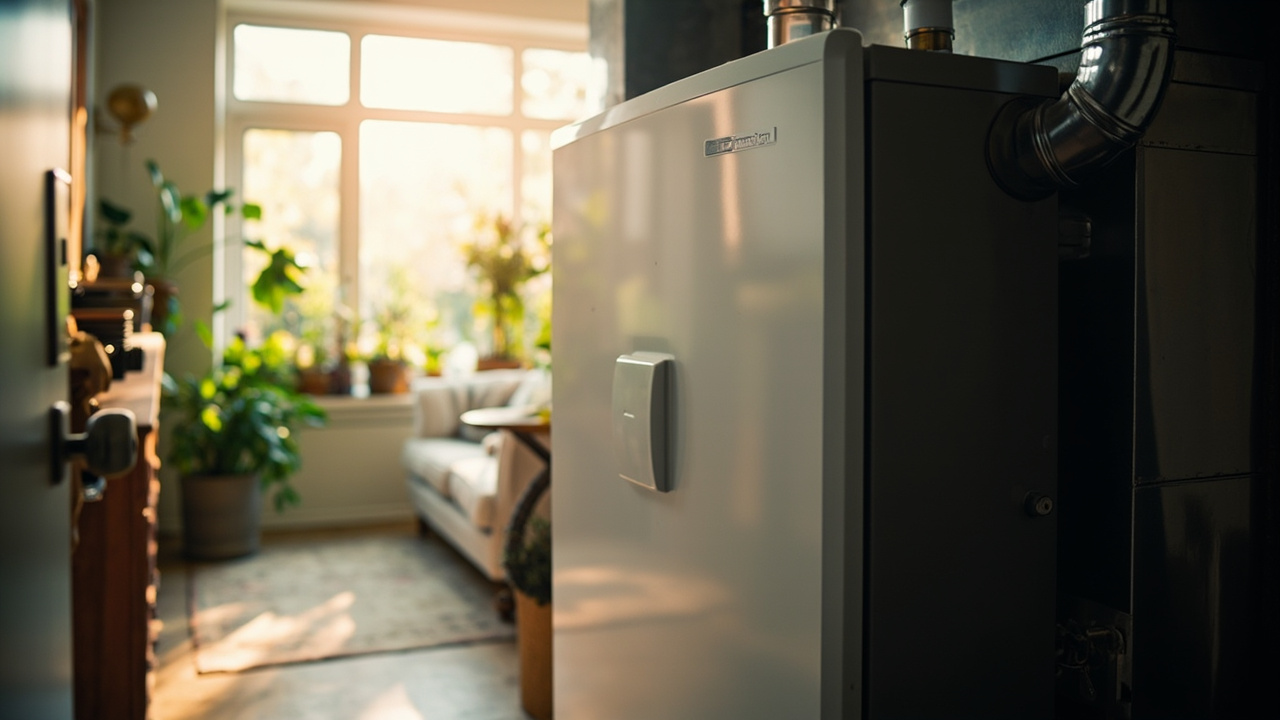
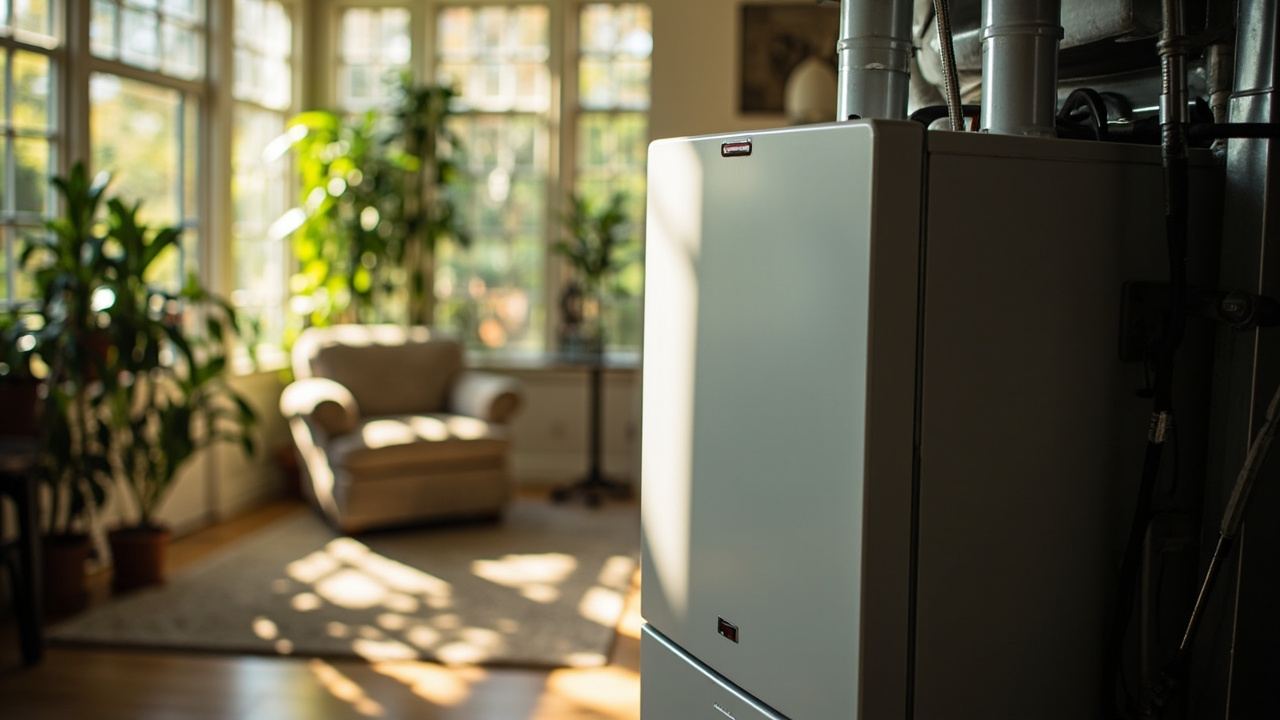
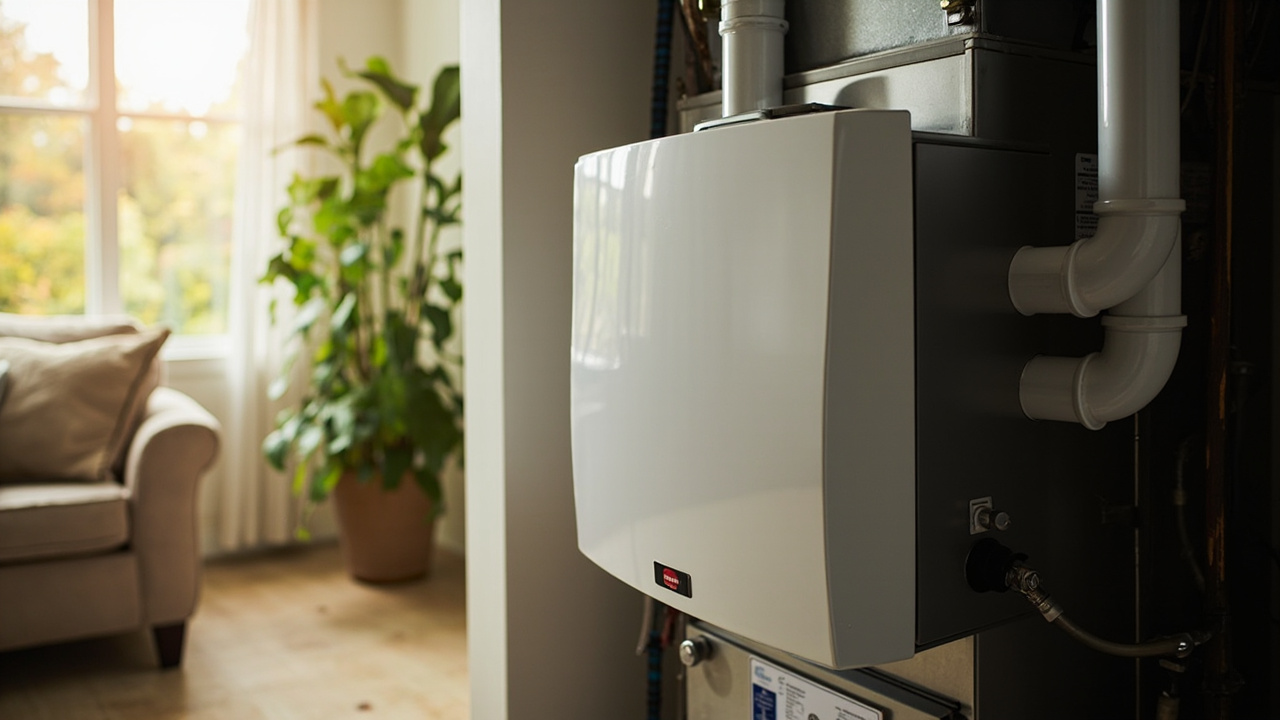
Whole house humidifiers integrate directly into your HVAC system. These central humidifiers, also called furnace humidifiers or ducted humidifiers, inject moisture into your supply plenum. Every heating cycle distributes humidity evenly through every register in your home. You maintain consistent 35 to 45 percent relative humidity throughout winter without lifting a finger.

HVAC humidifiers solve the problem at the source. They tie into your main water line, eliminate refilling, and deliver precise humidity control through automatic humidistats. Your respiratory health improves. Your wood floors stop shrinking. Your heating bills drop because humid air feels warmer at lower thermostat settings.

Why Cleveland Homes Need Whole Home Humidifiers
How Ace HVAC Cleveland Installs Central Humidifiers

How Ace HVAC Cleveland Installs Central Humidifiers

We do not sell one-size-fits-all humidifier boxes. Ace HVAC Cleveland sizes your system based on your home's total conditioned square footage, existing ductwork configuration, and furnace blower capacity. Undersized units fail to reach target humidity levels. Oversized units create condensation problems and mold growth inside ducts.

We calculate your home's humidification load using Manual J procedures, factoring in Cleveland's average winter outdoor humidity levels and your furnace's CFM output. If you have a 90-plus percent efficiency condensing furnace, we recommend steam humidifiers because bypass and fan-powered models struggle with lower plenum temperatures in high-efficiency systems.

For standard efficiency furnaces, we install bypass humidifiers that use your blower's natural airflow or fan-powered models that force air through saturated evaporator pads. Steam units inject pure vapor directly into the supply duct, offering the fastest humidity recovery and zero mineral dust.

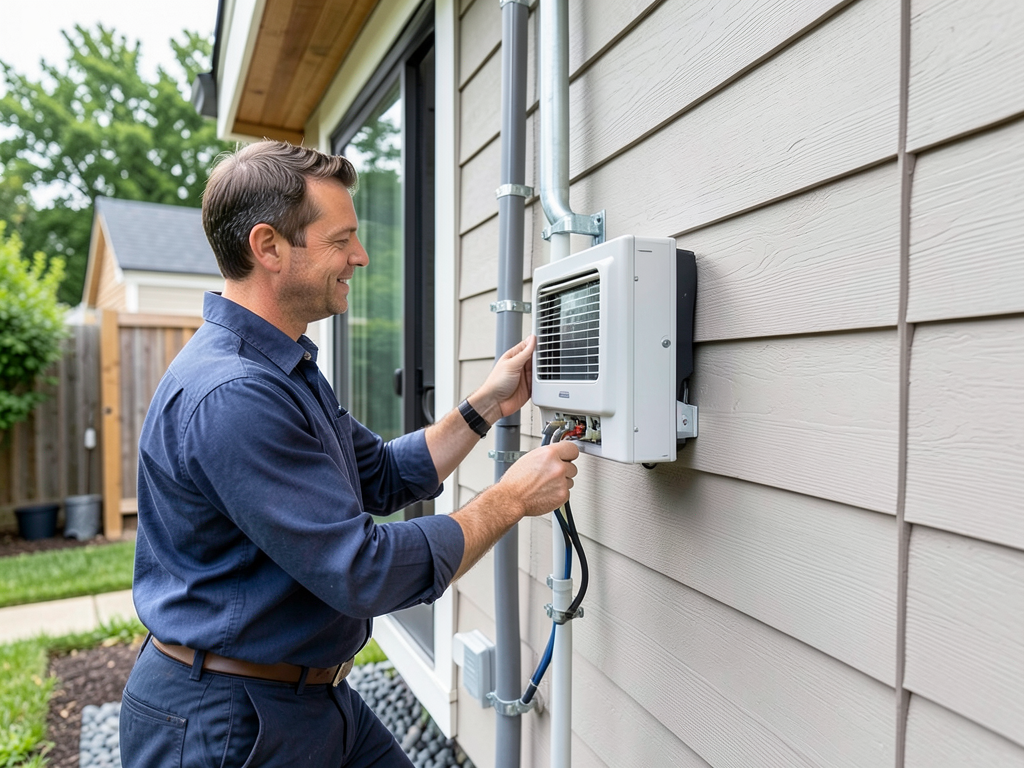
Installation involves cutting into your supply or return plenum, mounting the humidifier cabinet, running a dedicated water line with a saddle valve or compression fitting, installing a humidistat in your living space or integrating humidity control into your thermostat, and wiring 24-volt control circuits to interlock with your furnace blower.

We pressure-test all water connections, verify drain line pitch on flow-through models, and calibrate your humidistat to prevent over-humidification. Over-humidification causes window condensation, mold growth on exterior walls, and ice buildup in attics. Proper calibration keeps you in the safe zone.

Ace HVAC Cleveland pulls permits for all installations and ensures code compliance with Ohio mechanical and plumbing standards. Your system operates quietly, efficiently, and safely.

What Happens During Your Humidifier Installation

Whole Home Humidifiers in Cleveland – Expert Installation for Year-Round Indoor Air Quality Control
01

System Evaluation and Load Calculation

Our technician inspects your furnace, measures supply plenum dimensions, and tests static pressure in your duct system. We calculate your humidification load based on square footage and blower CFM output. You receive a written recommendation for bypass, fan-powered, or steam humidifier technology matched to your furnace efficiency and home size. We explain water quality considerations if you have hard water that causes mineral buildup.
02

Professional Installation and Integration

We cut precise openings in your supply or return plenum using sheet metal shears and aviation snips. The humidifier cabinet mounts securely with self-tapping screws. We tap your cold water line, run copper or PEX supply tubing, and install an inline shutoff valve. Low-voltage wiring connects to your furnace control board or thermostat. We mount the humidistat where you can access it easily, usually near your thermostat.
03

Calibration and System Testing

After installation, we power up your system and verify water flow through the distribution tray or steam canister. We adjust the humidistat setpoint to 35 percent and monitor humidity rise using a calibrated hygrometer. You learn how to adjust seasonal settings, when to replace evaporator pads, and how to spot early signs of over-humidification. We provide a maintenance schedule tailored to your water hardness and system type.

Why Cleveland Homeowners Trust Ace HVAC Cleveland for Humidifier Installations

Cleveland's freeze-thaw cycles and Lake Erie moisture swings create unique HVAC challenges. We understand how rapid temperature drops affect indoor humidity and how ice dams form when attic humidity levels rise too high. Our technicians train specifically on humidifier integration with both older atmospheric furnaces common in Cleveland Heights and Lakewood bungalows and newer modulating condensing systems in Westlake and Avon subdivisions.

We stock Aprilaire, Honeywell, and Carrier humidifiers sized for Cleveland's climate zone. We do not push products you do not need. If your ductwork cannot support a bypass humidifier due to restricted return air flow, we recommend a fan-powered model. If you have extremely hard water, we specify steam units that eliminate mineral dust problems.

Ace HVAC Cleveland pulls permits and schedules inspections with Cuyahoga County building departments. We follow Ohio Mechanical Code requirements for condensate drainage, backflow prevention, and electrical connections. Your installation passes inspection the first time.

We service what we install. When you need an evaporator pad replacement or steam canister descaling, you call the same team that installed your system. We keep service records tied to your address, so we know your equipment history before we arrive.

Cleveland homeowners choose us because we show up on time, protect your floors with drop cloths, and clean up metal shavings and packaging materials. You do not chase us for callbacks. We calibrate your system correctly the first time, and we answer your questions in plain language. You understand how your humidifier works, how to maintain it, and when to call for service.

What You Can Expect from Your Whole Home Humidifier Installation

Installation Timeline and Scheduling

Most whole house humidifier installations take three to five hours depending on your furnace location and ductwork accessibility. We schedule installations Monday through Saturday with arrival windows you can count on. If we need to relocate ductwork or upgrade electrical circuits, we communicate timeline changes before we start work. Emergency humidifier failures during winter cold snaps get priority scheduling. You receive a confirmation call the day before your appointment with your technician's name and estimated arrival time.

Comprehensive Pre-Installation Assessment

Before we cut into your ductwork, we assess your entire HVAC system. We check furnace blower operation, measure static pressure, inspect existing duct sealing, and test your thermostat. If your ducts leak significantly, we recommend sealing before humidifier installation to prevent moisture loss. We test your water pressure and hardness level. Low pressure requires a booster pump for steam humidifiers. High hardness means frequent maintenance for bypass models. You know exactly what your home needs before installation begins.

Proven Performance and Comfort Results

You feel the difference within 24 hours. Static electricity disappears. Your skin stops cracking. Nasal congestion clears. Wood floors stop creaking and gapping. Your thermostat can drop two degrees while maintaining the same comfort level because humid air holds heat better. You spend less on lotion, nasal sprays, and doctor visits for dry-air respiratory problems. Your furnace runtime decreases because you reach comfort at lower temperatures. Energy savings offset operational costs within two heating seasons for most Cleveland homes.

Ongoing Maintenance and Support

Bypass and fan-powered humidifiers need evaporator pad replacement once per heating season, typically in October before heavy furnace use begins. Steam humidifiers require annual canister descaling if you have hard water. Ace HVAC Cleveland offers maintenance plans that include humidifier service with your annual furnace tune-up. We check water flow, clean mineral deposits, verify humidistat calibration, and replace worn components before they fail. You receive reminder calls when service is due. Parts and labor are straightforward. No surprises.

Frequently Asked Questions

You Have Questions,
We Have Answers

What is the downside of a whole-house humidifier? +

The main downside is maintenance. Whole-house humidifiers require filter changes and cleaning to prevent mold and mineral buildup. If you skip maintenance, bacteria can spread through your ductwork. Over-humidification can cause condensation on windows, peeling paint, and mold growth in walls. In Cleveland's cold winters, excess moisture can freeze inside walls or attics, damaging insulation. You also need a nearby water line, which adds installation complexity. Poor installation can lead to water leaks or furnace damage. Balance is critical. Set your humidistat correctly for Cleveland's fluctuating temperatures to avoid these issues.

Which humidifier is best for a whole house? +

Steam humidifiers offer the cleanest, most precise humidity control but cost more upfront. Bypass humidifiers are affordable and reliable, using your furnace's heat to evaporate water. They work well in Cleveland homes with forced-air systems. Fan-powered humidifiers push air through a wet pad, offering better output than bypass units. For Cleveland's dry, cold winters, Aprilaire and Honeywell models are trusted choices. Your best option depends on your home size, furnace type, and budget. A qualified HVAC technician should evaluate your ductwork layout and heating capacity before recommending a specific unit.

How much does it cost to get a whole home humidifier installed? +

Installation costs typically range from $400 to $1,200 in Cleveland, depending on unit type and complexity. Bypass units are the most affordable. Steam humidifiers cost more due to electrical requirements. Costs increase if your furnace lacks space, requires duct modifications, or needs a new water line run from your plumbing. Older Cleveland homes with tight mechanical rooms or cast-iron plumbing may see higher labor costs. Get multiple quotes from licensed HVAC contractors. Ask if the quote includes the humidistat, water line installation, and duct modifications. Avoid the cheapest bid without verifying experience and proper licensing.

Is it okay to sleep with a humidifier every night? +

Yes, sleeping with a humidifier every night is safe if you maintain proper humidity levels. Aim for 30 to 50 percent relative humidity. In Cleveland winters, indoor air drops below 20 percent, causing dry skin, nosebleeds, and respiratory irritation. A whole-house humidifier automatically maintains healthy levels throughout your home, unlike portable units that can over-humidify one room. Clean your system regularly to prevent mold or bacteria growth. If you wake up with condensation on windows or feel clammy, your humidity is too high. Adjust your humidistat based on outdoor temperatures to stay comfortable and healthy.

What are signs I need a humidifier? +

Watch for static shocks when touching metal, dry cracked skin, frequent nosebleeds, and irritated sinuses. Wood floors may shrink, leaving gaps between boards. Furniture joints can loosen as wood dries out. You might notice increased asthma or allergy symptoms because dry air irritates airways. In Cleveland, these signs worsen from November through March when furnaces run constantly. If your windows never show condensation, your air is too dry. Houseplants with brown leaf tips also signal low humidity. A simple hygrometer from a hardware store measures indoor humidity. Readings below 30 percent mean you need a humidifier.

Where does the water go from a whole house dehumidifier? +

A whole-house dehumidifier drains condensed water through a dedicated drain line, typically into a floor drain, utility sink, or sump pump. Most Cleveland basements have floor drains that work well. If no drain exists, a condensate pump lifts water to an existing drain line. The unit pulls humid air across cold coils, condensing moisture into liquid, which gravity or the pump removes. Some systems drain continuously, while others use a reservoir that triggers the pump. Proper drainage prevents water damage. A licensed HVAC contractor should verify your drain line slopes correctly and connects securely to prevent backups or leaks.

What humidifiers do consumer reports recommend? +

Consumer Reports evaluates humidifiers based on output, ease of maintenance, and energy efficiency. They favor Aprilaire and Honeywell whole-house models for reliability. Steam units receive high marks for cleanliness and precision. Bypass models score well for affordability. Ratings change yearly, so check their current recommendations. For Cleveland homes, prioritize units rated for your square footage and compatible with your furnace type. Consumer Reports focuses on residential testing, but your specific HVAC system matters more than generic rankings. An HVAC professional can match a tested model to your ductwork configuration and heating capacity for optimal performance.

Where is the best place to put a whole home humidifier? +

Whole-house humidifiers install directly onto your furnace plenum or main supply duct, not in a room. Bypass models connect to both supply and return ducts. Fan-powered units mount on the supply plenum. Steam humidifiers need electrical access and mount on the supply side. The location depends on your furnace layout and available space. In Cleveland homes with tight mechanical rooms, installers may need creative duct routing. The humidifier must access your water supply line, so proximity to plumbing matters. A qualified HVAC technician evaluates your specific furnace setup to determine the best mounting location for airflow and maintenance access.

What are the signs of too much humidity? +

Excess humidity causes visible condensation on windows, damp spots on walls or ceilings, and musty odors. You might notice mold growth in bathrooms or closets. Wood floors can cup or warp. Paint may peel or bubble. In Cleveland, over-humidification during winter can cause frost buildup inside attic spaces, damaging insulation. You may feel clammy or notice your home feels stuffy. Dust mites and mold thrive above 60 percent humidity, worsening allergies. Your HVAC system may struggle to cool effectively. Check your humidistat setting. Humidity above 50 percent during cold weather creates these problems.

How big of a dehumidifier do I need for a 2000 sq ft house? +

A 2,000-square-foot house typically needs a 50 to 70-pint dehumidifier for moderate humidity control. If you have a damp basement or live near Lake Erie, consider a 70-pint unit. Ceiling height, insulation quality, and moisture sources affect capacity needs. Cleveland's humid summers and lake-effect moisture create challenging conditions. Whole-house dehumidifiers integrate with your HVAC system for better coverage than portable units. An HVAC contractor should calculate your specific load based on indoor humidity readings and basement conditions. Oversized units short-cycle and waste energy. Undersized units run constantly without reaching target humidity levels.

How Cleveland's Lake Effect Climate Demands Precision Humidification

Cleveland sits in the Lake Erie snowbelt where winter humidity swings are extreme. Outdoor air holds almost no moisture when temperatures drop below 20 degrees. Your furnace pulls in this bone-dry air through infiltration and duct leaks, then heats it without adding moisture. Indoor relative humidity plummets to 15 or 20 percent, drier than the Mojave Desert. Historic homes in Ohio City and Tremont with original wood floors, plaster walls, and antique millwork suffer visible damage. Gaps open in flooring. Plaster cracks along seams. Without central humidifiers to maintain 35 to 45 percent humidity, your home deteriorates faster and your family breathes compromised air all winter.

Ace HVAC Cleveland has installed ducted humidifiers across Cuyahoga County for years. We understand how older Cleveland homes with gravity furnaces converted to forced air need customized humidifier placement. We know how newer Avon and North Ridgeville subdivisions with open floor plans require higher-capacity HVAC humidifiers to distribute moisture evenly. We work with local building inspectors who verify our installations meet Ohio plumbing code for backflow prevention and drainage. Choosing a local contractor means faster service calls when you need a replacement pad mid-winter and technicians who understand your home's construction methods and climate challenges.

HVAC Services in The Cleveland Area

We are proud to serve the entire Cleveland area, and our service network extends to all surrounding communities. Our centrally located office allows us to dispatch our expert technicians quickly and efficiently to your home or business, ensuring fast response times for all your heating and cooling needs. We invite you to view our service area on the map to see if we can bring our trusted services right to your doorstep. Don't hesitate to reach out to us today to confirm if your location is within our coverage zone.

Address:
Ace HVAC Cleveland, 3095 W 25th St, Cleveland, OH, 44113

Additional Services We Offer

Our news updates

Latest Articles & News from The Blogs

Designing the perfect climate control system for your Kirtland wine cellar Wine collectors in Kirtland know that Ohio’s humid continental…

Designing the perfect climate control system for your Kirtland wine cellar

Designing the perfect climate control system for your Kirtland wine cellar Wine collectors in Kirtland know that Ohio’s humid continental…

What South Russell homeowners need to know about heating a new attic conversion

What South Russell homeowners need to know about heating a new attic conversion Converting your South Russell attic into livable…

How to quiet down noisy air vents in your Brooklyn home for better sleep

How to quiet down noisy air vents in your Brooklyn home for better sleep If your air vents whistle, rattle,…

Contact Us

Stop suffering through another dry Cleveland winter. Call Ace HVAC Cleveland at (216) 530-9077 to schedule your in-home assessment. We size your system correctly, install it professionally, and calibrate it for optimal comfort and energy efficiency. Your family deserves healthy indoor air.