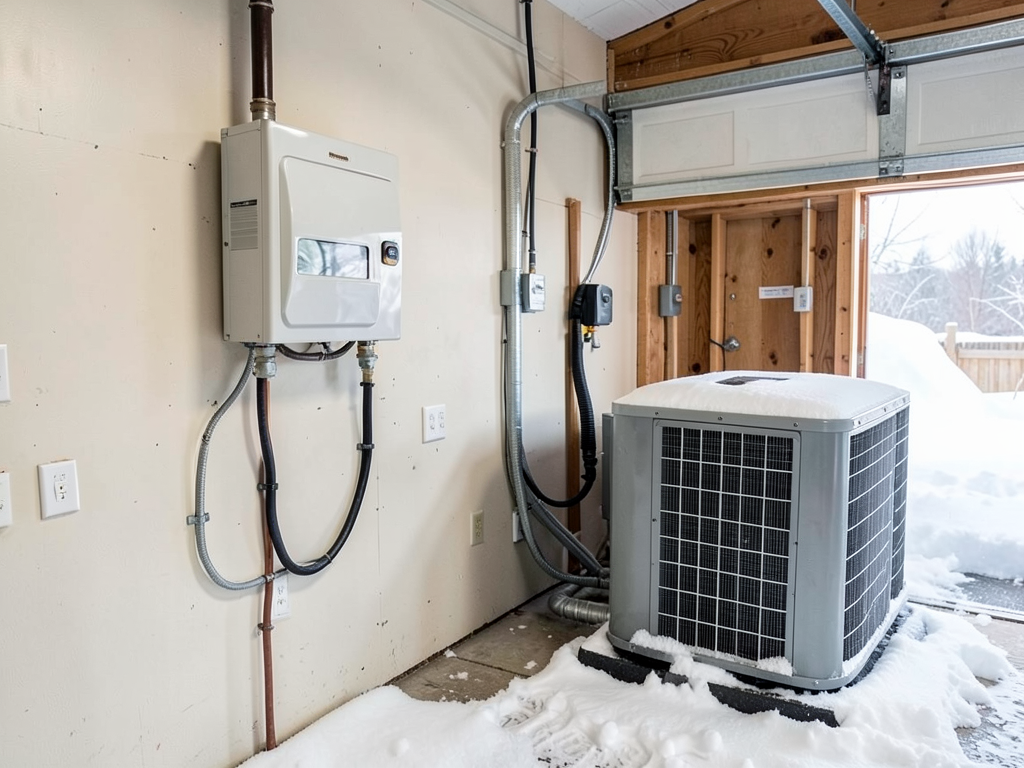
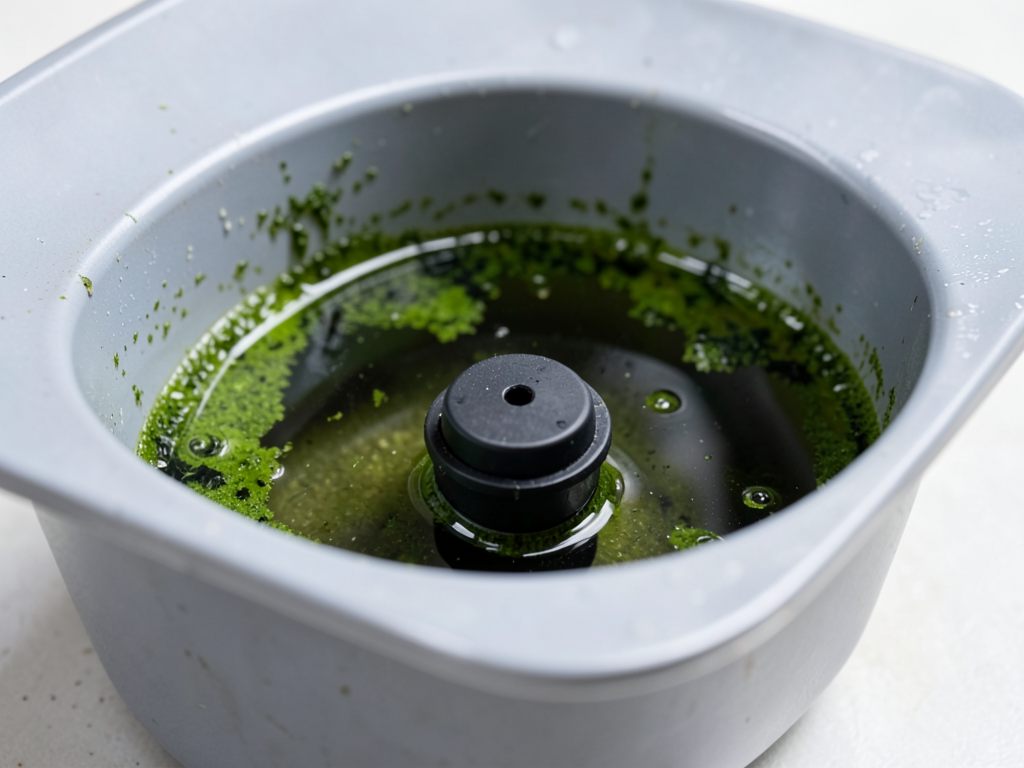
Cleveland industrial facilities drawing cooling water from Lake Erie or city water sources face accelerated condenser fouling from calcium carbonate, magnesium, and biological growth. Lake Erie water contains 120 to 180 parts per million dissolved solids that precipitate on heat transfer surfaces when heated. Without water treatment and regular tube cleaning, condensers lose 30 percent efficiency within 18 months. This forces chillers to run longer cycles, increases energy costs, and accelerates compressor wear. Cleveland facilities using untreated water for chiller condensers require tube cleaning every six months compared to annual cleaning for treated systems.
Industrial cooling system services in Cleveland must account for local building stock, utility infrastructure, and environmental regulations specific to Cuyahoga County. Many manufacturing facilities operate in buildings constructed before modern efficiency standards, which means cooling systems work harder to maintain process temperatures. Understanding Cleveland's electrical service characteristics, water quality parameters, and seasonal temperature patterns allows us to recommend maintenance intervals and system modifications that match local operating conditions. This local expertise reduces service costs and prevents problems that generic service approaches miss.