Menu

Furnace Pilot Light Issues in Cleveland | Expert Diagnosis and Repair of Ignition Failures

When your gas furnace pilot light keeps going out or won't stay lit, you need accurate diagnosis of thermocouple failure, gas valve problems, and draft issues specific to Cleveland's climate and older housing stock.

Slider Image 1
Slider Image 2
Slider Image 3
Slider Image 4
Slider Image 5
Slider Image 7
Slider Image 8
Slider Image 9
Slider Image 10
Slider Image 11

Why Pilot Lights Fail More Often in Cleveland Homes

Your furnace pilot light went out again. You relight it, and within hours it dies. This cycle frustrates homeowners across Cleveland, especially in neighborhoods like Ohio City and Tremont where homes were built between 1900 and 1950.

Cleveland's湿cold, damp winters create specific pilot light problems. When outside temperatures drop below 20 degrees, negative air pressure inside older homes pulls drafts down chimneys and furnace flues. This extinguishes pilot flames. The issue compounds in basements with poor ventilation or high humidity from Lake Erie's moisture.

Gas furnace pilot light malfunction stems from three core causes. The thermocouple wears out and stops sensing flame properly. The gas valve gets dirty or fails to maintain correct pressure. Or the pilot orifice clogs with debris. In Cleveland's aging housing stock, we see corroded thermocouples more than anywhere else because basement moisture accelerates metal degradation.

When your pilot light won't stay lit, you lose heat fast. A standing pilot that keeps going out signals danger beyond just comfort. Incomplete combustion creates carbon monoxide risk. Gas buildup poses explosion hazards. Every time you smell gas near your furnace, you face a real threat.

Most Cleveland homes use natural gas systems with standing pilots. These older designs require constant flame to heat the thermocouple, which then signals the gas valve to stay open. When any component in this chain fails, the safety system shuts down. You cannot bypass these failures safely. The furnace needs professional diagnosis to identify which part actually failed and why it keeps happening.

Why Pilot Lights Fail More Often in Cleveland Homes
How We Diagnose and Fix Pilot Light Problems Correctly

How We Diagnose and Fix Pilot Light Problems Correctly

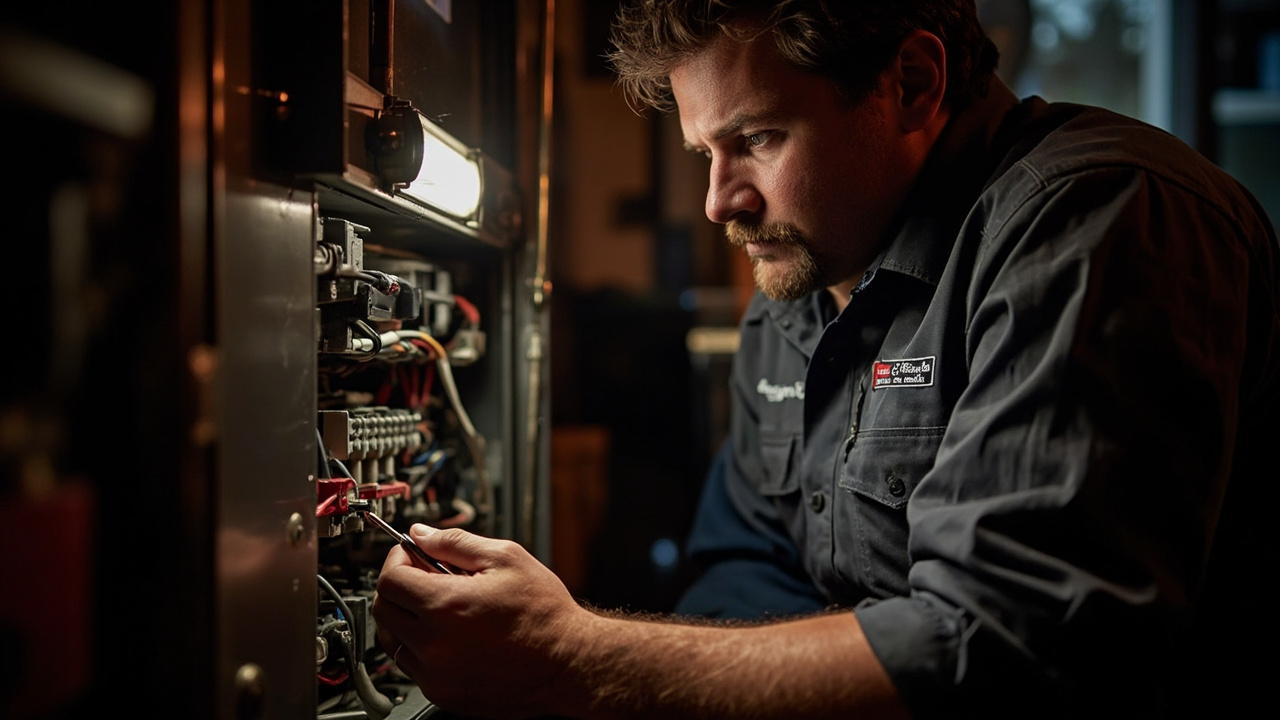
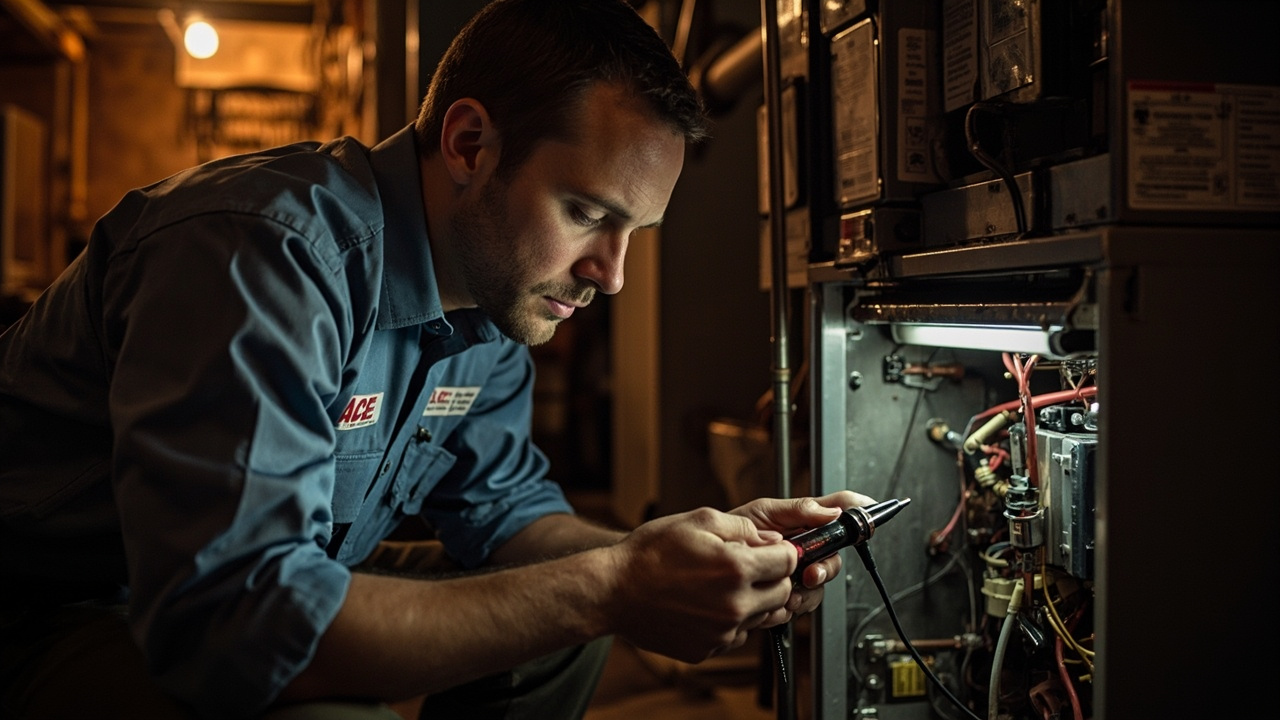
We do not guess. When you call about a pilot light that keeps going out, we test the entire ignition assembly with calibrated instruments.

First, we measure thermocouple voltage output with a multimeter. A functioning thermocouple generates 25 to 35 millivolts when heated. Below 20 millivolts, the gas valve cannot hold open reliably. We replace thermocouples that fall outside specification, not just ones that look corroded.

Second, we test gas pressure at the valve and at the pilot orifice. Natural gas should flow at 3.5 inches of water column for residential furnaces. Low pressure means the utility company has issues or your gas line has restrictions. High pressure causes flame distortion and thermocouple positioning problems. We adjust regulators or report utility problems to Columbia Gas.

Third, we inspect draft conditions. Cleveland's older homes often have furnaces sharing chimney flues with water heaters. When both appliances vent through the same flue, backdrafts happen. We use smoke pencils to visualize air movement and check for negative pressure pulling combustion air down the flue instead of up and out.

For gas furnace pilot light malfunctions, we clean pilot assemblies completely. Carbon buildup on the pilot orifice restricts gas flow and creates weak, yellow flames instead of strong blue ones. We remove the pilot hood, soak components in solvent, and use fine wire to clear orifices. This level of cleaning prevents repeat failures.

We also check flame sensor positioning. The thermocouple tip must sit in the hottest part of the pilot flame. If mounting brackets loosen or someone bumped the assembly, the sensor reads cooler temperatures and shuts off gas flow prematurely.

What Happens During a Pilot Light Service Call

Furnace Pilot Light Issues in Cleveland | Expert Diagnosis and Repair of Ignition Failures
01

Safety Check and Diagnosis

We arrive and immediately check for gas leaks using electronic detectors, not just smell. Before touching any components, we verify the gas valve closes completely and test carbon monoxide levels in your basement. Only after confirming safe conditions do we begin diagnostics. We document thermocouple voltage, gas pressure readings, and flame characteristics before making any repairs.
02

Component Testing and Repair

We isolate the failed component through elimination testing. If the thermocouple tests good but the pilot still dies, we replace the gas valve. If pressure is correct but flame quality is poor, we clean or replace the pilot assembly. We carry thermocouples, gas valves, and pilot assemblies on every truck so repairs finish same-day. Each replacement part gets tested for proper voltage output and flame stability before we leave.
03

Verification and Prevention Plan

After repairs, we monitor the pilot light through multiple heating cycles to confirm it stays lit under load. We check for flame rollout, verify proper venting, and ensure the thermocouple holds voltage above 25 millivolts consistently. You get a written report showing before and after readings, plus specific recommendations to prevent future pilot light problems based on your furnace age and basement conditions.

Why Cleveland Homeowners Choose Local HVAC Expertise

Cleveland's housing creates unique furnace challenges that national companies miss. We work in Slavic Village bungalows with coal-converted furnaces, Shaker Heights colonials with original 1960s gas systems, and Brooklyn Centre shotgun houses with undersized flues. This experience matters when your pilot light won't stay lit.

Ace HVAC Cleveland understands local building patterns. Most Cleveland homes built before 1970 have furnaces in basements with stone foundations. These spaces stay damp year-round. Moisture corrodes thermocouples faster than in newer homes with sealed crawl spaces. We stock extra thermocouples specifically for older Lennox and Rheem systems common in Cleveland installations from the 1970s and 1980s.

We know Cleveland's gas infrastructure too. Columbia Gas serves most of the city, but pocket areas still use propane. Pilot light adjustments differ between natural gas and propane. Natural gas burns at different temperatures and requires different orifice sizes. We carry parts for both fuel types and adjust gas pressure correctly based on what actually feeds your home.

Local building codes also affect repairs. Cuyahoga County requires specific venting standards for basement furnaces. When we find draft problems causing your pilot to go out, we know exactly what the building department requires for fixes. We pull permits when needed and handle inspections. Out-of-town companies often skip this step and leave you liable.

You also get faster response from a local company. When your pilot light keeps going out on a January night and temperatures drop to 5 degrees, you cannot wait two days for a national chain to route a technician. We dispatch from Parma and reach most Cleveland neighborhoods within 90 minutes.

What to Expect When You Call About Pilot Light Problems

Response Time and Availability

We answer phones from 7 AM to 9 PM daily, including weekends. Emergency calls get priority dispatch when you have no heat. Most Cleveland service calls get same-day or next-day scheduling. Our average response time for pilot light issues is under two hours during business hours. For emergencies where you smell gas or have no heat below 40 degrees outside, we aim for 90-minute response. You get a text with your technician's name, photo, and estimated arrival time within 15 minutes of booking.

Diagnostic Process and Pricing

You pay a flat diagnostic fee that covers the service call and testing. This fee applies toward repair costs if you proceed with our recommended fix. Before any work begins, you get a written quote breaking down parts and labor. We explain exactly what failed, why it failed, and what happens if you delay repairs. No surprise charges appear on your invoice. If we find multiple problems, we prioritize them by safety risk and cost, then let you decide how to proceed based on your budget.

Quality of Repairs and Parts

We use OEM thermocouples and gas valves whenever possible. For discontinued models, we source universal parts that match or exceed original specifications. Every thermocouple we install gets bench-tested before installation to verify it generates proper voltage. Gas valves get leak-tested with soap solution at all connections. We do not leave your home until the pilot stays lit through at least three complete furnace cycles, and we verify proper flame color and shape. You get photos of the old parts showing why they failed.

Parts Warranty and Ongoing Support

Parts carry manufacturer warranties ranging from one to five years depending on the component. Our labor is backed for one full heating season. If the same problem recurs within that timeframe, we return at no charge to diagnose why. We also offer annual maintenance plans that include pilot assembly cleaning, thermocouple testing, and gas pressure verification. Plan members get priority scheduling and discounted rates on future repairs. You receive service records digitally so you have documentation of all work performed on your system.

Frequently Asked Questions

You Have Questions,
We Have Answers

Why is my furnace pilot light not igniting? +

Your furnace pilot light fails to ignite when the thermocouple is faulty, the gas valve is closed, or debris blocks the pilot orifice. Cleveland homes face frequent cycling during unpredictable weather shifts, which stresses ignition components. Check that your gas supply valve is fully open. Inspect the pilot orifice for dust or corrosion. If the thermocouple does not sense heat properly, it shuts off gas flow as a safety measure. Drafts from older homes in neighborhoods like Ohio City can also extinguish the flame. Turn off the gas, wait five minutes, and attempt relighting following your manual's instructions.

What are the common causes of pilot light issues? +

Pilot light problems stem from a dirty thermocouple, faulty gas valve, clogged pilot orifice, or broken igniter. Cleveland's humidity can corrode thermocouples over time, reducing their ability to sense flame. Dust buildup from Lake Erie moisture clogs the pilot opening, restricting gas flow. Draft issues in older brick homes near Tremont can blow out the flame repeatedly. A malfunctioning gas valve prevents proper fuel delivery. Power surges during winter storms damage electronic igniters in newer furnaces. Regular maintenance prevents most issues, but component failure requires professional diagnosis and replacement.

What are the symptoms of a bad igniter on a furnace? +

A failing furnace igniter shows visible cracks, glows weakly or unevenly, or does not glow at all when the thermostat calls for heat. You may hear the gas valve click open, but the burner does not light. The igniter should glow bright orange or white within seconds. If it stays dim or cracks appear on the ceramic surface, replacement is necessary. Cleveland homes with hard water often experience mineral deposits that weaken igniters faster. Frequent cycling from fluctuating temperatures shortens igniter lifespan. A faulty igniter prevents your furnace from heating, leaving you cold during harsh winters.

Why do I have to keep relighting my pilot light? +

You keep relighting your pilot light because the thermocouple is failing, drafts extinguish the flame, or the gas pressure is inconsistent. Cleveland homes near the lake experience strong wind gusts that create backdrafts through venting systems, blowing out pilots. A bent or corroded thermocouple loses its ability to hold the gas valve open. Low gas pressure from main line issues causes weak flames that extinguish easily. Dirt in the pilot assembly restricts fuel flow. If you relight more than twice in a week, call a technician to diagnose the root cause before carbon monoxide risks develop.

What to do if the pilot light won't relight? +

If your pilot light will not relight, turn off the gas valve immediately and wait ten minutes for any accumulated gas to dissipate. Ensure the thermostat is set to heat mode and above room temperature. Check that the gas supply valve to your furnace is fully open. Inspect the pilot orifice for blockages using compressed air, never a pin or wire that can damage the opening. Verify the thermocouple is positioned in the flame path. If the pilot still will not stay lit after three attempts, shut off the gas and call a qualified technician to prevent gas leaks or carbon monoxide hazards.

How do I know if my thermocouple is bad? +

A bad thermocouple shows visible corrosion, does not hold the gas valve open when heated, or has a bent tip that sits outside the pilot flame. Test it by holding the pilot button down for 60 seconds after lighting. If the pilot goes out immediately when you release the button, the thermocouple is not generating enough voltage. Cleveland's humid climate accelerates corrosion on older thermocouples. You may see white or green buildup on the sensor tip. The connection nut may also be loose, preventing proper electrical contact. Replacement is straightforward and restores reliable pilot operation.

How to clean a pilot light thermocouple? +

Turn off the gas supply and let the furnace cool completely. Remove the thermocouple by unscrewing the connection nut at the gas valve. Use fine-grit sandpaper or steel wool to gently remove corrosion and carbon buildup from the sensor tip. Do not use chemical cleaners or excessive force that can damage the metal. Wipe clean with a dry cloth. Check that the tip is straight and positioned to sit directly in the pilot flame. Reattach the thermocouple, ensuring the connection is snug but not overtightened. Restore gas and relight the pilot following manufacturer instructions.

Is it expensive to repair a pilot light? +

Pilot light repairs typically cost between the price of a service call and component replacement. A simple cleaning or thermocouple replacement is affordable compared to igniter or gas valve work. Cleveland technicians charge standard diagnostic fees, which apply toward the repair. Thermocouple replacement is quick and inexpensive. Electronic igniter replacement costs more due to parts and labor. Gas valve replacement represents the higher end of repair costs. Postponing repairs risks carbon monoxide exposure and higher heating bills from inefficient operation. Annual furnace maintenance prevents most pilot light issues and extends equipment life, saving money long term.

How to tell if your pilot light is bad? +

A bad pilot light flame is yellow or orange instead of steady blue, flickers constantly, or goes out frequently. The flame should wrap around the thermocouple tip in a consistent blue cone. Yellow flames indicate incomplete combustion from dirt buildup or insufficient air supply, which produces carbon monoxide. A weak or inconsistent flame suggests low gas pressure or a clogged orifice. If the pilot will not stay lit after releasing the control knob, the thermocouple is failing. Cleveland humidity accelerates component wear. Any unusual flame color or behavior requires immediate professional attention to prevent safety hazards.

What is the life expectancy of a furnace igniter? +

Furnace igniters last three to seven years on average, depending on usage frequency and cycling patterns. Cleveland winters require heavy furnace use, which shortens igniter lifespan compared to milder climates. Ceramic hot surface igniters crack from repeated heating and cooling cycles. Silicon carbide igniters are more durable but still degrade over time. Furnaces that short cycle due to oversizing or thermostat issues wear out igniters faster. Voltage fluctuations from electrical storms can damage electronic components. Regular maintenance identifies weak igniters before they fail completely. Replacing an igniter proactively during tune-ups prevents mid-winter breakdowns when you need heat most.

How Cleveland's Lake Effect Humidity Accelerates Thermocouple Failure

Cleveland sits 14 miles from Lake Erie, and that proximity creates basement humidity levels that destroy thermocouples faster than in inland cities. Lake effect moisture keeps Cleveland basements damp from October through April, even with dehumidifiers running. This constant dampness corrodes the copper-constantan junction inside thermocouples, reducing voltage output until the gas valve can no longer stay energized. Homes in Lakewood, Edgewater, and Euclid near the shoreline see thermocouple replacement needs every four to six years instead of the typical eight to ten. When your pilot light keeps going out repeatedly despite relighting, corroded thermocouple junctions are the likely cause, not gas pressure or draft issues.

Ace HVAC Cleveland has worked on furnaces in every Cleveland neighborhood since we opened. We understand how Slavic Village's older housing stock differs from Kamm's Corners post-war builds, and how that affects pilot light reliability. We stock parts for the Lennox G14 furnaces installed across Cleveland in the 1970s, the Bryant Plus 80 models popular in 1980s installations, and the Carrier 58M furnaces common in 1990s builds. When you call a national company, they order parts after diagnosing your system. We arrive with the parts already on the truck because we know what Cleveland homes need. That local knowledge means your heat gets restored today, not three days from now when parts ship from a warehouse in another state.
HVAC Services in The Cleveland Area

We are proud to serve the entire Cleveland area, and our service network extends to all surrounding communities. Our centrally located office allows us to dispatch our expert technicians quickly and efficiently to your home or business, ensuring fast response times for all your heating and cooling needs. We invite you to view our service area on the map to see if we can bring our trusted services right to your doorstep. Don't hesitate to reach out to us today to confirm if your location is within our coverage zone.

Address:
Ace HVAC Cleveland, 3095 W 25th St, Cleveland, OH, 44113

Additional Services We Offer

Our news updates

Latest Articles & News from The Blogs

How to stop indoor pool humidity from damaging your Bentleyville home If you own a luxury home with an indoor…

How to stop indoor pool humidity from damaging your Bentleyville home

How to stop indoor pool humidity from damaging your Bentleyville home If you own a luxury home with an indoor…

The best ways to heat a detached garage workshop in Middleburg Heights

The best ways to heat a detached garage workshop in Middleburg Heights Heating a detached garage workshop in Middleburg Heights…

Upgrading your PTAC wall unit in a Gold Coast condo for better efficiency

Upgrading your PTAC wall unit in a Gold Coast condo for better efficiency Living in a Gold Coast condo means…

Contact Us

Do not relight your pilot again just to have it die overnight. Call (216) 530-9077 now for same-day diagnosis and repair. We carry parts for every furnace model common in Cleveland homes and fix pilot light problems permanently, not temporarily.