
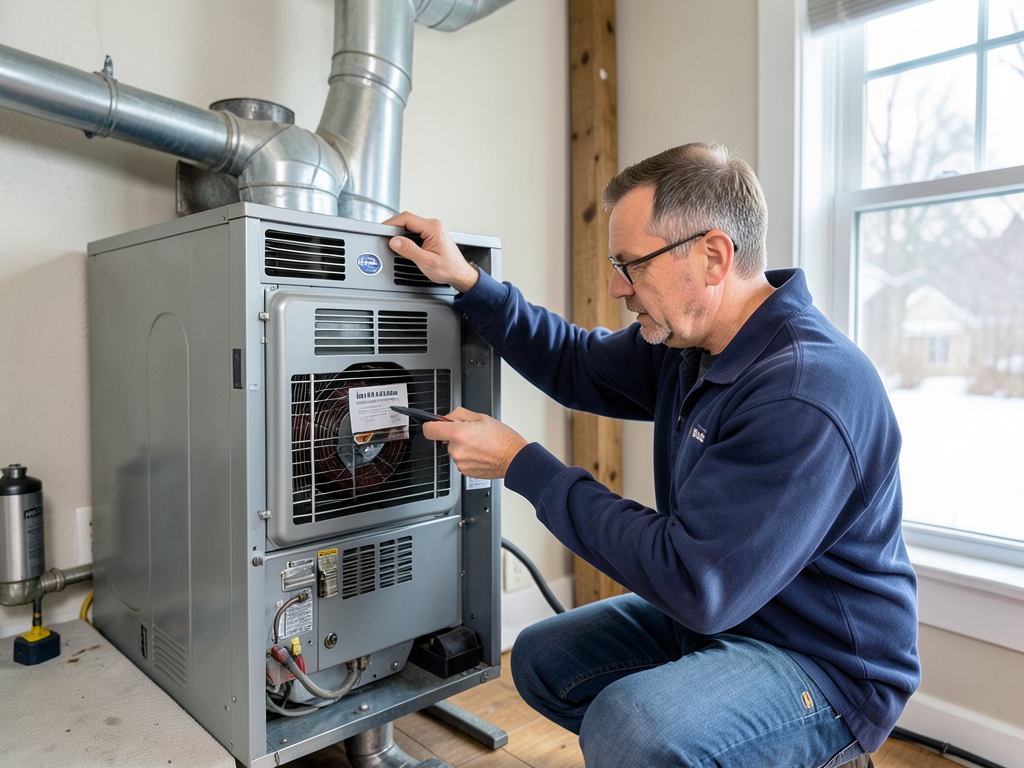
Heading south for the winter and leaving your Cleveland home empty can save you money on heating bills but creates serious risks if your HVAC system isn’t properly prepared. The combination of Cleveland’s sub-zero temperatures, lake-effect snow, and freeze-thaw cycles means a single furnace failure could result in burst pipes, water damage, and thousands in repairs while you’re hundreds of miles away. EPA guidelines for HVAC maintenance.
The good news is that with the right preparation, you can protect your home and HVAC system for the months you’re gone. This guide walks you through the exact steps to set your system, what temperature to maintain, how to handle humidity, and when to call a professional for a proper winterization service. We’ll cover everything from thermostat programming to outdoor unit protection so you can enjoy your winter getaway without worrying about coming home to a disaster. How Much Does a New Central Air System Cost in Northeast Ohio?.
Why Cleveland Snowbirds Need Special HVAC Preparation
Cleveland’s winter climate creates unique challenges for vacant homes. The average winter in Cuyahoga County includes 20-25 days below 10°F and multiple heavy lake-effect snow events that can dump several feet of snow in just a few hours. When your home sits empty, the normal heat cycling that keeps pipes warm stops happening, and the risk of freeze damage increases dramatically.
Beyond temperature concerns, Cleveland’s high humidity levels from Lake Erie combined with winter dryness create the perfect conditions for wood floor cracking, mold growth in basements, and HVAC system corrosion. A properly winterized system maintains the delicate balance between preventing frozen pipes and avoiding moisture damage to your home’s structure and contents.
Many Cleveland homeowners make the mistake of simply turning their thermostat down to 50°F and leaving, but this approach often fails when temperatures drop into the single digits or when the furnace experiences an unexpected failure. The cost of a professional winterization service is minimal compared to the potential damage from a burst pipe or failed heating system. Replacing an Old Furnace in a Historic Shaker Heights Home.
The Golden Temperature Setting for Cleveland Homes
The optimal thermostat setting for a vacant Cleveland home is between 55-58°F. This temperature range provides enough heat to prevent pipe freezing while significantly reducing energy costs compared to maintaining a normal 68-72°F setting. The exact temperature within this range depends on your home’s insulation quality, the location of your plumbing, and whether you have a smart thermostat with remote monitoring capabilities.
Homes with older plumbing or those located in areas with known cold spots may need to set the thermostat at 58°F for added protection. Modern, well-insulated homes in newer developments might safely use 55°F. The key is understanding that pipes in exterior walls, attics, and basements are most vulnerable to freezing, and these areas need consistent heat even when the main living spaces could technically be colder.
Smart thermostats offer significant advantages for snowbirds. Models like the Nest Learning Thermostat or Ecobee SmartThermostat allow you to monitor your home’s temperature remotely and receive alerts if temperatures drop below your set threshold. This early warning system can prevent major damage by alerting you to furnace failures or power outages before pipes freeze. Some smart thermostats also integrate with home automation systems to control humidifiers and provide energy usage reports.
Call (216) 530-9077 today to schedule your professional winterization service before you leave for Florida.
Managing Humidity in Your Vacant Cleveland Home
Humidity control becomes critical when your Cleveland home sits empty during winter months. The city’s proximity to Lake Erie means indoor humidity levels can swing dramatically between the wet fall season and the dry winter months. When you’re away, these fluctuations can cause serious damage to wood floors, musical instruments, artwork, and even the structural integrity of your home.
Whole-home humidifiers need specific adjustment for vacant homes. During normal occupancy, many Cleveland homeowners run their humidifiers at 30-40% to combat winter dryness. For an empty home, this setting should be reduced to 20-25% to prevent excess moisture that could lead to mold growth in basements and crawl spaces. The lower humidity also reduces the workload on your furnace and prevents condensation on windows that could damage wooden frames.
Dehumidifiers become essential for Cleveland basements during winter vacancy. Even with the furnace running, basements can accumulate moisture from ground water and temperature differentials. A properly sized dehumidifier set to maintain 40-50% relative humidity will prevent musty odors, mold growth, and the corrosion of HVAC components stored in basement mechanical rooms.
Air quality also deteriorates in vacant homes. Without regular air circulation from occupancy, dust settles and can accumulate in HVAC systems. Changing your air filter to a high-quality MERV 8-11 filter before leaving provides better protection against dust and allergens during your absence. Some homeowners also consider installing UV light systems in their ductwork to prevent mold and bacteria growth during extended vacancy periods.
Protecting Your Outdoor HVAC Equipment
Cleveland’s heavy snowfall and ice storms create specific risks for outdoor HVAC equipment. Heat pumps and air conditioning condensers need different approaches to winter protection. Heat pumps should remain uncovered since they operate year-round and need to access outdoor air. However, you should clear snow from around the unit regularly and ensure the defrost cycle functions properly.
Air conditioning condensers that won’t be used during your absence can be covered with breathable, weather-resistant covers designed specifically for HVAC equipment. Avoid using plastic tarps or non-breathable materials that trap moisture and can cause rust and corrosion. The cover should fit snugly but allow some air circulation to prevent condensation buildup.
Ice and snow accumulation around outdoor units can cause serious problems. Heavy snow can bend fan blades, damage coils, and even cause units to shift on their pads. Before leaving, clear all debris from around outdoor units and trim back any tree branches that could break under ice weight and damage equipment. Consider installing protective barriers or screens if your home is in an area prone to drifting snow.
Pipe insulation becomes critical for any exposed refrigerant lines or condensate drain pipes. Use foam insulation rated for outdoor use and ensure all joints are properly sealed. In Cleveland’s climate, even small gaps in insulation can allow enough cold air infiltration to cause freezing and cracking of pipes.
The Plumbing-HVAC Connection: Preventing Frozen Pipes
Your furnace and plumbing systems work together to prevent freeze damage, and understanding this relationship is crucial for snowbird preparation. The furnace keeps the air warm, but pipes in exterior walls, attics, and basements need direct heat to prevent freezing. A failed furnace means frozen pipes within hours when temperatures drop below 20°F.
Identify your home’s most vulnerable plumbing areas before leaving. Pipes in unheated crawl spaces, exterior wall cavities, and attic plumbing runs are at highest risk. Open cabinet doors under sinks on exterior walls to allow warm air circulation. If you have a home with a history of frozen pipes, consider installing electric heat tape on the most vulnerable runs.
Water shut-off valves deserve special attention. Locate your main water shut-off valve and ensure it operates smoothly. Consider shutting off the water supply completely if you’ll be gone for more than a month, but only if you’re comfortable with the implications. Shutting off water means your sprinkler system, ice maker, and other water-dependent appliances won’t function when you return.
Drain traps in floor drains and unused plumbing fixtures can dry out during extended vacancy, allowing sewer gases to enter your home. Pour mineral oil or non-toxic antifreeze into these traps before leaving. This simple step prevents unpleasant odors and maintains the water seal that blocks gas infiltration.
Smart Technology for Peace of Mind
Modern smart home technology provides unprecedented protection for snowbirds. Wi-Fi enabled thermostats with freeze alerts can notify you instantly if your home’s temperature drops below your set threshold. Many systems also monitor humidity levels and can alert you to conditions that might promote mold growth or cause wood damage.
Security cameras with temperature sensors add another layer of protection. Position cameras to monitor your furnace room, basement, and any areas with vulnerable plumbing. Many modern systems allow you to check live video feeds from your smartphone and receive alerts for unusual activity or temperature changes.
Smart water sensors placed near water heaters, under sinks, and in basements can detect leaks before they cause major damage. These battery-powered devices send alerts to your phone when they detect moisture, allowing you to contact a local plumber or neighbor even while you’re in Florida. Fast and Local AC Repair Services in Solon and Surrounding Areas.
Whole-home automation systems can integrate all these functions. Systems like Control4 or Crestron allow you to monitor and control your HVAC, security, and water systems from a single app. While the initial investment is significant, the peace of mind for frequent travelers often justifies the cost.
Professional Winterization Services: What to Expect
A professional HVAC winterization service includes inspections and adjustments that most homeowners miss. Licensed technicians check heat exchanger integrity, test ignition systems, and verify that all safety controls function properly. They also inspect condensate drain lines for clogs that could cause water damage when the system cycles on and off.
Professional services typically include cleaning or replacing air filters, checking refrigerant levels in heat pumps, and testing all electrical connections. Technicians also verify that your thermostat communicates properly with your HVAC system and that all zoning controls function correctly. This comprehensive approach identifies potential failure points before they cause problems while you’re away.
Many Cleveland HVAC companies offer specific snowbird packages that include monthly check-ins during your absence. These services might include temperature verification, visual inspections of outdoor equipment, and emergency response if problems are detected. The cost of these services is minimal compared to emergency repairs or water damage restoration.
When selecting a winterization service, verify that the company is licensed in Cuyahoga County and carries proper insurance. Ask about their emergency response procedures and whether they have technicians available 24/7. A reputable company will provide a written checklist of what they’ll inspect and what actions they’ll take if problems arise.
Emergency Protocols While You’re Away
Despite the best preparation, emergencies can still occur. Having a clear action plan saves valuable time when problems arise. Start by designating a trusted local contact who can access your home if needed. This might be a neighbor, family member, or property manager who lives within 30 minutes of your Cleveland home.
Provide your emergency contact with keys, alarm codes, and contact information for your HVAC company. Many Cleveland homeowners also give their HVAC company a key and written authorization to enter the property if temperature alerts trigger. This arrangement allows for immediate response without waiting for you to travel back to Ohio.
Keep important phone numbers readily accessible. Program your HVAC company’s emergency number into your phone and ensure your emergency contact has it as well. Many Cleveland HVAC companies maintain after-hours emergency services specifically for snowbird clients, understanding that problems don’t wait for regular business hours.
Consider installing a whole-home generator if your area experiences frequent winter power outages. While expensive, a generator can keep your furnace running during extended outages, preventing the frozen pipe scenario that causes the most damage. Modern standby generators automatically activate when power fails and can run for days on natural gas supply.
Cost-Benefit Analysis of Winterization
The cost of professional HVAC winterization typically ranges from $150-300 in the Cleveland area, depending on your system’s complexity and the specific services included. Compare this to the potential costs of emergency repairs: a furnace replacement can cost $3,000-7,000, while water damage from burst pipes often exceeds $10,000 when you factor in structural repairs, mold remediation, and damaged personal property.
Energy savings from proper thermostat settings often offset the winterization cost within the first winter. Setting your thermostat from 68°F to 55°F can reduce heating costs by 15-20%, potentially saving $300-500 over a four-month winter season. When you factor in the risk reduction and potential energy savings, professional winterization becomes a clear financial decision.
Insurance considerations also matter. Some insurance policies offer premium discounts for homes with monitored security and HVAC systems. Others may deny claims if they determine that proper winterization procedures weren’t followed. Check with your insurance provider about their requirements for vacant home coverage and whether they offer discounts for smart home monitoring systems.
Final Pre-Departure Checklist
Before leaving for your winter getaway, complete this comprehensive checklist to ensure your home and HVAC system are properly protected. Start preparations at least one week before departure to allow time for any necessary repairs or adjustments.
Begin with your HVAC system. Schedule a professional inspection and cleaning if you haven’t had service in the past year. Replace air filters with high-quality MERV 8-11 filters. Test your thermostat’s programming and verify that all heating zones function properly. If you have a humidifier, clean it thoroughly and adjust settings for vacancy.
Address plumbing concerns by insulating any exposed pipes in unheated areas. Check that all exterior hose bibs are properly shut off and drained. Test your sump pump if you have a basement, and consider installing a battery backup system for added protection during power outages.
Secure your home by setting programmable thermostats, testing smoke and carbon monoxide detectors, and ensuring all windows and doors seal properly. If you have a fireplace, close the damper to prevent drafts and heat loss. Consider installing temporary insulation panels in windows that receive direct cold air.
Set up your monitoring systems by installing smart thermostats, water sensors, and security cameras if you haven’t already. Test all devices to ensure they communicate properly with your smartphone apps. Share access with your emergency contact and verify that all alert notifications are properly configured.
Don’t wait until the last minute. Call (216) 530-9077 now to schedule your professional winterization service and protect your Cleveland home while you’re away.
Frequently Asked Questions
What temperature should I set my thermostat to while I’m in Florida?
Set your thermostat between 55-58°F for optimal protection. This temperature prevents pipe freezing while saving energy compared to normal living temperatures. Homes with poor insulation or vulnerable plumbing may need 58°F for added safety.
How much does professional HVAC winterization cost in Cleveland?
Professional winterization services typically cost $150-300 in the Cleveland area. This includes system inspection, filter replacement, safety checks, and specific adjustments for vacant homes. Some companies offer monthly monitoring packages for an additional fee.
Should I shut off my water completely while I’m away?
Shutting off water prevents major damage from burst pipes but means your sprinkler system and ice maker won’t function when you return. If you choose this option, also drain your plumbing system and add antifreeze to drain traps to prevent sewer gas infiltration.
Do I need to cover my outdoor AC unit?
Heat pumps should remain uncovered since they operate year-round. Air conditioning condensers that won’t be used can be covered with breathable, weather-resistant covers. Never use plastic tarps that trap moisture and cause corrosion.
What happens if my furnace fails while I’m in Florida?
With proper preparation, a smart thermostat will alert you immediately if temperatures drop below your set threshold. Your emergency contact can then check the home or contact your HVAC company for emergency service. Many Cleveland companies offer 24/7 snowbird emergency response.
How do I prevent mold growth in my vacant home?
Set your whole-home humidifier to 20-25% for vacancy, use dehumidifiers in basements, and maintain proper air circulation with your furnace. Install UV light systems in ductwork if you’re particularly concerned about mold growth during extended vacancy. For more information, visit Department of Energy heating system efficiency.
{
“@context”: “https://schema.org”,
“@type”: “BlogPosting”,
“headline”: “How to set your HVAC system before heading south for a Cleveland winter”,
“description”: “Protect your Cleveland home from frozen pipes and costly HVAC damage with our expert winterization guide for snowbirds. Learn the exact thermostat settings, humidifier adjustments, and smart tech to use while you’re away.”,
“wordCount”: 2614,
“datePublished”: “2026-06-01T15:53:00.000Z”,
“dateModified”: “2026-06-01T15:53:00.000Z”,
“inLanguage”: “en-US”,
“mainEntityOfPage”: {
“@type”: “WebPage”,
“@id”: “https://acehvaccleveland.com”
},
“publisher”: {
“@type”: “LocalBusiness”,
“name”: “Ace HVAC Cleveland”,
“url”: “https://acehvaccleveland.com”
},
“author”: {
“@type”: “Organization”,
“name”: “Ace HVAC Cleveland”,
“url”: “https://acehvaccleveland.com”
},
“image”: {
“@type”: “ImageObject”,
“url”: “https://acehvaccleveland.com/wp-content/uploads/2026/03/how-to-set-your-hvac-system-before-heading-south-f-1.png”
}
}
{
“@context”: “https://schema.org”,
“@type”: “HVACBusiness”,
“name”: “Ace HVAC Cleveland”,
“url”: “https://acehvaccleveland.com”,
“address”: {
“@type”: “PostalAddress”,
“addressLocality”: “Cleveland”
},
“areaServed”: {
“@type”: “City”,
“name”: “Cleveland”
}
}
{
“@context”: “https://schema.org”,
“@type”: “FAQPage”,
“mainEntity”: [
{
“@type”: “Question”,
“name”: “How much does professional HVAC winterization cost in Cleveland?”,
“acceptedAnswer”: {
“@type”: “Answer”,
“text”: “Professional winterization services typically cost $150-300 in the Cleveland area. This includes system inspection, filter replacement, safety checks, and specific adjustments for vacant homes. Some companies offer monthly monitoring packages for an additional fee.”
}
},
{
“@type”: “Question”,
“name”: “Should I shut off my water completely while I’m away?”,
“acceptedAnswer”: {
“@type”: “Answer”,
“text”: “Shutting off water prevents major damage from burst pipes but means your sprinkler system and ice maker won’t function when you return. If you choose this option, also drain your plumbing system and add antifreeze to drain traps to prevent sewer gas infiltration.”
}
},
{
“@type”: “Question”,
“name”: “Do I need to cover my outdoor AC unit?”,
“acceptedAnswer”: {
“@type”: “Answer”,
“text”: “Heat pumps should remain uncovered since they operate year-round. Air conditioning condensers that won’t be used can be covered with breathable, weather-resistant covers. Never use plastic tarps that trap moisture and cause corrosion.”
}
},
{
“@type”: “Question”,
“name”: “What happens if my furnace fails while I’m in Florida?”,
“acceptedAnswer”: {
“@type”: “Answer”,
“text”: “With proper preparation, a smart thermostat will alert you immediately if temperatures drop below your set threshold. Your emergency contact can then check the home or contact your HVAC company for emergency service. Many Cleveland companies offer 24/7 snowbird emergency response.”
}
},
{
“@type”: “Question”,
“name”: “How do I prevent mold growth in my vacant home?”,
“acceptedAnswer”: {
“@type”: “Answer”,
“text”: “Set your whole-home humidifier to 20-25% for vacancy, use dehumidifiers in basements, and maintain proper air circulation with your furnace. Install UV light systems in ductwork if you’re particularly concerned about mold growth during extended vacancy. For more information, visit Department of Energy heating system efficiency.”
}
}
]
}
{
“@context”: “https://schema.org”,
“@type”: “BreadcrumbList”,
“itemListElement”: [
{
“@type”: “ListItem”,
“position”: 1,
“name”: “Home”,
“item”: “https://acehvaccleveland.com”
},
{
“@type”: “ListItem”,
“position”: 2,
“name”: “Blog”,
“item”: “https://acehvaccleveland.com/blog”
},
{
“@type”: “ListItem”,
“position”: 3,
“name”: “How to set your HVAC system before heading south for a Cleveland winter”
}
]
}
{
“@context”: “https://schema.org”,
“@type”: “Service”,
“serviceType”: “HVAC”,
“provider”: {
“@type”: “LocalBusiness”,
“name”: “Ace HVAC Cleveland”,
“url”: “https://acehvaccleveland.com”
},
“areaServed”: {
“@type”: “City”,
“name”: “Cleveland”
},
“description”: “Protect your Cleveland home from frozen pipes and costly HVAC damage with our expert winterization guide for snowbirds. Learn the exact thermostat settings, humidifier adjustments, and smart tech to use while you’re away.”
}