

Menu

Ductless Mini-Split Systems in Cleveland – Year-Round Comfort Without Ductwork or High Energy Bills

United HVAC Kansas City installs ductless mini-split systems engineered for Cleveland's humid summers and cold winters, delivering zone-by-zone temperature control and cutting energy waste by up to 30 percent.

Slider Image 1
Slider Image 2
Slider Image 3
Slider Image 4
Slider Image 5
Slider Image 7
Slider Image 8
Slider Image 9
Slider Image 10
Slider Image 11

Why Cleveland Homes Are Turning to Ductless Mini-Split Systems

Cleveland's weather swings hit hard. You deal with 90-degree humidity in July and subzero wind chills in January. Traditional forced-air systems lose 20 to 30 percent of their energy through leaky ductwork running through unconditioned attics and crawl spaces. That loss translates to higher bills and uneven temperatures between floors.

Many Cleveland homes were built before central air became standard. Older homes in neighborhoods like Ohio City and Tremont lack the duct infrastructure needed for conventional HVAC. Adding ducts means tearing into walls and ceilings, disrupting your life for weeks.

Ductless air conditioners solve this problem. Mini split heat pumps deliver both heating and cooling without ducts. Each indoor air handler connects to an outdoor compressor through a small conduit that requires only a three-inch hole in your exterior wall. You install units exactly where you need them, creating independent climate zones in bedrooms, home offices, or finished basements.

Ductless AC units use inverter-driven compressors that ramp speed up or down based on demand. This variable-speed operation eliminates the energy spikes caused by traditional systems cycling on and off. You get precise temperature control and lower monthly utility costs.

Cleveland's humidity makes comfort complicated. Mini split air conditioners dehumidify as they cool, pulling moisture from the air without overcooling your space. That matters when lake-effect weather drives humidity levels above 70 percent during summer months.

If your home has no ducts, limited space for ductwork, or rooms that stay too hot or too cold, ductless heat pumps offer a faster, cleaner installation with better efficiency than any ducted system can deliver.

Why Cleveland Homes Are Turning to Ductless Mini-Split Systems
How We Install Ductless Mini-Split Systems for Maximum Efficiency

How We Install Ductless Mini-Split Systems for Maximum Efficiency

We start with a Manual J heat load calculation for your home. This ACCA-approved method accounts for insulation levels, window placement, air infiltration rates, and Cleveland's specific climate data. Generic estimates lead to oversized or undersized equipment. Oversized units short-cycle and waste energy. Undersized units run constantly and never reach your setpoint.

After calculating the load, we map out zone placement. Each indoor evaporator covers a specific square footage based on BTU capacity. We position wall-mounted units high on interior walls to optimize airflow distribution. For open-concept spaces, we use ceiling cassettes that distribute conditioned air in four directions. Ducted mini splits work for rooms where you want invisible installation, routing short duct runs to multiple supply registers from a single air handler.

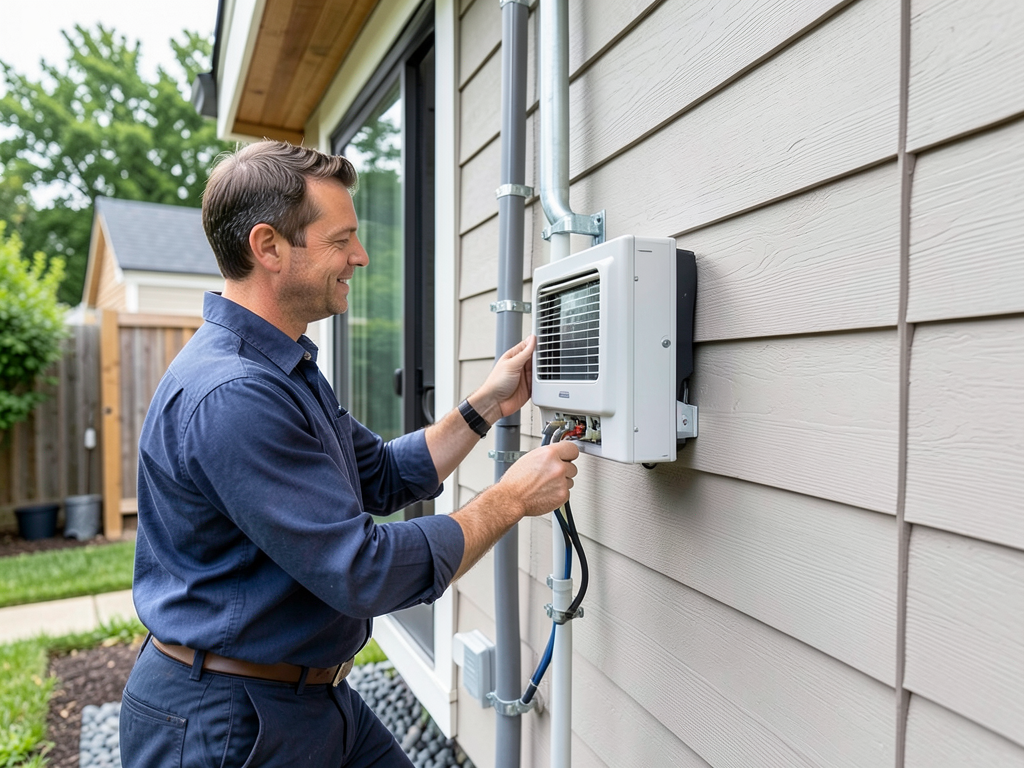
The outdoor condenser sits on a composite pad designed to isolate vibration and prevent frost heave during freeze-thaw cycles. We mount it away from bedroom windows to minimize operational noise. The refrigerant lines, condensate drain, and power cable run through a single line set concealed in paintable PVC raceway or routed through existing wall cavities when possible.

Refrigerant charging requires precision. We vacuum the line set to remove moisture and contaminants, then charge the system to manufacturer specifications using digital manifold gauges. Improper charge reduces efficiency and shortens compressor life.

We install a dedicated electrical circuit for each outdoor unit. Most systems require 220-volt service. We pull permits and schedule inspections to meet Cleveland's electrical code requirements.

After startup, we verify airflow at each indoor unit using a digital anemometer, check refrigerant pressures across the system, and program the wireless remote or smart thermostat to your preferences. You walk away with a system tuned for peak performance and long-term reliability.

What Happens During Your Ductless Mini-Split Installation

Ductless Mini-Split Systems in Cleveland – Year-Round Comfort Without Ductwork or High Energy Bills
01

Load Calculation and Design

We measure your home's square footage, count windows and doors, evaluate insulation quality, and assess sun exposure. This data feeds into a Manual J calculation that determines the exact BTU capacity needed for each zone. We design a system that matches your load without oversizing, which prevents short-cycling and reduces equipment wear. You get a detailed proposal showing equipment placement, capacity, and energy efficiency ratings for each component.
02

Installation and Connection

Our technicians mount the indoor air handlers, drill access holes through exterior walls, and run refrigerant lines to the outdoor condenser. We secure all line sets with UV-resistant straps and insulate them to prevent condensation. Electrical connections are made at the disconnect box, and we test voltage to verify proper power supply. The condensate drain routes to an approved drainage point. We vacuum the system, charge it with refrigerant, and perform pressure tests to confirm leak-free operation.
03

Testing and Commissioning

We start each zone individually and measure supply air temperature, airflow volume, and sound levels. Refrigerant pressures are checked against manufacturer specs to confirm proper charge. We program the thermostat or remote control, demonstrate all operating modes, and walk you through the system's features. You receive a commissioning report documenting baseline performance metrics, plus instructions for filter maintenance and seasonal checks. Your system is now optimized for Cleveland's climate and ready for years of reliable operation.

Why Cleveland Homeowners Trust United HVAC Kansas City for Ductless Systems

Cleveland's building stock presents unique challenges. Many homes date back to the early 1900s, with plaster walls, limited electrical capacity, and zero existing ductwork. We have installed ductless mini-split systems in Victorian doubles in Detroit Shoreway, brick colonials in Shaker Heights, and post-war ranches in Parma. Each home requires a different approach based on construction type and available space.

We pull permits through the city of Cleveland and schedule required inspections for electrical and mechanical work. Unpermitted installations create liability issues and can void manufacturer warranties. We handle all code compliance so you avoid future problems during home sales or insurance claims.

Our technicians hold NATE certification in heat pump installation. This credential proves they understand refrigerant handling, electrical requirements, and proper system sizing. We invest in ongoing training because mini split technology evolves rapidly. New inverter algorithms, refrigerant types, and smart controls require current knowledge to install correctly.

We stock replacement parts for the major brands we install. When a circuit board fails or a compressor needs replacement, we have components on hand instead of waiting days for shipment. That matters during a January cold snap when your heat stops working.

Cleveland's proximity to Lake Erie creates microclimates that affect HVAC performance. Homes near the lake deal with higher humidity and salt air that corrodes outdoor units faster. We account for these factors during equipment selection, recommending coil coatings and corrosion-resistant materials when appropriate.

United HVAC Kansas City operates locally, which means we respond quickly and stand behind our work. You get a technician who understands Cleveland's climate, building codes, and common HVAC issues specific to this region. That local expertise translates to better system performance and fewer callbacks after installation.

What to Expect When You Choose Ductless Mini-Split Systems

Installation Timeline and Scheduling

Most single-zone installations take four to six hours from start to finish. Multi-zone systems with three or four indoor units require a full day. We schedule installations Monday through Saturday based on your availability. You do not need to vacate the home during installation. Our crew protects floors and furniture with drop cloths and cleans up all debris before leaving. We haul away old equipment if you are replacing an existing system. Permit processing adds three to five business days before we can start work, so plan accordingly if you need heating or cooling by a specific date.

Pre-Installation Assessment Process

We send a technician to your home for a site evaluation before proposing equipment. This visit takes 30 to 45 minutes. We inspect your electrical panel to confirm adequate capacity, examine exterior walls for optimal condenser placement, and identify any structural obstacles that affect installation. You receive a written proposal within 24 hours detailing equipment models, warranty coverage, and total project cost. We explain the differences between standard efficiency and high-efficiency models so you can make an informed decision based on your budget and energy savings goals.

System Performance and Comfort Results

Ductless mini-split systems reach your setpoint faster than forced-air systems because they deliver conditioned air directly into the room without duct losses. You will notice quieter operation compared to traditional HVAC. Indoor units generate 19 to 25 decibels of sound on low speed, about as loud as a whisper. The inverter-driven compressor eliminates the temperature swings caused by on-off cycling. Your home maintains consistent comfort without the blasts of hot or cold air that ducted systems produce. Humidity control improves during summer months, making 74 degrees feel as comfortable as 70 degrees with a conventional air conditioner.

Maintenance Requirements and Long-Term Support

Ductless heat pumps require less maintenance than ducted systems because there are no ducts to clean or seal. You clean or replace the washable filters in each indoor unit every four to six weeks. This takes two minutes per unit and requires no tools. We recommend annual professional maintenance to inspect refrigerant levels, clean the outdoor coil, check electrical connections, and verify proper drainage. Manufacturer warranties typically cover parts for five to seven years on the compressor and one to three years on other components. We offer extended service plans that include priority scheduling, discounted repair rates, and annual tune-ups to keep your system running efficiently.

Frequently Asked Questions

You Have Questions,
We Have Answers

What are the disadvantages of a mini split system? +

Mini splits require visible indoor wall units that some homeowners find unappealing. The upfront cost runs higher than central air, and refrigerant leaks need a licensed technician to repair. In Cleveland's humid summers, undersized units struggle with dehumidification. You must clean filters monthly to maintain efficiency. Installation requires drilling a three-inch hole through your exterior wall, which can compromise your home's envelope if done poorly. Performance drops in extreme cold below 5°F, though modern cold-climate models handle Cleveland winters better than older versions. Regular maintenance is non-negotiable to prevent mold growth in the indoor units.

How much does a mini split system cost for a 2000 square foot house? +

A 2,000-square-foot Cleveland home typically requires two to four indoor units paired with one or two outdoor condensers. System capacity, brand, efficiency rating, and your home's insulation all affect final price. A two-zone system covering main living areas costs less than a four-zone whole-home setup. Cleveland's cold winters may require a cold-climate model with higher capacity, which adds expense. Old homes with poor insulation need larger tonnage. Installation complexity varies by foundation type and wall construction. Rebates and financing can reduce out-of-pocket costs. Get multiple quotes from licensed contractors familiar with Cleveland's building codes.

What is the difference between a mini split and a ductless mini split? +

The terms mean the same thing. Both describe a heat pump system with an outdoor compressor and one or more indoor air handlers connected by refrigerant lines. The system requires no ductwork. Some people say "mini split" to describe single-zone systems and "ductless" for multi-zone setups, but manufacturers use the terms interchangeably. In Cleveland, you will hear both names from contractors. The key feature is zone control. Each indoor unit operates independently, allowing you to heat or cool specific rooms. This flexibility makes them popular for older Cleveland homes without existing ductwork or for additions and finished basements.

How much does it cost to install a ductless mini split? +

Cleveland installation costs vary by system size, brand, number of zones, and installation complexity. A single-zone system for one room costs less than a multi-zone system covering your entire home. Brick homes and two-story installations require more labor. The outdoor unit location affects refrigerant line length, which impacts price. Cleveland's freeze-thaw cycles demand proper mounting and weatherproofing, which adds labor time. Electrical upgrades for older homes increase costs. Remove old heating systems if needed. Quality installation matters more than low price. Poor installation voids warranties and reduces efficiency. Licensed contractors charge more but install to manufacturer specifications and local code.

Do mini splits work in 100 degree weather? +

Yes, modern mini splits handle 100°F weather efficiently. They remove heat from your home even in extreme temperatures. Rated SEER measures cooling efficiency. Higher SEER units perform better during Cleveland's humid summer heat waves. Size the system correctly for your square footage and insulation level. Undersized units run continuously and struggle to cool. Place outdoor condensers in shaded locations when possible. Direct sun reduces efficiency. Keep indoor units clean and filters changed monthly during heavy use. Cleveland summers average 82°F, but mini splits handle peak heat days without issue. Performance drops slightly above 95°F, but cooling continues.

What is the $5000 rule? +

The $5,000 rule refers to HVAC repair decisions. If your system needs a repair costing over $5,000, or if repair cost exceeds half your unit's replacement cost, replace the system instead of repairing it. This guideline helps Cleveland homeowners make smart financial choices. A 12-year-old mini split needing a compressor replacement warrants replacement, not repair. Factor in remaining lifespan, efficiency gains from new models, and warranty coverage. Refrigerant leaks, compressor failures, and control board issues often trigger this calculation. Your contractor should explain repair versus replacement costs honestly. Cleveland's temperature extremes stress HVAC systems, making this rule particularly relevant.

Why is my electric bill so high with mini split? +

Several factors cause high electric bills with mini splits. Running units in unoccupied rooms wastes energy. Dirty filters force the system to work harder. Undersized systems run continuously without reaching set temperature. Air leaks around windows and doors increase load. In Cleveland's humid climate, units work harder to dehumidify. Setting temperatures too low forces constant operation. Old homes with poor insulation require more energy. Refrigerant leaks reduce efficiency. Blocked outdoor coils from cottonwood seeds or debris restrict airflow. Mini splits typically cost less to operate than central air, so high bills signal installation problems, misuse, or maintenance neglect. Schedule a professional inspection.

What's the lifespan of a mini split? +

Quality mini splits last 15 to 20 years with proper maintenance. Cleveland's freeze-thaw cycles and temperature swings stress outdoor units, potentially shortening lifespan without regular service. Change filters monthly during peak seasons. Schedule annual professional maintenance before cooling season. Keep outdoor units clear of snow, ice, leaves, and debris. Proper installation extends lifespan significantly. Units mounted incorrectly or with kinked refrigerant lines fail early. Coastal salt air and industrial pollution accelerate corrosion in some Cleveland neighborhoods. Budget brands with cheaper compressors fail sooner. Inverter-driven compressors last longer than single-speed models. Warranty length indicates expected lifespan. Protect your investment with maintenance contracts.

How much does Home Depot charge to install a mini split? +

Home Depot subcontracts installations to local HVAC companies. Their pricing depends on which contractor serves your Cleveland zip code. You purchase the equipment through Home Depot, then they coordinate installation. This approach removes manufacturer flexibility and limits equipment choices. Big-box retailers focus on volume, not specialized service. Cleveland's older housing stock often requires customized solutions that cookie-cutter installations do not address. You lose direct contractor relationships for future service. Local HVAC companies provide better warranty support and accountability. Compare Home Depot quotes against independent Cleveland contractors. Local companies often match or beat big-box pricing while providing superior service and local building code expertise.

How do Amish cool their homes without air conditioning? +

The Amish use passive cooling strategies relevant to any Cleveland homeowner. They orient homes to prevail winds for cross-ventilation. Deep porches shade walls from summer sun. Whole-house fans exhaust hot air through attic vents at night. Deciduous trees provide summer shade while allowing winter sun. Basements stay naturally cool for sleeping during heat waves. They minimize heat-generating appliances and cook outdoors. High ceilings allow hot air to rise away from living spaces. These principles reduce cooling loads even with modern HVAC systems. Cleveland's moderate climate makes passive cooling viable for shoulder seasons, reducing your reliance on mechanical cooling and lowering energy costs year-round.

How Cleveland's Lake-Effect Weather Demands Smarter Ductless Mini-Split Design

Cleveland sits 10 miles from Lake Erie, which drives humidity levels above 70 percent during summer and dumps lake-effect snow measured in feet during winter. This combination stresses traditional HVAC systems. Ductless air conditioners equipped with cold-climate heat pumps maintain heating capacity down to negative 13 degrees Fahrenheit, which matters when January temperatures drop below zero for days at a time. The inverter compressor adjusts output to match the load, preventing the inefficiency and comfort swings caused by single-stage equipment cycling on and off as outdoor temperatures fluctuate.

United HVAC Kansas City understands Cleveland's building codes and inspection requirements. The city requires electrical permits for mini split installations and mechanical permits for refrigerant work. We coordinate inspections with the Department of Building and Housing to keep your project on schedule. Our technicians have worked in every Cleveland neighborhood, from the tight lot lines in Little Italy to the sprawling properties in Bratenahl. That experience means we anticipate site-specific challenges before they delay your installation or create costly surprises.

HVAC Services in The Cleveland Area

We are proud to serve the entire Cleveland area, and our service network extends to all surrounding communities. Our centrally located office allows us to dispatch our expert technicians quickly and efficiently to your home or business, ensuring fast response times for all your heating and cooling needs. We invite you to view our service area on the map to see if we can bring our trusted services right to your doorstep. Don't hesitate to reach out to us today to confirm if your location is within our coverage zone.

Address:
Ace HVAC Cleveland, 3095 W 25th St, Cleveland, OH, 44113

Additional Services We Offer

Our news updates

Latest Articles & News from The Blogs

How to stop indoor pool humidity from damaging your Bentleyville home If you own a luxury home with an indoor…

How to stop indoor pool humidity from damaging your Bentleyville home

How to stop indoor pool humidity from damaging your Bentleyville home If you own a luxury home with an indoor…

The best ways to heat a detached garage workshop in Middleburg Heights

The best ways to heat a detached garage workshop in Middleburg Heights Heating a detached garage workshop in Middleburg Heights…

Upgrading your PTAC wall unit in a Gold Coast condo for better efficiency

Upgrading your PTAC wall unit in a Gold Coast condo for better efficiency Living in a Gold Coast condo means…

Contact Us

Call (216) 530-9077 now to schedule your in-home assessment. We will calculate your heating and cooling load, design a system for your space, and provide a detailed proposal within 24 hours. United HVAC Kansas City delivers comfort without ductwork.