
What to look for in an HVAC system when touring homes in Lee-Harvard
Buying a home in Lee-Harvard means preparing for Cleveland’s brutal winters and humid summers. The HVAC system determines whether you’ll stay comfortable year-round or face expensive emergency repairs. A general home inspection often misses critical HVAC components that can cost thousands to fix. EPA air duct cleaning guidelines.
Before making an offer on that Lee-Harvard property you need to know what to check. This guide shows you the exact inspection points that reveal a system’s true condition. From the furnace’s heat exchanger to the AC’s refrigerant lines we’ll show you what separates a reliable system from a money pit. How Much Does a New Central Air System Cost in Northeast Ohio?.
Call (216) 530-9077 today to schedule a professional HVAC inspection before closing. Our technicians know exactly what to look for in Cleveland’s unique climate and housing stock.
Exterior HVAC Components: What to Check Outside
The outdoor condenser unit takes the first hit from Cleveland’s weather. Start with the condenser’s physical condition. Look for bent fins rust spots or signs of rodent damage around the base. These units sit exposed to lake-effect snow ice storms and summer humidity that accelerates corrosion.
Check the concrete pad underneath. A sinking or cracked pad indicates foundation issues that can strain refrigerant lines. The pad should sit level within 1/4 inch. Any more than that and you risk compressor damage.
Examine the refrigerant lines running from the condenser to the house. These copper tubes should be insulated with black foam. Missing or deteriorated insulation causes efficiency losses and can lead to frozen coils inside. The larger line (suction line) should feel cool to the touch when the system runs.
Clearance matters in Lee-Harvard’s older neighborhoods. The condenser needs 24 inches of clearance on all sides for proper airflow. Overgrown shrubs or stacked firewood against the unit restricts airflow and reduces efficiency by up to 15%.
Cleveland’s high humidity means condensate drains work overtime. A clogged drain line causes water damage inside the home. Check for visible drain lines exiting near the foundation. They should flow freely and not create ice buildup in winter.
Heating System Inspection: Furnace and Boiler Checks
Cleveland homes in Lee-Harvard often feature older heating systems. Whether you find a furnace or boiler age matters. Most furnaces last 15-20 years boilers 20-30 years. Look for the manufacturing date on the data plate. If it’s worn off the serial number reveals the age. Replacing an Old Furnace in a Historic Shaker Heights Home.
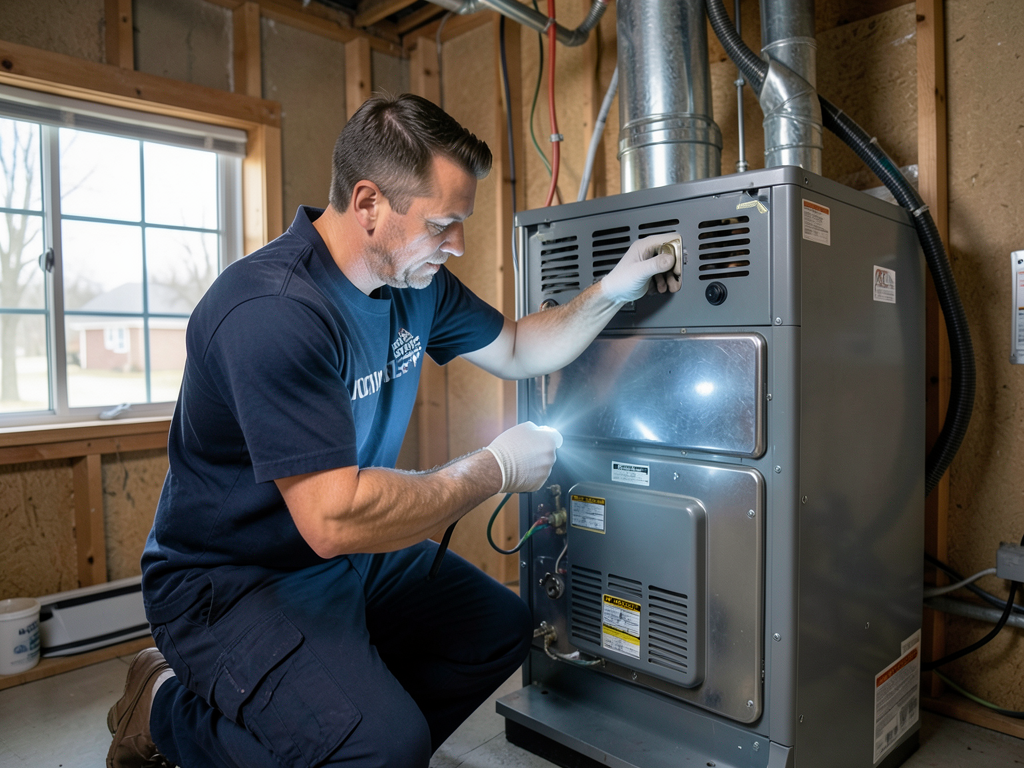
The heat exchanger is your biggest concern. This metal chamber separates combustion gases from your indoor air. Cracks here leak carbon monoxide into living spaces. Shine a flashlight into the burner compartment. Dark streaks or rust spots indicate potential cracks. A professional carbon monoxide test provides definitive results.
Check the furnace’s AFUE rating (Annual Fuel Utilization Efficiency). Older units might rate 60-70% efficient meaning 30-40% of your fuel bill goes up the chimney. Modern high-efficiency furnaces achieve 90-98% efficiency. The difference on your winter gas bill can exceed $500 annually.
For boiler systems common in Lee-Harvard’s historic homes examine the pressure gauge. It should read between 12-15 psi when cold. Low pressure indicates leaks in the system. High pressure suggests a failing expansion tank. Reliable Boiler Repair Services for Older Lakewood Homes.
Many Lee-Harvard homes built before 1960 used gravity-fed hot water systems. These lack modern circulator pumps and heat unevenly. Converting to a forced hot water system requires extensive piping modifications.
Listen for unusual noises when the system runs. A healthy furnace operates quietly. Loud bangs squeals or rumbling sounds indicate failing components. The blower motor should run smoothly without vibration.
Cooling System Evaluation: AC and Heat Pump Inspection
Central air conditioning in Cleveland faces unique challenges. The system must handle both summer humidity and occasional winter use in heat pump setups. Start with the thermostat. A programmable or smart thermostat indicates a more modern efficient system.
Check the air filter location and condition. A dirty filter reduces airflow and strains the system. The filter should be accessible without tools. If it’s buried in a hard-to-reach location the previous owner likely neglected regular changes.
Test the temperature drop across the evaporator coil. When the AC runs for 15 minutes measure the air temperature at the return vent and at a supply vent. A healthy system shows a 15-20 degree difference. Less than 14 degrees indicates low refrigerant or restricted airflow.
Examine the condensate drain pan under the evaporator coil. This pan catches moisture from humid air. Look for standing water or signs of overflow. A failed condensate pump causes ceiling leaks in homes with attic units.
R-22 refrigerant common in systems installed before 2010 is being phased out. Replacement costs $100+ per pound and a typical system needs 6-12 pounds. Systems using R-410A cost less to service and are more environmentally friendly.
Check the outdoor disconnect switch near the condenser. This safety device should be intact and properly rated. A missing or damaged disconnect poses fire hazards and violates Cleveland electrical codes.
Ductwork and Air Quality Assessment
Hidden ductwork problems cause the most comfort complaints. Start in the basement or attic where ducts are visible. Look for disconnected joints especially near the furnace. Even small gaps leak conditioned air into unconditioned spaces.. Read more about Solving air flow problems in Mid-Century Modern homes around Euclid and Wickliffe.
Check duct insulation in unconditioned areas. Bare sheet metal ducts lose significant heat in winter and gain heat in summer. Proper insulation should be R-6 or higher for supply ducts. Damaged or missing insulation increases energy costs by 10-30%.
Examine return air pathways. Some older Lee-Harvard homes use wall cavities or floor joists as return ducts. These leak air and can draw in dust allergens and even carbon monoxide from attached garages.
Look for signs of mold or moisture around vents. Condensation on supply registers indicates high humidity or poor insulation. Black spots near vents suggest mold growth inside the ducts.
Cleveland’s clay soil creates high basement humidity. Homes without proper vapor barriers often develop duct condensation that drips onto insulation and creates mold conditions.
Test airflow at several vents throughout the home. Weak airflow at upper-floor vents often indicates undersized ductwork or a failing blower motor. All vents should produce noticeable air movement when the system runs.
Cleveland-Specific HVAC Red Flags
Lee-Harvard’s housing stock presents unique HVAC challenges. Many homes built between 1920-1950 used coal-fired gravity furnaces converted to natural gas. These “octopus” furnaces are inefficient behemoths that heat unevenly and cost a fortune to operate.
Check for asbestos insulation on older pipes and ducts. White fibrous material wrapping pipes built before 1980 likely contains asbestos. Disturbing this material releases dangerous fibers. Professional testing determines if removal is necessary.
Examine the home’s ventilation strategy. Older Cleveland homes relied on natural infiltration for fresh air. Modern tighter construction requires mechanical ventilation to prevent indoor air quality problems. Look for bathroom exhaust fans kitchen range hoods and whole-house ventilation systems.
Consider the home’s layout and solar exposure. A south-facing home with large windows needs more cooling capacity than a shaded north-facing home of the same size. Mismatched system sizing causes short cycling and premature failure.
Cleveland’s building code requires 24-inch ice and water shield on roof edges for ice dam protection. Homes without this upgrade often develop ceiling leaks that damage HVAC equipment in attics.
Check for smart home integrations. Modern thermostats zoning systems and air quality monitors indicate a system designed for today’s comfort expectations. Older systems lack these features but can often be retrofitted.
Age Determination and Service History
Determining system age helps predict remaining lifespan. For furnaces and AC units find the manufacturer’s data plate. The serial number often encodes the manufacture date. For example Trane serial numbers starting with a number indicate the year of manufacture.
Request maintenance records from the seller. Regular professional maintenance extends equipment life by 30-50%. Look for evidence of annual tune-ups filter changes and major repairs. A system without service history likely has hidden problems. Commercial HVAC Maintenance for Businesses in Downtown Cleveland.
Check for recent upgrades. A new condenser paired with an old furnace creates efficiency mismatches. The indoor and outdoor units should be matched for optimal performance. Look for matching model numbers or ask for installation invoices.
Examine the electrical panel for dedicated HVAC circuits. Older homes often used shared circuits that can’t handle modern equipment loads. Dedicated 240-volt circuits for AC units and 120-volt circuits for furnaces are current code requirements.
Cleveland’s Dominion Energy offers rebates up to $900 for high-efficiency furnace installations. Homes with recent upgrades might qualify for these programs reducing your long-term operating costs.
Professional Inspection vs. DIY Assessment
A home inspector’s HVAC check takes 15-30 minutes. They verify basic operation but miss many failure points. A professional HVAC technician spends 1-2 hours performing diagnostic tests that reveal hidden problems.
Professional inspections include combustion analysis for furnaces refrigerant charge verification for AC units and duct leakage testing. These tests require specialized equipment and training that home inspectors lack.
Consider the cost of missed problems. A cracked heat exchanger replacement costs $1500-3000. A complete system replacement runs $5000-10000. Professional inspection fees of $150-300 seem small compared to these potential costs.
Cleveland’s humid continental climate creates condensation issues that don’t exist in drier regions. Local technicians understand these specific failure patterns and know what to check for during inspections. Fast and Local AC Repair Services in Solon and Surrounding Areas.
Schedule inspections during different seasons if possible. A furnace check in summer and AC check in winter provides complete system evaluation. Some problems only appear under specific operating conditions.
Cost Considerations and Energy Efficiency
Energy costs in Cleveland run higher than national averages due to extreme seasonal temperature swings. A high-efficiency system reduces these costs but requires higher upfront investment. Calculate payback periods based on your expected ownership duration.
Consider utility rebate programs. FirstEnergy and Dominion Energy offer incentives for high-efficiency equipment installations. These programs change annually so check current offerings before making replacement decisions.
Factor in smart home integration costs. Modern thermostats zoning systems and air quality monitors add comfort but increase total system costs by $1000-3000. These features often pay for themselves through energy savings and improved comfort.
Evaluate the home’s insulation and air sealing. A new HVAC system in a poorly insulated home wastes energy. Address insulation issues before investing in high-efficiency equipment for maximum benefit.
Making Your Offer Decision
Use your HVAC findings to negotiate purchase price. A system needing $3000 in repairs justifies a lower offer or seller credit. Document all inspection findings with photos and professional reports.
Consider replacement timing. If a system is 12-15 years old budget for replacement within 3-5 years. This affects your long-term housing costs and should influence your offer price.
Factor in climate change impacts. Cleveland’s weather patterns show increasing temperature extremes. Systems sized for historical conditions might struggle with future demands. Consider oversizing slightly for future-proofing.
Lee-Harvard’s elevation of approximately 600 feet above sea level affects system performance. Higher elevations require slight derating of equipment capacity compared to standard ratings.
Trust your instincts. If something feels wrong during inspection it probably is. Professional technicians can verify your concerns and provide repair or replacement cost estimates.
Frequently Asked Questions
How long does a professional HVAC inspection take?
A thorough HVAC inspection takes 60-120 minutes. Technicians perform multiple tests including combustion analysis refrigerant charge checks and duct leakage testing that reveal problems home inspectors miss.
What’s the most expensive HVAC repair I might encounter?
Heat exchanger replacement in a furnace costs $1500-3000. Complete system replacement for both heating and cooling runs $8000-15000 depending on home size and equipment efficiency ratings.
Should I replace an old system or repair it?
Replace systems over 15 years old or needing major repairs. New high-efficiency equipment reduces energy costs by 30-50% and includes better warranties than older units.
How can I tell if a system is properly sized?
Check for even temperatures throughout the home proper humidity control and system run cycles of 10-15 minutes. Short cycling or temperature variations indicate sizing problems.
Take Action Before You Buy
The HVAC system affects your comfort health and wallet for years after purchase. Don’t let hidden problems turn your dream home into a financial nightmare. A professional inspection reveals what the seller and home inspector won’t tell you.
Call (216) 530-9077 today to schedule your comprehensive HVAC inspection. Our technicians have 15+ years of experience with Cleveland’s unique housing stock and climate challenges. We’ll give you the honest assessment you need to make a confident offer.
Don’t wait until after closing to discover expensive problems. Pick up the phone and call (216) 530-9077 before you make your next move. Your comfort and peace of mind are worth it. For more information, visit Department of Energy heating system guide.
{
“@context”: “https://schema.org”,
“@type”: “BlogPosting”,
“headline”: “What to look for in an HVAC system when touring homes in Lee-Harvard”,
“description”: “Learn essential HVAC inspection points for Lee-Harvard homes. Check for efficiency, safety issues, and Cleveland-specific problems before buying.”,
“wordCount”: 2138,
“datePublished”: “2026-06-10T06:43:00.000Z”,
“dateModified”: “2026-06-10T06:43:00.000Z”,
“inLanguage”: “en-US”,
“mainEntityOfPage”: {
“@type”: “WebPage”,
“@id”: “https://acehvaccleveland.com”
},
“publisher”: {
“@type”: “LocalBusiness”,
“name”: “Ace HVAC Cleveland”,
“url”: “https://acehvaccleveland.com”
},
“author”: {
“@type”: “Organization”,
“name”: “Ace HVAC Cleveland”,
“url”: “https://acehvaccleveland.com”
},
“image”: {
“@type”: “ImageObject”,
“url”: “https://acehvaccleveland.com/wp-content/uploads/2026/03/what-to-look-for-in-an-hvac-system-when-touring-ho-1.png”
}
}
{
“@context”: “https://schema.org”,
“@type”: “HVACBusiness”,
“name”: “Ace HVAC Cleveland”,
“url”: “https://acehvaccleveland.com”,
“address”: {
“@type”: “PostalAddress”,
“addressLocality”: “Cleveland”
},
“areaServed”: {
“@type”: “City”,
“name”: “Cleveland”
}
}
{
“@context”: “https://schema.org”,
“@type”: “FAQPage”,
“mainEntity”: [
{
“@type”: “Question”,
“name”: “How long does a professional HVAC inspection take?”,
“acceptedAnswer”: {
“@type”: “Answer”,
“text”: “A thorough HVAC inspection takes 60-120 minutes. Technicians perform multiple tests including combustion analysis refrigerant charge checks and duct leakage testing that reveal problems home inspectors miss.”
}
},
{
“@type”: “Question”,
“name”: “What’s the most expensive HVAC repair I might encounter?”,
“acceptedAnswer”: {
“@type”: “Answer”,
“text”: “Heat exchanger replacement in a furnace costs $1500-3000. Complete system replacement for both heating and cooling runs $8000-15000 depending on home size and equipment efficiency ratings.”
}
},
{
“@type”: “Question”,
“name”: “Should I replace an old system or repair it?”,
“acceptedAnswer”: {
“@type”: “Answer”,
“text”: “Replace systems over 15 years old or needing major repairs. New high-efficiency equipment reduces energy costs by 30-50% and includes better warranties than older units.”
}
},
{
“@type”: “Question”,
“name”: “How can I tell if a system is properly sized?”,
“acceptedAnswer”: {
“@type”: “Answer”,
“text”: “Check for even temperatures throughout the home proper humidity control and system run cycles of 10-15 minutes. Short cycling or temperature variations indicate sizing problems.”
}
}
]
}
{
“@context”: “https://schema.org”,
“@type”: “BreadcrumbList”,
“itemListElement”: [
{
“@type”: “ListItem”,
“position”: 1,
“name”: “Home”,
“item”: “https://acehvaccleveland.com”
},
{
“@type”: “ListItem”,
“position”: 2,
“name”: “Blog”,
“item”: “https://acehvaccleveland.com/blog”
},
{
“@type”: “ListItem”,
“position”: 3,
“name”: “What to look for in an HVAC system when touring homes in Lee-Harvard”
}
]
}
{
“@context”: “https://schema.org”,
“@type”: “Service”,
“serviceType”: “HVAC”,
“provider”: {
“@type”: “LocalBusiness”,
“name”: “Ace HVAC Cleveland”,
“url”: “https://acehvaccleveland.com”
},
“areaServed”: {
“@type”: “City”,
“name”: “Cleveland”
},
“description”: “Learn essential HVAC inspection points for Lee-Harvard homes. Check for efficiency, safety issues, and Cleveland-specific problems before buying.”
}