


Brooklyn sits in northeast Ohio, where Lake Erie weather patterns create brutal temperature swings. Winter temps drop below zero, forcing furnaces to run nonstop. Summer humidity climbs past 80%, making air conditioners work overtime. This constant cycling wears out HVAC equipment faster than in milder climates.
The housing stock matters too. Many Brooklyn homes were built in the 1940s through 1970s, with original ductwork that's undersized or poorly insulated. These systems leak conditioned air into attics and crawl spaces, driving up energy bills and making rooms uncomfortable. Older homes also have settling foundations that shift ductwork connections, creating air leaks and inefficiency.
Brooklyn's proximity to industrial areas near Cleveland means outdoor units deal with more airborne particulates than suburban locations. Condenser coils get dirty faster, reducing efficiency and shortening equipment life. Regular maintenance becomes critical, not optional.
Local building codes in Cuyahoga County require permits for HVAC replacements and major repairs. Not every contractor bothers with proper permitting, but cutting corners creates liability issues and can affect home resale value. Working with licensed, code-compliant contractors protects your investment and keeps your home insurance valid.
Ace HVAC Cleveland has served Cuyahoga County communities for over two decades, building a reputation on fast response times and honest diagnostics. We don't upsell replacements when repairs make sense. Our technicians carry extensive parts inventory on every truck, which means most repairs get completed in a single visit instead of requiring return trips.
Our service area focuses on Brooklyn and the surrounding Cleveland metro, giving us intimate knowledge of the housing types and common HVAC issues in this region. We've worked on everything from post-war Cape Cods in Old Brooklyn to split-levels near the Memphis Avenue corridor. This experience translates to faster diagnosis and more accurate solutions.
We maintain manufacturer certifications for all major HVAC brands, from Carrier and Trane to Lennox and Rheem. This isn't just paperwork. Certified technicians get access to technical bulletins, specialized training, and warranty support that generic repair shops don't receive. When your system has a complex issue, that expertise matters.
Our dispatch system prioritizes emergency calls based on severity and location. Furnace failures in winter and AC failures during heat advisories get fastest response. We staff multiple trucks during extreme weather events, knowing that's when systems fail most often. You're not competing with customers three counties away for service. Our focus stays local.
Every repair comes with transparent pricing before work begins. We explain what failed, why it failed, and what options you have. Some problems have multiple solutions at different price points. We present all options and let you decide what makes sense for your budget and plans for the home.

Most emergency calls get same-day response, with technicians arriving within two to four hours of your call. We dispatch from Brooklyn, not a distant suburb, cutting drive time and getting your system running faster. Our trucks carry common parts for both heating and cooling repairs, reducing the need for follow-up visits.

We diagnose the actual problem before recommending solutions. Many HVAC companies push system replacements on older equipment when a repair would provide years more service. Our technicians get paid the same whether they repair or replace, removing the incentive to oversell. You get the truth about your system's condition and realistic options.
Every technician maintains current certifications from major equipment manufacturers and holds EPA refrigerant handling credentials. We invest in ongoing training because HVAC technology changes constantly. New equipment uses different refrigerants, electronic controls, and variable-speed components that require specialized knowledge. Generic experience isn't enough anymore.
We concentrate service in Brooklyn and immediate Cleveland suburbs, giving us faster response times than companies serving all of northeast Ohio. This focus means we understand local housing types, common HVAC configurations, and the climate challenges specific to Cuyahoga County. We've seen every problem that occurs in this area and know how to fix it efficiently.
Ace HVAC Cleveland handles every aspect of residential heating and cooling, from emergency breakdowns to planned system replacements. Our service range covers gas furnaces, central air conditioning, heat pumps, ductwork, thermostats, and indoor air quality equipment. We work on all major brands and system types common to Brooklyn homes.
Most service calls fall into three categories based on urgency and scope. Emergency repairs address immediate system failures that leave homes without heat or cooling. These get priority dispatch and same-day service. Maintenance and tune-ups keep systems running efficiently and catch small problems before they become expensive failures. Installation and replacement projects handle systems that have reached end of life or homes that need upgraded equipment.
Each category requires different expertise and approach. Emergency work demands diagnostic speed and parts availability. Maintenance requires methodical inspection and attention to detail. Installations need precise equipment sizing, proper ductwork design, and knowledge of local building codes. Our technicians handle all three service types, switching between urgent repairs and carefully planned installations based on daily call volume.
We maintain full licensing and insurance for HVAC work in Cuyahoga County, pulling permits when required and ensuring all work meets current mechanical codes. This protects you from liability issues and ensures your homeowner's insurance remains valid.
System failures happen at the worst times. Furnaces quit when temperatures drop below zero. Air conditioners fail during heat waves. Our emergency service runs around the clock, including weekends and holidays. Technicians carry diagnostic tools and common replacement parts for both heating and cooling systems. Most emergency repairs get completed in a single visit. We prioritize furnace failures in winter and AC failures during heat advisories, understanding that comfort and safety depend on fast response.
When repair costs approach replacement value, or your system exceeds 15 years old, replacement makes financial sense. We perform detailed load calculations to size equipment correctly for your home's square footage, insulation, and window area. Proper sizing prevents short-cycling and improves efficiency. Installation includes new refrigerant lines, thermostat, and startup procedures. We pull required permits through Cuyahoga County and handle all inspections. Every installation comes with manufacturer warranty registration and documentation for your home records.
Regular maintenance extends equipment life and prevents emergency failures. Spring AC tune-ups clean condenser coils, check refrigerant charge, test capacitors, and verify electrical connections. Fall furnace maintenance inspects heat exchangers, tests safety controls, cleans burners, and checks combustion efficiency. Most system failures happen because small problems went unnoticed until they caused major damage. Catching a failing capacitor during maintenance costs $150. Waiting until it fails and damages your compressor costs $2,000. Maintenance plans include priority emergency service.
Brooklyn's climate and housing stock create predictable HVAC problems. Understanding these common issues helps homeowners recognize warning signs before minor problems become expensive failures.
The temperature extremes stress equipment harder than moderate climates. Furnaces run continuously during polar vortex events, wearing out blower motors and heat exchangers faster. Air conditioners cycle constantly during humid summer stretches, shortening compressor life and straining electrical components. This climate demands more frequent maintenance than milder regions.
Many Brooklyn homes have original ductwork from when the house was built. These systems often have undersized ducts, poor insulation, and disconnected sections in crawl spaces or attics. Leaky ducts waste 20 to 30 percent of heated or cooled air, driving up utility bills and making rooms uncomfortable. Sealing and insulating ductwork provides immediate comfort improvements and lower energy costs.
Older thermostats create efficiency problems too. Manual thermostats or early programmable models don't adjust for actual home conditions. Modern thermostats learn your schedule, adjust for humidity, and provide remote control through smartphone apps. Upgrading a thermostat often improves comfort more than replacing functioning HVAC equipment.
Indoor evaporator coils freeze when airflow drops too low, usually from dirty filters or failing blower motors. Ice buildup blocks airflow completely, causing the system to blow warm air. Running the system with frozen coils damages the compressor. The fix requires thawing the coils, correcting the airflow problem, and checking refrigerant levels. Homeowners often mistake frozen coils for low refrigerant and add refrigerant unnecessarily, creating more problems.
Furnace heat exchangers crack from metal fatigue after years of heating and cooling cycles. Cracks allow combustion gases to mix with household air, creating carbon monoxide hazards. This represents the most serious furnace failure and requires immediate replacement. Heat exchanger failures happen most often in furnaces over 15 years old. Annual inspections catch cracks early, before they create safety hazards. Some cracks remain under warranty if caught before the warranty period ends.
Air conditioners don't consume refrigerant. If levels drop, you have a leak. Small leaks occur at connection points and service valves. Large leaks indicate corroded coils or damaged refrigerant lines. Simply adding refrigerant without fixing the leak wastes money and harms the environment. Proper service locates the leak, repairs it, evacuates the system, and recharges with the correct refrigerant amount based on manufacturer specifications. Older systems using R-22 refrigerant cost more to recharge because production ended.
Systems that turn on and off every few minutes are short cycling. This happens when equipment is oversized for the home, thermostats are poorly located, or failing components cause safety shutdowns. Short cycling prevents proper dehumidification, wears out components from excessive starts, and drives up energy bills. Fixing short cycling requires identifying the root cause, which might be equipment sizing, airflow restrictions, refrigerant charge, or electrical problems. The solution varies based on diagnosis.
HVAC service shouldn't feel like a mystery. From your first call to project completion, you should understand what's happening, why it's necessary, and what it costs. Our process emphasizes clear communication and realistic expectations at every step.
When you call with a problem, our dispatcher asks specific questions about symptoms, when they started, and what you've already tried. This information helps us send the right technician with appropriate tools and parts. We provide arrival time windows and call ahead when the technician is 30 minutes out.
During the service visit, technicians explain what they find in plain language. You'll see the problem component when possible, understand why it failed, and learn what options you have. Some repairs have multiple approaches with different costs and longevity. We present all options and let you choose what makes sense for your situation.
After service completion, you receive documentation showing work performed, parts replaced, and warranty information. We follow up to ensure the system operates correctly and you're satisfied with the work. If problems arise after service, we return promptly to address them.
You see the price before we touch your system. After diagnosis, technicians explain what's wrong and provide written estimates for recommended repairs. Prices include parts, labor, and any permits required. We don't add surprise charges after the work is done. If additional problems appear during repair work, we stop and get approval before proceeding. Emergency service calls have standard after-hours rates disclosed when you schedule service.
We provide specific arrival windows, not all-day waits. Most service appointments use three-hour windows. Technicians call 30 minutes before arrival. If delays occur because of previous job complexity, dispatch contacts you immediately to reschedule or extend your window. We respect your time because we know you have jobs and commitments too. Emergency calls get priority dispatch with faster response, usually within two to four hours.
Service doesn't end when the technician leaves. We follow up within a few days to verify your system operates correctly and you're satisfied with the work. If problems develop after service, we return promptly to address them. Installation projects include final walkthroughs where we explain new system operation, thermostat programming, and maintenance requirements. You receive warranty documentation and service records for your home files.
HVAC service should be straightforward. Whether you need emergency repair or planned maintenance, the process follows clear steps that keep you informed and eliminate surprises.
Call our dispatch line at (216) 530-9077 or request service through our website. Dispatchers ask about your system symptoms, model information if available, and urgency level. This information helps us send the right technician with appropriate tools and common parts. You receive a time window for arrival and a call when the technician is 30 minutes away. Emergency calls get priority dispatch and faster response times than routine maintenance appointments.
Technicians diagnose the problem using testing equipment and visual inspection. You'll see the failed component when possible and get an explanation in plain language about what happened and why. Written estimates show repair costs including parts and labor. If multiple solution options exist at different price points, we present all of them and let you decide. No work begins until you approve the estimate and pricing. Emergency safety issues get explained clearly so you understand the urgency.
After approval, technicians complete repairs using manufacturer-specified parts and procedures. Work includes testing to verify the system operates correctly and meets performance specifications. You receive documentation showing work performed, parts replaced, and warranty information. We clean up the work area and remove old parts. Before leaving, technicians verify you understand system operation and answer any questions about maintenance or operation.
HVAC technology has changed dramatically in the past decade. New efficiency standards, refrigerant regulations, and equipment capabilities require different installation and service approaches than older systems. Understanding these technical factors helps homeowners make informed decisions about repairs and replacements.
Federal efficiency regulations now mandate minimum 14 SEER ratings for air conditioners and 80 percent AFUE for furnaces. Higher efficiency models reach 20+ SEER for cooling and 96 percent AFUE for heating. These ratings measure energy consumption under standardized test conditions. Real-world efficiency depends on proper installation, ductwork quality, and regular maintenance.
Ohio mechanical codes require permits for HVAC system replacements and major modifications. Permit requirements exist for good reasons. Inspectors verify refrigerant line sizing, electrical connections, combustion venting, and condensate drainage meet safety standards. Unpermitted work creates liability issues if problems occur and can affect home resale value. Insurance companies sometimes deny claims for damage caused by unpermitted mechanical work.
Refrigerant regulations affect older AC systems. R-22 refrigerant production ended in 2020, making recharge costs expensive for systems using this older refrigerant. New systems use R-410A or newer blends that operate at higher pressures and require different service procedures. You can't simply swap refrigerants in existing systems. When older R-22 systems develop major leaks or compressor failures, replacement usually makes more financial sense than expensive repairs and refrigerant costs.
Modern thermostats provide capabilities impossible with older models. Smart thermostats learn your schedule, adjust for humidity, provide remote access through smartphone apps, and show energy usage patterns. Some models integrate with whole-home automation systems. Installation requires proper wiring and setup procedures to enable all features. Basic programmable thermostats still work fine if you don't need remote access.
Proper HVAC sizing requires Manual J load calculations based on home square footage, insulation levels, window area, orientation, and local climate data. Oversized equipment short cycles, fails to dehumidify properly, and wears out faster. Undersized equipment runs constantly and can't maintain comfortable temperatures during extreme weather. Generic rules like one ton per 500 square feet produce wrong answers. Accurate calculations take several hours but prevent expensive mistakes.
System replacement costs vary based on equipment efficiency ratings, brand selection, home size, ductwork modifications needed, and permit requirements. Higher efficiency models cost more upfront but reduce monthly utility bills. Two-stage and variable-speed equipment costs more than single-stage but provides better comfort and efficiency. Installation complexity affects labor costs. Homes requiring ductwork repairs, electrical upgrades, or structural modifications cost more than straightforward changeouts.
Furnaces typically last 15 to 20 years with regular maintenance. Air conditioners average 12 to 15 years. Heat pumps fall between 10 to 15 years because they run year-round. These are averages. Equipment life depends on maintenance frequency, installation quality, and operating conditions. Systems in harsh climates or homes with poor airflow fail sooner. Annual maintenance catches problems early and extends equipment life by preventing secondary damage from failed components.
Cuyahoga County requires permits for HVAC system replacements, additions, and major repairs. Permit costs vary by jurisdiction but typically run $50 to $150. Work requires inspection before final approval. Inspectors verify refrigerant lines, electrical connections, gas piping, combustion venting, and condensate drainage meet current mechanical codes. Permits protect homeowners by ensuring work meets safety standards. They also provide documentation that properly increases home value.
Comprehensive HVAC service guide for Brooklyn, Ohio homeowners covering emergency repairs, system maintenance, and equipment replacement. Learn about common heating and cooling problems specific to Brooklyn's climate, proper equipment sizing through Manual J load calculations, Ohio mechanical code permit requirements, and refrigerant regulations affecting older AC systems. Covers HVAC challenges in different Brooklyn neighborhoods and housing types from pre-war homes to 1970s construction.
Ace HVAC Cleveland focuses service in Brooklyn and the surrounding Cleveland communities, providing faster response times than companies spread across multiple counties. Our concentrated service area means technicians understand the specific housing types, common HVAC configurations, and climate challenges particular to this region.
Brooklyn sits in the heart of Cuyahoga County, bordered by Old Brooklyn to the north, Parma to the south, and the Cleveland city limits to the east. The housing stock reflects multiple building eras, from pre-war bungalows near the Memphis Avenue corridor to post-war Cape Cods and split-levels throughout residential neighborhoods. Each housing type presents different HVAC challenges and opportunities for efficiency improvements.
Old Brooklyn neighborhoods feature many homes built in the 1920s through 1940s, often with gravity furnaces or converted coal systems. These homes typically have undersized ductwork and minimal insulation. Upgrading HVAC in these older homes requires careful planning to work within existing space constraints while meeting modern efficiency standards. We've completed hundreds of retrofit installations in Old Brooklyn, developing efficient approaches that preserve historic character while improving comfort.
The Brookside and South Hills areas include newer construction from the 1960s and 1970s, with original central air conditioning systems that often need replacement now. These homes usually have adequate ductwork but may benefit from duct sealing and insulation upgrades. Many homeowners in these neighborhoods are original owners approaching retirement, making high-efficiency replacements attractive for lower operating costs.
Eastern Brooklyn near the I-480 corridor includes commercial buildings and light industrial facilities requiring commercial HVAC expertise. We service rooftop units, split systems, and package units common in retail and office buildings along Ridge Road and Tiedeman Road.
We also serve adjacent communities including Parma, Seven Hills, Independence, and parts of Cleveland's West Side. Service area boundaries follow natural travel patterns along major routes like I-480, Broadview Road, and Pearl Road. This geographic focus keeps drive times short and allows us to maintain multiple service trucks in the area during peak seasons. You're not waiting for technicians coming from distant suburbs or competing with customers across the metro for service slots.
Response times matter during emergencies. A company serving all of northeast Ohio can't provide the same urgency as a locally focused service. When polar vortex conditions create multiple furnace failures across the region, we prioritize our Brooklyn and immediate area customers instead of spreading thin across distant territories. This commitment to local service has built our reputation over two decades serving this community.
The $5000 rule helps you decide whether to repair or replace your HVAC system. Multiply the age of your system by the cost of the repair. If the total exceeds $5000, replacement makes more financial sense. For example, if your 15-year-old furnace needs a $400 repair, that equals $6000, so replacement is the smarter move. Brooklyn homeowners face humid summers and cold winters, which accelerates wear on older systems. This rule saves you from throwing good money after bad on equipment nearing the end of its lifespan.
This question asks about New York City pricing, which differs significantly from Brooklyn, Ohio. In Brooklyn, OH, full HVAC installation typically ranges from $4000 to $12000, depending on your home size, existing ductwork condition, and equipment efficiency rating. A 2000-square-foot home usually falls in the $5500 to $8500 range. Northeast Ohio's climate requires systems that handle both freezing winters and humid summers. Your specific cost depends on whether you need ductwork modifications, electrical upgrades, or zoning controls. Get a detailed estimate that accounts for your home's unique layout.
HVAC technicians in Brooklyn, OH earn between $40000 and $65000 annually, with experienced professionals reaching $70000 or more. Entry-level techs start around $35000 to $42000. Northeast Ohio's demand for skilled technicians stays strong year-round because of our distinct seasonal extremes. Technicians with EPA certifications, commercial experience, or specializations in heat pumps and high-efficiency systems command higher wages. Many local companies offer benefits, tool allowances, and continuing education. As baby boomers retire, the field faces a skilled worker shortage, which drives competitive pay for qualified professionals.
The $5000 rule helps you decide whether to repair or replace your HVAC system. Multiply the age of your system by the cost of the repair. If the total exceeds $5000, replacement makes more financial sense. For example, if your 15-year-old furnace needs a $400 repair, that equals $6000, so replacement is the smarter move. Brooklyn homeowners face humid summers and cold winters, which accelerates wear on older systems. This rule saves you from throwing good money after bad on equipment nearing the end of its lifespan.
This question asks about New York City pricing, which differs significantly from Brooklyn, Ohio. In Brooklyn, OH, full HVAC installation typically ranges from $4000 to $12000, depending on your home size, existing ductwork condition, and equipment efficiency rating. A 2000-square-foot home usually falls in the $5500 to $8500 range. Northeast Ohio's climate requires systems that handle both freezing winters and humid summers. Your specific cost depends on whether you need ductwork modifications, electrical upgrades, or zoning controls. Get a detailed estimate that accounts for your home's unique layout.
HVAC technicians in Brooklyn, OH earn between $40000 and $65000 annually, with experienced professionals reaching $70000 or more. Entry-level techs start around $35000 to $42000. Northeast Ohio's demand for skilled technicians stays strong year-round because of our distinct seasonal extremes. Technicians with EPA certifications, commercial experience, or specializations in heat pumps and high-efficiency systems command higher wages. Many local companies offer benefits, tool allowances, and continuing education. As baby boomers retire, the field faces a skilled worker shortage, which drives competitive pay for qualified professionals.
The average HVAC job in Brooklyn, OH costs $3500 to $10000 for full system replacement. Repairs typically run $150 to $800, depending on the issue. A basic furnace or AC replacement averages $4000 to $6500, while high-efficiency systems with advanced features cost $8000 to $12000. Ductwork replacement adds $2000 to $5000. Emergency repairs cost more than scheduled service. Your actual price depends on equipment brand, SEER rating, home size, and existing infrastructure. Spring and fall installations often cost less than peak-season work during July or January.
Your HVAC may qualify for federal tax credits if you install high-efficiency equipment. Systems must meet specific energy ratings: central AC units need 16 SEER2 or higher, heat pumps require 15.2 SEER2 and 12.5 EER2, and furnaces need 97 percent AFUE. The Inflation Reduction Act offers credits up to $2000 for qualifying equipment installed through 2032. Some units also qualify for utility rebates through local energy providers serving Brooklyn. You need manufacturer certification statements and installation receipts. Consult a tax professional about your specific eligibility and documentation requirements.
A 4000-square-foot home in Brooklyn, OH typically requires a larger tonnage system, costing $8000 to $16000 for complete installation. You likely need a 4-ton to 5-ton unit, depending on insulation quality, ceiling height, window efficiency, and layout. Multi-zone systems work well for larger homes, allowing temperature control in different areas. Northeast Ohio's temperature swings demand equipment that handles extreme heat and cold efficiently. Your cost includes the furnace, air conditioner or heat pump, thermostat, and labor. Existing ductwork condition significantly impacts final pricing.
HVAC installation for a 2000-square-foot house in Brooklyn, OH typically costs $5000 to $9000. You need a 2.5-ton to 3.5-ton system, depending on insulation, windows, and home orientation. A mid-efficiency system runs $5000 to $6500, while high-efficiency equipment costs $7000 to $9000. Brooklyn's humid summers and freezing winters require reliable heating and cooling capacity. Your price includes furnace, air conditioner, thermostat, and installation labor. If your ductwork needs repair or replacement, add $1500 to $4000. Energy-efficient models cost more upfront but reduce monthly utility bills.
The average HVAC system lasts 15 to 20 years with proper maintenance. Furnaces typically reach 15 to 20 years, while air conditioners last 12 to 17 years. Heat pumps average 10 to 15 years because they work year-round. Brooklyn's climate extremes stress systems more than moderate climates, potentially shortening lifespan without regular service. Annual maintenance, clean filters, and prompt repairs extend equipment life. Poor installation, neglected maintenance, or oversized systems fail sooner. If your system exceeds 15 years and needs frequent repairs, replacement becomes more cost-effective than continued fixes.
Spring and fall offer the best HVAC buying opportunities in Brooklyn, OH. April, May, September, and October bring lower demand, which means better pricing and faster installation scheduling. You avoid the emergency premiums charged during July heat waves or January cold snaps. Manufacturers often release rebates during shoulder seasons to move inventory. Contractors have more time for quality installation when they are not slammed with emergency calls. Planning ahead prevents the panic of buying during a breakdown. You can compare options carefully and negotiate better terms when you are not desperate.
Yes, experienced HVAC technicians can earn $100000 annually, though it requires dedication and skill development. You need 5 to 10 years of experience, EPA certifications, and specialization in commercial work or complex residential systems. Technicians who run service calls, work overtime during peak seasons, and handle emergency work earn more. Starting your own HVAC business increases earning potential significantly. In Brooklyn, OH, top technicians earn $70000 to $85000 as employees. Adding side work, overtime, or transitioning to commercial projects pushes income higher. Continuous training and business skills separate high earners from average performers.
The average HVAC job in Brooklyn, OH costs $3500 to $10000 for full system replacement. Repairs typically run $150 to $800, depending on the issue. A basic furnace or AC replacement averages $4000 to $6500, while high-efficiency systems with advanced features cost $8000 to $12000. Ductwork replacement adds $2000 to $5000. Emergency repairs cost more than scheduled service. Your actual price depends on equipment brand, SEER rating, home size, and existing infrastructure. Spring and fall installations often cost less than peak-season work during July or January.
Your HVAC may qualify for federal tax credits if you install high-efficiency equipment. Systems must meet specific energy ratings: central AC units need 16 SEER2 or higher, heat pumps require 15.2 SEER2 and 12.5 EER2, and furnaces need 97 percent AFUE. The Inflation Reduction Act offers credits up to $2000 for qualifying equipment installed through 2032. Some units also qualify for utility rebates through local energy providers serving Brooklyn. You need manufacturer certification statements and installation receipts. Consult a tax professional about your specific eligibility and documentation requirements.
A 4000-square-foot home in Brooklyn, OH typically requires a larger tonnage system, costing $8000 to $16000 for complete installation. You likely need a 4-ton to 5-ton unit, depending on insulation quality, ceiling height, window efficiency, and layout. Multi-zone systems work well for larger homes, allowing temperature control in different areas. Northeast Ohio's temperature swings demand equipment that handles extreme heat and cold efficiently. Your cost includes the furnace, air conditioner or heat pump, thermostat, and labor. Existing ductwork condition significantly impacts final pricing.
HVAC installation for a 2000-square-foot house in Brooklyn, OH typically costs $5000 to $9000. You need a 2.5-ton to 3.5-ton system, depending on insulation, windows, and home orientation. A mid-efficiency system runs $5000 to $6500, while high-efficiency equipment costs $7000 to $9000. Brooklyn's humid summers and freezing winters require reliable heating and cooling capacity. Your price includes furnace, air conditioner, thermostat, and installation labor. If your ductwork needs repair or replacement, add $1500 to $4000. Energy-efficient models cost more upfront but reduce monthly utility bills.
The average HVAC system lasts 15 to 20 years with proper maintenance. Furnaces typically reach 15 to 20 years, while air conditioners last 12 to 17 years. Heat pumps average 10 to 15 years because they work year-round. Brooklyn's climate extremes stress systems more than moderate climates, potentially shortening lifespan without regular service. Annual maintenance, clean filters, and prompt repairs extend equipment life. Poor installation, neglected maintenance, or oversized systems fail sooner. If your system exceeds 15 years and needs frequent repairs, replacement becomes more cost-effective than continued fixes.
Spring and fall offer the best HVAC buying opportunities in Brooklyn, OH. April, May, September, and October bring lower demand, which means better pricing and faster installation scheduling. You avoid the emergency premiums charged during July heat waves or January cold snaps. Manufacturers often release rebates during shoulder seasons to move inventory. Contractors have more time for quality installation when they are not slammed with emergency calls. Planning ahead prevents the panic of buying during a breakdown. You can compare options carefully and negotiate better terms when you are not desperate.
Yes, experienced HVAC technicians can earn $100000 annually, though it requires dedication and skill development. You need 5 to 10 years of experience, EPA certifications, and specialization in commercial work or complex residential systems. Technicians who run service calls, work overtime during peak seasons, and handle emergency work earn more. Starting your own HVAC business increases earning potential significantly. In Brooklyn, OH, top technicians earn $70000 to $85000 as employees. Adding side work, overtime, or transitioning to commercial projects pushes income higher. Continuous training and business skills separate high earners from average performers.
We are proud to serve the entire Cleveland area, and our service network extends to all surrounding communities. Our centrally located office allows us to dispatch our expert technicians quickly and efficiently to your home or business, ensuring fast response times for all your heating and cooling needs. We invite you to view our service area on the map to see if we can bring our trusted services right to your doorstep. Don't hesitate to reach out to us today to confirm if your location is within our coverage zone.
Address:
Brooklyn, OH, 44144
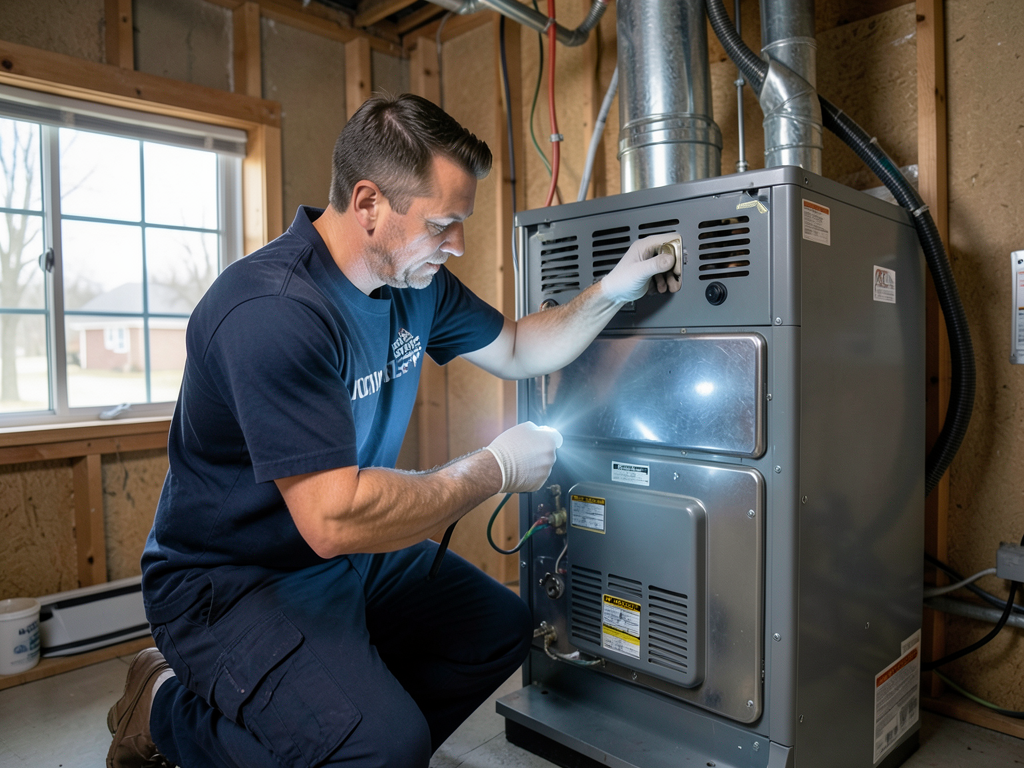
What to look for in an HVAC system when touring homes in Lee-Harvard Buying a home in Lee-Harvard means preparing for Cleveland’s brutal winters and humid summers. The HVAC system determines whether you’ll stay comfortable…
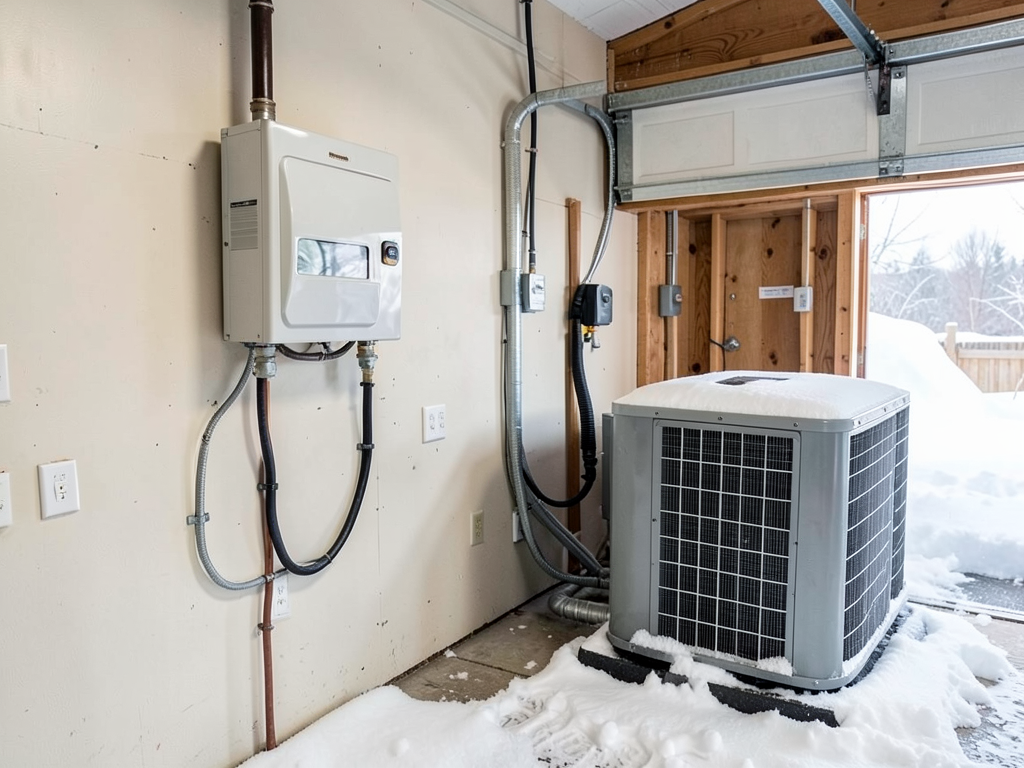
Managing sawdust and air quality in your Puritas-Longmead home workshop Woodworkers in Puritas-Longmead face unique…

Why your HVAC secondary drain pan is filling with water and how to stop a…
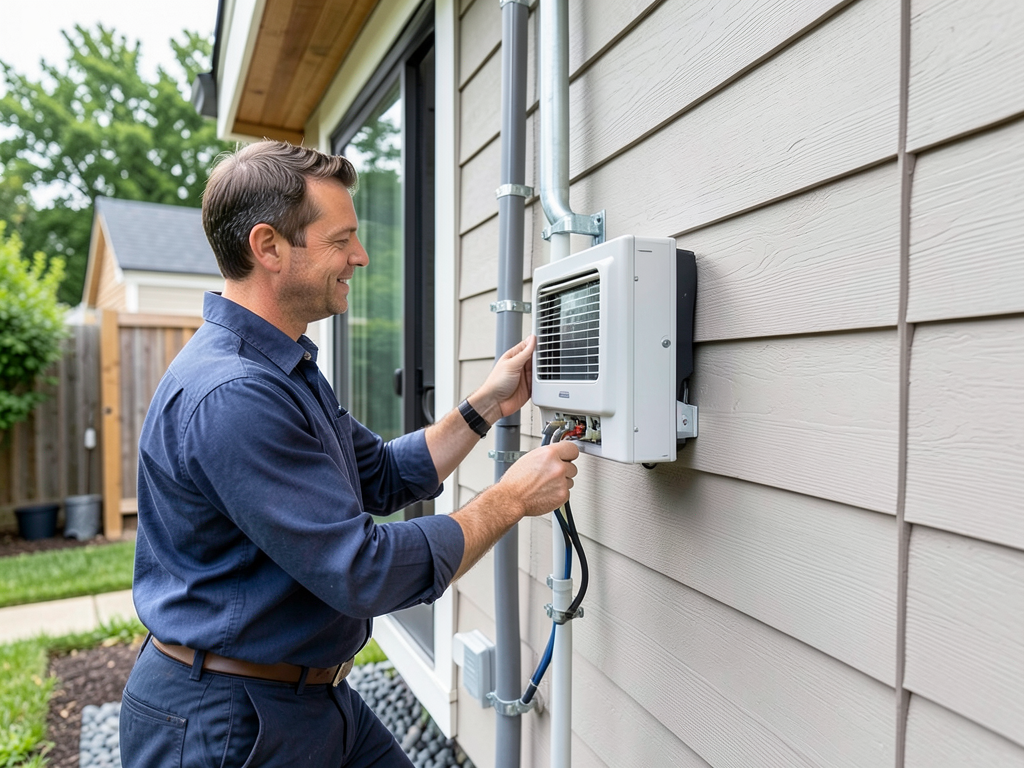
Heating and cooling a backyard tiny home in Clark-Fulton requires careful planning to handle Cleveland's…
Your comfort can't wait. Call (216) 530-9077 now for same-day emergency service or to schedule maintenance. Our Brooklyn-based technicians are ready to diagnose and fix your HVAC problems fast.