
Keeping your pets safe from heat stroke when your Walton Hills AC fails
When the air conditioning goes out during a Cleveland summer heatwave your pets face serious danger within minutes. Heat stroke kills dogs and cats faster than most owners realize especially in Walton Hills where high humidity from Lake Erie makes cooling down nearly impossible. This emergency guide shows you exactly what to do right now to protect your pets and get your AC repaired fast by a trusted local team. EPA refrigerant handling regulations.
Why Cleveland summers put pets at risk
Cleveland’s summer climate creates a perfect storm for pet heat emergencies. July and August often bring temperatures above 85 degrees with relative humidity consistently above 70 percent. That sticky air prevents pets from cooling through panting. When your AC fails indoor temperatures can climb to dangerous levels in under an hour especially in older Walton Hills homes with poor insulation or large south-facing windows.
Certain pets face even higher risk. Brachycephalic breeds like Pugs Bulldogs and Persian cats cannot pant efficiently. Senior pets and those with heart conditions overheat faster. Even healthy young animals can suffer heat exhaustion when indoor temperatures exceed 80 degrees for extended periods.
Immediate steps to cool your pet without AC
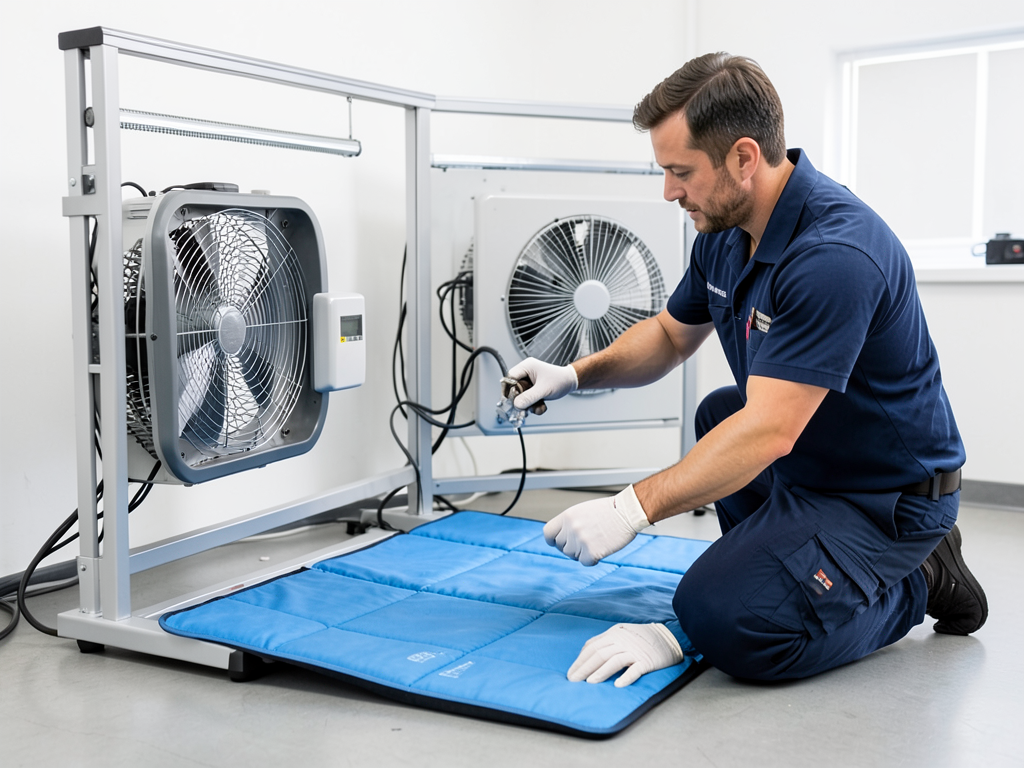
[IMAGE_PLACEHOLDER_1: Technician demonstrating emergency pet cooling station setup with fans and cooling mats]
Move your pet to the coolest room immediately. Basements stay 10 to 15 degrees cooler than upper floors. Close curtains to block sunlight. Place multiple fans around your pet creating cross-ventilation. Put a damp towel in the freezer for 15 minutes then wrap it around your pet’s body avoiding the face.
Offer fresh cool water frequently but do not force drinking. Ice cubes can help but avoid very cold water which may cause stomach upset. If you have a cooling mat or elevated pet bed use it now. Battery-powered fans from camping stores work when power fails.
Signs of heat stroke in dogs and cats
Recognizing heat stroke symptoms saves lives. Early signs include excessive panting drooling and restlessness. As it worsens you may see bright red gums vomiting or diarrhea. Severe cases cause collapse seizures or unconsciousness.
Dogs may show these symptoms within 10 to 15 minutes in extreme heat. Cats often hide their distress making them harder to diagnose. If you notice any of these signs act immediately. Move your pet to a cool area apply cool wet towels to their body and head to the nearest emergency vet. Do not wait.
Temperature thresholds when pets are in danger
[IMAGE_PLACEHOLDER_2: Thermometer graphic showing safe vs dangerous indoor temperatures for pets]
Indoor temperatures above 80 degrees Fahrenheit create risk for most pets. Above 85 degrees heat stroke becomes likely within 30 minutes. At 90 degrees organ damage can occur in under 15 minutes especially for at-risk animals.
Humidity makes these temperatures worse. At 85 degrees with 70 percent humidity the effective temperature feels like 95 degrees to a pet. That is why Cleveland’s muggy summers are particularly dangerous when AC systems fail. How Much Does a New Central Air System Cost in Northeast Ohio?.
Cleveland-specific emergency resources for pet owners
Several 24-hour emergency veterinary clinics serve the Cleveland area. The Animal Emergency and Specialty Center on Cedar Road in Lyndhurst accepts walk-ins anytime. The Metropolitan Veterinary Hospital in Akron provides emergency care 24/7 for Northeast Ohio residents.
For temporary housing during extended outages several local pet boarding facilities offer day rates. The Pet Suites in Independence and Camp Bow Wow in Northfield both have backup generators and air conditioning. Cuyahoga County also maintains cooling centers during extreme heat events though policies on pets vary by location. Fast and Local AC Repair Services in Solon and Surrounding Areas.
Emergency HVAC repair vs. troubleshooting
[IMAGE_PLACEHOLDER_3: Technician checking AC unit with diagnostic tools]
Before calling for emergency service check these items. Verify your thermostat is set to cool and below room temperature. Check your circuit breaker for tripped switches. Look at your outdoor unit to ensure it is running and not frozen over with ice.
If your AC blows warm air or makes clicking sounds without starting you likely need professional help. Refrigerant leaks frozen coils and compressor failures require specialized tools and EPA certification to repair legally under Section 608 of the Clean Air Act.
For Walton Hills residents call (216) 530-9077 for 24/7 emergency service. Our technicians stock common parts and can often restore cooling within two hours of your call.
Hydration strategies and electrolyte safety for pets
Dehydration accelerates heat stroke. Pets lose electrolytes through excessive panting. While plain water works for mild cases severely overheated animals may need electrolyte solutions.
Never give pets human sports drinks which contain toxic levels of sodium and sugar. Veterinary electrolyte powders mixed with water provide safe replenishment. Ice chips can encourage drinking in reluctant pets. Monitor urine output color and frequency to gauge hydration status.
The red zone when heat becomes life-threatening
Certain conditions create immediate danger. Indoor temperatures above 95 degrees with humidity over 60 percent can kill a pet in under 10 minutes. Senior pets overweight animals and those with breathing problems face this risk at lower temperatures.
If your home feels like a sauna to you it feels worse to your pet. When indoor temperatures exceed your ability to cool your pet with fans and water it is time to evacuate. Take your pet to a friend’s air-conditioned home a pet-friendly hotel or the nearest emergency vet.
Portable cooling solutions for power outages
Battery-powered fans personal misters and cooling vests provide crucial backup when electricity fails. Camping and boating stores sell 12-volt fans that plug into car outlets. Chemical cooling packs wrapped in towels offer temporary relief.
Evaporative cooling works best in dry conditions but provides some benefit even in Cleveland’s humidity. A wet bandana around your pet’s neck can lower body temperature by several degrees. Always supervise pets with any cooling device to prevent chewing or ingestion.
Preventing future AC emergencies
Regular maintenance prevents most AC failures. Annual tune-ups catch worn parts before they break. Clean coils and filters improve efficiency and cooling capacity. Checking refrigerant levels ensures your system can handle Cleveland’s hottest days. Commercial HVAC Maintenance for Businesses in Downtown Cleveland.
Consider upgrading older systems especially if your AC is over 10 years old. Modern units cool more efficiently and have better humidity control. Smart thermostats can alert you to temperature spikes when you are away from home.
Special considerations for multi-pet households
When multiple pets share a space the risk compounds. Social dynamics affect cooling behavior. Dominant pets may prevent submissive ones from accessing cool areas or water bowls. Separate pets into different rooms if possible giving each access to cooling resources.
Watch for bullying at water stations. Provide multiple water sources in different locations. Some pets prefer running water from fountains which can encourage drinking during heat stress.
Creating a pet emergency kit for AC failures
Prepare now for the next outage. Your kit should include battery-powered fans cooling mats extra water bottles and a list of emergency vet contacts. Keep a thermometer to monitor indoor temperatures. Include your pet’s medical records and current medications.
Store the kit in an easily accessible location. Practice using the items so you know how they work when panic sets in. Consider keeping a small generator to power essential pet cooling equipment during extended outages.
Why professional AC repair matters for pet safety
DIY repairs often cause more harm than good. Incorrect refrigerant handling releases greenhouse gases and can damage your system. Improper electrical work creates fire hazards. Professional technicians use EPA-approved methods and proper safety equipment.
Local codes require permits for many AC repairs. Unpermitted work can void your home insurance and create liability if a fire or other damage occurs. Professional repair ensures your system operates safely and efficiently protecting both your pets and your home.
Frequently Asked Questions
How quickly can heat stroke kill a pet?
Heat stroke can kill a pet in as little as 10 to 15 minutes in extreme conditions especially for at-risk animals like brachycephalic breeds or seniors.
What indoor temperature is safe for pets?
Indoor temperatures below 80 degrees Fahrenheit are generally safe for most pets. Above 85 degrees risk increases significantly especially with high humidity.
Should I give my pet ice water during a heat emergency?
Offer cool but not ice-cold water. Very cold water can cause stomach upset. Focus on providing fresh cool water frequently and use other cooling methods like fans and damp towels.
How do I know if my pet has heat stroke?
Symptoms include excessive panting drooling bright red gums vomiting diarrhea collapse and seizures. If you see these signs move your pet to a cool area and seek emergency veterinary care immediately.
Can I use a fan alone to cool my pet?
Fans help but work best with other methods. In high humidity fans alone may not prevent heat stroke. Combine fans with cool water cooling mats and moving your pet to the lowest level of your home.
Act now to protect your pets
Heat stroke moves faster than most owners expect. Every minute counts when your AC fails during a Cleveland summer. Move your pets to the coolest room available use fans and damp towels and monitor them closely for distress signs.
If indoor temperatures climb above 85 degrees or you notice heat stroke symptoms do not wait. Take your pets to emergency veterinary care immediately. For AC repair call (216) 530-9077 right now. Our team serves Walton Hills and surrounding areas with 24/7 emergency service to get your cooling system running before your pets face serious danger.
Pick up the phone and call (216) 530-9077 before the next heatwave hits. Your pets depend on you to keep them safe when the AC goes out. For more information, visit AVMA heat stroke resources.
You may also find this helpful. Tenant rights for air conditioning and heating in Painesville rental properties.
You may also find this helpful. Why your HVAC secondary drain pan is filling with water and how to stop a flood.
{
“@context”: “https://schema.org”,
“@type”: “BlogPosting”,
“headline”: “Keeping your pets safe from heat stroke when your Walton Hills AC fails”,
“description”: “Emergency guide for Walton Hills pet owners: protect dogs and cats from heat stroke during AC outages with Cleveland-specific cooling tips and 24/7 HVAC repair.”,
“wordCount”: 1647,
“datePublished”: “2026-05-18T11:11:00.000Z”,
“dateModified”: “2026-05-18T11:11:00.000Z”,
“inLanguage”: “en-US”,
“mainEntityOfPage”: {
“@type”: “WebPage”,
“@id”: “https://acehvaccleveland.com”
},
“publisher”: {
“@type”: “LocalBusiness”,
“name”: “Ace HVAC Cleveland”,
“url”: “https://acehvaccleveland.com”
},
“author”: {
“@type”: “Organization”,
“name”: “Ace HVAC Cleveland”,
“url”: “https://acehvaccleveland.com”
},
“image”: {
“@type”: “ImageObject”,
“url”: “https://acehvaccleveland.com/wp-content/uploads/2026/03/keeping-your-pets-safe-from-heat-stroke-when-your-1.png”
}
}
{
“@context”: “https://schema.org”,
“@type”: “HVACBusiness”,
“name”: “Ace HVAC Cleveland”,
“url”: “https://acehvaccleveland.com”,
“address”: {
“@type”: “PostalAddress”,
“addressLocality”: “Cleveland”
},
“areaServed”: {
“@type”: “City”,
“name”: “Cleveland”
}
}
{
“@context”: “https://schema.org”,
“@type”: “FAQPage”,
“mainEntity”: [
{
“@type”: “Question”,
“name”: “How quickly can heat stroke kill a pet?”,
“acceptedAnswer”: {
“@type”: “Answer”,
“text”: “Heat stroke can kill a pet in as little as 10 to 15 minutes in extreme conditions especially for at-risk animals like brachycephalic breeds or seniors.”
}
},
{
“@type”: “Question”,
“name”: “What indoor temperature is safe for pets?”,
“acceptedAnswer”: {
“@type”: “Answer”,
“text”: “Indoor temperatures below 80 degrees Fahrenheit are generally safe for most pets. Above 85 degrees risk increases significantly especially with high humidity.”
}
},
{
“@type”: “Question”,
“name”: “Should I give my pet ice water during a heat emergency?”,
“acceptedAnswer”: {
“@type”: “Answer”,
“text”: “Offer cool but not ice-cold water. Very cold water can cause stomach upset. Focus on providing fresh cool water frequently and use other cooling methods like fans and damp towels.”
}
},
{
“@type”: “Question”,
“name”: “How do I know if my pet has heat stroke?”,
“acceptedAnswer”: {
“@type”: “Answer”,
“text”: “Symptoms include excessive panting drooling bright red gums vomiting diarrhea collapse and seizures. If you see these signs move your pet to a cool area and seek emergency veterinary care immediately.”
}
},
{
“@type”: “Question”,
“name”: “Can I use a fan alone to cool my pet?”,
“acceptedAnswer”: {
“@type”: “Answer”,
“text”: “Fans help but work best with other methods. In high humidity fans alone may not prevent heat stroke. Combine fans with cool water cooling mats and moving your pet to the lowest level of your home.”
}
}
]
}
{
“@context”: “https://schema.org”,
“@type”: “BreadcrumbList”,
“itemListElement”: [
{
“@type”: “ListItem”,
“position”: 1,
“name”: “Home”,
“item”: “https://acehvaccleveland.com”
},
{
“@type”: “ListItem”,
“position”: 2,
“name”: “Blog”,
“item”: “https://acehvaccleveland.com/blog”
},
{
“@type”: “ListItem”,
“position”: 3,
“name”: “Keeping your pets safe from heat stroke when your Walton Hills AC fails”
}
]
}
{
“@context”: “https://schema.org”,
“@type”: “Service”,
“serviceType”: “HVAC”,
“provider”: {
“@type”: “LocalBusiness”,
“name”: “Ace HVAC Cleveland”,
“url”: “https://acehvaccleveland.com”
},
“areaServed”: {
“@type”: “City”,
“name”: “Cleveland”
},
“description”: “Emergency guide for Walton Hills pet owners: protect dogs and cats from heat stroke during AC outages with Cleveland-specific cooling tips and 24/7 HVAC repair.”
}