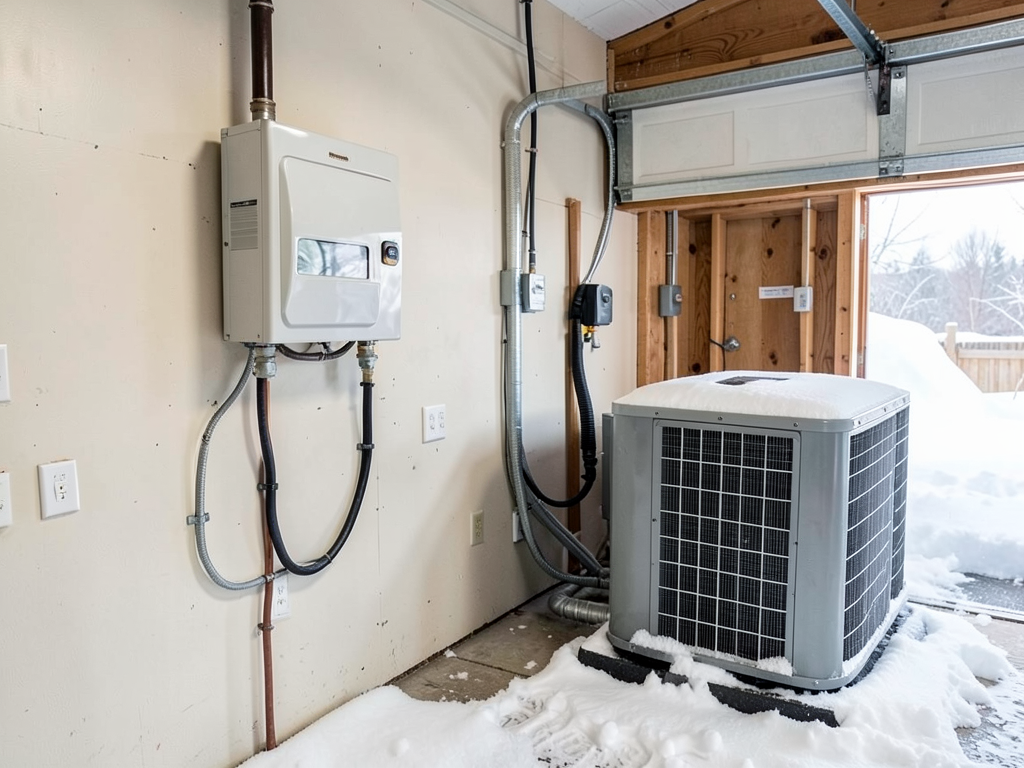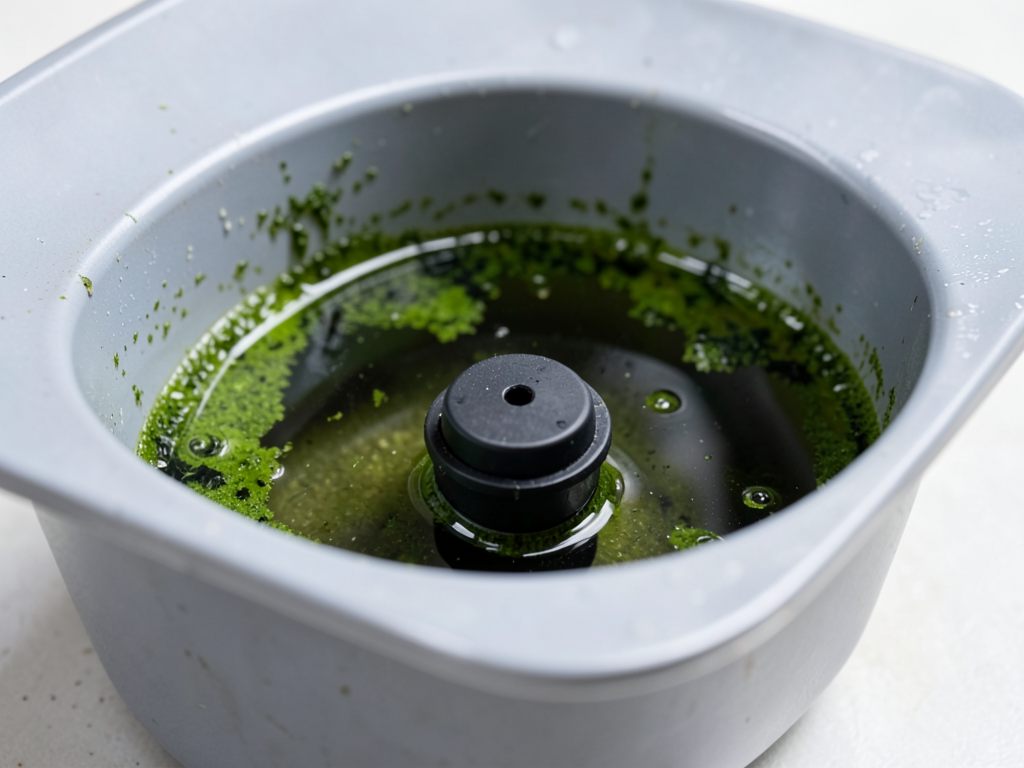


Cleveland's position on Lake Erie creates persistent humidity that accelerates metal corrosion inside furnace cabinets. The lake effect moisture condenses on cold metal surfaces during spring and fall shoulder seasons. This condensation forms rust on heat exchangers, burner assemblies, and blower housings. High-efficiency furnaces using PVC venting corrode faster because acidic condensate collects inside heat exchangers. Your annual inspection must specifically check for rust perforation that compromises heat exchanger integrity. Standard maintenance intervals prevent small rust spots from becoming holes that leak combustion gases into living spaces.
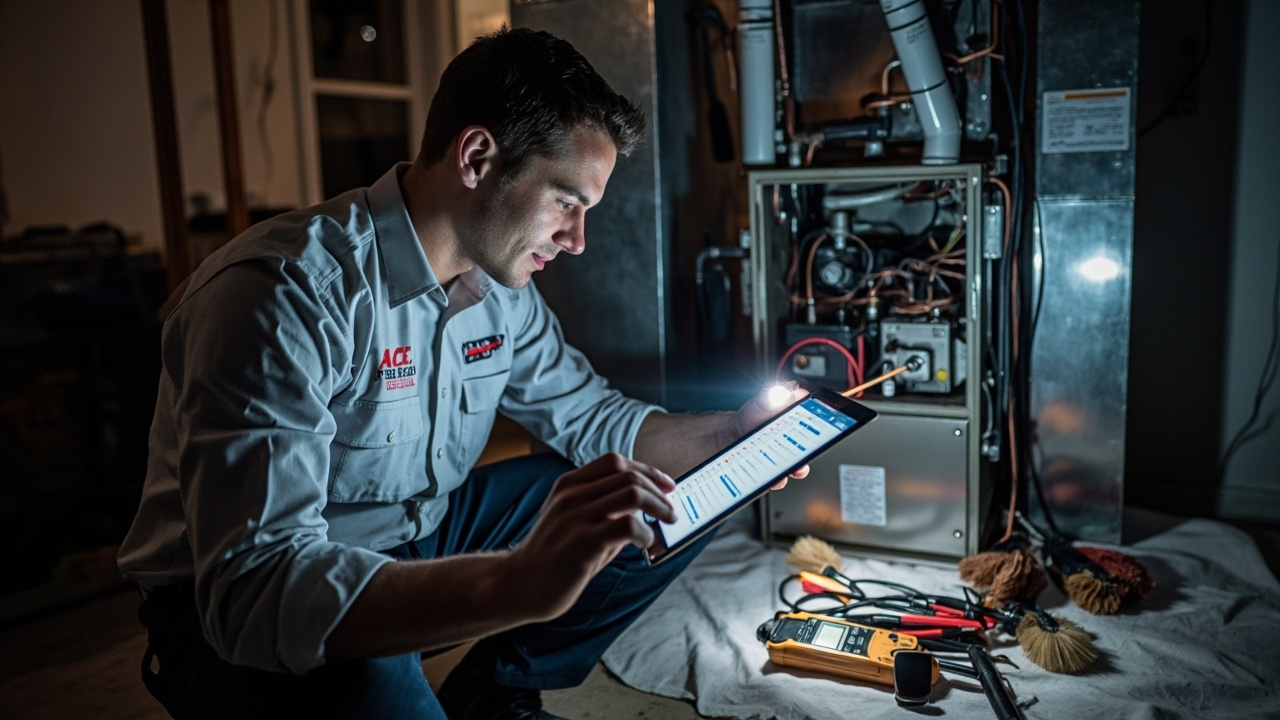
Cleveland's HVAC contractors understand regional moisture challenges that affect furnace longevity. We recognize the difference between surface oxidation common in older furnaces and the aggressive rust patterns indicating imminent failure. Local building inspectors enforce specific codes for combustion air supply in basement furnace installations. These requirements changed in 1995 and again in 2008. Technicians unfamiliar with Cleveland code history miss violations that create carbon monoxide hazards. Our preventative maintenance approach addresses the specific vulnerabilities Lake Erie weather creates rather than applying generic checklists designed for drier climates.