
Menu

Air Purification Systems in Cleveland – Whole-House Solutions That Remove Allergens, Mold Spores, and Industrial Pollutants Year-Round

Central air cleaners and HVAC air purifiers installed by certified technicians who understand Cleveland's unique air quality challenges, from lakefront humidity to seasonal pollen surges and urban particulate matter.

Slider Image 1
Slider Image 2
Slider Image 3
Slider Image 4
Slider Image 5
Slider Image 7
Slider Image 8
Slider Image 9
Slider Image 10
Slider Image 11

Why Cleveland Homes Need More Than Standard Filtration

Cleveland's proximity to Lake Erie creates persistent humidity that fuels mold growth in HVAC ducts and living spaces. The moisture-laden air traps allergens and allows spores to multiply in dark ductwork. Spring brings heavy pollen loads from the Metroparks and surrounding woodlands. Summer humidity climbs above 70 percent regularly. Winter forces homes to stay sealed tight, concentrating indoor pollutants with no natural ventilation.

Industrial emissions from manufacturing corridors along the Cuyahoga Valley add fine particulate matter to outdoor air. That contamination enters your home every time a door opens or your HVAC system draws in fresh air. Standard one-inch furnace filters capture large debris but miss microscopic particles that trigger respiratory symptoms, aggravate asthma, and settle on surfaces throughout your home.

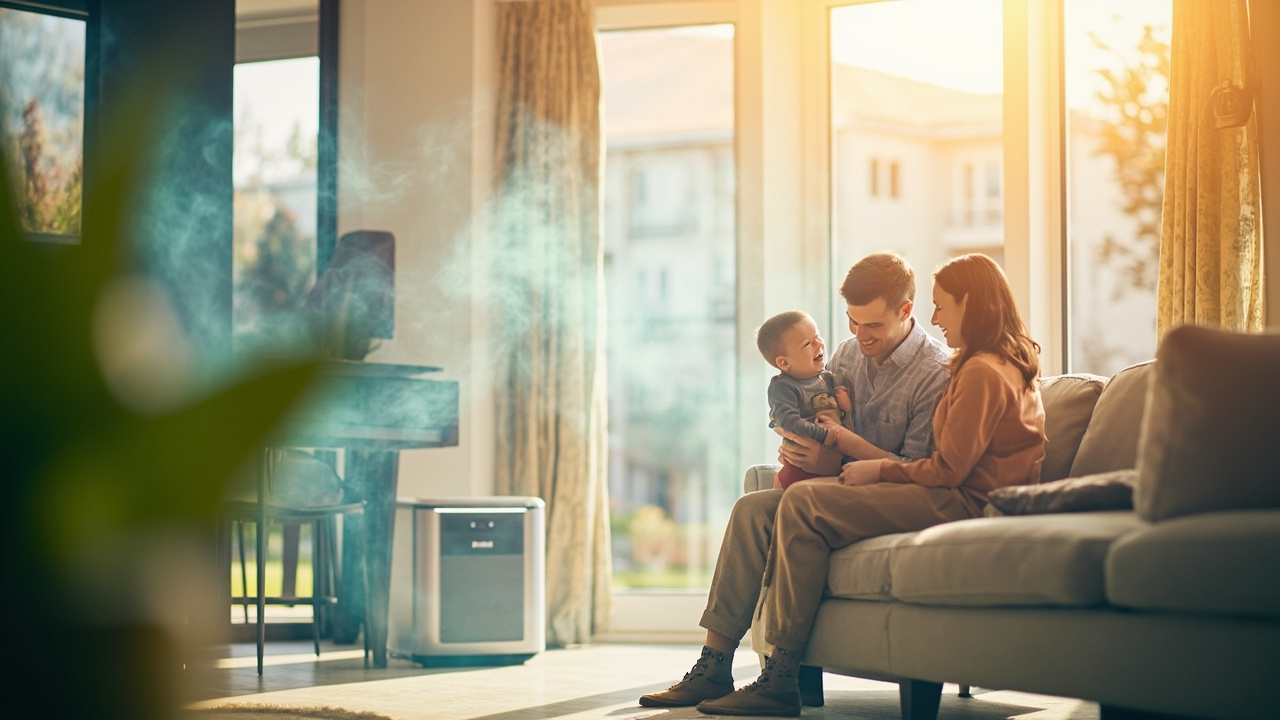
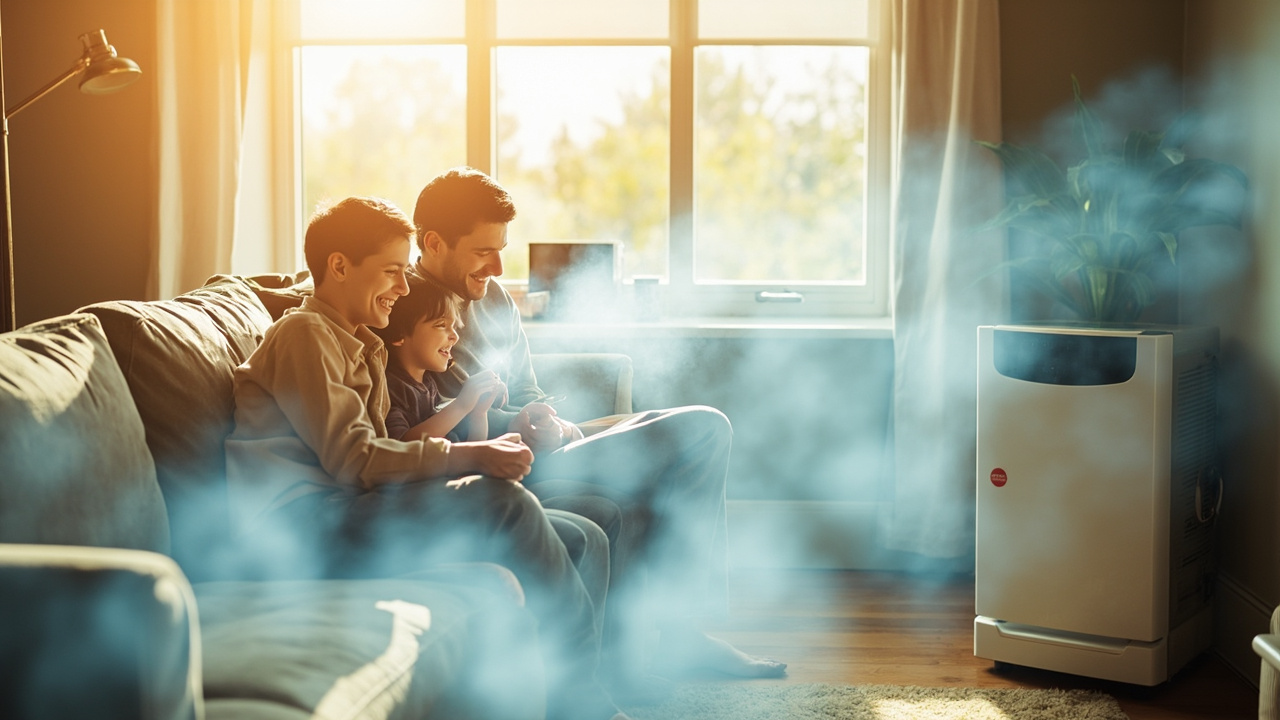
Whole-house air purifiers integrate directly into your central HVAC system to treat every cubic foot of air that circulates. Air filtration systems remove particles down to 0.3 microns, including pollen, pet dander, mold spores, bacteria, and smoke. These systems work continuously, not just when you remember to turn on a portable unit. Air cleaning systems provide consistent protection across every room, not just the space near a standalone device.

Cleveland residents face year-round air quality challenges that require permanent, comprehensive solutions. Central air cleaners installed by trained technicians address the root problem instead of masking symptoms with temporary fixes.

Why Cleveland Homes Need More Than Standard Filtration
How Professional Air Purification Systems Work With Your Existing HVAC

How Professional Air Purification Systems Work With Your Existing HVAC

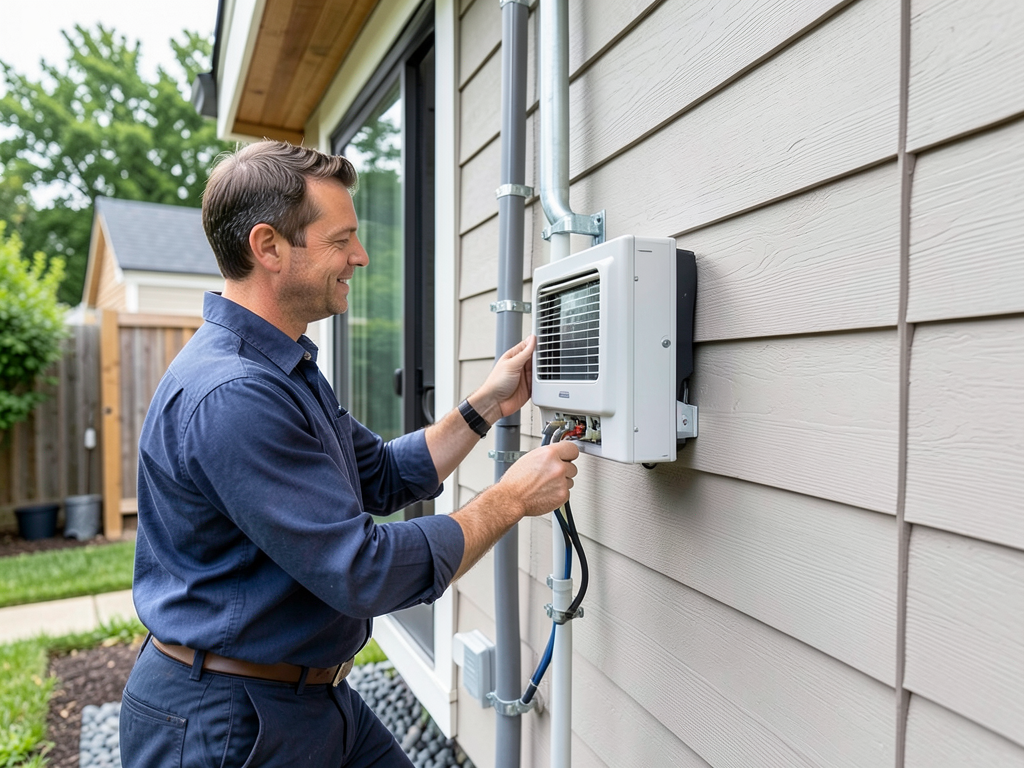
Whole-house air purifiers mount directly into your supply or return plenum, the large metal box connecting your furnace or air handler to your ductwork. This placement ensures treatment of 100 percent of conditioned air before it enters living spaces. We measure static pressure across your system to verify the new filter cabinet does not restrict airflow or force your blower motor to work harder.

High-efficiency particulate air filters use dense media to trap particles through mechanical filtration. The folded design increases surface area without requiring a larger footprint. MERV ratings between 11 and 16 capture fine particles while maintaining adequate airflow for residential systems. We calculate your system's capacity in cubic feet per minute and match the filter's resistance to prevent strain on your equipment.

Electronic air cleaners use ionization to charge particles as they pass through the unit. The charged particles then adhere to collection plates with opposite polarity. This process captures smoke, bacteria, and submicron particles that pass through mechanical filters. Collection plates require periodic cleaning, but the cells last for years with proper maintenance.

UV germicidal lights install in the ductwork or near the evaporator coil to destroy biological contaminants. The ultraviolet-C spectrum disrupts DNA in mold spores, bacteria, and viruses, preventing reproduction. We position lamps to maximize exposure time while protecting occupied spaces from direct UV radiation.

Ace HVAC Cleveland installs systems sized specifically for your equipment and duct configuration. Generic solutions from big-box stores rarely integrate properly with existing infrastructure. Professional installation ensures compatibility with your furnace, air conditioner, and duct design.

What Happens During Your Air Purification System Installation

Air Purification Systems in Cleveland – Whole-House Solutions That Remove Allergens, Mold Spores, and Industrial Pollutants Year-Round
01

System Capacity Assessment

We measure your HVAC system's airflow capacity using a manometer to record static pressure at the blower. This data determines which air cleaning systems can integrate without overworking your equipment. We inspect ductwork for proper sizing, examine the plenum for installation space, and verify electrical capacity for powered units. This assessment prevents compatibility issues that cause premature equipment failure.
02

Custom Filter Integration

The technician cuts an opening in your supply or return plenum and mounts the filter cabinet with a sealed flange. All seams receive mastic sealant to prevent air bypass around the filter media. Powered units require dedicated electrical connections installed to code. We test airflow after installation to confirm the system maintains proper cubic feet per minute across all registers. Filter orientation matters for efficiency and longevity.
03

Baseline Testing and Adjustment

After installation, we run your HVAC system through multiple cycles while measuring temperature split, airflow velocity, and amperage draw on the blower motor. These readings confirm the air purification system integrates without creating performance penalties. You receive documentation of filter specifications, replacement intervals, and maintenance requirements. We explain warning signs that indicate the filter needs service before the scheduled replacement date.

Why Cleveland Homeowners Choose Ace HVAC Cleveland for Air Quality Solutions

Cleveland's housing stock includes century homes in neighborhoods like Ohio City and Tremont, postwar ranches in Parma and Lakewood, and newer construction in suburbs like Westlake. Each architectural style presents unique HVAC configurations. Older homes often have undersized ductwork or gravity furnaces converted to forced air. These systems require careful filter selection to avoid airflow restrictions.

We understand how Cleveland's seasonal extremes affect indoor air quality. Spring pollen from maple, oak, and birch trees overwhelms basic filtration. Summer humidity promotes mold growth in cool, dark ductwork. Winter inversions trap pollution near ground level, and sealed homes concentrate volatile organic compounds from cleaning products, building materials, and cooking.

Ace HVAC Cleveland technicians receive ongoing training on air filtration systems from manufacturers like Aprilaire, Honeywell, and Lennox. We install whole-house air purifiers that integrate with your existing equipment rather than forcing complete system replacement. Our experience with Cleveland's building codes ensures installations meet requirements for electrical work, combustion air, and ventilation.

Local suppliers provide rapid access to replacement filters and parts. You do not wait weeks for components to ship from distant warehouses. We stock common filter sizes and can source specialty media within days. This supply chain advantage keeps your system running without extended downtime.

Cleveland families trust us because we diagnose the actual problem instead of selling unnecessary equipment. Some homes benefit most from better ventilation. Others need humidity control before adding filtration. We assess your specific situation and recommend solutions that address root causes, not symptoms.

What to Expect From Your Air Purification System Installation

Installation Timeline and Scheduling

Most whole-house air purifier installations require three to five hours depending on system complexity and ductwork accessibility. We schedule appointments that fit your availability, including evenings and weekends. The technician arrives with all necessary tools, materials, and the specified equipment. You receive a call 30 minutes before arrival. Simple mechanical filter upgrades take less time than electronic air cleaners requiring dedicated electrical circuits. We complete the work in a single visit unless your ductwork needs modification to accommodate the new equipment.

Pre-Installation Consultation and System Selection

The initial consultation includes questions about specific air quality concerns, health conditions like asthma or allergies, and current HVAC system performance. We inspect your furnace or air handler, measure ductwork, and photograph the installation area. You receive options with clear explanations of how each technology works and what maintenance each requires. We discuss filter replacement costs, cleaning intervals for electronic units, and expected lifespan. This information helps you choose the air cleaning system that matches your priorities and budget without pressure or upselling.

Performance Verification and Air Quality Improvement

After installation, your HVAC system cycles air through the new purification equipment every time the blower runs. Most families notice reduced dust accumulation within two weeks. Allergy symptoms often improve within a month as the system removes accumulated particulates from ductwork and living spaces. We provide documentation showing filter efficiency ratings, airflow measurements, and system specifications. You see measurable improvements in air quality through reduced surface dust, fewer respiratory irritations, and elimination of musty odors from biological growth in ducts.

Ongoing Maintenance and Filter Replacement

Mechanical filters require replacement every six to 12 months depending on usage and local air quality. We offer reminder services and can supply replacement media directly. Electronic air cleaners need collection plate cleaning every three to six months. The cells come out easily for washing with household cleaners. UV lamps lose effectiveness after 12 to 18 months and require bulb replacement. We provide detailed maintenance instructions and offer service plans that include scheduled visits, discounted parts, and priority scheduling for Cleveland homeowners who want hands-off management.

Frequently Asked Questions

You Have Questions,
We Have Answers

What is the best home air purifying system? +

The best home air purification system depends on your specific needs. For Cleveland homes dealing with Lake Erie humidity and seasonal allergens, HEPA filtration paired with UV light technology works well. Whole-home systems integrate with your existing HVAC ductwork to treat every room. Portable units with activated carbon filters handle odors and volatile organic compounds. Look for systems with high CADR ratings, quiet operation, and low maintenance costs. Consider your square footage, local pollen levels, and whether you need mold control. A qualified HVAC technician can assess your indoor air quality and recommend the right filtration solution.

Is there a downside to air purifiers? +

Yes, some downsides exist. Poorly maintained filters become contamination sources, redistributing trapped particles back into your air. Ozone-generating purifiers can irritate lungs and worsen asthma, especially in Cleveland's humid climate. Some units create noise disruption during sleep. Replacement filters add recurring costs. Oversized units waste energy while undersized models fail to clean effectively. Ion generators leave residue on walls and furniture. If you skip professional installation on whole-home systems, improper airflow can strain your HVAC equipment. Choose HEPA-based models, follow maintenance schedules, and avoid ozone technology to minimize these issues.

Do air purifying machines really work? +

Yes, air purifying machines work when properly matched to your space and pollutants. HEPA filters capture 99.97% of particles down to 0.3 microns, including pollen, dust mites, and mold spores common in Cleveland basements. UV light kills bacteria and viruses. Activated carbon removes odors and chemical vapors. The key is choosing the right technology for your specific problem. A purifier rated for 300 square feet will not effectively clean a 600-square-foot room. Regular filter changes maintain performance. Independent testing by organizations like AHAM confirms these technologies reduce airborne contaminants measurably.

What is an air purification system? +

An air purification system removes contaminants from indoor air through filtration, UV sterilization, or electronic methods. Whole-home systems integrate with your HVAC ductwork, treating air as it circulates through your home. Portable units work in individual rooms. HEPA filters trap particulates. UV lamps kill biological contaminants. Activated carbon absorbs gases and odors. Some systems combine multiple technologies. In Cleveland homes, these systems address mold from basement moisture, pollen from seasonal allergies, and dust from older housing stock. Professional installation ensures proper sizing and airflow integration with your heating and cooling equipment.

What to avoid when buying an air purifier? +

Avoid ozone generators marketed as purifiers. They produce lung irritants without effectively cleaning air. Skip models without CADR ratings, which tell you actual cleaning speed. Undersized units waste money without results. Check filter replacement costs before buying. Some cheap models cost more long-term than quality units. Avoid ionic purifiers that leave greasy residue on surfaces. In Cleveland's humid climate, skip units without mold-resistant components. Do not trust vague claims like "kills 99% of germs" without third-party testing proof. Always verify the unit matches your square footage and specific pollutant concerns.

Which air purifier do doctors recommend? +

Doctors typically recommend HEPA-based air purifiers from established manufacturers with AHAM certification. Models combining HEPA filtration with activated carbon work well for patients with asthma, allergies, or respiratory conditions common in Cleveland. Medical-grade units like those used in hospitals offer the highest performance but cost more. For home use, doctors suggest avoiding ozone generators entirely. Look for units with high CADR ratings for smoke, dust, and pollen. Quiet operation matters for bedroom use. Consult your physician about specific needs related to conditions like COPD or severe allergies before purchasing.

What are signs you need an air purifier? +

You need an air purifier if you experience unexplained allergy symptoms indoors, wake with congestion, or notice dust accumulation despite regular cleaning. Visible mold in Cleveland basements signals air quality problems. Pet dander aggravates breathing issues. Nearby traffic or industrial activity brings outdoor pollutants inside. Old homes with settled dust and deteriorating materials release particles. You smell musty odors or notice stuffiness. Family members with asthma or respiratory conditions struggle indoors. Seasonal pollen from Lake Erie vegetation triggers reactions. Cooking odors linger. These signs indicate your indoor air needs filtration.

Is it okay to sleep with an air purifier on all night? +

Yes, you can safely sleep with an air purifier running all night. Continuous operation maintains consistent air quality while you breathe more deeply during sleep. Most modern units operate quietly enough for bedroom use. Running overnight captures dust mites, pet dander, and other allergens that accumulate in bedding. In Cleveland, overnight operation controls humidity-related mold spores. Choose units with sleep modes that dim lights and reduce fan speed. Position the purifier away from your head to minimize white noise disruption. Continuous use actually extends filter life by preventing particle buildup compared to intermittent operation.

Is an air purifier good for your lungs? +

Yes, air purifiers benefit your lungs by removing irritants and allergens. HEPA filtration captures particles that cause inflammation and breathing difficulty. Removing mold spores helps Cleveland residents dealing with basement moisture issues. Cleaner air reduces asthma attacks and allergic reactions. UV purifiers kill airborne bacteria and viruses that cause respiratory infections. Activated carbon removes chemical vapors that irritate airways. However, ozone-generating purifiers harm lungs and worsen conditions. For maximum benefit, combine purification with proper ventilation, humidity control, and regular HVAC maintenance. People with existing lung conditions often notice significant symptom improvement.

Where is the best place to put an air purifier in your home? +

Place your air purifier where you spend the most time, typically bedrooms or living areas. Position units three feet from walls for optimal airflow. In Cleveland homes, basements benefit from purifiers near moisture sources. Avoid corners where air circulation stagnates. Keep units away from curtains or furniture that block intake vents. Elevating portable models on tables improves performance. For whole-home systems, professional ductwork installation ensures even distribution. Place bedroom units across from your bed, not directly beside your head. Avoid bathrooms or kitchens where humidity and grease clog filters faster.

How Lake Erie Humidity and Urban Pollution Make Air Purification Critical in Cleveland

Cleveland sits 569 feet above sea level on Lake Erie's southern shore, creating a microclimate where lake-effect moisture combines with industrial emissions from the Cuyahoga Valley manufacturing corridor. Summer dew points regularly exceed 65 degrees, creating ideal conditions for mold growth in HVAC systems. Spring brings pollen from the Cleveland Metroparks' dense tree canopy. Winter temperature inversions trap vehicle exhaust and particulate matter near ground level. These conditions make whole-house air purifiers essential rather than optional for Cleveland homes. Standard one-inch filters cannot capture the fine particles and biological contaminants that thrive in this environment.

Ace HVAC Cleveland has installed central air cleaners in neighborhoods from Shaker Heights to Rocky River for over a decade. We understand how Cleveland's older housing stock affects ductwork design and filtration options. Our technicians receive ongoing training on Ohio building codes and EPA air quality standards. We maintain relationships with local suppliers to source replacement filters quickly. When you choose a Cleveland-based company, you get technicians who understand lakefront humidity, recognize common duct configurations in Cleveland homes, and respond quickly when you need service. Local expertise prevents the compatibility problems that occur when national chains install generic solutions.
HVAC Services in The Cleveland Area

We are proud to serve the entire Cleveland area, and our service network extends to all surrounding communities. Our centrally located office allows us to dispatch our expert technicians quickly and efficiently to your home or business, ensuring fast response times for all your heating and cooling needs. We invite you to view our service area on the map to see if we can bring our trusted services right to your doorstep. Don't hesitate to reach out to us today to confirm if your location is within our coverage zone.

Address:
Ace HVAC Cleveland, 3095 W 25th St, Cleveland, OH, 44113

Additional Services We Offer

Our news updates

Latest Articles & News from The Blogs

How to stop indoor pool humidity from damaging your Bentleyville home If you own a luxury home with an indoor…

How to stop indoor pool humidity from damaging your Bentleyville home

How to stop indoor pool humidity from damaging your Bentleyville home If you own a luxury home with an indoor…

The best ways to heat a detached garage workshop in Middleburg Heights

The best ways to heat a detached garage workshop in Middleburg Heights Heating a detached garage workshop in Middleburg Heights…

Upgrading your PTAC wall unit in a Gold Coast condo for better efficiency

Upgrading your PTAC wall unit in a Gold Coast condo for better efficiency Living in a Gold Coast condo means…

Contact Us

Call Ace HVAC Cleveland at (216) 530-9077 to schedule your air quality assessment. We evaluate your system, explain your options, and provide upfront pricing with no hidden fees. Stop living with dust, allergens, and stale air when professional solutions exist.