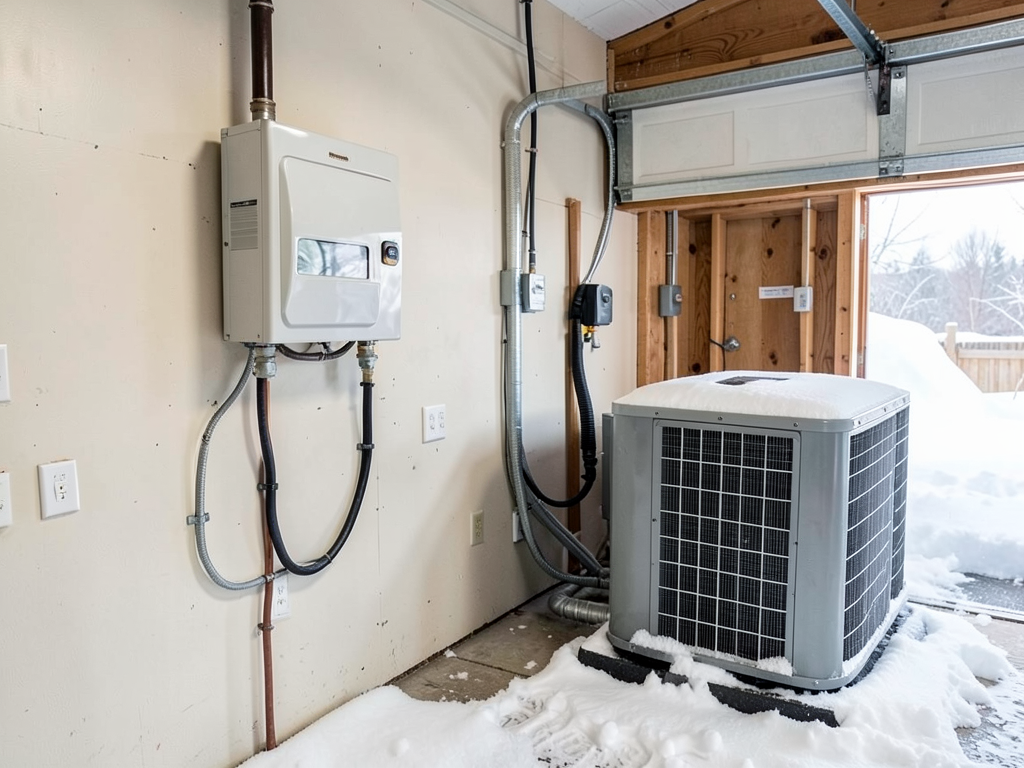


Cleveland's location on Lake Erie creates moisture loads that exceed typical Midwest conditions, forcing commercial cooling systems to remove 30 to 40 percent more water from indoor air compared to inland locations. This constant dehumidification stresses condensate drainage systems, causing pan overflows that trigger emergency shutdowns in buildings with float switches. Retail spaces in Tower City Center and restaurants along the Warehouse District waterfront face accelerated coil corrosion from salt-laden lake air, reducing heat transfer efficiency and increasing compressor runtime. Industrial facilities near the Port of Cleveland combat moisture intrusion that promotes mold growth in ductwork and requires more frequent filter changes to maintain indoor air quality standards.
Cleveland's commercial building codes follow Ohio Mechanical Code requirements that mandate specific ventilation rates and refrigerant safety measures for occupied spaces. We maintain current knowledge of City of Cleveland permitting requirements for refrigerant circuit repairs and compressor replacements, ensuring your business remains compliant during emergency repairs. Our experience serving Cleveland's diverse commercial sectors from healthcare facilities in University Circle to manufacturing plants in the Cuyahoga Valley means we understand how different building types and occupancy classifications affect repair protocols. This local expertise prevents code violations that could delay occupancy or create liability issues during health department or building inspector reviews.