
Heating and cooling a backyard tiny home in Clark-Fulton requires careful planning to handle Cleveland’s extreme seasonal swings. You need a system that delivers efficient comfort during humid summers and brutal winters while fitting the compact footprint of your accessory dwelling unit. How Much Does a New Central Air System Cost in Northeast Ohio?.
The first decision involves understanding your specific needs. A 400-square-foot tiny home in Clark-Fulton faces different challenges than a standard home. You need precise BTU calculations based on square footage, insulation quality, and local climate data. Cleveland’s lake-effect humidity in summer and wind chills that drop below zero in winter demand equipment with high Seasonal Energy Efficiency Ratio (SEER2) and Heating Seasonal Performance Factor (HSPF2) ratings. Fast and Local AC Repair Services in Solon and Surrounding Areas.
Understanding Cleveland’s Climate Impact on Tiny Home HVAC
Cleveland’s climate creates unique HVAC demands for small structures. The city experiences 39 inches of annual snowfall and summer humidity levels that often exceed 70 percent. These conditions mean your tiny home needs both powerful cooling capacity and reliable heating performance. Reliable Boiler Repair Services for Older Lakewood Homes.
Lake Erie moderates winter temperatures slightly but increases moisture content in the air. This moisture can freeze on heat pump coils during extreme cold snaps, reducing efficiency. You need equipment rated for Cleveland’s temperature extremes, typically requiring units that maintain efficiency at temperatures as low as -15°F.
Summer humidity presents another challenge. Without proper dehumidification, your tiny home can feel damp and uncomfortable even when temperatures are moderate. The right system must handle both sensible cooling (temperature) and latent cooling (humidity removal).
Top HVAC Systems for Backyard Tiny Homes
Several HVAC options work well for tiny homes, each with specific advantages for Cleveland’s climate and building constraints.
Ductless Mini-Split Systems
Ductless mini-splits dominate the tiny home market for good reason. These systems consist of an outdoor compressor unit connected to one or more indoor air handlers. They eliminate the need for ductwork, saving valuable space in your compact structure.
For Clark-Fulton tiny homes, look for mini-splits with Hyper-Heat technology. These units maintain heating capacity even when outdoor temperatures plummet. A typical 400-square-foot space needs a 9,000 to 12,000 BTU unit, but Cleveland’s climate may require upsizing to ensure adequate heating during polar vortex events.
Installation involves mounting indoor units on walls or ceilings and running refrigerant lines through small wall penetrations. This minimally invasive process preserves your tiny home’s structural integrity while providing zoned heating and cooling control.
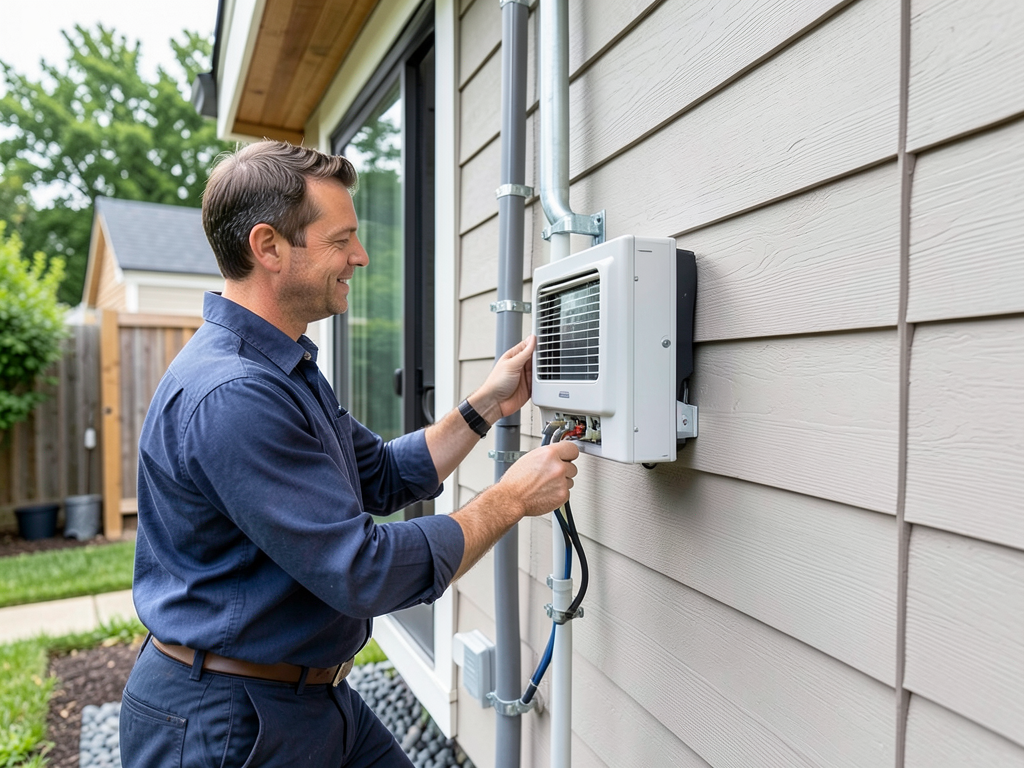
Packaged Terminal Air Conditioners (PTAC)
PTAC units offer another space-saving option. These through-the-wall systems combine heating and cooling in a single unit, similar to what you find in hotels. They work well for tiny homes where wall space is available and ductwork is impractical.
The main advantage is simplicity. PTAC units install directly into exterior walls, requiring only electrical connections. However, they typically offer lower efficiency than mini-splits and may struggle with Cleveland’s humidity levels without supplemental dehumidification.
High-Velocity Systems
High-velocity HVAC systems use small, flexible ducts that fit within tight wall cavities. While more expensive than mini-splits, they provide whole-home comfort without the visual impact of wall-mounted units.
These systems work well for tiny homes built with standard construction methods where some ductwork is possible. The high-velocity air delivery allows for smaller ducts while maintaining adequate airflow for both heating and cooling.
Energy Efficiency and Cost Considerations
Energy efficiency directly impacts your utility costs in a tiny home. Since you’re conditioning a smaller space, every percentage point of efficiency matters more than in a larger home.
Look for units with Energy Star certification and high SEER2 ratings. In Cleveland, aim for at least SEER2 18 for cooling and HSPF2 10 for heating. These ratings ensure your system performs efficiently during both peak summer and winter conditions.
Initial costs vary significantly by system type. Mini-splits typically range from $3,000 to $5,000 installed for a single-zone system suitable for a 400-square-foot tiny home. PTAC units cost less upfront, around $1,500 to $2,500, but have higher operating costs over time.
High-velocity systems represent the premium option, often costing $6,000 to $8,000 installed. However, they provide the most comprehensive comfort solution for year-round Cleveland living.
Local Building Codes and Permitting in Clark-Fulton
Cleveland’s building codes affect your HVAC installation options. The City of Cleveland requires permits for all mechanical system installations, including those in accessory dwelling units.
For tiny homes in Clark-Fulton, you must comply with the 2017 Cleveland Residential Code, which references International Residential Code standards. This includes requirements for proper ventilation, combustion air for gas appliances, and minimum efficiency standards.
Specific considerations for Clark-Fulton include the neighborhood’s mix of historic and modern structures. If your tiny home is part of a historic property renovation, additional preservation guidelines may apply to exterior equipment placement and visual impact.
The Cuyahoga County Board of Health also oversees ventilation requirements for accessory dwelling units. You need to ensure your system provides adequate fresh air exchange, typically requiring either mechanical ventilation or compliance with natural ventilation standards.
Installation Considerations for Clark-Fulton Properties
Clark-Fulton’s urban setting presents specific installation challenges. Many properties have limited yard space, requiring creative solutions for outdoor unit placement.
Noise considerations matter in this dense neighborhood. Mini-split outdoor units should be positioned to minimize sound transmission to neighboring properties. Local noise ordinances may restrict operating hours or require sound barriers in certain situations.
Electrical service capacity is another factor. Older Clark-Fulton homes may have limited electrical service that cannot support additional HVAC equipment. You might need electrical panel upgrades or dedicated circuits for your tiny home’s system.
Winter weather preparation includes protecting outdoor units from snow accumulation and ice damming. Proper mounting height and drainage become critical in preventing system damage during Cleveland’s harsh winters. EPA HVAC efficiency guide.
Maintenance Requirements for Long-Term Performance
Regular maintenance ensures your tiny home HVAC system performs efficiently for years. Cleveland’s climate creates specific maintenance needs that differ from other regions. Commercial HVAC Maintenance for Businesses in Downtown Cleveland.
Filter changes become more critical in tiny homes due to the smaller air volume. You should check and replace filters every one to three months, depending on usage and local air quality conditions.
Coil cleaning prevents efficiency losses. Cleveland’s humidity and air quality can cause dirt and debris buildup on indoor and outdoor coils. Annual professional cleaning maintains optimal heat transfer and system efficiency.
Check refrigerant levels annually. Mini-split systems in Cleveland may experience slight refrigerant loss over time, especially if installed during extreme weather conditions. Low refrigerant levels reduce heating and cooling capacity while increasing energy consumption.
Smart Technology Integration
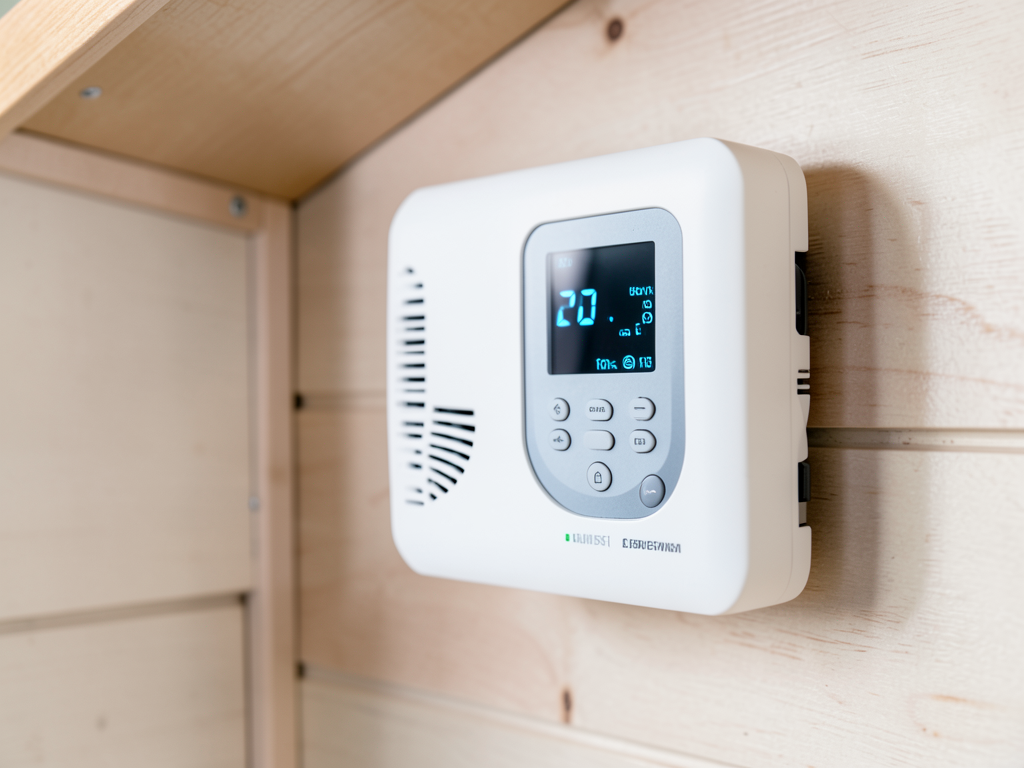
Modern HVAC systems offer smart technology features that enhance comfort and efficiency in tiny homes. Wi-Fi enabled thermostats allow remote control and monitoring, helping you manage energy usage when you’re away.
Many mini-split systems now include smartphone apps that provide real-time performance data, filter change alerts, and energy consumption reports. These features help you optimize system operation for Cleveland’s variable climate.
Voice control integration through Amazon Alexa or Google Assistant adds convenience for adjusting temperatures without physical interaction with wall-mounted controls.
Cost Analysis and Return on Investment
Understanding the financial implications helps you make informed decisions about your tiny home HVAC system. While initial costs vary, efficiency ratings and local utility rates significantly impact long-term operating expenses.
Energy savings calculations show that high-efficiency mini-splits can reduce heating costs by 30 to 50 percent compared to electric resistance heating. In Cleveland, where winter heating represents the largest energy expense, these savings accumulate quickly.
Consider available incentives. FirstEnergy and Ohio Edison offer rebates for high-efficiency HVAC equipment. Federal tax credits under the Inflation Reduction Act provide additional savings for qualifying systems.
The payback period typically ranges from three to seven years, depending on your system choice and local energy rates. After this period, ongoing savings directly benefit your budget.
Common Mistakes to Avoid
Several pitfalls can compromise your tiny home HVAC installation. Understanding these helps you avoid costly errors.
Undersizing systems represents the most common mistake. Cleveland’s extreme temperatures require careful load calculations that account for worst-case scenarios, not just average conditions.
Ignoring humidity control leads to comfort issues. Many homeowners focus solely on temperature control, overlooking the importance of proper dehumidification in Cleveland’s humid summers.
Improper installation causes performance problems. Even high-quality equipment performs poorly if not installed according to manufacturer specifications and local building codes.
Neglecting maintenance reduces system lifespan. Tiny home HVAC systems require consistent care to maintain efficiency and prevent premature failure. HVAC Maintenance & Tune-Ups.
Frequently Asked Questions
What size HVAC system do I need for a 400-square-foot tiny home in Cleveland?
A 400-square-foot tiny home typically requires 9,000 to 12,000 BTU cooling capacity. However, Cleveland’s climate may necessitate upsizing to 12,000 BTU or larger to ensure adequate heating during extreme cold snaps. Professional load calculations account for insulation, window placement, and local climate conditions.
Are mini-splits noisy enough to disturb neighbors in Clark-Fulton?
Modern mini-split systems operate at 20 to 30 decibels indoors, quieter than a whisper. Outdoor units produce 50 to 60 decibels at one foot distance, similar to normal conversation. Proper placement and sound barriers minimize noise impact on neighboring properties in Clark-Fulton’s dense urban setting.
How do I handle humidity control in my tiny home during Cleveland summers?
Choose mini-split systems with dehumidification modes that can remove 2 to 3 pints of moisture per hour. Some units offer dedicated dry mode operation. Additionally, consider installing a small Energy Recovery Ventilator (ERV) to manage humidity while providing fresh air exchange.
Do I need a permit for HVAC installation in my backyard tiny home?
Yes, Cleveland requires permits for all mechanical system installations, including those in accessory dwelling units. You must comply with the 2017 Cleveland Residential Code and obtain proper permits before installation begins. Your HVAC contractor should handle permitting as part of the installation process.
What’s the best way to maximize energy efficiency in a tiny home HVAC system?
Focus on high SEER2 and HSPF2 ratings, proper system sizing, and smart thermostat integration. Choose Energy Star certified equipment and ensure professional installation. Regular maintenance, including filter changes and coil cleaning, maintains peak efficiency throughout the system’s lifespan.
Making Your Decision
Selecting the right HVAC system for your backyard tiny home in Clark-Fulton requires balancing multiple factors: climate performance, space constraints, energy efficiency, and budget considerations.
Start by assessing your specific needs. Consider how you’ll use the space, your comfort preferences, and your long-term plans for the property. Factor in Cleveland’s extreme seasonal variations and the unique characteristics of your tiny home’s construction.
Consult with local HVAC professionals who understand Cleveland’s climate challenges and building codes. They can provide accurate load calculations, recommend appropriate equipment, and ensure proper installation for optimal performance.
Remember that the cheapest option rarely provides the best long-term value. Investing in quality equipment and professional installation pays dividends through lower operating costs, improved comfort, and extended system lifespan.
Your tiny home represents a significant investment in flexible living space. The right HVAC system ensures that investment provides comfort and utility throughout Cleveland’s challenging seasons for years to come.
Next Steps for Your Tiny Home HVAC Project
Ready to install heating and cooling in your backyard tiny home? The first step involves professional assessment of your specific space and needs. An experienced HVAC contractor will evaluate your tiny home’s construction, insulation levels, and local climate factors to recommend the optimal system size and type.
During the assessment, ask about energy efficiency ratings, available rebates, and installation timelines. Understanding these factors helps you make informed decisions that balance upfront costs with long-term operating expenses.
Consider scheduling your installation during off-peak seasons when contractors have more availability and may offer better pricing. Spring and fall often provide ideal conditions for HVAC work in Cleveland.
Don’t forget to discuss maintenance requirements and warranty coverage. A comprehensive maintenance plan ensures your system performs efficiently throughout its lifespan while protecting your investment.
Call (216) 530-9077 today to schedule your tiny home HVAC consultation. Our Cleveland-area experts understand the unique challenges of heating and cooling small spaces in our local climate. We’ll help you choose the perfect system for your backyard tiny home in Clark-Fulton.
Pick up the phone and call (216) 530-9077 before the next cold snap hits. Don’t let another winter pass without proper heating in your backyard tiny home. Our team provides fast, professional installation with transparent pricing and no hidden fees. For more information, visit Energy.gov heat pump guide.
{
“@context”: “https://schema.org”,
“@type”: “BlogPosting”,
“headline”: “Heating and cooling options for your new backyard tiny home in Clark-Fulton”,
“description”: “Discover the best HVAC solutions for your backyard tiny home in Cleveland’s Clark-Fulton neighborhood. Learn about mini-splits, heat pumps, and local codes.”,
“wordCount”: 2082,
“datePublished”: “2026-06-07T13:06:00.000Z”,
“dateModified”: “2026-06-07T13:06:00.000Z”,
“inLanguage”: “en-US”,
“mainEntityOfPage”: {
“@type”: “WebPage”,
“@id”: “https://acehvaccleveland.com”
},
“publisher”: {
“@type”: “LocalBusiness”,
“name”: “Ace HVAC Cleveland”,
“url”: “https://acehvaccleveland.com”
},
“author”: {
“@type”: “Organization”,
“name”: “Ace HVAC Cleveland”,
“url”: “https://acehvaccleveland.com”
},
“image”: {
“@type”: “ImageObject”,
“url”: “https://acehvaccleveland.com/wp-content/uploads/2026/03/heating-and-cooling-options-for-your-new-backyard-1.png”
}
}
{
“@context”: “https://schema.org”,
“@type”: “HVACBusiness”,
“name”: “Ace HVAC Cleveland”,
“url”: “https://acehvaccleveland.com”,
“address”: {
“@type”: “PostalAddress”,
“addressLocality”: “Cleveland”
},
“areaServed”: {
“@type”: “City”,
“name”: “Cleveland”
}
}
{
“@context”: “https://schema.org”,
“@type”: “FAQPage”,
“mainEntity”: [
{
“@type”: “Question”,
“name”: “What size HVAC system do I need for a 400-square-foot tiny home in Cleveland?”,
“acceptedAnswer”: {
“@type”: “Answer”,
“text”: “A 400-square-foot tiny home typically requires 9,000 to 12,000 BTU cooling capacity. However, Cleveland’s climate may necessitate upsizing to 12,000 BTU or larger to ensure adequate heating during extreme cold snaps. Professional load calculations account for insulation, window placement, and local climate conditions.”
}
},
{
“@type”: “Question”,
“name”: “Are mini-splits noisy enough to disturb neighbors in Clark-Fulton?”,
“acceptedAnswer”: {
“@type”: “Answer”,
“text”: “Modern mini-split systems operate at 20 to 30 decibels indoors, quieter than a whisper. Outdoor units produce 50 to 60 decibels at one foot distance, similar to normal conversation. Proper placement and sound barriers minimize noise impact on neighboring properties in Clark-Fulton’s dense urban setting.”
}
},
{
“@type”: “Question”,
“name”: “How do I handle humidity control in my tiny home during Cleveland summers?”,
“acceptedAnswer”: {
“@type”: “Answer”,
“text”: “Choose mini-split systems with dehumidification modes that can remove 2 to 3 pints of moisture per hour. Some units offer dedicated dry mode operation. Additionally, consider installing a small Energy Recovery Ventilator (ERV) to manage humidity while providing fresh air exchange.”
}
},
{
“@type”: “Question”,
“name”: “Do I need a permit for HVAC installation in my backyard tiny home?”,
“acceptedAnswer”: {
“@type”: “Answer”,
“text”: “Yes, Cleveland requires permits for all mechanical system installations, including those in accessory dwelling units. You must comply with the 2017 Cleveland Residential Code and obtain proper permits before installation begins. Your HVAC contractor should handle permitting as part of the installation process.”
}
},
{
“@type”: “Question”,
“name”: “What’s the best way to maximize energy efficiency in a tiny home HVAC system?”,
“acceptedAnswer”: {
“@type”: “Answer”,
“text”: “Focus on high SEER2 and HSPF2 ratings, proper system sizing, and smart thermostat integration. Choose Energy Star certified equipment and ensure professional installation. Regular maintenance, including filter changes and coil cleaning, maintains peak efficiency throughout the system’s lifespan.”
}
}
]
}
{
“@context”: “https://schema.org”,
“@type”: “BreadcrumbList”,
“itemListElement”: [
{
“@type”: “ListItem”,
“position”: 1,
“name”: “Home”,
“item”: “https://acehvaccleveland.com”
},
{
“@type”: “ListItem”,
“position”: 2,
“name”: “Blog”,
“item”: “https://acehvaccleveland.com/blog”
},
{
“@type”: “ListItem”,
“position”: 3,
“name”: “Heating and cooling options for your new backyard tiny home in Clark-Fulton”
}
]
}
{
“@context”: “https://schema.org”,
“@type”: “Service”,
“serviceType”: “HVAC”,
“provider”: {
“@type”: “LocalBusiness”,
“name”: “Ace HVAC Cleveland”,
“url”: “https://acehvaccleveland.com”
},
“areaServed”: {
“@type”: “City”,
“name”: “Cleveland”
},
“description”: “Discover the best HVAC solutions for your backyard tiny home in Cleveland’s Clark-Fulton neighborhood. Learn about mini-splits, heat pumps, and local codes.”
}