


Strongsville's position in northern Ohio creates specific demands on heating and cooling systems. The city sits in the Lake Erie snow belt, where moisture-heavy lake effect weather combines with temperature swings that stress HVAC equipment harder than inland areas. Winter temperatures regularly drop below 20 degrees, forcing furnaces to run constantly for months. Summer humidity from the lake drives air conditioners to work overtime removing moisture, not just cooling air.
The soil composition around Mill Stream Run Reservation and throughout Cuyahoga County contains high clay content. This causes settling that stresses ductwork connections and creates air leaks in crawl spaces and basements. Homes near Pearl Road and Royalton Road built in the 1970s and 1980s often have original ductwork that has separated at joints from decades of ground movement.
Strongsville also enforces Ohio building codes that require specific ventilation standards for newer construction. Systems installed before these updates often lack proper fresh air intake, creating pressure imbalances that reduce efficiency and comfort. Understanding these local factors matters when diagnosing why a system underperforms or fails prematurely.
Ace HVAC Cleveland has served Strongsville and greater Cleveland for years, building a reputation for honest service and reliable repairs. We answer our phones, show up when we say we will, and fix problems instead of selling unnecessary replacements. Our technicians live and work in the area, so they understand the specific challenges Lake Erie weather creates for HVAC systems.
We invest in ongoing training because HVAC technology changes constantly. Variable speed systems, two-stage compressors, and smart thermostats require different diagnostic approaches than older equipment. Our trucks carry an extensive parts inventory, which means most repairs get completed the same day without waiting for special orders. When we do recommend replacement, we explain exactly why and show you the failed component.
Transparency drives our business. We provide written estimates before starting work, explain what we find during inspections, and never pressure you into upgrades you don't need. Many Strongsville families call us first because they know we respect their time and budget. We also coordinate with local suppliers and know which equipment holds up best in northeastern Ohio's demanding climate.
Our emergency service runs 24/7 because HVAC failures don't wait for business hours. A failed furnace at midnight in January is dangerous, and a broken air conditioner during a heat wave affects health. We prioritize emergencies and dispatch technicians fast, usually within an hour of your call during critical situations.

Our trucks carry extensive parts inventory and diagnostic equipment to complete most repairs during the first visit. We stock components for major brands and common failure points, eliminating delays waiting for parts orders. When you call Ace HVAC Cleveland, you get your system fixed today.

We show you the problem and explain your options without pressure. Our technicians use digital tools to measure system performance and identify root causes, not just symptoms. You get written estimates before we start work and understand exactly what you're paying for.
Our technicians know Strongsville homes and the specific challenges northeastern Ohio weather creates. We understand lake effect moisture, freeze-thaw cycles, and soil settling issues that affect ductwork. This local knowledge helps us diagnose problems faster and recommend solutions that last.
Ace HVAC Cleveland handles every aspect of residential heating and cooling in Strongsville. We repair all major brands of furnaces, air conditioners, heat pumps, and ductless systems. Our service range covers emergency breakdowns, seasonal maintenance, air quality improvements, and complete system replacements when equipment reaches end of life.
HVAC service breaks down into three main categories based on what your system needs. Emergency repair addresses sudden failures that leave you without heating or cooling. Preventive maintenance catches problems before they cause breakdowns and keeps systems running efficiently. System replacement and installation handles equipment that's beyond economic repair or grossly inefficient. Each category requires different expertise and approaches, but all focus on restoring comfort and reliability to your home.
We also handle related services like duct cleaning, insulation upgrades, and thermostat installation. Northern Ohio's climate demands that all these components work together properly. A perfectly functioning furnace still wastes energy if ductwork leaks or insulation fails. We evaluate your complete system and identify where improvements deliver the best return.
When your furnace quits or your air conditioner stops cooling, you need help immediately. We dispatch technicians fast for emergency HVAC failures across Strongsville. Our trucks carry diagnostic equipment and common replacement parts to complete most repairs the same day. We fix failed ignitors, seized compressors, broken thermostats, refrigerant leaks, and electrical failures on all major brands. Emergency service runs around the clock because equipment failures don't wait for convenient times.
Regular maintenance prevents most emergency breakdowns and extends equipment life. We inspect, clean, and test your system before heating and cooling seasons start. This includes checking refrigerant levels, testing electrical connections, cleaning coils, inspecting ductwork, replacing filters, and measuring airflow. We catch worn components before they fail and identify efficiency problems that cost you money. Annual maintenance keeps your warranty valid and reduces energy bills.
When repair costs approach replacement value or your system exceeds 15 years old, new installation makes financial sense. We assess your home's heating and cooling needs, recommend properly sized equipment, and handle complete installation including ductwork modifications if needed. Our installations follow manufacturer specifications and Ohio building codes. We also remove and dispose of old equipment properly and file required permits with Strongsville building department.
Strongsville's climate and housing stock create specific patterns of HVAC failures. The combination of lake effect moisture, freeze-thaw cycles, and aging equipment in established neighborhoods leads to predictable problems. Understanding these common issues helps homeowners recognize warning signs before minor problems become expensive emergencies.
Many Strongsville homes were built between 1970 and 1990 when energy codes were less strict. These houses often have undersized ductwork, poor insulation, and original equipment that has exceeded design life. Newer construction in developments near SouthPark Mall faces different challenges, including improperly sized systems installed by builders focused on lowest bid rather than optimal performance.
The soil conditions around Mill Stream Run and throughout the area cause settling that affects ductwork over time. Joints separate, creating air leaks that reduce efficiency and comfort. Basements and crawl spaces develop moisture issues from clay soil that doesn't drain well, leading to rust and mold in ductwork and equipment.
Gas furnaces in Strongsville commonly fail at the ignitor during the coldest weather. The electronic ignitor cracks from repeated heating cycles and moisture exposure in basements. When this component fails, the furnace won't light even though you hear it trying. This happens most often in systems over 10 years old during extended cold snaps.
Air conditioner compressors fail from moisture damage and electrical issues caused by lake effect humidity. The outdoor unit sits exposed to moisture year-round, and Strongsville's damp climate accelerates corrosion. Compressors also fail when refrigerant levels drop slowly from tiny leaks, causing the unit to run hot until it seizes.
Soil settling throughout Strongsville causes ductwork joints to separate in crawl spaces and basements. This creates air leaks that waste conditioned air and reduce comfort in certain rooms. You notice some rooms stay too hot or cold while others feel fine. High clay content in local soil causes more foundation movement than sandy areas.
Older thermostats lose calibration and fail to accurately read temperature. Mercury switches corrode, and digital models lose connection to HVAC systems. Location matters too. Thermostats installed on exterior walls or near windows give false readings that cause your system to cycle improperly, wasting energy and reducing comfort throughout your home.
We respect your time and property. When you call Ace HVAC Cleveland, you talk to a real person who listens to your problem and schedules service quickly. We provide arrival windows and call ahead so you're not waiting around all day. Our technicians arrive in marked trucks, wear identification, and treat your home with care.
During the visit, we diagnose the problem thoroughly before recommending solutions. You get a clear explanation of what failed, why it happened, and what options you have. We provide written estimates for any work beyond basic service calls and start repairs only after you approve the cost. No surprises, no pressure.
After completing work, we test the system to confirm proper operation and clean up completely. You receive documentation of what we did and recommendations for preventing future problems. We also answer questions about your system and explain how to maximize efficiency and lifespan. Our goal is fixing your problem and helping you understand your HVAC system better.
We answer phones promptly and schedule service as quickly as possible, often same-day for emergencies. You receive a realistic arrival window, and we call ahead when the technician is on the way. During the visit, we explain findings in plain language without technical jargon or pressure. You understand what's wrong, what it costs to fix, and why we recommend specific solutions.
Our technicians use digital diagnostic tools to identify root causes, not just symptoms. We measure airflow, test electrical components, check refrigerant levels, and inspect all system parts. You receive written estimates before we start repairs, with clear breakdown of parts and labor. We explain warranty coverage and show you the failed component when possible.
After finishing repairs, we run your system through complete cycles to confirm proper operation. We adjust settings for optimal performance and show you how everything works. You get documentation of work completed and recommendations for maintenance. If questions come up later, call us. We stand behind our work and want your system running reliably.
HVAC service shouldn't be complicated or stressful. We've streamlined our process to get your system fixed fast while keeping you informed at every step.
Call (216) 530-9077 and describe your problem. We schedule service quickly, often same-day for emergencies. You receive a realistic arrival window and a call when the technician is on the way. Our dispatcher asks basic questions about your system and symptoms to help the technician arrive prepared with likely parts and tools needed for your repair.
The technician inspects your system thoroughly, using diagnostic equipment to identify the problem. We explain what failed, what caused it, and what repair options you have. You receive a written estimate with parts and labor broken down clearly. Once you approve the work and cost, we proceed with repairs using quality parts.
We complete the repair efficiently and test your system through full heating or cooling cycles to confirm proper operation. The technician explains what was done, answers your questions, and provides maintenance recommendations. You receive documentation of the work and warranty information. We clean up completely and haul away any replaced components.
Ohio follows the International Mechanical Code with state-specific amendments that affect HVAC installation and repair in Strongsville. These codes specify minimum efficiency ratings, ventilation requirements, and safety standards for residential systems. Gas furnaces must meet AFUE ratings of 80 percent or higher for new installations, though systems installed before code updates may be lower. Air conditioning equipment must meet SEER ratings of 14 or above for central systems.
Cuyahoga County requires permits for complete system replacements and substantial modifications to existing equipment. This includes changing fuel types, relocating equipment, or adding new ductwork zones. Permits ensure installations meet code and receive proper inspection. The building department checks refrigerant handling procedures, electrical connections, combustion air supply, and venting for gas appliances.
Proper refrigerant handling follows EPA Section 608 regulations that require technician certification and recovery equipment. We cannot legally vent refrigerant to atmosphere during repairs or removal. Any work on refrigerant circuits requires certified technicians and proper recovery procedures. Ohio law also requires carbon monoxide detectors in homes with fuel-burning appliances, which includes most furnaces and boilers.
Equipment sizing follows Manual J load calculation standards published by Air Conditioning Contractors of America. This methodology accounts for home square footage, insulation levels, window area, orientation, and occupancy. Oversized systems cost more to install, cycle frequently, and fail to control humidity properly. Undersized equipment runs constantly and never achieves comfortable temperatures. Proper sizing requires detailed measurements and calculations specific to your home.
Ductwork design follows Manual D standards that specify proper sizing based on airflow requirements for each room. Ducts that are too small create noise and reduce airflow. Oversized ducts allow air to slow down and dump out of registers improperly. Return air sizing is especially critical because inadequate return air creates pressure imbalances that reduce efficiency and comfort throughout the home.
AFUE measures furnace efficiency as a percentage of fuel converted to heat. SEER measures air conditioner efficiency, with higher numbers indicating better performance. Ohio code requires minimum ratings, but higher efficiency equipment reduces operating costs long-term. We help you balance upfront cost against energy savings when selecting replacement systems.
A common guideline suggests replacement when repair cost exceeds 50 percent of new equipment value for systems over 10 years old. Age matters because efficiency degrades over time and parts become scarce. We provide honest assessment of remaining lifespan and repair costs to help you decide whether fixing or replacing makes better financial sense.
HVAC equipment prices and availability fluctuate seasonally. Fall offers better pricing on furnaces as demand drops after summer. Spring provides deals on air conditioners before cooling season starts. Emergency replacements during peak demand cost more and limit equipment selection. Planning replacements during shoulder seasons saves money and provides better equipment choices.
Strongsville requires permits for system replacements and major modifications through the building department. Permits ensure installations meet code and receive inspection. The process adds time to installation but protects you by confirming safety standards and proper installation. We handle permit applications and coordinate inspections as part of our installation service.
This video explains common HVAC problems in Strongsville, Ohio homes caused by lake effect weather, soil conditions, and aging equipment. Learn why furnaces fail during cold weather, what causes air conditioner breakdowns, how ductwork develops leaks, and when to repair versus replace your system. Covers Ohio building codes, efficiency ratings, and seasonal maintenance requirements for residential heating and cooling systems in northeastern Ohio.
Ace HVAC Cleveland serves all of Strongsville and the greater Cleveland metro area. We work throughout established neighborhoods near the Strongsville Recreation Center and newer developments around SouthPark Mall. Our service area extends to homes along Pearl Road, Royalton Road, and Boston Road where both older and recently built properties require different HVAC approaches.
The northeastern section of Strongsville near Mill Stream Run Reservation includes many homes built in the 1970s and 1980s with original HVAC systems nearing end of life. These properties often have ductwork affected by soil settling common throughout Cuyahoga County. We're familiar with the specific challenges these homes face, including undersized equipment and outdated thermostats that waste energy.
Southwest Strongsville features newer construction with modern HVAC systems, but builders sometimes install undersized equipment to meet budget targets. We help homeowners in these areas identify whether comfort problems stem from equipment failure or inadequate initial installation. The area around Albion Road and Drake Road sees particularly heavy lake effect snow, which stresses heating systems during extended cold periods.
Western Strongsville along the Medina County border includes a mix of housing styles from different eras. Homes near the Cleveland Metroparks boundaries often sit on larger lots with more complex ductwork routing to detached garages and additions. These properties benefit from zone control systems that we install and service.
We also serve surrounding communities including North Royalton, Middleburg Heights, Berea, and Brunswick. Our central location allows fast response times throughout the region, usually within an hour for emergency service. Proximity to major routes like I-71 and Route 82 helps our technicians reach customers quickly regardless of which part of greater Cleveland you call home. Whether you live in an established neighborhood or new development, we understand the local factors that affect HVAC performance and longevity.
The $5000 rule is a quick guideline to decide between repair or replacement. Multiply the age of your system by the repair cost. If the result exceeds $5000, replacement makes more financial sense. For example, a 12-year-old furnace needing a $500 repair equals $6000, suggesting replacement is smarter. In Strongsville, where winter demands reliable heat and summer humidity requires efficient cooling, this rule helps you avoid sinking money into aging equipment. Consider your system's efficiency, remaining lifespan, and energy costs when making your decision.
Replacing an HVAC system for a 2000 square foot home typically requires a 2.5 to 3.5-ton unit. System type, efficiency rating, ductwork condition, and installation complexity all affect the final investment. In Strongsville, where seasonal extremes stress both heating and cooling components, proper sizing is critical. A unit too small struggles during July humidity and January cold snaps. A unit too large cycles inefficiently and wastes energy. Your home's insulation, window quality, and layout also influence equipment selection and installation requirements.
A 3000 square foot home generally needs a 3.5 to 5-ton HVAC system. Exact sizing depends on ceiling height, insulation quality, window efficiency, and sun exposure. Strongsville homes with older insulation or large south-facing windows may need larger capacity. Two-story layouts require careful zone balancing to prevent upper floors from overheating in summer. Your ductwork condition matters too. Leaky or undersized ducts reduce efficiency and comfort regardless of equipment size. Proper load calculation prevents oversizing, which causes short cycling and humidity problems.
The $5000 rule is a quick guideline to decide between repair or replacement. Multiply the age of your system by the repair cost. If the result exceeds $5000, replacement makes more financial sense. For example, a 12-year-old furnace needing a $500 repair equals $6000, suggesting replacement is smarter. In Strongsville, where winter demands reliable heat and summer humidity requires efficient cooling, this rule helps you avoid sinking money into aging equipment. Consider your system's efficiency, remaining lifespan, and energy costs when making your decision.
Replacing an HVAC system for a 2000 square foot home typically requires a 2.5 to 3.5-ton unit. System type, efficiency rating, ductwork condition, and installation complexity all affect the final investment. In Strongsville, where seasonal extremes stress both heating and cooling components, proper sizing is critical. A unit too small struggles during July humidity and January cold snaps. A unit too large cycles inefficiently and wastes energy. Your home's insulation, window quality, and layout also influence equipment selection and installation requirements.
A 3000 square foot home generally needs a 3.5 to 5-ton HVAC system. Exact sizing depends on ceiling height, insulation quality, window efficiency, and sun exposure. Strongsville homes with older insulation or large south-facing windows may need larger capacity. Two-story layouts require careful zone balancing to prevent upper floors from overheating in summer. Your ductwork condition matters too. Leaky or undersized ducts reduce efficiency and comfort regardless of equipment size. Proper load calculation prevents oversizing, which causes short cycling and humidity problems.
Common HVAC problems include refrigerant leaks, dirty filters, thermostat failures, and blower motor issues. Frozen evaporator coils happen when airflow drops or refrigerant runs low. Ignition problems plague furnaces during Strongsville's cold winters. Drainage clogs cause water damage, especially during humid summer months when condensate production peaks. Capacitor failures prevent compressors and fans from starting. Ductwork leaks waste conditioned air and spike energy bills. Strange noises, weak airflow, short cycling, and uneven temperatures signal underlying issues requiring professional diagnosis.
The average cost of a new HVAC system depends on equipment type, efficiency rating, home size, and installation complexity. Basic systems cost less than high-efficiency models with variable-speed technology and advanced controls. In Strongsville, where heating and cooling loads both matter, many homeowners choose mid-efficiency equipment that balances performance and investment. Ductwork modifications, electrical upgrades, and permit fees add to the base equipment price. Your existing infrastructure condition significantly affects installation labor. Request multiple quotes and compare equipment specifications carefully.
In 2025, certain high-efficiency HVAC systems may qualify for federal tax credits under energy efficiency programs. Equipment must meet specific efficiency thresholds. Heat pumps, central air conditioners, and furnaces with qualifying ENERGY STAR ratings may be eligible. Tax credits typically cover a percentage of equipment and installation costs, subject to maximum limits. State and utility rebate programs may offer additional incentives. Consult a tax professional to confirm eligibility based on your specific installation and current tax law. Save all receipts and manufacturer certifications for documentation.
The average HVAC system lasts 15 to 20 years with proper maintenance. Furnaces often reach 20 years, while air conditioners typically last 15 to 18 years. In Strongsville, where systems work hard during humid summers and freezing winters, lifespan depends heavily on maintenance quality. Regular filter changes, annual tune-ups, and prompt repairs extend equipment life. Poor installation, neglected maintenance, and oversized equipment shorten lifespan. Heat pumps, which run year-round, may wear faster than split systems. Quality brands and proper sizing improve longevity.
A 16 SEER system is more efficient than 13 SEER, using less electricity to produce the same cooling. Higher efficiency means lower monthly bills, especially during Strongsville's humid summers when air conditioners run frequently. The difference in operating cost depends on usage hours and electricity rates. A 16 SEER unit costs more upfront but recovers the investment through energy savings over time. If you plan to stay in your home long-term, 16 SEER makes financial sense. For short-term ownership, 13 SEER may suffice.
HVAC replacement costs in 2025 will reflect ongoing supply chain stabilization and labor market conditions. Equipment prices remain influenced by refrigerant regulations and efficiency standards. In Strongsville, expect costs to vary based on system type, size, and efficiency level. Installation complexity, ductwork condition, and necessary upgrades affect labor charges. Spring and fall typically offer better pricing than peak summer and winter seasons. Financing options and manufacturer rebates can offset upfront investment. Get detailed written estimates comparing equipment specifications, warranties, and installation scope before committing.
The best months to buy an HVAC system are April, May, September, and October. These shoulder seasons fall between peak demand periods, giving contractors more availability and flexibility on pricing. In Strongsville, replacing your system before summer humidity or winter cold arrives prevents emergency breakdowns when you need comfort most. Manufacturers often release new models in spring, making previous-year inventory more affordable. Fall offers similar advantages as contractors prepare for slower winter months. Avoid July and January when emergency demand drives prices up and scheduling becomes difficult.
Common HVAC problems include refrigerant leaks, dirty filters, thermostat failures, and blower motor issues. Frozen evaporator coils happen when airflow drops or refrigerant runs low. Ignition problems plague furnaces during Strongsville's cold winters. Drainage clogs cause water damage, especially during humid summer months when condensate production peaks. Capacitor failures prevent compressors and fans from starting. Ductwork leaks waste conditioned air and spike energy bills. Strange noises, weak airflow, short cycling, and uneven temperatures signal underlying issues requiring professional diagnosis.
The average cost of a new HVAC system depends on equipment type, efficiency rating, home size, and installation complexity. Basic systems cost less than high-efficiency models with variable-speed technology and advanced controls. In Strongsville, where heating and cooling loads both matter, many homeowners choose mid-efficiency equipment that balances performance and investment. Ductwork modifications, electrical upgrades, and permit fees add to the base equipment price. Your existing infrastructure condition significantly affects installation labor. Request multiple quotes and compare equipment specifications carefully.
In 2025, certain high-efficiency HVAC systems may qualify for federal tax credits under energy efficiency programs. Equipment must meet specific efficiency thresholds. Heat pumps, central air conditioners, and furnaces with qualifying ENERGY STAR ratings may be eligible. Tax credits typically cover a percentage of equipment and installation costs, subject to maximum limits. State and utility rebate programs may offer additional incentives. Consult a tax professional to confirm eligibility based on your specific installation and current tax law. Save all receipts and manufacturer certifications for documentation.
The average HVAC system lasts 15 to 20 years with proper maintenance. Furnaces often reach 20 years, while air conditioners typically last 15 to 18 years. In Strongsville, where systems work hard during humid summers and freezing winters, lifespan depends heavily on maintenance quality. Regular filter changes, annual tune-ups, and prompt repairs extend equipment life. Poor installation, neglected maintenance, and oversized equipment shorten lifespan. Heat pumps, which run year-round, may wear faster than split systems. Quality brands and proper sizing improve longevity.
A 16 SEER system is more efficient than 13 SEER, using less electricity to produce the same cooling. Higher efficiency means lower monthly bills, especially during Strongsville's humid summers when air conditioners run frequently. The difference in operating cost depends on usage hours and electricity rates. A 16 SEER unit costs more upfront but recovers the investment through energy savings over time. If you plan to stay in your home long-term, 16 SEER makes financial sense. For short-term ownership, 13 SEER may suffice.
HVAC replacement costs in 2025 will reflect ongoing supply chain stabilization and labor market conditions. Equipment prices remain influenced by refrigerant regulations and efficiency standards. In Strongsville, expect costs to vary based on system type, size, and efficiency level. Installation complexity, ductwork condition, and necessary upgrades affect labor charges. Spring and fall typically offer better pricing than peak summer and winter seasons. Financing options and manufacturer rebates can offset upfront investment. Get detailed written estimates comparing equipment specifications, warranties, and installation scope before committing.
The best months to buy an HVAC system are April, May, September, and October. These shoulder seasons fall between peak demand periods, giving contractors more availability and flexibility on pricing. In Strongsville, replacing your system before summer humidity or winter cold arrives prevents emergency breakdowns when you need comfort most. Manufacturers often release new models in spring, making previous-year inventory more affordable. Fall offers similar advantages as contractors prepare for slower winter months. Avoid July and January when emergency demand drives prices up and scheduling becomes difficult.
We are proud to serve the entire Cleveland area, and our service network extends to all surrounding communities. Our centrally located office allows us to dispatch our expert technicians quickly and efficiently to your home or business, ensuring fast response times for all your heating and cooling needs. We invite you to view our service area on the map to see if we can bring our trusted services right to your doorstep. Don't hesitate to reach out to us today to confirm if your location is within our coverage zone.
Address:
Strongsville, OH, 44136
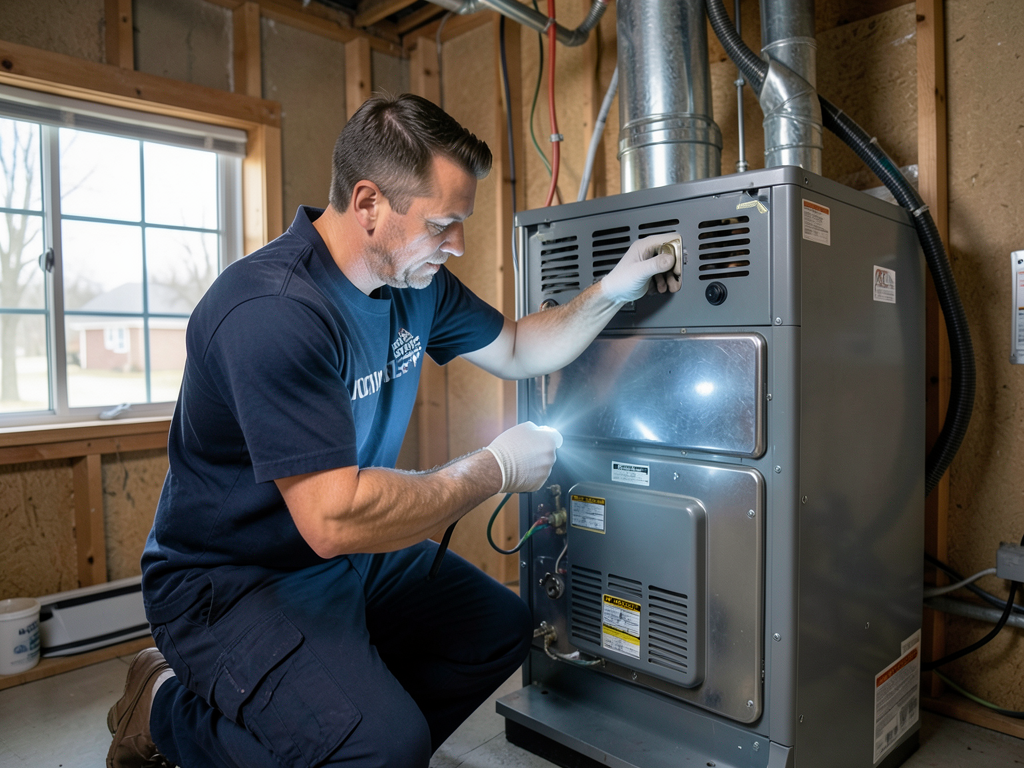
What to look for in an HVAC system when touring homes in Lee-Harvard Buying a home in Lee-Harvard means preparing for Cleveland’s brutal winters and humid summers. The HVAC system determines whether you’ll stay comfortable…
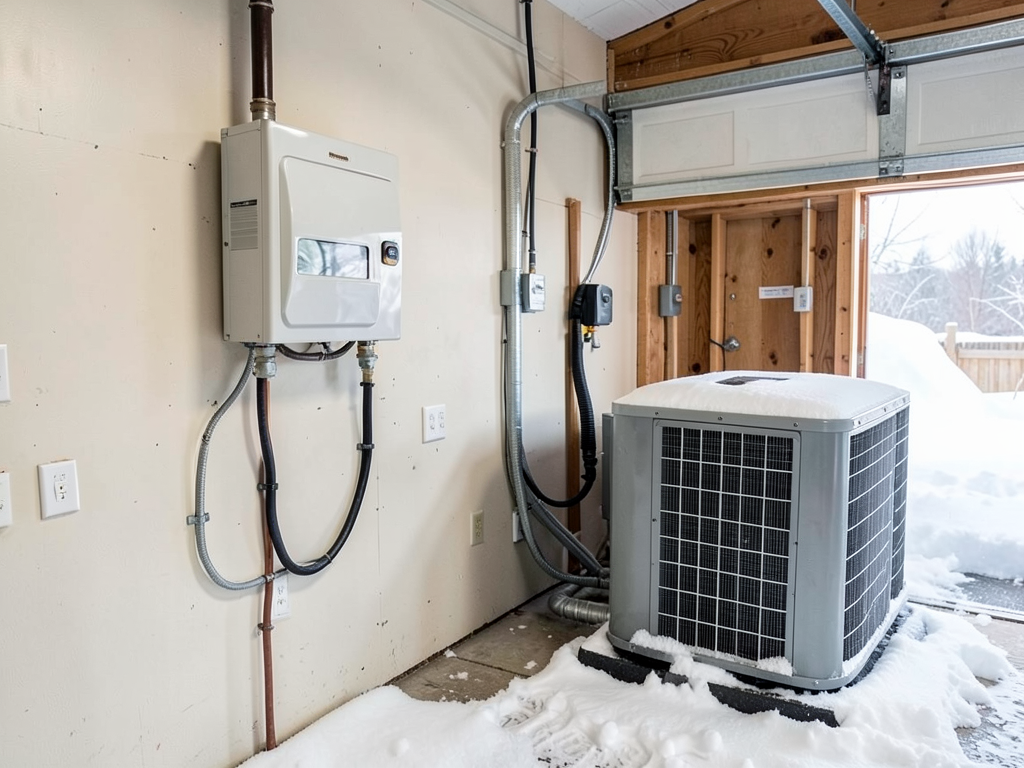
Managing sawdust and air quality in your Puritas-Longmead home workshop Woodworkers in Puritas-Longmead face unique…

Why your HVAC secondary drain pan is filling with water and how to stop a…
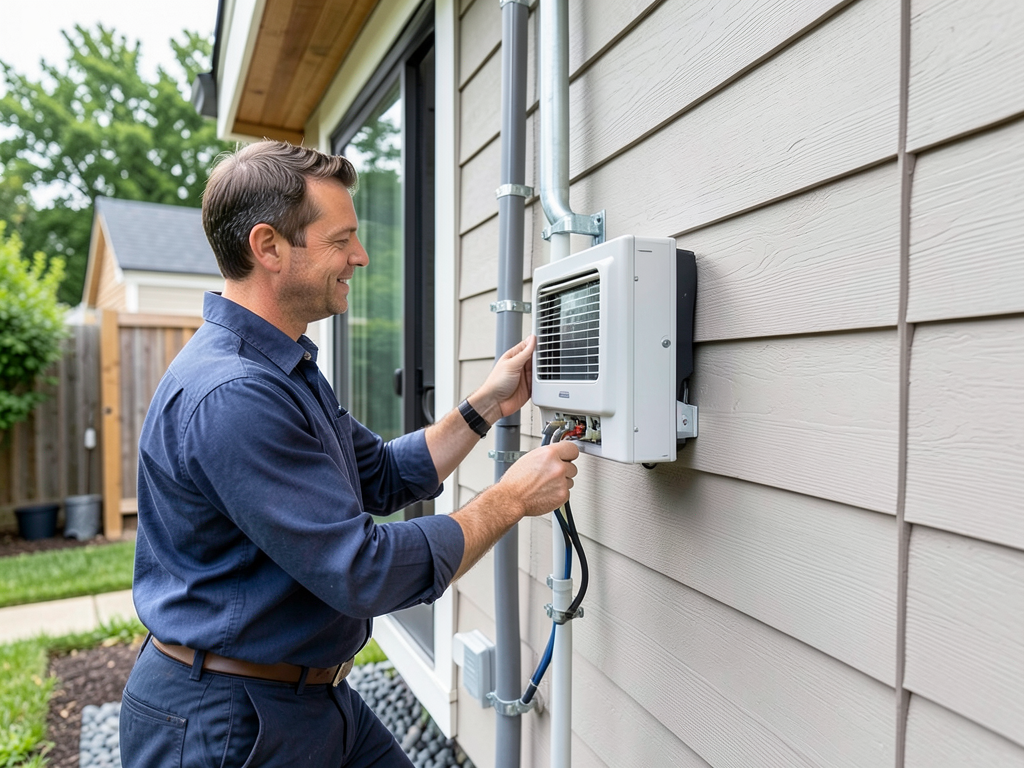
Heating and cooling a backyard tiny home in Clark-Fulton requires careful planning to handle Cleveland's…
Don't wait when your heating or cooling system fails. Call Ace HVAC Cleveland at (216) 530-9077 for same-day service. We answer calls 24/7 and dispatch technicians fast for emergencies across Strongsville and greater Cleveland.