
Why your North Olmsted utility room smells like sewage and how to fix it
If you smell sewage near your HVAC unit in North Olmsted you are not imagining things. That rotten egg or sewer gas odor is a warning sign that something in your plumbing or HVAC system is not working correctly. The smell can come from a dry P-trap in your floor drain or from sewer gas backing up through your condensate drain line. In some cases it means there is a cracked vent pipe or a failed ejector pump in your basement. This is not just unpleasant it can be dangerous. Sewer gas contains methane and hydrogen sulfide which can cause headaches nausea or even explosions in extreme cases. The good news is most causes are simple to diagnose and fix once you know what to look for. How Much Does a New Central Air System Cost in Northeast Ohio?.
Is the smell of sewage dangerous?
Yes it can be. Sewer gas is a mix of toxic and flammable gases including methane hydrogen sulfide ammonia and carbon dioxide. In high enough concentrations methane can ignite and hydrogen sulfide can cause respiratory distress or even death. Even low-level exposure can lead to headaches dizziness and nausea. If you notice the smell act quickly. Open windows ventilate the area and avoid using any open flames until the source is identified. For severe or persistent odors call a licensed HVAC or plumbing professional immediately. Your safety comes first.
4 common reasons your HVAC smells like a sewer
1. The dry P-trap (most common in basement units)
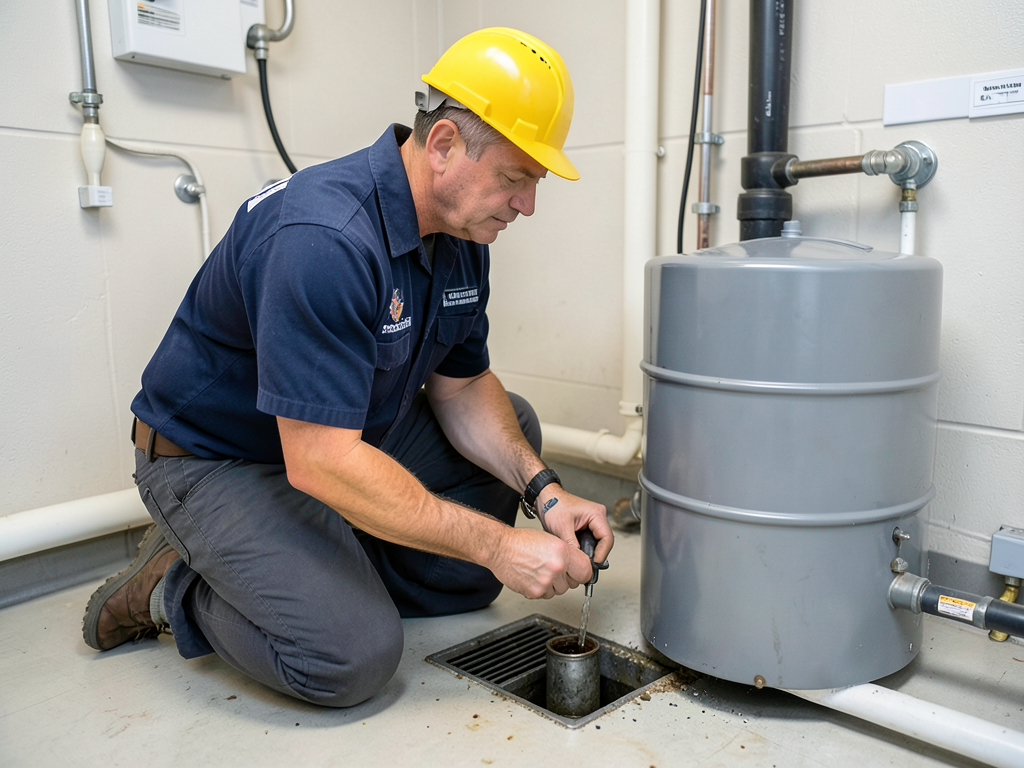
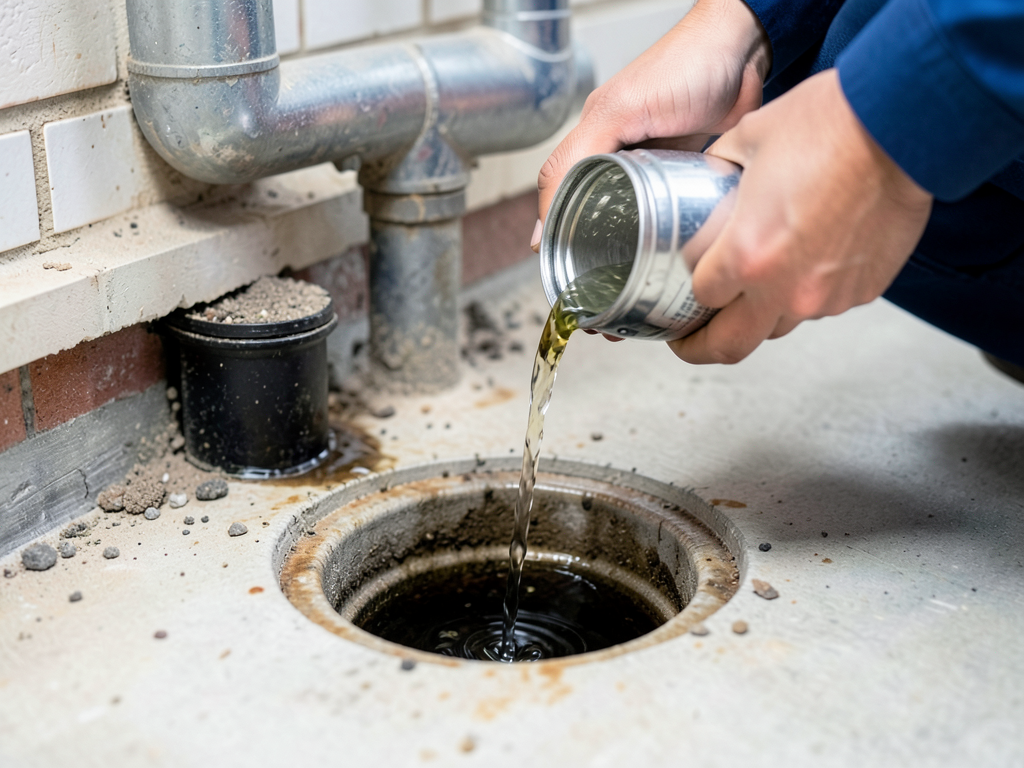
A P-trap is the U-shaped pipe under your floor drain or condensate line that holds water to block sewer gas. If the trap dries out from lack of use gas can escape into your utility room. This often happens in utility rooms that are rarely used or in homes with seasonal HVAC operation. The fix is simple: pour a quart of water down the drain to refill the trap. If the smell returns quickly the trap may be leaking or missing.
2. Cracked or leaking sewer vent pipe
Your plumbing system has vent pipes that run from your drains up through the roof to release sewer gas outside. If one of these pipes cracks or separates near your HVAC unit the gas can enter your home. In North Olmsted older homes with aging cast iron or clay vent stacks are especially prone to this. A plumber can pressure-test the vent system to locate the leak. Repairs may involve sealing joints or replacing sections of pipe. EPA guide to sewer gas hazards.
3. Backed-up floor drains near the air handler
Floor drains in utility rooms can back up during heavy rain or if the municipal sewer system is overloaded. If your floor drain shares a waste line with your HVAC condensate drain a blockage can push sewer gas into the room. Look for standing water or slow drainage near your HVAC unit. A plumber can clear the drain line and install a backwater valve to prevent future backups.
4. Improperly routed condensate drain lines
Your air conditioner or high-efficiency furnace produces condensate that must drain properly. If the condensate line is not trapped correctly or if it ties into a shared waste line without an air gap sewer gas can enter through the HVAC system. A licensed HVAC technician can inspect the drain setup and correct any code violations. In North Olmsted many homes built before 2000 have outdated drain configurations that need updating to meet current plumbing codes. Replacing an Old Furnace in a Historic Shaker Heights Home.
Why Cleveland’s weather and older plumbing make this worse
North Olmsted’s climate and housing stock create unique challenges. Lake Erie’s humid summers increase condensation in HVAC systems which can overload older drain lines. In winter heavy snow and ice can block plumbing vent stacks on roofs causing pressure imbalances that force sewer gas into your home. Many homes in North Olmsted were built in the 1960s and 70s with cast iron waste lines that corrode over time. The area’s clay soil also shifts seasonally which can crack underground sewer laterals. These factors combine to make sewage odors more common in this suburb than in newer developments.
DIY fixes vs. when to call a Cleveland HVAC professional
If you notice a sewage smell start with the simplest checks. Pour water into all floor drains and condensate line traps. Check for standing water or slow drainage. If the smell goes away you may have solved the problem. However if the odor returns or if you see water damage mold or hear gurgling in your drains stop and call a professional. Signs you need expert help include persistent odor visible pipe damage or HVAC system short cycling. A licensed technician can use a smoke test or camera inspection to find hidden leaks or blockages. In North Olmsted local building codes require permits for most plumbing repairs so hiring a certified pro ensures the work is done safely and to code. Fast and Local AC Repair Services in Solon and Surrounding Areas.
Frequently Asked Questions
Why does my utility room smell like sewage only when the AC runs?
This often means your condensate drain line is sharing a waste pipe with a sewer drain without a proper trap or air gap. When the AC runs it creates negative pressure that pulls sewer gas into the HVAC system. A licensed HVAC technician can install a proper trap or reroute the drain line to fix the issue.
Can a sewage smell mean my sewer line is broken under the house?
Yes a cracked or collapsed sewer lateral under your slab can leak gas into your utility room. This is more likely in older North Olmsted homes with aging clay or cast iron pipes. If you smell sewage constantly and see water stains or mold near the HVAC unit call a plumber for a camera inspection immediately.
Is it safe to use my HVAC if I smell sewage?
No. Turn off the system and ventilate the area. Sewer gas can be explosive and toxic. Do not use any open flames or electrical devices near the odor until the source is identified. Call a professional to inspect both your HVAC and plumbing systems before using the equipment again.
How much does it cost to fix a sewage smell near my HVAC?
Costs vary widely. A simple P-trap refill or drain cleaning might cost $100 to $300. Repairing a cracked vent pipe or rerouting a condensate line can run $500 to $1500. If you need a full sewer lateral replacement expect costs over $3000. Most HVAC companies in North Olmsted offer free inspections to diagnose the issue.
Can I prevent sewage smells in my utility room?
Yes. Pour water into floor drains monthly to keep P-traps full. Schedule annual HVAC maintenance to check condensate lines. Keep roof vent stacks clear of snow and debris. If you have an older home consider upgrading drain lines to meet current plumbing codes. Regular maintenance prevents most odor issues before they start. Commercial HVAC Maintenance for Businesses in Downtown Cleveland.
Call (216) 530-9077 today to schedule your inspection
Don’t ignore that sewage smell. It is not just unpleasant it is a warning sign that could put your family at risk. Our licensed HVAC and plumbing experts in North Olmsted can diagnose the source quickly and fix it safely. We serve all of Cuyahoga County with fast reliable service and clear upfront pricing. Call (216) 530-9077 now to schedule your inspection. Your safety and comfort are worth it. For more information, visit CDC information on sewer gas exposure.
{
“@context”: “https://schema.org”,
“@type”: “BlogPosting”,
“headline”: “Why your North Olmsted utility room smells like sewage and how to fix it”,
“description”: “Sewage smell near your HVAC unit? Learn the common causes in North Olmsted basements and when to call a Cleveland HVAC pro. Safety first.”,
“wordCount”: 1284,
“datePublished”: “2026-05-30T08:02:00.000Z”,
“dateModified”: “2026-05-30T08:02:00.000Z”,
“inLanguage”: “en-US”,
“mainEntityOfPage”: {
“@type”: “WebPage”,
“@id”: “https://acehvaccleveland.com”
},
“publisher”: {
“@type”: “LocalBusiness”,
“name”: “Ace HVAC Cleveland”,
“url”: “https://acehvaccleveland.com”
},
“author”: {
“@type”: “Organization”,
“name”: “Ace HVAC Cleveland”,
“url”: “https://acehvaccleveland.com”
},
“image”: {
“@type”: “ImageObject”,
“url”: “https://acehvaccleveland.com/wp-content/uploads/2026/03/why-your-north-olmsted-utility-room-smells-like-se-1.png”
}
}
{
“@context”: “https://schema.org”,
“@type”: “HVACBusiness”,
“name”: “Ace HVAC Cleveland”,
“url”: “https://acehvaccleveland.com”,
“address”: {
“@type”: “PostalAddress”,
“addressLocality”: “Cleveland”
},
“areaServed”: {
“@type”: “City”,
“name”: “Cleveland”
}
}
{
“@context”: “https://schema.org”,
“@type”: “FAQPage”,
“mainEntity”: [
{
“@type”: “Question”,
“name”: “Is the smell of sewage dangerous?”,
“acceptedAnswer”: {
“@type”: “Answer”,
“text”: “Yes it can be. Sewer gas is a mix of toxic and flammable gases including methane hydrogen sulfide ammonia and carbon dioxide. In high enough concentrations methane can ignite and hydrogen sulfide can cause respiratory distress or even death. Even low-level exposure can lead to headaches dizziness and nausea. If you notice the smell act quickly. Open windows ventilate the area and avoid using any open flames until the source is identified. For severe or persistent odors call a licensed HVAC or plumbing professional immediately. Your safety comes first.”
}
},
{
“@type”: “Question”,
“name”: “Why does my utility room smell like sewage only when the AC runs?”,
“acceptedAnswer”: {
“@type”: “Answer”,
“text”: “This often means your condensate drain line is sharing a waste pipe with a sewer drain without a proper trap or air gap. When the AC runs it creates negative pressure that pulls sewer gas into the HVAC system. A licensed HVAC technician can install a proper trap or reroute the drain line to fix the issue.”
}
},
{
“@type”: “Question”,
“name”: “Can a sewage smell mean my sewer line is broken under the house?”,
“acceptedAnswer”: {
“@type”: “Answer”,
“text”: “Yes a cracked or collapsed sewer lateral under your slab can leak gas into your utility room. This is more likely in older North Olmsted homes with aging clay or cast iron pipes. If you smell sewage constantly and see water stains or mold near the HVAC unit call a plumber for a camera inspection immediately.”
}
},
{
“@type”: “Question”,
“name”: “Is it safe to use my HVAC if I smell sewage?”,
“acceptedAnswer”: {
“@type”: “Answer”,
“text”: “No. Turn off the system and ventilate the area. Sewer gas can be explosive and toxic. Do not use any open flames or electrical devices near the odor until the source is identified. Call a professional to inspect both your HVAC and plumbing systems before using the equipment again.”
}
},
{
“@type”: “Question”,
“name”: “How much does it cost to fix a sewage smell near my HVAC?”,
“acceptedAnswer”: {
“@type”: “Answer”,
“text”: “Costs vary widely. A simple P-trap refill or drain cleaning might cost $100 to $300. Repairing a cracked vent pipe or rerouting a condensate line can run $500 to $1500. If you need a full sewer lateral replacement expect costs over $3000. Most HVAC companies in North Olmsted offer free inspections to diagnose the issue.”
}
},
{
“@type”: “Question”,
“name”: “Can I prevent sewage smells in my utility room?”,
“acceptedAnswer”: {
“@type”: “Answer”,
“text”: “Yes. Pour water into floor drains monthly to keep P-traps full. Schedule annual HVAC maintenance to check condensate lines. Keep roof vent stacks clear of snow and debris. If you have an older home consider upgrading drain lines to meet current plumbing codes. Regular maintenance prevents most odor issues before they start. Commercial HVAC Maintenance for Businesses in Downtown Cleveland.”
}
}
]
}
{
“@context”: “https://schema.org”,
“@type”: “BreadcrumbList”,
“itemListElement”: [
{
“@type”: “ListItem”,
“position”: 1,
“name”: “Home”,
“item”: “https://acehvaccleveland.com”
},
{
“@type”: “ListItem”,
“position”: 2,
“name”: “Blog”,
“item”: “https://acehvaccleveland.com/blog”
},
{
“@type”: “ListItem”,
“position”: 3,
“name”: “Why your North Olmsted utility room smells like sewage and how to fix it”
}
]
}
{
“@context”: “https://schema.org”,
“@type”: “Service”,
“serviceType”: “HVAC”,
“provider”: {
“@type”: “LocalBusiness”,
“name”: “Ace HVAC Cleveland”,
“url”: “https://acehvaccleveland.com”
},
“areaServed”: {
“@type”: “City”,
“name”: “Cleveland”
},
“description”: “Sewage smell near your HVAC unit? Learn the common causes in North Olmsted basements and when to call a Cleveland HVAC pro. Safety first.”
}