


Garfield Heights sits in the Cuyahoga Valley where Lake Erie weather patterns create unique climate stress on heating and cooling systems. Winter temperatures drop below 20 degrees for weeks at a time, forcing furnaces to run constantly. Summer humidity from the lake combines with 85-degree heat, making air conditioners cycle continuously to remove moisture and cool homes.
The freeze-thaw cycle here is brutal. Ground temperatures fluctuate wildly between November and March, causing foundation shifts that stress ductwork connections. Homes in the Marienau and Rockside neighborhoods, many built in the 1950s and 60s, have aging duct systems prone to separation and air leaks during these temperature swings.
This constant cycling wears out HVAC components faster than moderate climates. Capacitors fail. Blower motors burn out. Heat exchangers crack from thermal stress. The clay-heavy soil throughout Garfield Heights holds moisture against foundations, causing rust on furnace cabinets and condensate line failures. Systems that might last 20 years in Phoenix die in 12 here.
Mill Creek runs through the eastern part of the city, creating high water tables in areas near Turney Road. Basement installations face constant humidity challenges, shortening equipment life and promoting mold growth in ductwork. Your HVAC system fights environmental conditions every single day.
We stock parts for the systems actually installed in Garfield Heights homes. While other companies order components and make you wait three days, our trucks carry motors, capacitors, contactors, and ignitors for Carrier, Lennox, Trane, Rheem, and Goodman units common to this area. We fix most breakdowns during the first visit because we know what fails in homes built during the 1950s housing boom and the 1970s expansion near Broadway Avenue.
Our technicians train specifically on forced-air systems in basement installations, the dominant configuration in Garfield Heights. We understand the ductwork layouts in Cape Cod and ranch homes throughout the Rockside and Marienau neighborhoods. We know where to find the hidden access panels in finished basements and how to service systems in crawl spaces without tearing apart your home.
We serve the greater Garfield Heights metro every day, not just when we feel like making the drive from downtown Cleveland. Our dispatch system prioritizes response times to your ZIP code. When you call at 6 PM with no heat, we send someone that evening, not tomorrow afternoon.
You deal with one technician who diagnoses the problem and presents options. No sales teams. No bait-and-switch pricing. No pressure to replace equipment that can be repaired. We tell you what's broken, what it costs to fix, and how long the repair will last. Then you decide. Our reputation in this community depends on straight answers and work that holds up through another brutal Ohio winter.

We dispatch to Garfield Heights within hours for heating and cooling emergencies. Our trucks are stocked and ready. Most repairs finish the same day because we carry the parts that fail most often in systems throughout this area. You get heat or air conditioning back fast.

We maintain inventory for the brands installed in Garfield Heights homes. Carrier heat exchangers. Lennox blower motors. Trane capacitors. Rheem ignitors. When other companies order parts and schedule callbacks, we pull components from the truck and complete repairs during the first visit.
We show you the failed component and explain what caused the failure. You see the cracked heat exchanger or burned contactor. We discuss repair costs versus replacement value based on your system's age and condition. No pressure. No games. Just information you need to make the right decision.
We work in your neighborhoods every day. We know the HVAC challenges in homes near Mill Creek. We understand basement moisture issues in areas with high water tables. We have replaced hundreds of systems in post-war housing stock throughout Rockside and Marienau. This local knowledge speeds diagnosis and improves repair quality.
We handle every aspect of residential climate control from emergency breakdowns to planned system replacements. When your furnace quits or your air conditioner stops cooling, we respond fast with diagnostic expertise and repair solutions. When your 20-year-old system finally gives out, we help you select and install replacement equipment sized correctly for your home.
Most service calls in Garfield Heights involve forced-air systems in basement installations. We repair gas furnaces, electric furnaces, heat pumps, central air conditioners, and ductless mini-split systems. We service all major brands and handle both emergency repairs and routine maintenance.
Our work divides into three categories based on urgency and scope. Emergency repairs address immediate breakdowns when you have no heat or cooling. Preventive maintenance keeps systems running efficiently and catches problems before they cause failures. System replacement becomes necessary when repair costs exceed the value of keeping an old unit running. Each service category requires different expertise and equipment.
Your system quit and you need it running again. We diagnose furnace failures, air conditioner breakdowns, and heat pump malfunctions at any hour. Cracked heat exchangers. Failed compressors. Broken blower motors. Refrigerant leaks. Electrical failures. Thermostat problems. We carry replacement parts for common failures and complete most repairs during the first visit. When you call with no heat in January or no cooling in July, we respond the same day to restore comfort.
Annual maintenance catches problems before they cause midnight failures. We clean components, test electrical connections, measure refrigerant charge, inspect heat exchangers, lubricate motors, and replace filters. Maintenance visits identify worn parts that will fail soon, giving you time to plan repairs instead of facing emergency breakdowns. Clean systems run more efficiently, lowering utility bills and extending equipment life. Schedule service in spring for AC and fall for heating to prepare systems for peak demand seasons.
Old systems eventually cost more to repair than they're worth. We help you select replacement equipment based on your home's heating and cooling load, not oversized units that cycle constantly. We calculate proper system sizing using Manual J protocols, accounting for insulation levels, window area, and air infiltration. Installation includes ductwork modifications if needed, proper refrigerant charging, combustion testing for gas furnaces, and airflow verification. New equipment comes with manufacturer warranties and dramatically better efficiency than units from the 1990s.
The combination of Lake Erie weather, aging housing stock, and clay soil creates predictable HVAC failures throughout Garfield Heights. Systems installed in basement locations face moisture and rust issues. Forced-air ductwork in crawl spaces loses connections during freeze-thaw cycles. Post-war homes with original duct systems leak conditioned air into attics and wall cavities.
Furnaces run constantly during January cold snaps, wearing out blower motors and heat exchangers. Air conditioners struggle with June through August humidity, causing frozen evaporator coils and condensate drain clogs. The stress shows up as breakdowns during peak heating and cooling seasons when you need the system most.
These problems repeat in homes throughout Rockside, Marienau, and neighborhoods near Broadway Avenue. We see the same failures year after year because environmental conditions and housing construction create predictable wear patterns. Understanding these common issues helps homeowners recognize warning signs before complete system failure.
Metal heat exchangers expand when hot and contract when cool. After thousands of heating cycles, the metal fatigues and cracks. Cracks allow combustion gases to mix with home air, creating carbon monoxide danger. Heat exchanger replacement often costs more than furnace replacement on units over 15 years old. This failure happens most in systems that run constantly during extended cold periods.
Lake Erie humidity creates moisture loads that overwhelm undersized or poorly maintained air conditioners. Ice forms on evaporator coils when airflow drops from dirty filters or weak blower motors. The ice blocks airflow completely, shutting down cooling. Frozen coils indicate underlying problems with refrigerant charge, airflow, or component failures that need diagnosis and repair before major damage occurs.
Ground movement during freeze-thaw cycles stresses ductwork connections in crawl spaces and basements. Joints separate. Seams open. Conditioned air pours into crawl spaces instead of reaching rooms. You pay to heat and cool spaces you don't use while rooms stay uncomfortable. Duct sealing and reconnection stops the waste and restores proper airflow to living areas.
Air conditioners and high-efficiency furnaces produce condensation that drains through plastic pipes. Algae and slime grow in drain lines, creating clogs. Backed-up water overflows drain pans and floods basement floors. The moisture damages drywall, carpeting, and stored items. Regular drain line cleaning prevents clogs, but most homeowners ignore this maintenance until water appears on the floor.
Emergency calls and scheduled appointments follow the same process. You speak with a real person who gathers information about your system and the problem. We ask about symptoms, when the issue started, and what you've already tried. This phone conversation helps us send the right technician with appropriate equipment and parts.
We provide arrival windows and call before the technician leaves for your home. You know when to expect us. The technician arrives in a marked truck with diagnostic tools and common replacement parts. Service starts with questions about system history and current symptoms, then moves to hands-on diagnosis.
You receive a clear explanation of findings and recommended solutions. We show you failed components when possible. We discuss repair options with costs and expected results. You decide how to proceed based on complete information about your system's condition and prognosis. No surprises. No pressure. Just honest assessment and professional repair work.
We tell you what's broken and what caused the failure. You learn whether this is a one-time repair or a symptom of broader system wear. We discuss repair costs versus replacement value based on your equipment's age and condition. If your system is dying and repairs just buy time, we say so. If repairs will keep it running reliably for years, we explain that too. You get honest assessment, not a sales pitch.
Our technicians carry diagnostic tools and parts inventory to complete repairs during the initial visit. Capacitors, contactors, motors, ignitors, thermostats, and controls go with every truck. We test components systematically to identify failures, then pull replacement parts from inventory. Most service calls end with your system running again. No waiting for parts orders. No callbacks days later. We fix it and move on.
Repairs come with warranty coverage on parts and labor. If the same component fails again, we return to fix it at no additional charge. We provide guidance on system operation and maintenance between service visits. You can call with questions about thermostat settings, filter changes, or unusual sounds. We want your system running reliably, not generating repeat service calls for the same problem.
Three steps take you from system failure to restored comfort. The process works the same for emergency breakdowns and scheduled maintenance visits.
You call and describe the problem. We gather information about your system type, age, and symptoms. The dispatcher schedules a technician and provides an arrival window. For emergencies, we prioritize same-day response. For maintenance and non-emergency repairs, we schedule at your convenience. You receive a confirmation call before the technician leaves for your home so you know exactly when to expect arrival.
The technician inspects your system and tests components to identify the failure. You receive an explanation of findings and repair options with costs. After you approve the work, we complete repairs using parts from truck inventory. We test the system to verify proper operation and ensure the problem is solved. The work includes cleanup and a review of what was done and why.
Before we leave, we run the system through complete heating or cooling cycles to confirm proper operation. We measure temperatures, check airflow, and verify all components function correctly. You receive warranty information covering parts and labor. We review system operation and answer questions about maintenance. If problems develop with the repair, we return to make it right.
Proper HVAC installation in Garfield Heights requires following Ohio mechanical codes and manufacturer specifications for cold climate operation. Systems must handle extended periods of subzero temperatures and high summer humidity. Equipment selection, sizing, and installation quality determine whether your system provides reliable comfort or constant problems.
Ohio Mechanical Code requires combustion air provisions for gas furnaces, proper venting materials and configurations, and carbon monoxide detection in homes with fuel-burning appliances. Furnace installations must include emergency shutoff switches within sight of the unit. Refrigerant systems require EPA-certified technicians for installation and service. These regulations exist because improper installation creates safety hazards and equipment failures.
System sizing follows ACCA Manual J calculations that account for home square footage, insulation levels, window area, air infiltration, and climate data. Oversized systems cycle on and off constantly, never running long enough to dehumidify properly. Undersized systems run continuously without meeting heating or cooling demands. Proper sizing requires room-by-room heat loss and gain calculations, not guesses based on square footage.
Ductwork design follows Manual D protocols for air distribution. Each room needs specific airflow based on its heating and cooling requirements. Duct sizing, layout, and return air provisions affect system performance as much as equipment quality. Leaky ducts waste 20 to 40 percent of conditioned air. Sealing connections with mastic and testing ductwork for leakage improves efficiency and comfort.
Equipment quality varies dramatically across brands and model lines. Builder-grade units use lighter gauge metals, basic controls, and single-stage operation. Premium equipment includes variable-speed blowers, two-stage heating and cooling, better heat exchangers, and advanced controls. The price difference shows up in comfort, efficiency, and service life. We help you match equipment quality to your budget and expectations.
Manual J calculations determine correct system capacity based on building characteristics and climate. The calculation accounts for wall and ceiling insulation, window area and orientation, air infiltration rates, and Garfield Heights temperature extremes. Systems sized from these calculations match your home's actual heating and cooling requirements, preventing the comfort and efficiency problems caused by oversized equipment.
Equipment quality, system capacity, refrigerant line length, ductwork modifications, and installation complexity all affect project costs. Two-stage systems cost more than single-stage units but provide better comfort and efficiency. Basement installations are simpler than attic placements. Homes needing duct replacement or major modifications cost more than direct equipment swaps. We provide detailed estimates breaking down equipment and labor costs.
Straightforward equipment replacement takes one day for most installations. Systems requiring ductwork modifications, electrical upgrades, or gas line work extend to two or three days. We complete work in occupied homes while minimizing disruption. You have heating or cooling restored the same day in most cases. Complex projects involving significant duct replacement or system redesign require longer timelines discussed during estimation.
Furnace and air conditioner replacement requires mechanical permits in Garfield Heights. The city inspects installations to verify code compliance for combustion air, venting, electrical connections, and refrigerant systems. We handle permit applications and schedule inspections. Your installation includes documentation for warranty registration and future service reference. Proper permitting protects you and ensures installations meet safety standards.
This video explains common HVAC problems in Garfield Heights, Ohio homes and emergency repair services from Ace HVAC Cleveland. Topics include climate-related system failures, diagnostic procedures, same-day repair processes, and what homeowners should expect during service calls. Covers furnace repair, air conditioner service, heat exchanger failures, frozen coils, ductwork issues, and condensate drain maintenance specific to local housing conditions.
Ace HVAC Cleveland services homes throughout the greater Garfield Heights metro, from the Marienau neighborhood on the north side to the Rockside Woods area along Rockside Road. We work in the residential streets near Turney Road where post-war Cape Cods and ranch homes dominate the landscape. Our trucks run service calls in the Broadway Avenue corridor and throughout the neighborhoods east of Mill Creek.
The housing stock varies significantly across Garfield Heights. Homes in the Marienau area, built primarily in the 1950s, feature basement furnace installations with forced-air ductwork running through crawl spaces. The Rockside Woods neighborhoods developed later with more varied architectural styles but similar HVAC configurations. Older homes near the intersection of Turney Road and Broadway Avenue sometimes include converted coal systems or updated equipment in tight mechanical rooms.
Areas near Mill Creek face unique challenges from high water tables and basement moisture. Furnaces and air handlers in these locations need frequent condensate drain maintenance and suffer more rust damage than systems in drier parts of the city. We see more mold issues in ductwork and higher rates of blower motor failure from humidity exposure.
The proximity to Interstate 480 and Rockside Road makes service access straightforward throughout the city. We reach homes near Garfield Park quickly from any direction. The street grid layout in most neighborhoods provides direct routes to residential areas, minimizing travel time during emergency calls.
We extend service to adjacent communities including Maple Heights to the east, Cleveland neighborhoods to the north, and suburbs along the I-480 corridor. Our service area covers the communities where we have built relationships and understand local housing characteristics. This geographic focus lets us maintain response times and stock parts for the systems actually installed in area homes.
Climate conditions stay consistent across Garfield Heights, but building construction affects HVAC performance. Homes with updated insulation and windows need less heating and cooling capacity than identical houses with original 1950s construction. We account for these variations when sizing replacement equipment and diagnosing performance problems.
The $5000 rule helps you decide between repair and replacement. If your system's age multiplied by the repair cost exceeds $5000, replacement makes more sense. For example, a 12-year-old unit needing $500 in repairs equals $6000, so replace it. In Garfield Heights, where freeze-thaw cycles and humidity stress aging equipment, this rule helps avoid repeated breakdowns. Factor in efficiency gains too. A new high-efficiency system cuts energy bills, which matters during harsh Ohio winters when your furnace runs constantly. Older systems past 10 years often fail again soon after expensive repairs.
HVAC jobs in Garfield Heights vary widely. Minor repairs like thermostat replacements or capacitor swaps run a few hundred dollars. Compressor replacements or coil repairs range mid-hundreds to low thousands. Full system replacements for average homes typically fall in the mid-four-figure range, depending on equipment efficiency and size. Garfield Heights homes, often 1200-2000 square feet with varying insulation quality, need proper sizing to handle humid summers and freezing winters. Ductwork modifications, zone controls, or air quality upgrades add costs. Get written quotes detailing equipment specs, labor, and warranties before committing.
In Garfield Heights, dirty filters cause most HVAC problems. Restricted airflow forces your system to work harder, spiking energy bills and shortening equipment life. Thermostat malfunctions rank second, often from dead batteries or wiring issues. Refrigerant leaks reduce cooling capacity, especially in older units. Blower motor failures happen after years of continuous operation during Ohio's temperature swings. Ignition problems plague furnaces in winter, leaving you without heat during cold snaps. Drainage clogs from humidity cause water damage. Electrical failures, including capacitors and contactors, stop systems completely. Regular maintenance catches these issues early.
The $5000 rule helps you decide between repair and replacement. If your system's age multiplied by the repair cost exceeds $5000, replacement makes more sense. For example, a 12-year-old unit needing $500 in repairs equals $6000, so replace it. In Garfield Heights, where freeze-thaw cycles and humidity stress aging equipment, this rule helps avoid repeated breakdowns. Factor in efficiency gains too. A new high-efficiency system cuts energy bills, which matters during harsh Ohio winters when your furnace runs constantly. Older systems past 10 years often fail again soon after expensive repairs.
HVAC jobs in Garfield Heights vary widely. Minor repairs like thermostat replacements or capacitor swaps run a few hundred dollars. Compressor replacements or coil repairs range mid-hundreds to low thousands. Full system replacements for average homes typically fall in the mid-four-figure range, depending on equipment efficiency and size. Garfield Heights homes, often 1200-2000 square feet with varying insulation quality, need proper sizing to handle humid summers and freezing winters. Ductwork modifications, zone controls, or air quality upgrades add costs. Get written quotes detailing equipment specs, labor, and warranties before committing.
In Garfield Heights, dirty filters cause most HVAC problems. Restricted airflow forces your system to work harder, spiking energy bills and shortening equipment life. Thermostat malfunctions rank second, often from dead batteries or wiring issues. Refrigerant leaks reduce cooling capacity, especially in older units. Blower motor failures happen after years of continuous operation during Ohio's temperature swings. Ignition problems plague furnaces in winter, leaving you without heat during cold snaps. Drainage clogs from humidity cause water damage. Electrical failures, including capacitors and contactors, stop systems completely. Regular maintenance catches these issues early.
Most reputable HVAC companies in Garfield Heights offer free quotes for system replacements and major projects. Expect to pay diagnostic fees for repair calls, typically applied toward the repair cost if you proceed. Free quotes let technicians assess your home's size, insulation, ductwork condition, and existing equipment. They calculate proper system sizing and efficiency needs specific to your property. This prevents oversized or undersized installations that waste energy or fail prematurely. Emergency service calls usually carry higher fees. Ask upfront about quote costs and whether diagnostics apply toward work completed.
A complete HVAC system replacement in Garfield Heights typically runs mid-to-high four figures for most residential properties. This includes furnace, air conditioner, and installation labor. Cost factors include equipment efficiency ratings, system size matched to your square footage, brand selection, and existing infrastructure condition. Higher SEER ratings and multi-stage systems cost more upfront but cut energy bills significantly during Ohio's extreme seasons. Homes needing ductwork repairs, electrical upgrades, or zone controls see higher totals. Financing options help spread costs. Properly sized equipment prevents short cycling and premature failure common in Garfield Heights' humid climate.
The 3-minute rule protects your compressor from damage. After your AC shuts off, wait 3 minutes before restarting it. This allows refrigerant pressure to equalize throughout the system. Immediate restarts force the compressor to work against high pressure, causing electrical strain and potential burnout. Modern thermostats often have built-in delay protection. In Garfield Heights, where summer humidity runs high and AC units cycle frequently, respecting this rule extends compressor life. Power outages during storms make this critical. If your breaker trips, wait before resetting it. Compressor replacements cost thousands compared to simple patience.
Replacing HVAC in a 2000 square foot Garfield Heights home typically requires a 3-ton to 4-ton system, depending on insulation, window efficiency, and sun exposure. Total replacement costs fall in the mid-to-upper four-figure range for quality equipment and professional installation. This includes both heating and cooling components. Homes in older Garfield Heights neighborhoods with poor insulation may need larger capacity or supplemental solutions. Two-story homes require careful zone balancing. Higher efficiency systems cost more initially but dramatically reduce utility bills during Cleveland's temperature extremes. Ductwork condition, thermostat upgrades, and permit fees affect final pricing.
Standard homeowners insurance rarely covers routine HVAC repairs from wear and tear. However, if covered perils like fire, lightning strikes, vandalism, or storm damage destroy your system, insurance typically pays for replacement. In Garfield Heights, where severe thunderstorms and occasional high winds occur, document storm-related damage immediately. Power surges during outages may qualify for coverage if you have electrical surge protection endorsements. Frozen pipes causing water damage to your furnace might be covered, depending on your policy and whether you maintained heat. Always review your specific policy and file claims promptly with documentation.
Properly maintained HVAC systems last 15-20 years in Garfield Heights. Furnaces often reach 15-18 years, while air conditioners last 12-15 years due to outdoor exposure and refrigerant stress. Garfield Heights' humidity, freeze-thaw cycles, and temperature swings accelerate wear on outdoor units. Systems running constantly during harsh winters and humid summers age faster. Regular maintenance, including filter changes, coil cleaning, and annual tune-ups, extends lifespan significantly. Homes with poor insulation force systems to overwork, shortening longevity. Once equipment passes 12 years, plan for replacement. Efficiency drops and repair costs climb as components fail.
The 2-foot rule requires at least 24 inches of clear space around outdoor condenser units for proper airflow. Bushes, fences, debris, or stored items block airflow, forcing your system to work harder and reducing efficiency. In Garfield Heights, where vegetation grows aggressively in humid conditions, trim shrubs regularly. Snow accumulation during winter also violates this rule. Poor airflow causes overheating, refrigerant pressure issues, and premature compressor failure. Keep condenser pads level and clear underneath too. This simple clearance rule prevents thousands in avoidable repairs and keeps energy bills lower during peak cooling and heating seasons.
Most reputable HVAC companies in Garfield Heights offer free quotes for system replacements and major projects. Expect to pay diagnostic fees for repair calls, typically applied toward the repair cost if you proceed. Free quotes let technicians assess your home's size, insulation, ductwork condition, and existing equipment. They calculate proper system sizing and efficiency needs specific to your property. This prevents oversized or undersized installations that waste energy or fail prematurely. Emergency service calls usually carry higher fees. Ask upfront about quote costs and whether diagnostics apply toward work completed.
A complete HVAC system replacement in Garfield Heights typically runs mid-to-high four figures for most residential properties. This includes furnace, air conditioner, and installation labor. Cost factors include equipment efficiency ratings, system size matched to your square footage, brand selection, and existing infrastructure condition. Higher SEER ratings and multi-stage systems cost more upfront but cut energy bills significantly during Ohio's extreme seasons. Homes needing ductwork repairs, electrical upgrades, or zone controls see higher totals. Financing options help spread costs. Properly sized equipment prevents short cycling and premature failure common in Garfield Heights' humid climate.
The 3-minute rule protects your compressor from damage. After your AC shuts off, wait 3 minutes before restarting it. This allows refrigerant pressure to equalize throughout the system. Immediate restarts force the compressor to work against high pressure, causing electrical strain and potential burnout. Modern thermostats often have built-in delay protection. In Garfield Heights, where summer humidity runs high and AC units cycle frequently, respecting this rule extends compressor life. Power outages during storms make this critical. If your breaker trips, wait before resetting it. Compressor replacements cost thousands compared to simple patience.
Replacing HVAC in a 2000 square foot Garfield Heights home typically requires a 3-ton to 4-ton system, depending on insulation, window efficiency, and sun exposure. Total replacement costs fall in the mid-to-upper four-figure range for quality equipment and professional installation. This includes both heating and cooling components. Homes in older Garfield Heights neighborhoods with poor insulation may need larger capacity or supplemental solutions. Two-story homes require careful zone balancing. Higher efficiency systems cost more initially but dramatically reduce utility bills during Cleveland's temperature extremes. Ductwork condition, thermostat upgrades, and permit fees affect final pricing.
Standard homeowners insurance rarely covers routine HVAC repairs from wear and tear. However, if covered perils like fire, lightning strikes, vandalism, or storm damage destroy your system, insurance typically pays for replacement. In Garfield Heights, where severe thunderstorms and occasional high winds occur, document storm-related damage immediately. Power surges during outages may qualify for coverage if you have electrical surge protection endorsements. Frozen pipes causing water damage to your furnace might be covered, depending on your policy and whether you maintained heat. Always review your specific policy and file claims promptly with documentation.
Properly maintained HVAC systems last 15-20 years in Garfield Heights. Furnaces often reach 15-18 years, while air conditioners last 12-15 years due to outdoor exposure and refrigerant stress. Garfield Heights' humidity, freeze-thaw cycles, and temperature swings accelerate wear on outdoor units. Systems running constantly during harsh winters and humid summers age faster. Regular maintenance, including filter changes, coil cleaning, and annual tune-ups, extends lifespan significantly. Homes with poor insulation force systems to overwork, shortening longevity. Once equipment passes 12 years, plan for replacement. Efficiency drops and repair costs climb as components fail.
The 2-foot rule requires at least 24 inches of clear space around outdoor condenser units for proper airflow. Bushes, fences, debris, or stored items block airflow, forcing your system to work harder and reducing efficiency. In Garfield Heights, where vegetation grows aggressively in humid conditions, trim shrubs regularly. Snow accumulation during winter also violates this rule. Poor airflow causes overheating, refrigerant pressure issues, and premature compressor failure. Keep condenser pads level and clear underneath too. This simple clearance rule prevents thousands in avoidable repairs and keeps energy bills lower during peak cooling and heating seasons.
We are proud to serve the entire Cleveland area, and our service network extends to all surrounding communities. Our centrally located office allows us to dispatch our expert technicians quickly and efficiently to your home or business, ensuring fast response times for all your heating and cooling needs. We invite you to view our service area on the map to see if we can bring our trusted services right to your doorstep. Don't hesitate to reach out to us today to confirm if your location is within our coverage zone.
Address:
Garfield Heights, OH, 44125
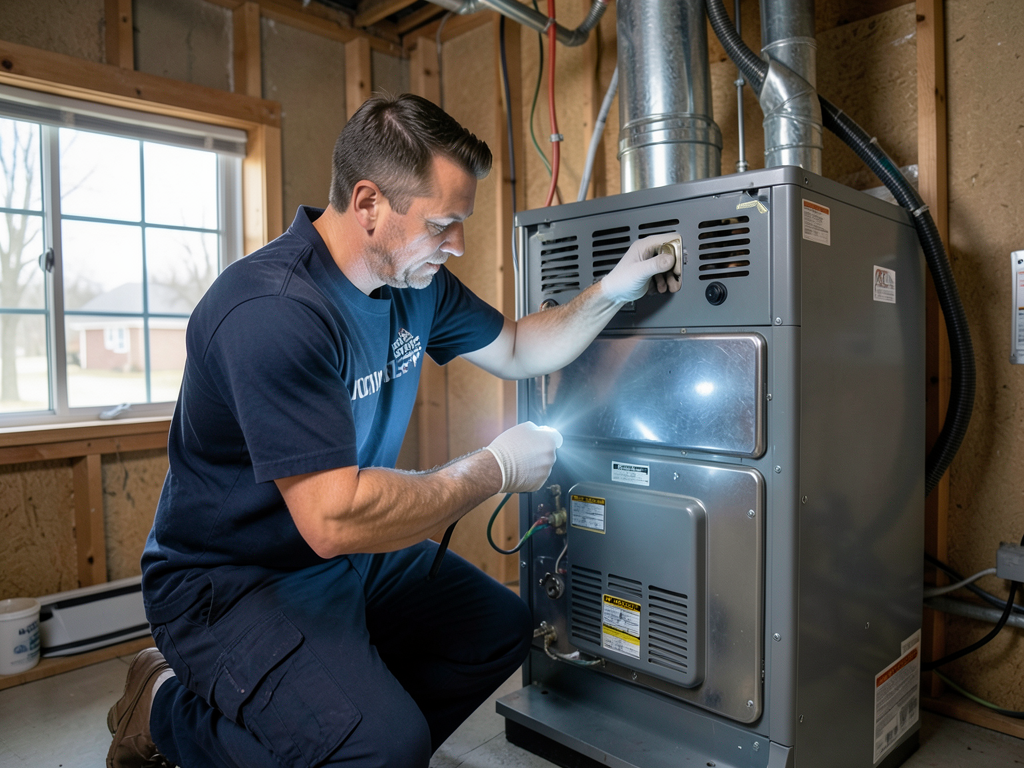
What to look for in an HVAC system when touring homes in Lee-Harvard Buying a home in Lee-Harvard means preparing for Cleveland’s brutal winters and humid summers. The HVAC system determines whether you’ll stay comfortable…
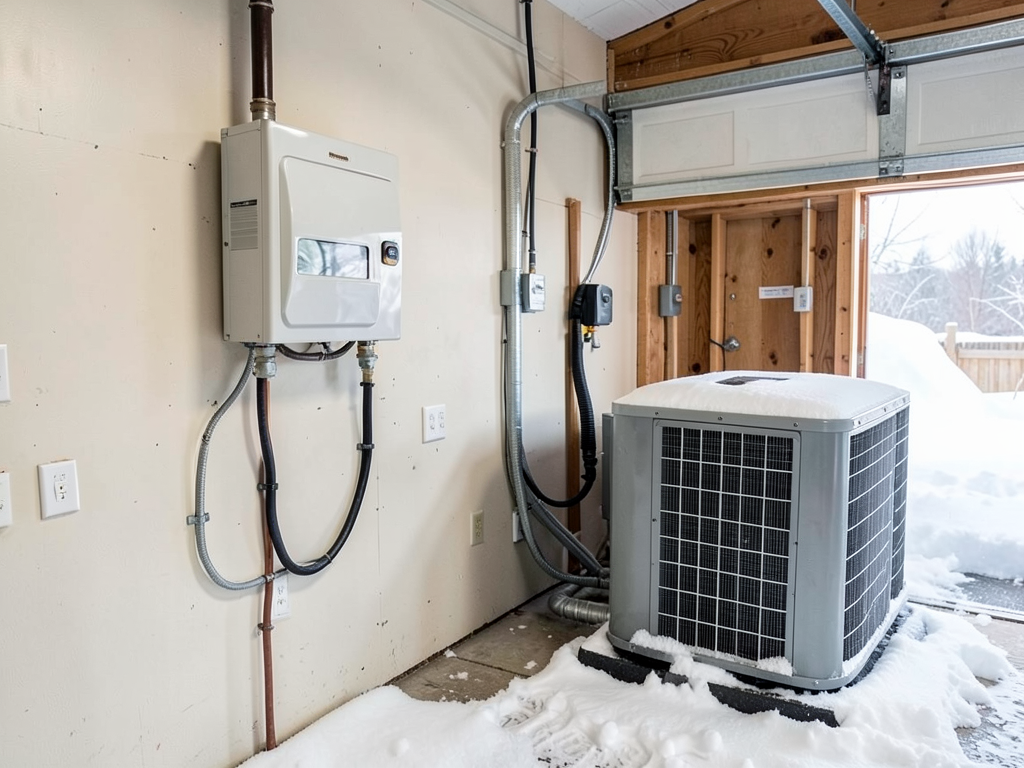
Managing sawdust and air quality in your Puritas-Longmead home workshop Woodworkers in Puritas-Longmead face unique…

Why your HVAC secondary drain pan is filling with water and how to stop a…
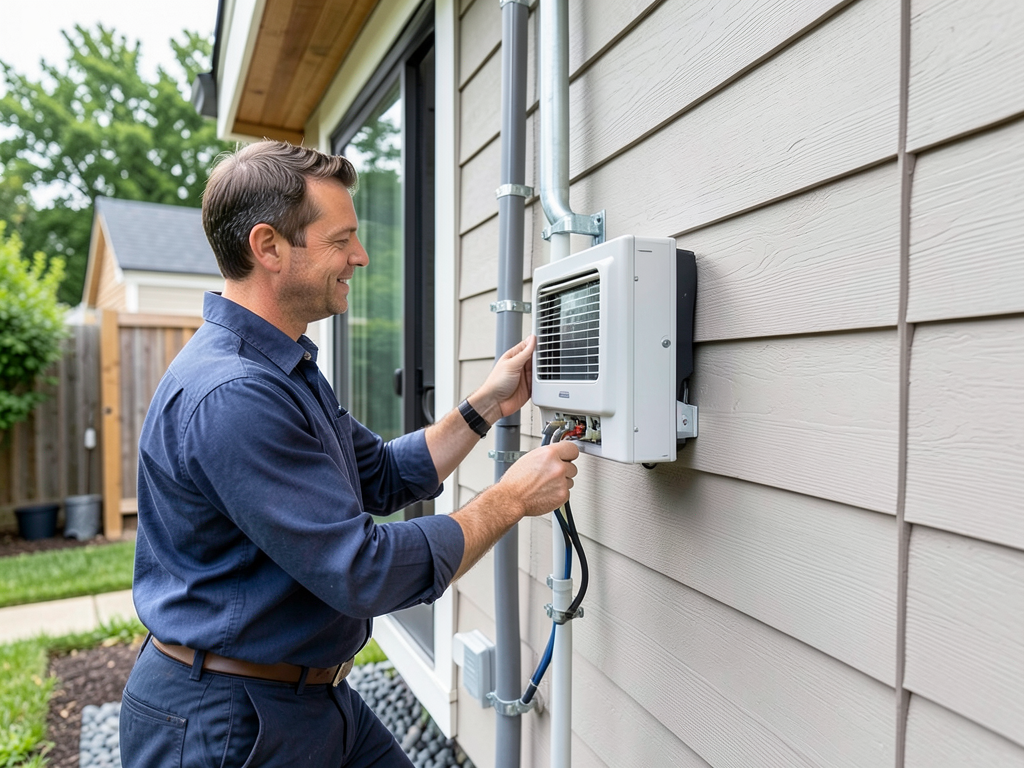
Heating and cooling a backyard tiny home in Clark-Fulton requires careful planning to handle Cleveland's…
No heat or cooling? Call Ace HVAC Cleveland now at (216) 530-9077. We dispatch to Garfield Heights within hours for emergency repairs. Same-day service gets your system running fast. Our technicians carry parts and equipment to complete most repairs during the first visit.