
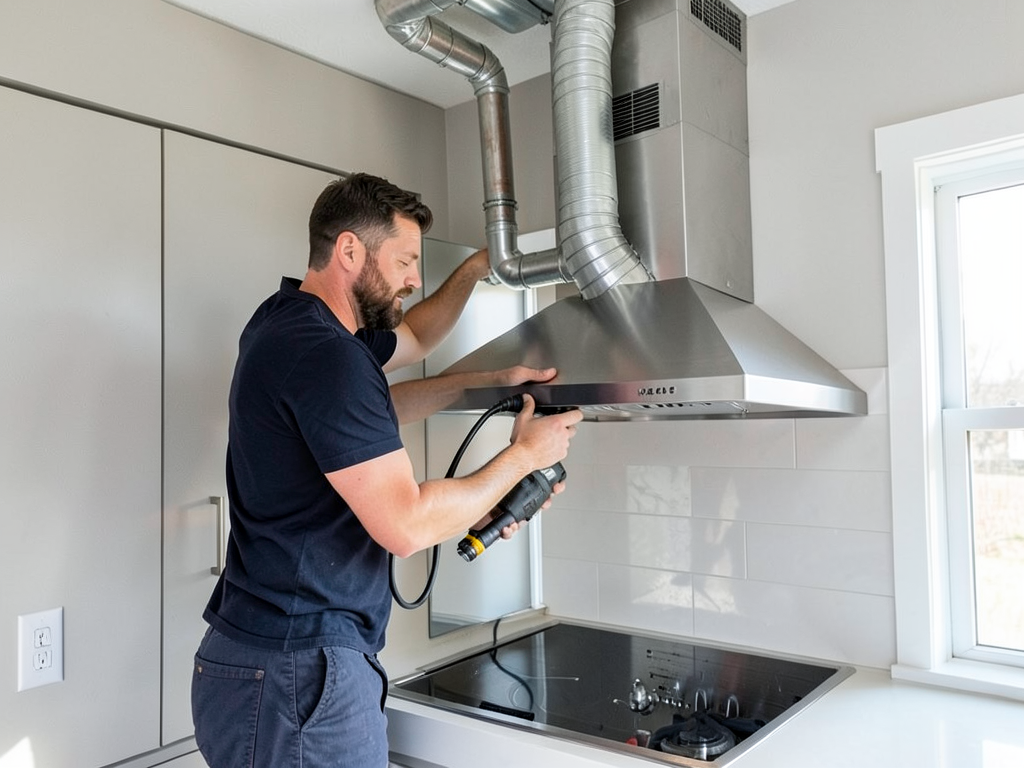
Improving kitchen ventilation in Mayfield Heights homes for holiday cooking marathons
Your kitchen becomes the busiest room in the house during holiday cooking marathons. But all that delicious food creates more than just good memories. Gas stoves release nitrogen dioxide and carbon monoxide. Frying foods produce grease particles that coat your cabinets. And without proper ventilation, those pollutants stay trapped in your Mayfield Heights home.
The solution starts with understanding your kitchen’s air quality challenges. Cleveland’s lake-effect humidity already makes indoor air feel heavy. Add holiday cooking heat and moisture and you create the perfect environment for mold growth. Your range hood needs to work harder than you think.
How kitchen ventilation protects your Mayfield Heights home
Proper kitchen ventilation does more than remove cooking odors. It protects your family’s health and your home’s surfaces from damage.
Gas ranges produce carbon monoxide and nitrogen dioxide. These invisible pollutants can trigger asthma attacks and cause headaches. Your exhaust fan captures these gases before they spread through your home.
Steam from boiling pots raises indoor humidity. Cleveland’s clay soil already holds moisture. Combined with cooking steam, you create conditions where mold grows behind your drywall within 24-48 hours.
Kitchen grease particles settle on everything. They make surfaces sticky and attract dust. Over time, this buildup becomes a fire hazard near your stovetop.
Heat from cooking raises your home’s temperature. Your air conditioner works overtime trying to cool the entire house when it should focus on occupied spaces.
Choosing the right exhaust fan for your kitchen
Size matters when selecting a kitchen exhaust fan. Too small and it won’t remove pollutants. Too large and it wastes energy.
Calculate your kitchen’s cubic footage. Multiply length times width times ceiling height. A 10×12 kitchen with 8-foot ceilings equals 960 cubic feet.
Multiply that number by 15. This gives you the minimum CFM (cubic feet per minute) rating needed. For our example: 960 times 15 equals 14,400. Divide by 60 minutes to get 240 CFM minimum.
But that’s just the starting point. Gas ranges need 100 CFM for every 10,000 BTUs of burner output. A typical 40,000 BTU range needs an additional 400 CFM.
Add these numbers together. Our example kitchen with a standard gas range needs at least 640 CFM total.
Noise level matters too. Sone ratings measure how loud fans sound. Lower numbers mean quieter operation. A 3-sone fan sounds like a quiet conversation. A 6-sone fan sounds like normal conversation.
For open-concept kitchens common in Mayfield Heights newer homes, choose a fan with a sone rating under 3 for comfortable conversation while cooking.
Ducted vs. ductless systems: What works in Cleveland
Ducted systems vent air outside through ductwork. They remove heat, moisture, and pollutants completely from your home. How Much Does a New Central Air System Cost in Northeast Ohio?.
Ductless systems filter air and recirculate it. They remove some grease and odors but keep heat and moisture inside.
In Cleveland’s humid climate, ducted systems work better. They remove the moisture that causes mold problems. They also prevent your air conditioner from working harder.
Ducted systems need proper venting paths. Your roof or exterior wall must allow duct installation. Some Mayfield Heights homes built before 1980 lack easy venting options.
Ductless systems install anywhere. But they don’t solve the humidity problem. During holiday cooking marathons, your kitchen becomes a steam room.
For Cleveland’s climate, ducted systems provide better long-term results. They protect against mold growth and reduce cooling costs.
Installation requirements for Mayfield Heights homes
Cleveland building codes require specific installation practices for kitchen ventilation.
Exhaust fans must vent directly outdoors. Venting into attics or crawl spaces violates Ohio Mechanical Code Section 506.3. This creates moisture problems that damage your home’s structure. Ohio Mechanical Code.
Ducts need smooth interior surfaces. Corrugated flexible ducts restrict airflow and collect grease. Rigid metal ducts with a minimum 6-inch diameter work best.
Make-up air becomes important for powerful exhaust fans. Homes built after 2010 often need dedicated make-up air systems to prevent negative pressure.
Mayfield Heights experiences high winds from Lake Erie. Your vent cap needs a backdraft damper to prevent cold air from entering when the fan isn’t running.
Professional installation ensures your system meets all code requirements. DIY installations often miss critical details that cause problems later.
Common ventilation problems in older Mayfield Heights homes
Many Mayfield Heights homes built before 1990 have inadequate kitchen ventilation. Builders didn’t prioritize indoor air quality then.
Older homes often have undersized exhaust fans. A 100 CFM fan can’t handle today’s cooking appliances. It removes odors but leaves pollutants behind.
Some older kitchens vent into wall cavities or attics. This practice stopped when building codes changed. But many homes still have these problematic setups.
Mayfield Heights experiences clay soil expansion and contraction. This movement can damage vent ducts over time. Cracks in ductwork let conditioned air escape.
Aluminum wiring in homes built between 1965 and 1973 creates fire risks with exhaust fans. The wiring overheats under continuous use.
Professional inspection identifies these issues. We check for proper venting paths, adequate fan sizing, and electrical safety.
Energy efficiency and ventilation
Kitchen ventilation affects your home’s energy efficiency more than most people realize.
Exhaust fans pull conditioned air out of your home. In winter, they remove heated air. In summer, they remove cooled air. This makes your HVAC system work harder.
Heat recovery ventilators (HRVs) capture energy from exhaust air. They transfer heat to incoming fresh air. This reduces heating costs in winter.
Energy recovery ventilators (ERVs) do the same but also transfer moisture. They help maintain comfortable humidity levels year-round.
Variable speed fans adjust to cooking needs. They run at low speed for simmering and high speed for frying. This saves energy while providing proper ventilation.
Timers and motion sensors prevent fans from running unnecessarily. They turn off automatically after cooking ends.
For Mayfield Heights homes, ERVs work well. They handle our humid summers and dry winters while saving energy.
Maintenance keeps your system working
Regular maintenance prevents ventilation problems before they start. Commercial HVAC Maintenance for Businesses in Downtown Cleveland.
Clean or replace filters every three months. Grease buildup reduces airflow and creates fire hazards. Some filters clean in your dishwasher.
Check vent hoods for grease accumulation monthly. Wipe surfaces with degreaser to prevent buildup.
Inspect ductwork annually for damage. Look for tears, disconnections, or pest nests that block airflow.
Test your fan’s airflow every six months. Hold a tissue near the vent. It should stick firmly when the fan runs.
Listen for unusual noises. Grinding or rattling sounds indicate bearing wear or loose parts.
Professional cleaning removes deep grease buildup. We use specialized equipment to clean ducts and fans thoroughly.
Holiday cooking ventilation tips
Holiday cooking creates unique ventilation challenges. Multiple dishes cooking at once produce more heat and moisture than normal meals.
Turn on your exhaust fan before you start cooking. Don’t wait until smoke appears. This captures pollutants at the source.
Use all available burners at once. This might seem counterintuitive, but it actually reduces overall cooking time and heat output.
Open windows slightly to provide make-up air. This prevents negative pressure that can pull carbon monoxide back into your home from gas appliances.
Consider using smaller appliances like slow cookers or air fryers. They produce less heat and moisture than your oven.
Run your bathroom exhaust fans too. They help remove excess moisture from your entire home.
For large gatherings, consider renting commercial-grade portable ventilation equipment. It handles the extra load without overworking your home system.
Smart ventilation technology
Modern ventilation systems offer features that make cooking more comfortable and efficient.
Humidity sensors automatically adjust fan speed based on moisture levels. They ramp up when you start boiling water and slow down when cooking ends.
Carbon monoxide detectors integrated with ventilation systems provide safety. They turn on fans automatically when CO levels rise.
Wi-Fi enabled controls let you monitor and adjust settings from your smartphone. You can turn on the fan before you get home from shopping.
Voice control through smart home systems adds convenience. Say “turn on kitchen ventilation” while your hands are covered in flour.
Energy monitoring shows how much power your ventilation system uses. This helps identify efficiency problems early.
For tech-savvy Mayfield Heights homeowners, these features add convenience and peace of mind during busy holiday cooking.
Cost considerations for ventilation upgrades
Kitchen ventilation costs vary based on your home’s needs and existing infrastructure.
Basic exhaust fan replacement starts around $300-500. This includes a standard 300-400 CFM fan and basic installation.
Complete ventilation system upgrades cost $1,500-3,000. This includes new ductwork, make-up air systems, and professional installation.
High-end commercial-style hoods with 900+ CFM capacity cost $2,000-5,000 installed. They handle heavy cooking loads but require more powerful venting.
Energy recovery ventilators add $1,200-2,500 to your project. They provide year-round benefits beyond just kitchen ventilation.
Older homes often need electrical upgrades. This adds $500-1,500 if your wiring can’t handle modern ventilation loads.
Permit fees in Mayfield Heights typically run $50-150 for ventilation work. We handle all permitting to ensure code compliance.
While these costs seem high, they prevent expensive problems like mold remediation or HVAC system overwork.
Health benefits beyond air quality
Proper kitchen ventilation improves more than just air quality. It creates a healthier home environment overall.
Reduced humidity prevents dust mite populations from growing. Dust mites trigger allergies and asthma in many people.
Better air circulation reduces airborne bacteria and viruses. Your home stays healthier during cold and flu season.
Lower kitchen temperatures make cooking more comfortable. You’re less likely to rush and make mistakes that cause burns or cuts.
Improved sleep quality results from better overall air quality. Your bedroom isn’t affected by kitchen pollutants.
Increased energy levels come from breathing cleaner air. You feel better throughout the day.
For families with young children or elderly members, these benefits become even more important. They often have sensitive respiratory systems.
Why professional installation matters
Kitchen ventilation seems simple, but professional installation prevents costly mistakes.
We calculate exact CFM requirements based on your specific cooking appliances and kitchen size. Generic calculations often undersize systems.
Proper duct routing matters as much as fan size. We find the most efficient path to vent outside while avoiding obstacles.
Electrical connections must meet current code. We ensure proper grounding and circuit capacity for safe operation.
Vent cap selection depends on your home’s exposure to wind and weather. We choose models that prevent backdrafts and protect against Cleveland’s harsh winters.
Testing and balancing ensures your system moves the right amount of air. We use specialized equipment to verify performance.
Permits and inspections protect your investment. We handle all paperwork and ensure passing inspections.
DIY installations often miss these critical details. Problems show up months later when you’ve already cooked holiday meals in poor conditions.
Frequently Asked Questions
How do I know if my kitchen ventilation is adequate?
Hold a tissue near your vent while the fan runs. If it doesn’t stick firmly, your airflow is insufficient. Also, if cooking odors linger more than 30 minutes after cooking, your system needs improvement.
Can I install a kitchen exhaust fan myself?
You can install basic models, but professional installation ensures proper sizing, code compliance, and optimal performance. DIY installations often miss critical details that cause problems later.
How often should I clean my kitchen exhaust fan?
Clean filters every three months and wipe visible surfaces monthly. Professional deep cleaning once yearly removes grease buildup in ducts and fans that you can’t reach.
What size exhaust fan do I need for my kitchen?
Calculate your kitchen’s cubic footage and multiply by 15, then divide by 60. Add 100 CFM for every 10,000 BTUs of burner output on your range. Most kitchens need 300-600 CFM minimum.
Does kitchen ventilation affect my energy bills?
Yes. Exhaust fans pull conditioned air out of your home, making your HVAC system work harder. Energy recovery ventilators can reduce this energy loss by 70-80%.
Ready for better kitchen ventilation?
Holiday cooking shouldn’t create indoor air quality problems. Your Mayfield Heights home deserves proper ventilation that protects your family’s health and your home’s surfaces.
Call (216) 530-9077 today to schedule your kitchen ventilation inspection. We’ll evaluate your current system and recommend upgrades that fit your cooking needs and budget.
Don’t wait until holiday cooking creates mold problems or makes your home uncomfortable. Pick up the phone and call (216) 530-9077 before the next big meal. Your family will breathe easier, and your home will stay cleaner all year long.
Ace HVAC Cleveland serves Mayfield Heights and surrounding communities with professional ventilation solutions. We understand Cleveland’s unique climate challenges and building code requirements. Let us help you create a healthier, more comfortable kitchen for all your holiday cooking marathons. For more information, visit EPA Indoor Air Quality Basics.
{
“@context”: “https://schema.org”,
“@type”: “BlogPosting”,
“headline”: “Improving kitchen ventilation in Mayfield Heights homes for holiday cooking marathons”,
“description”: “Improve indoor air quality and reduce kitchen odors in your Mayfield Heights home this holiday season with expert ventilation solutions from Ace HVAC Cleveland.”,
“wordCount”: 2133,
“datePublished”: “2026-05-29T10:02:00.000Z”,
“dateModified”: “2026-05-29T10:02:00.000Z”,
“inLanguage”: “en-US”,
“mainEntityOfPage”: {
“@type”: “WebPage”,
“@id”: “https://acehvaccleveland.com”
},
“publisher”: {
“@type”: “LocalBusiness”,
“name”: “Ace HVAC Cleveland”,
“url”: “https://acehvaccleveland.com”
},
“author”: {
“@type”: “Organization”,
“name”: “Ace HVAC Cleveland”,
“url”: “https://acehvaccleveland.com”
},
“image”: {
“@type”: “ImageObject”,
“url”: “https://acehvaccleveland.com/wp-content/uploads/2026/03/improving-kitchen-ventilation-in-mayfield-heights-1.png”
}
}
{
“@context”: “https://schema.org”,
“@type”: “HVACBusiness”,
“name”: “Ace HVAC Cleveland”,
“url”: “https://acehvaccleveland.com”,
“address”: {
“@type”: “PostalAddress”,
“addressLocality”: “Cleveland”
},
“areaServed”: {
“@type”: “City”,
“name”: “Cleveland”
}
}
{
“@context”: “https://schema.org”,
“@type”: “FAQPage”,
“mainEntity”: [
{
“@type”: “Question”,
“name”: “How do I know if my kitchen ventilation is adequate?”,
“acceptedAnswer”: {
“@type”: “Answer”,
“text”: “Hold a tissue near your vent while the fan runs. If it doesn’t stick firmly, your airflow is insufficient. Also, if cooking odors linger more than 30 minutes after cooking, your system needs improvement.”
}
},
{
“@type”: “Question”,
“name”: “Can I install a kitchen exhaust fan myself?”,
“acceptedAnswer”: {
“@type”: “Answer”,
“text”: “You can install basic models, but professional installation ensures proper sizing, code compliance, and optimal performance. DIY installations often miss critical details that cause problems later.”
}
},
{
“@type”: “Question”,
“name”: “How often should I clean my kitchen exhaust fan?”,
“acceptedAnswer”: {
“@type”: “Answer”,
“text”: “Clean filters every three months and wipe visible surfaces monthly. Professional deep cleaning once yearly removes grease buildup in ducts and fans that you can’t reach.”
}
},
{
“@type”: “Question”,
“name”: “What size exhaust fan do I need for my kitchen?”,
“acceptedAnswer”: {
“@type”: “Answer”,
“text”: “Calculate your kitchen’s cubic footage and multiply by 15, then divide by 60. Add 100 CFM for every 10,000 BTUs of burner output on your range. Most kitchens need 300-600 CFM minimum.”
}
},
{
“@type”: “Question”,
“name”: “Does kitchen ventilation affect my energy bills?”,
“acceptedAnswer”: {
“@type”: “Answer”,
“text”: “Yes. Exhaust fans pull conditioned air out of your home, making your HVAC system work harder. Energy recovery ventilators can reduce this energy loss by 70-80%.”
}
},
{
“@type”: “Question”,
“name”: “Ready for better kitchen ventilation?”,
“acceptedAnswer”: {
“@type”: “Answer”,
“text”: “Holiday cooking shouldn’t create indoor air quality problems. Your Mayfield Heights home deserves proper ventilation that protects your family’s health and your home’s surfaces.”
}
}
]
}
{
“@context”: “https://schema.org”,
“@type”: “BreadcrumbList”,
“itemListElement”: [
{
“@type”: “ListItem”,
“position”: 1,
“name”: “Home”,
“item”: “https://acehvaccleveland.com”
},
{
“@type”: “ListItem”,
“position”: 2,
“name”: “Blog”,
“item”: “https://acehvaccleveland.com/blog”
},
{
“@type”: “ListItem”,
“position”: 3,
“name”: “Improving kitchen ventilation in Mayfield Heights homes for holiday cooking marathons”
}
]
}
{
“@context”: “https://schema.org”,
“@type”: “Service”,
“serviceType”: “HVAC”,
“provider”: {
“@type”: “LocalBusiness”,
“name”: “Ace HVAC Cleveland”,
“url”: “https://acehvaccleveland.com”
},
“areaServed”: {
“@type”: “City”,
“name”: “Cleveland”
},
“description”: “Improve indoor air quality and reduce kitchen odors in your Mayfield Heights home this holiday season with expert ventilation solutions from Ace HVAC Cleveland.”
}