Menu

AC Unit Leaking Water in Cleveland – Expert Diagnosis to Stop Damage Before It Starts

When your AC unit starts leaking water, you need accurate diagnosis and proper repair to prevent ceiling damage, mold growth, and compressor failure. Our technicians identify the root cause and fix it right the first time.

Slider Image 1
Slider Image 2
Slider Image 3
Slider Image 4
Slider Image 5
Slider Image 7
Slider Image 8
Slider Image 9
Slider Image 10
Slider Image 11

Why Your Air Conditioner Is Dripping Water in Cleveland

You walk past your AC unit and spot a puddle forming on the floor. Water drips steadily from the air conditioning system, and you know something is wrong. An air conditioner dripping water is not normal operation. It signals a breakdown in your system that can escalate fast.

Cleveland's humid summer climate puts intense demand on your AC system. When outdoor humidity exceeds 70 percent, your evaporator coil works overtime to pull moisture from the air. That moisture has to drain somewhere. If the condensate line clogs, the drain pan overflows, and you end up with water dripping from the AC unit onto your floors or ceilings.

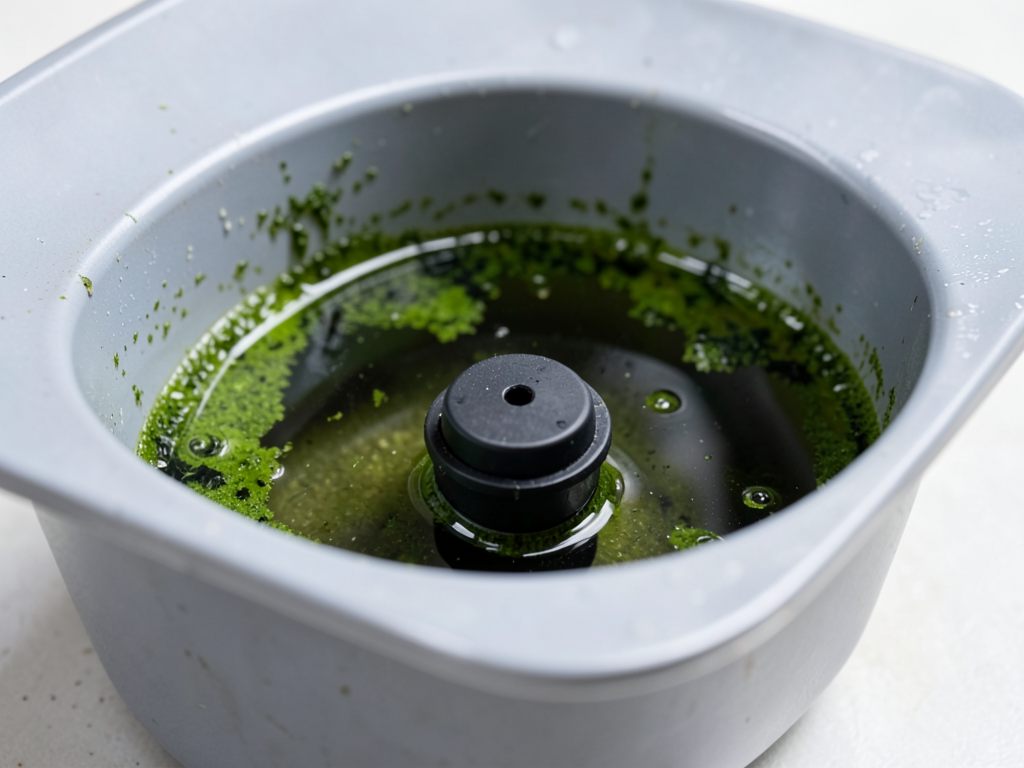
A clogged drain line is the most common cause of an AC water leak. Algae, mold, and debris accumulate in the PVC condensate line over time. The buildup creates a blockage that forces water back into the drip pan until it overflows. You may also see water pooling near the outdoor condenser unit if the drain line terminates outside.

Frozen evaporator coils cause another common AC system leaking water scenario. When refrigerant levels drop due to a leak or your filter clogs with dirt, the evaporator coil freezes. Ice builds up on the coil fins. When the system cycles off and the ice melts, water floods the drain pan faster than it can drain. The result is water damage to your ceilings, walls, and floors.

Low refrigerant levels, dirty air filters, blocked condensate lines, and broken condensate pumps all lead to air conditioning leaking water. Each cause requires a different fix. Guessing wastes time and money. You need a technician who can diagnose the exact failure point and repair it correctly.

Why Your Air Conditioner Is Dripping Water in Cleveland
How We Stop Your AC Water Leak at the Source

How We Stop Your AC Water Leak at the Source

When you call us for an AC unit leaking water, we do not start by throwing parts at the problem. We follow a diagnostic protocol that identifies the exact failure point in your system. Our technicians arrive with wet-dry vacuums, inspection cameras, refrigerant gauges, and multimeters to test every component in the drainage and refrigeration circuits.

First, we inspect the condensate drain pan for cracks, rust, or overflow damage. A corroded drain pan cannot hold water, and replacement is the only fix. Next, we clear the condensate line. We use a wet-dry vacuum to pull debris from the drain line, then flush it with a biocide treatment to kill algae and mold. If the line has a severe blockage, we use an inspection camera to locate the clog and clear it mechanically.

We check the evaporator coil for ice buildup. If the coil is frozen, we shut down the system and allow it to thaw completely before testing refrigerant levels. Low refrigerant indicates a leak somewhere in the closed-loop system. We use electronic leak detectors and UV dye to find the leak, repair it, then recharge the system to manufacturer specifications.

We test the condensate pump if your system uses one. The pump has a float switch that activates when water reaches a certain level. If the switch fails or the pump motor burns out, water backs up into the drain pan. We replace faulty pumps with OEM or equivalent parts that match your system's drainage capacity.

We inspect the air filter and ductwork for blockages that restrict airflow over the evaporator coil. Restricted airflow drops coil temperature below freezing, causing ice formation and eventual water overflow. We replace dirty filters and recommend duct cleaning if we find significant debris buildup.

After repairs, we run the system through a full cooling cycle and monitor the condensate drainage to confirm the leak is resolved.

What Happens When You Call About an AC Water Leak

AC Unit Leaking Water in Cleveland – Expert Diagnosis to Stop Damage Before It Starts
01

Immediate Response and Assessment

We answer your call and gather details about the water leak. Where is the water coming from? How much water has accumulated? Is the system running or off? We provide guidance on shutting down the system if needed to prevent further water damage. We schedule a technician to arrive within hours, not days, because water damage compounds quickly in Cleveland's humid climate.
02

Diagnosis and Leak Isolation

Our technician inspects the entire condensate drainage system, evaporator coil, and refrigerant circuit. We use vacuum testing, pressure gauges, and visual inspection to isolate the exact cause. We explain what failed, why it failed, and what repair will fix it. You get a clear explanation in plain language, not vague guesses. We provide upfront pricing before we start any repair work.
03

Repair and System Verification

We complete the repair using OEM or equivalent parts. We clear the condensate line, replace damaged components, repair refrigerant leaks, or install a new drain pan as needed. After the repair, we run the system through a complete cooling cycle and monitor condensate drainage for at least 20 minutes. We clean up any water residue and confirm your system is operating without leaks.

Why Cleveland Homeowners Trust Us for AC Water Leaks

You need a technician who understands how Cleveland's climate affects your HVAC system. High humidity in July and August puts extreme load on your air conditioner's condensate drainage system. A technician who ignores humidity factors will miss the root cause of your leak.

We service hundreds of AC units across Cleveland every summer. We know the common failure points in Carrier, Trane, Lennox, and Rheem systems. We know that older homes in neighborhoods like Ohio City and Tremont often have undersized drain lines that cannot handle modern high-efficiency AC output. We know that homes near Lake Erie experience higher humidity levels that accelerate algae growth in condensate lines.

Our technicians carry parts inventory on their trucks. We do not make multiple trips for common repairs like drain pan replacements, condensate pumps, or evaporator coil cleaning. We fix the problem on the first visit in most cases.

We also understand that water damage creates urgency. A small leak today becomes ceiling stains, drywall damage, and mold growth tomorrow. We prioritize water leak calls and dispatch technicians quickly. You will not wait three days for an appointment while water pools on your floor.

We provide clear diagnostic explanations. You will know exactly what caused the leak, what repair fixes it, and what you can do to prevent future leaks. We do not upsell unnecessary services or replace parts that still function. We repair what is broken and leave the rest alone.

Our work is backed by parts and labor coverage that protects your investment. If the same issue recurs within the coverage period, we return and make it right at no additional charge. You get peace of mind that the repair will hold.

What You Can Expect from Our AC Water Leak Service

Fast Response Time

Water leaks demand immediate attention. We dispatch technicians within hours of your call, not days. Our trucks are stocked with common repair parts so we can complete most fixes on the first visit. We understand that every hour of delay increases water damage to your floors, ceilings, and walls. You will not be left waiting while water pools in your home. We answer calls seven days a week and provide same-day service for emergency water leaks.

Thorough Diagnostic Process

We do not guess at the cause of your AC water leak. Our technicians use pressure gauges, vacuum testing, and visual inspection to isolate the exact failure point. We check the condensate drain pan, drain line, evaporator coil, refrigerant levels, air filter, and condensate pump. You get a clear explanation of what failed and why. We provide upfront pricing before we start any repair. You will know exactly what you are paying for and what the repair will accomplish.

Complete Leak Resolution

We do not just stop the visible leak. We fix the underlying cause so the problem does not return next week. If algae clogs your condensate line, we clear the line and treat it with biocide to prevent regrowth. If a refrigerant leak caused coil freezing, we locate and repair the leak, then recharge the system to specification. After repairs, we run your system through a full cooling cycle and monitor drainage to confirm the leak is resolved before we leave.

Preventive Maintenance Guidance

After we fix your AC water leak, we provide guidance on preventing future leaks. We recommend condensate line flushing schedules, filter replacement intervals, and annual coil inspections. We offer maintenance plans that include annual drain line cleaning and system inspections. Preventive maintenance catches small issues before they become water leaks. You avoid emergency repair calls and extend the life of your air conditioning system. We provide written maintenance schedules you can follow yourself or let us handle for you.

Frequently Asked Questions

You Have Questions,
We Have Answers

How do I stop my air conditioner from leaking water? +

First, shut off your AC to prevent water damage. Check the condensate drain line for clogs. If you see standing water in the drain pan, the line is blocked. You can try flushing it with distilled vinegar or using a wet-dry vacuum to clear debris. Replace your air filter if it looks dirty, as restricted airflow causes coil freezing and subsequent leaks. In Cleveland's humid summers, drain lines clog faster due to algae and mold buildup. If these steps do not resolve the leak, call a licensed HVAC technician to inspect the drain pan, refrigerant levels, and condensate pump.

Can I still use my AC if it's leaking water? +

No. Turn off your AC immediately if you notice water leaking. Running a leaking unit risks water damage to your ceilings, walls, and flooring. The leak signals an underlying problem like a clogged drain line, frozen evaporator coil, or cracked drain pan. Continued operation can worsen the issue and lead to mold growth, especially in Cleveland's humid climate. Water near electrical components also creates a shock hazard. Shut down the system at the thermostat and breaker. Address the root cause before restarting. A temporary fix is not worth structural damage or a costlier repair later.

Is a leaking AC unit an emergency? +

It depends on the severity and location of the leak. A small drip from a condensate line is not an immediate emergency, but you should address it within 24 hours. However, if water is pouring out, pooling near electrical panels, or causing ceiling damage, shut off the AC and call a technician immediately. In Cleveland homes, unnoticed leaks can quickly lead to mold growth in basements and attics due to high humidity levels. Water leaks also indicate potential refrigerant issues or frozen coils, which can damage the compressor if ignored. Act quickly to minimize damage and repair costs.

What is the 3 minute rule for AC? +

The 3-minute rule prevents short cycling and compressor damage. After shutting off your AC, wait at least 3 minutes before restarting it. This allows refrigerant pressures to equalize inside the system. Immediate restarts force the compressor to work against high pressure, which strains the motor and shortens its lifespan. The rule applies whether you are resetting a tripped breaker or turning the system back on after addressing a leak. In Cleveland's hot, humid summers where AC units run hard, following this rule protects your compressor and avoids expensive replacements. Always wait, even if you are eager to cool down.

Is AC leaking water expensive to fix? +

Repair costs vary based on the cause. A clogged condensate drain line typically costs $100 to $200 to clear professionally. Replacing a cracked drain pan runs $200 to $500. A frozen evaporator coil repair, which may involve refrigerant recharge or airflow correction, can cost $300 to $800. More serious issues like a failed condensate pump or damaged coil may exceed $1,000. In Cleveland, high humidity accelerates drain line clogs and coil freezing, making routine maintenance critical. Most leaks stem from preventable issues like dirty filters or neglected drain lines. Addressing problems early keeps costs low and avoids water damage to your home.

How do I unclog my AC condensate drain line? +

Locate the condensate drain line, usually a PVC pipe near your indoor air handler. Pour a cup of distilled white vinegar or a bleach-water mixture into the drain pan to kill algae and mold. Let it sit for 30 minutes, then flush with water. For stubborn clogs, use a wet-dry vacuum on the outdoor end of the drain line to suction out debris. You can also use a plumbing snake or compressed air to dislodge blockages. In Cleveland's humid climate, algae grows fast in drain lines. Flush the line every 3 months to prevent clogs and leaks before they start.

Can I fix a leaking AC myself? +

You can handle minor fixes like replacing a dirty air filter, clearing a condensate drain line, or cleaning the drain pan. These tasks require basic tools and no specialized knowledge. However, diagnosing frozen coils, refrigerant leaks, or faulty condensate pumps requires professional equipment and training. Attempting complex repairs can void warranties or worsen the problem. In Cleveland, where humidity and temperature swings stress AC systems, misdiagnosis can lead to compressor failure. If basic troubleshooting does not stop the leak within an hour, call a licensed HVAC technician. Your time and your home's safety are worth the service call.

What happens if I ignore an AC leak? +

Ignoring an AC leak invites serious consequences. Water will damage drywall, insulation, flooring, and ceiling joists. In Cleveland homes, excess moisture fuels mold and mildew growth, which spreads quickly in humid conditions. Mold remediation alone can cost thousands. A persistent leak also signals a failing component. A frozen coil can burn out the compressor, turning a $150 drain line fix into a $2,000 compressor replacement. Electrical components near water create fire and shock hazards. Structural damage to your home compounds over time. Address leaks immediately. The longer you wait, the more expensive and dangerous the problem becomes.

Should I call a professional for AC leaks? +

Yes. While you can try basic fixes like changing the air filter or flushing the drain line, a professional diagnosis is the safest approach. HVAC technicians have tools to inspect refrigerant levels, test condensate pumps, and evaluate coil integrity. In Cleveland, where high humidity and temperature swings complicate AC operation, accurate diagnosis prevents repeat failures. A professional can also spot early warning signs of compressor failure or ductwork issues that DIY fixes miss. If your AC leaks repeatedly or you cannot identify the cause within an hour, call a licensed technician. The service call pays for itself by preventing water damage and costly misdiagnosis.

What is the $5000 rule for AC? +

The $5,000 rule is a decision-making guideline for AC replacement. Multiply the repair cost by the age of your unit. If the total exceeds $5,000, replace the system instead of repairing it. For example, a $500 repair on a 12-year-old unit equals $6,000, suggesting replacement makes more financial sense. This rule accounts for diminishing efficiency and the likelihood of future failures on older equipment. In Cleveland, where AC systems endure hot, humid summers and cold winters, units older than 15 years often break down repeatedly. Factor in energy savings from modern, high-efficiency models when deciding between repair and replacement.

How Cleveland's High Humidity Accelerates AC Condensate Problems

Cleveland's summer humidity regularly exceeds 70 percent, especially in July and August. When outdoor humidity is high, your evaporator coil pulls more moisture from the air. A typical residential AC system in Cleveland can generate 10 to 20 gallons of condensate water per day during peak cooling season. That volume puts stress on your drain line and drain pan. Algae and mold grow faster in warm, moist condensate lines. If you do not flush your drain line annually, blockages form and water backs up into your home. Cleveland's climate makes condensate line maintenance more critical than in drier regions.

We service AC systems across Cleveland's diverse housing stock, from century-old homes in Detroit-Shoreway to new construction in Kamm's Corners. Older homes often have undersized condensate drain lines that cannot handle the output of modern high-efficiency AC systems. We understand the retrofit challenges and recommend appropriate drainage solutions. Our familiarity with local building codes and common HVAC configurations in Cleveland homes means we can diagnose and repair your AC water leak faster than a technician unfamiliar with the area. You get service from technicians who know your neighborhood and your home's systems.
HVAC Services in The Cleveland Area

We are proud to serve the entire Cleveland area, and our service network extends to all surrounding communities. Our centrally located office allows us to dispatch our expert technicians quickly and efficiently to your home or business, ensuring fast response times for all your heating and cooling needs. We invite you to view our service area on the map to see if we can bring our trusted services right to your doorstep. Don't hesitate to reach out to us today to confirm if your location is within our coverage zone.

Address:
Ace HVAC Cleveland, 3095 W 25th St, Cleveland, OH, 44113

Additional Services We Offer

Our news updates

Latest Articles & News from The Blogs

How to integrate your HVAC system with a Matter-enabled smart home in Cuyahoga Heights Integrating your HVAC system with Matter…

How to integrate your HVAC system with a Matter-enabled smart home in Cuyahoga Heights

How to integrate your HVAC system with a Matter-enabled smart home in Cuyahoga Heights Integrating your HVAC system with Matter…

Why your North Olmsted utility room smells like sewage and how to fix it

Why your North Olmsted utility room smells like sewage and how to fix it If you smell sewage near your…

Improving kitchen ventilation in Mayfield Heights homes for holiday cooking marathons

Improving kitchen ventilation in Mayfield Heights homes for holiday cooking marathons Your kitchen becomes the busiest room in the house…

Contact Us

Do not let water damage spread through your home. Call Ace HVAC Cleveland at (216) 530-9077 right now. We will dispatch a technician to diagnose and repair your AC unit leaking water today. Fast response, upfront pricing, and complete repairs.