
What South Russell homeowners need to know about heating a new attic conversion
Converting your South Russell attic into livable space is an excellent way to add square footage without expanding your home’s footprint. But here’s the cold truth: Cleveland’s brutal winters and lake-effect snow make attic heating one of the most challenging HVAC projects homeowners face. Without proper planning, your beautiful new space could become an icebox from November through March.. Read more about Heating and cooling options for your new backyard tiny home in Clark-Fulton.
The good news? With the right heating solution, your attic conversion can be as comfortable as any other room in your home. Whether you’re creating a home office, guest bedroom, or entertainment space, understanding your heating options is crucial before construction begins. This guide breaks down everything South Russell homeowners need to know about attic heating, from load calculations to local building codes. Fast and Local AC Repair Services in Solon and Surrounding Areas.
The unique challenges of heating Cleveland attics
South Russell’s historic homes, many built between 1920 and 1970, present specific heating challenges that homeowners often overlook. The stack effect in multi-story homes means warm air rises naturally, creating pressure imbalances that affect attic comfort. Add Cleveland’s Zone 5 climate with sub-zero temperatures and lake-effect snow, and you’re dealing with a perfect storm of heating difficulties.. Read more about Choosing between Trane and Carrier for the harsh Northeast Ohio climate.
Attic spaces lose heat faster than any other part of your home due to roof exposure and often inadequate insulation. The knee walls in finished attics create additional thermal bridges where heat escapes rapidly. Many South Russell homes also have existing HVAC systems that weren’t designed to handle the extra load of a finished attic space. How Much Does a New Central Air System Cost in Northeast Ohio?.
Before choosing any heating method, you need a professional Manual J load calculation. This industry-standard assessment determines exactly how many BTUs your attic space requires based on square footage, insulation levels, window placement, and Cleveland’s specific climate factors. Guessing leads to undersized systems that run constantly or oversized units that short-cycle and waste energy.
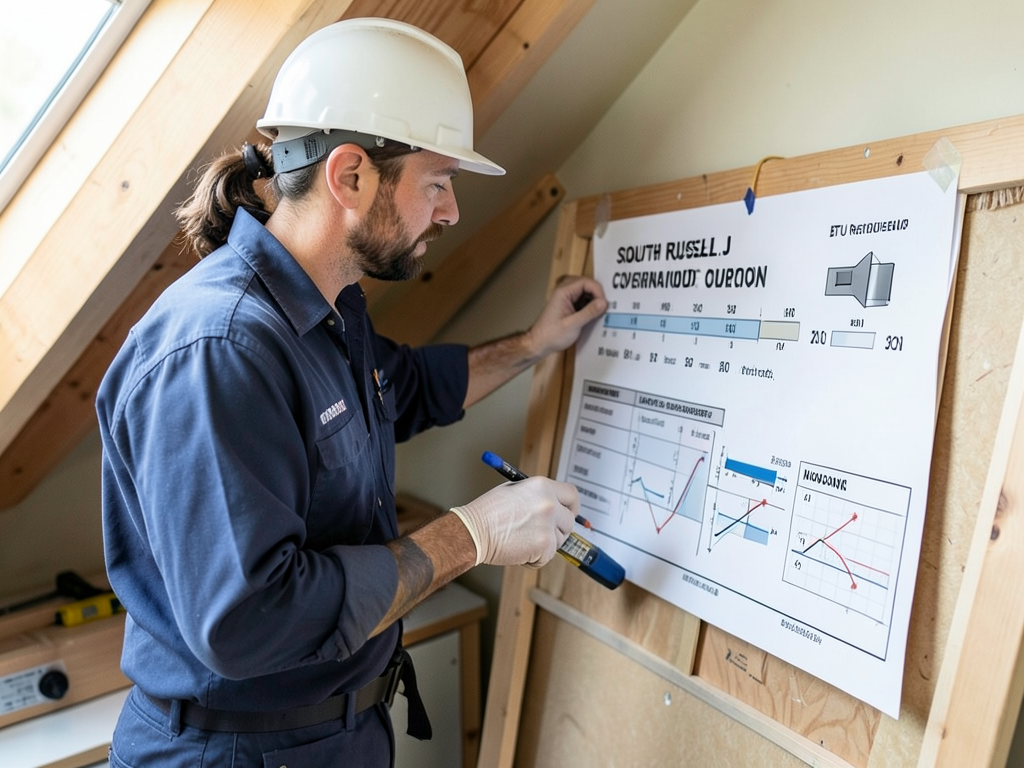
Image Description: Technician performing Manual J load calculation on a South Russell attic conversion, showing BTU requirements chart and insulation assessment tools.
Option 1: Ductless mini-split systems (the gold standard)
Ductless mini-split systems have revolutionized attic heating in Northeast Ohio. These systems consist of an outdoor compressor unit connected to one or more indoor air handlers mounted on your attic walls or ceiling. For South Russell homeowners, mini-splits offer several compelling advantages over traditional heating methods.
The primary benefit is zoned comfort control. Each indoor unit operates independently, allowing you to heat only the attic when needed rather than running your entire home’s HVAC system. This zoned approach can reduce heating costs by 30-40% compared to extending existing ductwork. Mini-splits also provide both heating and cooling, making them perfect for year-round attic use.
Installation is minimally invasive since no ductwork is required. Technicians mount the indoor units and run small refrigerant lines through walls to the outdoor compressor. Most installations in South Russell can be completed in one day with minimal disruption to your home’s structure.
Modern cold-climate heat pumps used in mini-splits maintain efficiency even when temperatures drop below zero. Look for units with HSPF2 ratings above 10 and SEER2 ratings above 18 for optimal Cleveland performance. The initial investment ranges from $3,500 to $7,000 depending on the number of zones and unit capacity needed.
Option 2: Extending your existing HVAC ductwork
Extending your current ductwork into the attic seems like the most straightforward solution, but it comes with significant technical challenges. Your existing furnace must have sufficient capacity to handle the additional square footage. Most South Russell homes built before 2000 have systems operating at 70-80% efficiency, which may not provide adequate heat for an attic conversion. Replacing an Old Furnace in a Historic Shaker Heights Home.
Manual J calculations will determine if your current system can handle the extra load. If your furnace is over 15 years old or already struggles to heat your home evenly, extending ductwork could push it to failure. The cost to upgrade your entire system might exceed the price of a mini-split installation.
Even if your system has capacity, extending ductwork to an attic presents unique challenges. Long duct runs reduce airflow and efficiency. Attics require additional return air pathways to maintain proper air circulation. Without proper design, you’ll experience hot and cold spots throughout the space.
The installation process involves cutting into existing ductwork, running new supply and return lines through walls or ceiling cavities, and ensuring proper insulation around all new duct connections. This invasive process can take 3-5 days and may require structural modifications to accommodate duct routing.
Option 3: Electric baseboard and radiant options
Electric baseboard heaters offer the lowest upfront installation cost for attic heating, typically ranging from $800 to $2,500 depending on the number of units needed. These 240-volt heaters mount along walls and provide consistent, quiet heat without requiring any ductwork or refrigerant lines.. Read more about Replacing expensive electric baseboard heat with a modern heat pump in Madison.
The main drawback is operating cost. Ohio’s electricity rates make electric resistance heating expensive to run during Cleveland winters. Monthly heating bills for a 300-square-foot attic can exceed $200 during peak winter months. Baseboard heaters also take longer to warm up than other options and can create dry air conditions.
Radiant floor heating provides luxurious comfort but comes with the highest installation costs, typically $10 to $20 per square foot. This system involves installing electric heating mats or hydronic tubes beneath your finished flooring. While operating costs are lower than baseboard heaters, the installation requires removing existing flooring and can only be done during major renovations.. Read more about Why the second floor of your Lakewood Cape Cod is always ten degrees hotter.
Hydronic radiant systems connect to your existing boiler if you have one, making them ideal for South Russell homes with radiator heating. These systems use hot water circulated through tubing to provide even, comfortable heat. However, they require professional installation and may need boiler capacity upgrades. Reliable Boiler Repair Services for Older Lakewood Homes.
Insulation: the secret to effective attic heating
No heating system performs well without proper insulation. Northeast Ohio building codes require R-49 to R-60 insulation in attic spaces, significantly higher than the R-30 minimum in many other regions. This increased insulation requirement reflects Cleveland’s harsh winters and the importance of preventing heat loss through your roof.
Two insulation methods dominate attic conversions: spray foam and fiberglass batts. Spray foam provides superior air sealing and higher R-values per inch, making it ideal for irregular attic spaces and knee walls. A 2-inch spray foam layer achieves R-13, while achieving the same R-value with fiberglass requires 4-5 inches of material.
Knee walls present unique insulation challenges in finished attics. These short walls between the floor and roof slope create thermal bridges where heat escapes rapidly. Insulating knee walls requires either spray foam application or rigid foam board with careful air sealing around all edges and penetrations.
Vapor barriers are critical in Cleveland’s humid climate. Without proper vapor control, moisture from your living space can condense in attic insulation during winter, reducing effectiveness and potentially causing mold growth. Building codes require vapor barriers on the warm side of insulation in Zone 5 climates.

Image Description: Technician installing R-60 spray foam insulation in a South Russell attic conversion, showing proper vapor barrier application and air sealing techniques.
Cleveland permits and building codes for attic conversions
Converting your attic into livable space in South Russell requires proper permits and inspections from Cuyahoga County. The building department reviews your plans to ensure compliance with minimum ceiling heights, emergency egress requirements, and structural load capacity. Most attic conversions require electrical, mechanical, and building permits. EPA HVAC efficiency standards.
Ohio Residential Code Section 305 mandates minimum ceiling heights of 7 feet for at least 50% of the finished area. Egress windows are required in all sleeping areas, with specific size requirements for emergency escape. Your HVAC contractor must pull separate mechanical permits for any new heating equipment installation.
Energy code compliance is strictly enforced in Cuyahoga County. All new heating equipment must meet minimum efficiency standards, and insulation must achieve the R-values specified in the Ohio Energy Code. Ductwork in unconditioned spaces requires R-8 insulation minimum to prevent heat loss.
South Russell’s historic district guidelines may impose additional restrictions on exterior modifications. If your home is within designated historic areas, you may need approval from the architectural review board before installing outdoor condenser units or making roof penetrations for ductwork.
Cost comparison: installation vs. operating expenses
Understanding both upfront and long-term costs helps you make the right heating choice for your attic conversion. Here’s how the major options compare for a typical 300-square-foot South Russell attic space:
| Heating Method | Installation Cost | Annual Operating Cost | Efficiency Rating | Best For |
|---|---|---|---|---|
| Ductless Mini-Split | $3,500 – $7,000 | $350 – $500 | HSPF2 10+ / SEER2 18+ | Year-round use |
| Duct Extension | $2,500 – $5,000 | $400 – $600 | 80-95% AFUE | Existing system capacity |
| Electric Baseboard | $800 – $2,500 | $800 – $1,200 | 100% (resistive) | Occasional use |
| Radiant Floor | $3,000 – $6,000 | $300 – $450 | 95-98% (electric) | Luxury comfort |
The data reveals a crucial insight: cheapest installation doesn’t mean cheapest operation. Electric baseboard heaters cost less upfront but can double your annual heating expenses compared to a high-efficiency mini-split. Over a 10-year period, the operating cost difference alone can exceed $5,000.
Energy efficiency rebates can significantly reduce your costs. FirstEnergy and Dominion Energy offer rebates up to $500 for high-efficiency heat pumps and $200 for smart thermostats. These programs change annually, so check current incentives before making your final decision.
Professional installation: why DIY doesn’t cut it
Attic heating installation requires specialized knowledge of building science, electrical systems, and local codes. Improper installation leads to comfort issues, higher energy bills, and potential safety hazards. Professional HVAC contractors understand the unique challenges of Cleveland’s climate and can design systems that perform reliably for decades.
Proper sizing is critical. An oversized system cycles on and off frequently, reducing efficiency and comfort. An undersized system runs constantly, increasing wear and energy costs. Professional contractors use Manual J calculations and industry-standard software to determine exact equipment requirements.
Refrigerant handling requires EPA certification. Mini-split installations involve working with chemicals that can damage the environment if mishandled. Professional technicians have the training and equipment to install these systems safely and in compliance with environmental regulations.
Warranty protection depends on professional installation. Most manufacturers void warranties if equipment isn’t installed by licensed contractors. Additionally, building inspectors will not approve work that doesn’t meet code requirements, potentially requiring costly rework if you attempt DIY installation.
Image Description: Licensed HVAC technician installing a cold-climate heat pump in a South Russell attic conversion, showing proper refrigerant line connections and electrical hookup procedures.
Making your final decision
Choosing the right heating method for your attic conversion depends on several factors specific to your situation. Start by evaluating your existing HVAC system capacity through a professional assessment. If your current system is over 15 years old or already struggles to heat your home evenly, extending ductwork probably isn’t your best option.
Consider how you’ll use the space. For year-round home offices or guest bedrooms, the higher upfront cost of a mini-split pays off through lower operating costs and superior comfort. For occasional hobby rooms or storage, electric baseboard might suffice despite higher operating costs.
Your home’s architecture matters too. South Russell’s historic homes often have limited space for ductwork routing or may have structural constraints that make certain installations difficult. Mini-splits work well in these situations since they require minimal structural modification.
Don’t forget about cooling needs. Cleveland summers bring high humidity and temperatures in the 80s and 90s. Any heating system you choose should also handle cooling effectively, making mini-splits particularly attractive for their dual functionality.
Finally, factor in your timeline. If you’re planning to sell within a few years, choose a system that adds value and appeals to buyers. Energy-efficient options with good warranties typically provide the best return on investment in South Russell’s real estate market.
Ready to heat your attic conversion?
Don’t let Cleveland’s harsh winters keep you from enjoying your new attic space. The right heating solution transforms your conversion from a seasonal room to a comfortable, year-round extension of your home. Professional assessment ensures you get exactly the right system for your specific needs and budget.
Call (216) 530-9077 today to schedule your attic heating consultation. Our NATE-certified technicians will perform a complete load calculation, evaluate your existing system, and recommend the most cost-effective solution for your South Russell home. We handle everything from permits to final inspection, ensuring your attic conversion meets all local codes and provides reliable comfort for years to come.
Pick up the phone and call (216) 530-9077 before the next cold snap hits. Your new attic space deserves heating that works as hard as you do to make it comfortable and inviting.
Frequently Asked Questions
How long does attic heating installation take?
Most attic heating installations in South Russell can be completed in one to three days, depending on the system chosen. Mini-split installations typically take one day, while ductwork extensions may require three to five days for proper routing and connection to your existing system.
Will adding attic heating increase my home’s value?
Yes, adding proper heating to your attic conversion typically increases your home’s value by 50-70% of the installation cost. Energy-efficient systems like mini-splits provide the best return on investment, as they appeal to buyers looking for both comfort and lower utility bills.
Do I need permits for attic heating installation?
Yes, Cuyahoga County requires permits for all new heating equipment installations and significant modifications to existing systems. Your HVAC contractor should handle permit acquisition and ensure all work meets local building codes and energy efficiency requirements.
What’s the most energy-efficient option for Cleveland winters?
Ductless mini-split systems with cold-climate heat pumps offer the best energy efficiency for Cleveland winters. Look for units with HSPF2 ratings above 10 and SEER2 ratings above 18. These systems maintain efficiency even in sub-zero temperatures and can reduce heating costs by 30-40% compared to traditional methods.
Can I install attic heating myself to save money?
DIY attic heating installation is not recommended due to safety concerns, warranty issues, and code compliance requirements. Professional installation ensures proper sizing, safe operation, and warranty protection. Improper installation can lead to comfort issues, higher energy bills, and potential safety hazards.
- Assess Your Current System
Have a professional evaluate your existing HVAC capacity and determine if it can handle the additional load of an attic conversion.
- Get a Manual J Calculation
Request a professional load calculation to determine exact heating requirements based on your attic’s size, insulation, and Cleveland’s climate factors.
- Compare Installation and Operating Costs
Evaluate both upfront installation costs and long-term operating expenses to determine the most cost-effective solution for your usage patterns.
- Check Local Codes and Permits
Verify that your chosen system meets Cuyahoga County building codes and energy efficiency requirements, and obtain necessary permits.
- Hire a Licensed Contractor
Select a NATE-certified HVAC contractor experienced with attic conversions in Northeast Ohio to ensure proper installation and warranty protection. For more information, visit U.S. Department of Energy heat pump guide.
You may also find this helpful. Why your HVAC secondary drain pan is filling with water and how to stop a flood.
{
“@context”: “https://schema.org”,
“@type”: “BlogPosting”,
“headline”: “What South Russell homeowners need to know about heating a new attic conversion”,
“description”: “Learn how to heat your South Russell attic conversion with ductless mini-splits, extended ductwork, or radiant options. Get expert HVAC advice for Northeast Ohio winters.”,
“wordCount”: 2513,
“datePublished”: “2026-05-16T07:37:00.000Z”,
“dateModified”: “2026-05-16T07:37:00.000Z”,
“inLanguage”: “en-US”,
“mainEntityOfPage”: {
“@type”: “WebPage”,
“@id”: “https://acehvaccleveland.com”
},
“publisher”: {
“@type”: “LocalBusiness”,
“name”: “Ace HVAC Cleveland”,
“url”: “https://acehvaccleveland.com”
},
“author”: {
“@type”: “Organization”,
“name”: “Ace HVAC Cleveland”,
“url”: “https://acehvaccleveland.com”
},
“image”: {
“@type”: “ImageObject”,
“url”: “https://acehvaccleveland.com/wp-content/uploads/2026/03/what-south-russell-homeowners-need-to-know-about-h-1.png”
}
}
{
“@context”: “https://schema.org”,
“@type”: “HVACBusiness”,
“name”: “Ace HVAC Cleveland”,
“url”: “https://acehvaccleveland.com”,
“address”: {
“@type”: “PostalAddress”,
“addressLocality”: “Cleveland”
},
“areaServed”: {
“@type”: “City”,
“name”: “Cleveland”
}
}
{
“@context”: “https://schema.org”,
“@type”: “FAQPage”,
“mainEntity”: [
{
“@type”: “Question”,
“name”: “Ready to heat your attic conversion?”,
“acceptedAnswer”: {
“@type”: “Answer”,
“text”: “Don’t let Cleveland’s harsh winters keep you from enjoying your new attic space. The right heating solution transforms your conversion from a seasonal room to a comfortable, year-round extension of your home. Professional assessment ensures you get exactly the right system for your specific needs and budget.”
}
},
{
“@type”: “Question”,
“name”: “How long does attic heating installation take?”,
“acceptedAnswer”: {
“@type”: “Answer”,
“text”: “Most attic heating installations in South Russell can be completed in one to three days, depending on the system chosen. Mini-split installations typically take one day, while ductwork extensions may require three to five days for proper routing and connection to your existing system.”
}
},
{
“@type”: “Question”,
“name”: “Will adding attic heating increase my home’s value?”,
“acceptedAnswer”: {
“@type”: “Answer”,
“text”: “Yes, adding proper heating to your attic conversion typically increases your home’s value by 50-70% of the installation cost. Energy-efficient systems like mini-splits provide the best return on investment, as they appeal to buyers looking for both comfort and lower utility bills.”
}
},
{
“@type”: “Question”,
“name”: “Do I need permits for attic heating installation?”,
“acceptedAnswer”: {
“@type”: “Answer”,
“text”: “Yes, Cuyahoga County requires permits for all new heating equipment installations and significant modifications to existing systems. Your HVAC contractor should handle permit acquisition and ensure all work meets local building codes and energy efficiency requirements.”
}
},
{
“@type”: “Question”,
“name”: “What’s the most energy-efficient option for Cleveland winters?”,
“acceptedAnswer”: {
“@type”: “Answer”,
“text”: “Ductless mini-split systems with cold-climate heat pumps offer the best energy efficiency for Cleveland winters. Look for units with HSPF2 ratings above 10 and SEER2 ratings above 18. These systems maintain efficiency even in sub-zero temperatures and can reduce heating costs by 30-40% compared to traditional methods.”
}
},
{
“@type”: “Question”,
“name”: “Can I install attic heating myself to save money?”,
“acceptedAnswer”: {
“@type”: “Answer”,
“text”: “DIY attic heating installation is not recommended due to safety concerns, warranty issues, and code compliance requirements. Professional installation ensures proper sizing, safe operation, and warranty protection. Improper installation can lead to comfort issues, higher energy bills, and potential safety hazards.”
}
}
]
}
{
“@context”: “https://schema.org”,
“@type”: “HowTo”,
“name”: “How to Choose Attic Heating”,
“step”: [
{
“@type”: “HowToStep”,
“position”: 1,
“name”: “Assess Your Current System”,
“text”: “Have a professional evaluate your existing HVAC capacity and determine if it can handle the additional load of an attic conversion.”
},
{
“@type”: “HowToStep”,
“position”: 2,
“name”: “Get a Manual J Calculation”,
“text”: “Request a professional load calculation to determine exact heating requirements based on your attic’s size, insulation, and Cleveland’s climate factors.”
},
{
“@type”: “HowToStep”,
“position”: 3,
“name”: “Compare Installation and Operating Costs”,
“text”: “Evaluate both upfront installation costs and long-term operating expenses to determine the most cost-effective solution for your usage patterns.”
},
{
“@type”: “HowToStep”,
“position”: 4,
“name”: “Check Local Codes and Permits”,
“text”: “Verify that your chosen system meets Cuyahoga County building codes and energy efficiency requirements, and obtain necessary permits.”
},
{
“@type”: “HowToStep”,
“position”: 5,
“name”: “Hire a Licensed Contractor”,
“text”: “Select a NATE-certified HVAC contractor experienced with attic conversions in Northeast Ohio to ensure proper installation and warranty protection. For more information, visit U.S. Department of Energy heat pump guide.”
}
],
“image”: “https://acehvaccleveland.com/wp-content/uploads/2026/03/what-south-russell-homeowners-need-to-know-about-h-1.png”
}
{
“@context”: “https://schema.org”,
“@type”: “BreadcrumbList”,
“itemListElement”: [
{
“@type”: “ListItem”,
“position”: 1,
“name”: “Home”,
“item”: “https://acehvaccleveland.com”
},
{
“@type”: “ListItem”,
“position”: 2,
“name”: “Blog”,
“item”: “https://acehvaccleveland.com/blog”
},
{
“@type”: “ListItem”,
“position”: 3,
“name”: “What South Russell homeowners need to know about heating a new attic conversion”
}
]
}
{
“@context”: “https://schema.org”,
“@type”: “Service”,
“serviceType”: “HVAC”,
“provider”: {
“@type”: “LocalBusiness”,
“name”: “Ace HVAC Cleveland”,
“url”: “https://acehvaccleveland.com”
},
“areaServed”: {
“@type”: “City”,
“name”: “Cleveland”
},
“description”: “Learn how to heat your South Russell attic conversion with ductless mini-splits, extended ductwork, or radiant options. Get expert HVAC advice for Northeast Ohio winters.”
}