
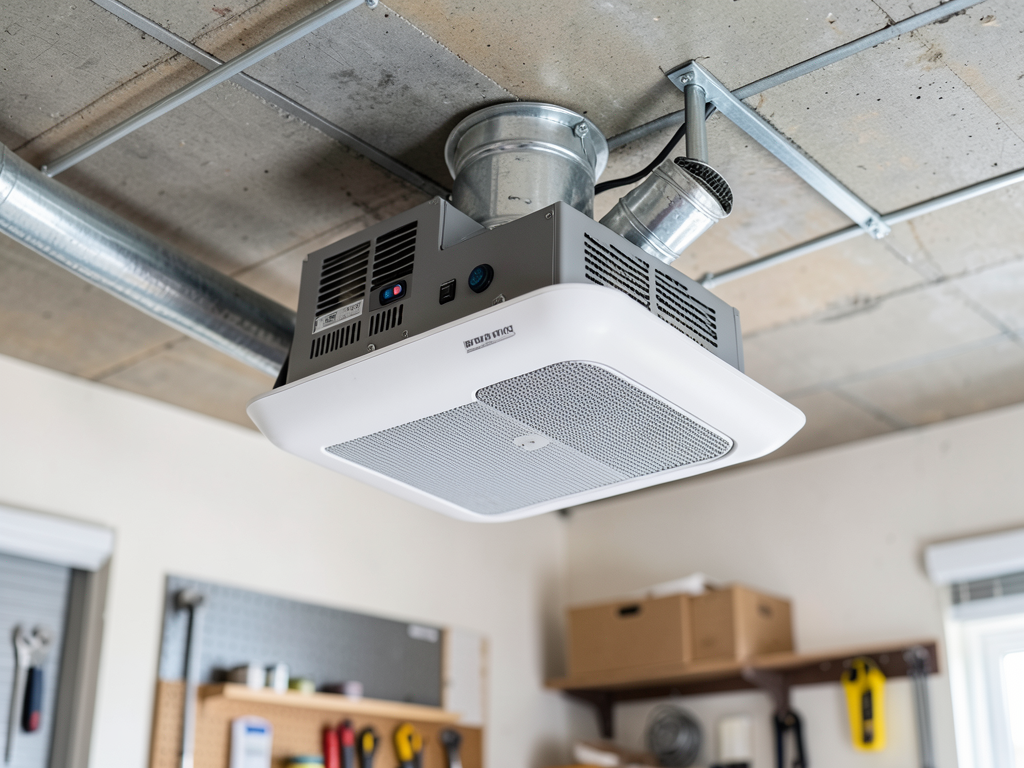
The best ways to heat a detached garage workshop in Middleburg Heights
Heating a detached garage workshop in Middleburg Heights requires careful planning to combat Ohio’s harsh winters. The right heating solution protects your tools, keeps you productive, and prevents freezing damage to plumbing and stored items. This guide breaks down the most effective heating options for your workshop, with specific considerations for Middleburg Heights’ climate and building requirements.. Read more about Maintaining climate control for small warehouses and shops in Valley View.
Understanding Middleburg Heights garage heating needs
Middleburg Heights experiences winter temperatures that regularly drop below 20°F, with wind chills making it feel even colder. A detached garage workshop faces unique challenges: no shared wall for heat transfer, potential exposure to north winds off the Rocky River Reservation, and older construction that may lack modern insulation standards. HVAC Rocky River.
Before selecting a heater, you need to calculate your space’s heating requirements. A typical two-car garage in Middleburg Heights (about 400-500 square feet) needs approximately 15,000-20,000 BTUs for comfortable working temperatures when properly insulated.
Diagnostic tip: Use an infrared thermometer to check surface temperatures in your garage during winter. Cold spots near windows, doors, and uninsulated walls indicate where heat loss occurs most rapidly.
Top heating options for Middleburg Heights workshops
Forced air garage heaters
Forced air heaters work by blowing heated air through the space. These units mount to the ceiling and connect to natural gas lines, making them efficient for continuous use.
Benefits for Middleburg Heights workshops:
- Quick heat recovery after opening doors
- Even temperature distribution
- Available in high-efficiency models
Installation considerations: These require proper venting through the roof or wall and must comply with Cuyahoga County Mechanical Code Section 1302 for combustion air requirements. Cuyahoga County Building Department.
Infrared tube heaters
Infrared heaters warm objects and people directly rather than heating the air. They’re ideal for spot heating workbenches or tool areas.
Middleburg Heights advantages:
- No air movement means less dust circulation
- Immediate warmth when standing under the unit
- Lower operating costs for intermittent use
Key specification: Most infrared garage heaters range from 30,000 to 150,000 BTUs. A 50,000 BTU unit typically heats a 500-square-foot workshop to 65°F when outdoor temperatures hover around 20°F.
Electric unit heaters
Electric heaters offer simple installation without gas lines or venting. They’re suitable for smaller workshops or as supplemental heat.
Local considerations: Middleburg Heights’ average winter electricity rates make electric heating more expensive to operate than natural gas. However, they’re excellent for workshops under 300 square feet or for occasional use. City of Middleburg Heights.
Installation requirements and local codes
Middleburg Heights follows Cuyahoga County building codes for mechanical installations. Key requirements include:
- Permit required for all new gas-fired heating equipment
- Combustion air must be provided according to manufacturer specifications
- Venting must extend at least 3 feet above any part of the building within 10 feet
- Carbon monoxide detectors required in attached living spaces
Diagnostic check: Before installation, verify your electrical panel has capacity for the new load. A 4,000-watt electric heater requires a dedicated 20-amp circuit.
Step-by-step garage heater installation process
- Site assessment
Measure your workshop dimensions, check insulation levels, and identify the best mounting location. South-facing walls receive more solar gain during winter.
- BTU sizing calculation
Multiply your workshop’s square footage by 40-50 BTUs for standard insulation. Add 5,000 BTUs if you have minimal insulation or large windows.
- Gas line verification
Confirm your existing gas line can handle the additional load. A 50,000 BTU heater requires a 1/2-inch gas line minimum.
- Mounting and venting
Install mounting brackets to ceiling joists. Route venting pipes with minimal bends to maintain proper draft.
- Electrical connection
Install a dedicated circuit with proper gauge wiring. Most units require 120V for controls and 24V for the gas valve.
- Safety testing
Check for gas leaks with soap solution, verify proper venting draft, and test all safety controls before operation.. Read more about Finding the right AC solution for your new sunroom in Orange Village.
Cost factors for Middleburg Heights garage heating
| Heater Type | Initial Cost Range | Monthly Operating Cost* | Best For |
|---|---|---|---|
| Forced Air Gas | $800 – $2,500 | $45 – $75 | Daily use, larger spaces |
| Infrared Tube | $1,200 – $3,500 | $35 – $65 | Spot heating, dust-sensitive work |
| Electric Unit | $300 – $800 | $80 – $120 | Small spaces, occasional use |
*Based on average January usage, 20°F outdoor temperature, and current utility rates in Cuyahoga County.
Maximizing efficiency in your workshop
Proper insulation dramatically reduces heating costs. A well-insulated garage can cut heating requirements by 30-50%.
Key areas to address:
- Garage door: Install insulated panels or add insulation kit
- Windows: Use thermal curtains or upgrade to double-pane
- Floor: Concrete slabs lose significant heat; consider rubber mats in work areas
Diagnostic test: After sealing obvious gaps, use a smoke pencil around doors and windows. Smoke movement indicates air infiltration that your heater must compensate for.
Safety considerations for workshop heating
Workshop environments contain combustible materials that require special safety measures:
- Maintain 36-inch clearance from all flammable materials
- Install a ceiling-mounted CO detector if using gas heat
- Keep a fire extinguisher rated for Class B fires nearby
- Never store gasoline or solvents near the heater
Local requirement: Middleburg Heights Fire Code requires all gas-fired heaters in workshops to have automatic shutoff if the pilot light fails. Fast and Local AC Repair Services in Solon and Surrounding Areas.
Maintenance to keep your heater running efficiently
Regular maintenance prevents mid-winter failures when you need heat most. Commercial HVAC Maintenance for Businesses in Downtown Cleveland.
Seasonal checklist:
- Inspect and clean burner assembly before heating season
- Check heat exchanger for cracks or corrosion
- Clean or replace air filters monthly during use
- Verify venting remains clear of obstructions
Diagnostic sign: A yellow or orange flame instead of blue indicates dirty burners or improper gas pressure.
Frequently Asked Questions
What size heater do I need for a 2-car garage workshop?
A standard two-car garage (400-500 sq ft) typically needs 15,000-20,000 BTUs for comfortable temperatures when properly insulated. Add 5,000 BTUs if your workshop has minimal insulation or large windows.
Do I need a permit to install a garage heater in Middleburg Heights?
Yes. Middleburg Heights requires permits for all new gas-fired heating equipment. The permit ensures proper installation and compliance with local building codes. Contact the Cuyahoga County Building Department for specific requirements.
How much does it cost to operate a garage heater in winter?
Operating costs vary by heater type and usage. A natural gas forced air heater typically costs $45-$75 per month to maintain 65°F in a 500-square-foot space during January. Electric heaters cost significantly more to operate.
Can I install a garage heater myself?
While DIY installation is possible, professional installation ensures proper venting, gas line connections, and compliance with local codes. Improper installation can create carbon monoxide hazards or fire risks. Most manufacturers require professional installation to maintain warranty coverage.
What’s the most energy-efficient option for occasional use?
Infrared heaters are most efficient for intermittent use since they heat objects directly and have no warm-up time. Electric radiant panels also work well for occasional heating without the need for venting or gas lines.
Ready to make your workshop comfortable year-round? Call (216) 530-9077 today to schedule a free assessment and get expert recommendations for your specific space.
Don’t wait until the next cold snap hits. Pick up the phone and call (216) 530-9077 before temperatures drop again. We’ll help you select the perfect heating solution for your Middleburg Heights workshop.
{
“@context”: “https://schema.org”,
“@type”: “BlogPosting”,
“headline”: “The best ways to heat a detached garage workshop in Middleburg Heights”,
“description”: “Learn effective heating solutions for detached garage workshops in Middleburg Heights, Ohio. Compare gas, electric, and infrared options with local code requirements.”,
“wordCount”: 1215,
“datePublished”: “2026-04-15T10:57:00.000Z”,
“dateModified”: “2026-04-15T10:57:00.000Z”,
“inLanguage”: “en-US”,
“mainEntityOfPage”: {
“@type”: “WebPage”,
“@id”: “https://acehvaccleveland.com”
},
“publisher”: {
“@type”: “LocalBusiness”,
“name”: “Ace HVAC Cleveland”,
“url”: “https://acehvaccleveland.com”
},
“author”: {
“@type”: “Organization”,
“name”: “Ace HVAC Cleveland”,
“url”: “https://acehvaccleveland.com”
},
“image”: {
“@type”: “ImageObject”,
“url”: “https://acehvaccleveland.com/wp-content/uploads/2026/03/the-best-ways-to-heat-a-detached-garage-workshop-i-1.png”
}
}
{
“@context”: “https://schema.org”,
“@type”: “HVACBusiness”,
“name”: “Ace HVAC Cleveland”,
“url”: “https://acehvaccleveland.com”,
“address”: {
“@type”: “PostalAddress”,
“addressLocality”: “Cleveland”
},
“areaServed”: {
“@type”: “City”,
“name”: “Cleveland”
}
}
{
“@context”: “https://schema.org”,
“@type”: “FAQPage”,
“mainEntity”: [
{
“@type”: “Question”,
“name”: “What size heater do I need for a 2-car garage workshop?”,
“acceptedAnswer”: {
“@type”: “Answer”,
“text”: “A standard two-car garage (400-500 sq ft) typically needs 15,000-20,000 BTUs for comfortable temperatures when properly insulated. Add 5,000 BTUs if your workshop has minimal insulation or large windows.”
}
},
{
“@type”: “Question”,
“name”: “Do I need a permit to install a garage heater in Middleburg Heights?”,
“acceptedAnswer”: {
“@type”: “Answer”,
“text”: “Yes. Middleburg Heights requires permits for all new gas-fired heating equipment. The permit ensures proper installation and compliance with local building codes. Contact the Cuyahoga County Building Department for specific requirements.”
}
},
{
“@type”: “Question”,
“name”: “How much does it cost to operate a garage heater in winter?”,
“acceptedAnswer”: {
“@type”: “Answer”,
“text”: “Operating costs vary by heater type and usage. A natural gas forced air heater typically costs $45-$75 per month to maintain 65°F in a 500-square-foot space during January. Electric heaters cost significantly more to operate.”
}
},
{
“@type”: “Question”,
“name”: “Can I install a garage heater myself?”,
“acceptedAnswer”: {
“@type”: “Answer”,
“text”: “While DIY installation is possible, professional installation ensures proper venting, gas line connections, and compliance with local codes. Improper installation can create carbon monoxide hazards or fire risks. Most manufacturers require professional installation to maintain warranty coverage.”
}
},
{
“@type”: “Question”,
“name”: “What’s the most energy-efficient option for occasional use?”,
“acceptedAnswer”: {
“@type”: “Answer”,
“text”: “Infrared heaters are most efficient for intermittent use since they heat objects directly and have no warm-up time. Electric radiant panels also work well for occasional heating without the need for venting or gas lines.”
}
}
]
}
{
“@context”: “https://schema.org”,
“@type”: “HowTo”,
“name”: “How to install a garage heater”,
“step”: [
{
“@type”: “HowToStep”,
“position”: 1,
“name”: “Site assessment”,
“text”: “Measure your workshop dimensions, check insulation levels, and identify the best mounting location. South-facing walls receive more solar gain during winter.”
},
{
“@type”: “HowToStep”,
“position”: 2,
“name”: “BTU sizing calculation”,
“text”: “Multiply your workshop’s square footage by 40-50 BTUs for standard insulation. Add 5,000 BTUs if you have minimal insulation or large windows.”
},
{
“@type”: “HowToStep”,
“position”: 3,
“name”: “Gas line verification”,
“text”: “Confirm your existing gas line can handle the additional load. A 50,000 BTU heater requires a 1/2-inch gas line minimum.”
},
{
“@type”: “HowToStep”,
“position”: 4,
“name”: “Mounting and venting”,
“text”: “Install mounting brackets to ceiling joists. Route venting pipes with minimal bends to maintain proper draft.”
},
{
“@type”: “HowToStep”,
“position”: 5,
“name”: “Electrical connection”,
“text”: “Install a dedicated circuit with proper gauge wiring. Most units require 120V for controls and 24V for the gas valve.”
},
{
“@type”: “HowToStep”,
“position”: 6,
“name”: “Safety testing”,
“text”: “Check for gas leaks with soap solution, verify proper venting draft, and test all safety controls before operation.”
}
],
“image”: “https://acehvaccleveland.com/wp-content/uploads/2026/03/the-best-ways-to-heat-a-detached-garage-workshop-i-1.png”
}
{
“@context”: “https://schema.org”,
“@type”: “BreadcrumbList”,
“itemListElement”: [
{
“@type”: “ListItem”,
“position”: 1,
“name”: “Home”,
“item”: “https://acehvaccleveland.com”
},
{
“@type”: “ListItem”,
“position”: 2,
“name”: “Blog”,
“item”: “https://acehvaccleveland.com/blog”
},
{
“@type”: “ListItem”,
“position”: 3,
“name”: “The best ways to heat a detached garage workshop in Middleburg Heights”
}
]
}
{
“@context”: “https://schema.org”,
“@type”: “Service”,
“serviceType”: “HVAC”,
“provider”: {
“@type”: “LocalBusiness”,
“name”: “Ace HVAC Cleveland”,
“url”: “https://acehvaccleveland.com”
},
“areaServed”: {
“@type”: “City”,
“name”: “Cleveland”
},
“description”: “Learn effective heating solutions for detached garage workshops in Middleburg Heights, Ohio. Compare gas, electric, and infrared options with local code requirements.”
}