


Rocky River sits along Lake Erie's southern shore, which creates humidity swings that punish HVAC equipment year-round. Summer lake breezes bring moisture that overworks air conditioners and corrodes condensers faster than inland areas. Winter winds off the water create temperature drops that strain furnaces and expose weak points in ductwork.
The city's housing stock ranges from historic homes in Rocky River Shores with original ductwork to newer builds near Wagar Woods with modern zoned systems. Each requires different repair approaches. Older homes often have undersized returns and aging heat exchangers. Newer construction sometimes has installation shortcuts that cause premature failures.
Clay soil throughout Cuyahoga County shifts foundations, which separates duct connections and creates air leaks that waste energy. Combined with Ohio's freeze-thaw cycles, this movement stresses refrigerant lines and causes pinhole leaks in older copper. Rocky River homeowners near Hilliard Boulevard and Detroit Road deal with road salt corrosion on outdoor units, shortening compressor life.
Local building codes require specific venting for high-efficiency furnaces, and Rocky River inspectors enforce these standards strictly. Systems must handle both the humid summers and subzero winter nights that define Northeast Ohio. Understanding these regional factors makes the difference between a patch job and a lasting repair.
Ace HVAC Cleveland has served Rocky River and the greater Cleveland metro for years, building a reputation on rapid response and straight talk. When your furnace quits at 11 PM on a January night, you need a truck rolling, not a callback tomorrow. We dispatch immediately because we know Lake Erie winters don't wait.
Our technicians carry full diagnostic equipment and parts inventory for the systems most common in Rocky River homes. We stock heat exchangers, blower motors, capacitors, and contactors that fit the Carrier, Trane, Lennox, and Rheem systems installed throughout the city. This means same-visit repairs instead of ordering parts and rescheduling.
We price every job upfront before work begins. You know the cost before we touch a wrench. No hidden fees, no surprise charges when the work is done. If we find additional issues during inspection, we explain them clearly and let you decide how to proceed. Your money, your choice.
Our approach focuses on education over upselling. We show you what failed, explain why it happened, and give you options from budget repairs to full system replacement. Many Rocky River clients have older systems worth repairing. Others have units on their last legs where replacement makes financial sense. We give you the information to make the right call for your situation and budget.
Every repair includes a thorough system inspection. We check refrigerant levels, test electrical components, inspect ductwork connections, and verify airflow. Problems rarely exist in isolation. A failed capacitor often signals voltage issues. Low refrigerant means a leak somewhere. We find the root cause, not just the symptom.

Rocky River emergencies get immediate dispatch. When your heat fails in January or AC quits in July, we mobilize fast. Our trucks carry the parts and tools to complete most repairs on the first visit, restoring comfort within hours, not days.

You see the total cost before work begins. No hourly rates that climb. No surprise charges after completion. We diagnose the problem, quote the repair, and stick to that number. You approve the price or we pack up and leave.
We tell you when a system is worth fixing and when replacement makes more sense. A 20-year-old furnace with a cracked heat exchanger costs more to repair than it's worth. We show you the math and let you decide.
Rocky River's lakefront location creates unique HVAC challenges. We understand how humidity affects compressors, how winter winds stress furnaces, and how salt air corrodes outdoor units. This knowledge shapes our diagnostic approach and repair recommendations.
Ace HVAC Cleveland handles every aspect of heating, cooling, and air quality for Rocky River properties. From furnace repair on freezing nights to AC service during heat waves, we maintain the systems that keep your home comfortable year-round.
Our service range covers emergency repairs, planned maintenance, full system replacements, and indoor air quality solutions. We work on all equipment types from central air conditioners and gas furnaces to heat pumps and ductless mini-splits. Whether you need a quick fix or complete system overhaul, we have the expertise and parts inventory to handle it.
Rocky River homes demand reliable HVAC because Lake Erie weather swings from subzero cold to humid heat. Systems work harder here than in more temperate climates, which means more frequent service needs. We structure our offerings around the three most critical areas where homeowners need support: heating failures, cooling breakdowns, and system efficiency problems.
Each service category addresses specific pain points. Heating emergencies require immediate response because safety is at stake. Cooling repairs need fast turnaround because comfort matters. Maintenance and upgrades prevent expensive failures and reduce monthly utility costs. Understanding which category fits your current need helps you get the right solution quickly.
When your furnace quits, you need heat restored immediately. We diagnose and repair gas furnaces, electric heating systems, heat pumps, and boilers throughout Rocky River. Common repairs include cracked heat exchangers, failed igniters, malfunctioning thermostats, and blower motor replacements. We handle everything from simple thermostat issues to complete burner assembly rebuilds, working on Carrier, Trane, Lennox, Goodman, Rheem, and all major brands installed in Northeast Ohio homes.
Rocky River summers demand working air conditioning. We repair central air systems, ductless mini-splits, and heat pumps when they fail to cool properly. Services include refrigerant leak detection and repair, compressor replacement, condenser coil cleaning, capacitor replacement, and airflow troubleshooting. We locate the exact failure point, explain what caused it, and fix it right. Most cooling repairs complete same-day because we stock the parts Rocky River systems need most.
Planned maintenance prevents emergency failures and cuts energy costs. Our tune-ups include complete system inspection, refrigerant level verification, electrical component testing, ductwork assessment, filter replacement, and performance optimization. We catch small problems before they become expensive repairs. Rocky River's humidity and temperature swings accelerate wear on HVAC components, making annual maintenance essential for system longevity. Maintained systems last years longer and run 15-20% more efficiently than neglected equipment.
Rocky River's location along Lake Erie creates specific HVAC challenges that homeowners throughout the city encounter repeatedly. The combination of humid summers, harsh winters, and lakefront weather patterns stresses heating and cooling equipment in ways that inland areas never experience.
Moisture from the lake accelerates corrosion on outdoor units, particularly condensers and refrigerant lines. Salt spray from winter road treatments drifts into yards along Detroit Road and Hilliard Boulevard, coating equipment in corrosive residue. This shortens compressor life and creates refrigerant leaks in copper lines.
Temperature swings from lake effect weather force systems to cycle more frequently. A furnace might run constantly during a January cold snap, then barely operate during a mild February. This inconsistent operation stresses ignition systems and blower motors. Air conditioners face similar challenges when June brings cool lake breezes followed by July heat waves.
Older homes near the lakefront often have undersized ductwork that restricts airflow. Combined with settling foundations on clay soil, duct connections separate and leak conditioned air into crawl spaces and attics. These issues waste energy and create hot or cold spots throughout the home.
High-efficiency furnaces produce condensation that drains outside through PVC pipes. During subzero nights, these lines freeze solid, backing water into the furnace and triggering safety shutoffs. Rocky River winters require proper drain line insulation and strategic routing to prevent freezing. We reroute problematic lines and install freeze protection.
Lake moisture and road salt corrode outdoor AC units faster than normal. Condenser coils develop pinhole leaks that release refrigerant. Corrosion on electrical connections causes compressor failures. Units near the lake or major roads need protective coatings and more frequent cleaning to combat this accelerated deterioration.
Many Rocky River homes have oversized furnaces installed decades ago. These units heat spaces too quickly, cycle on and off repeatedly, and develop metal fatigue in heat exchangers from constant temperature swings. Cracks release combustion gases into living spaces, creating carbon monoxide risks that require immediate furnace replacement.
Clay soil throughout Cuyahoga County expands when wet and contracts when dry. This movement shifts foundations and separates ductwork connections in basements and crawl spaces. Air leaks waste energy and reduce system efficiency. We reseal duct connections with mastic and mechanical fasteners that accommodate future movement.
From your first phone call to final system testing, we focus on clear communication and fast resolution. You're calling because something is wrong and you need it fixed. We respect that urgency by cutting through the confusion and getting straight to solutions.
When you contact us, we ask targeted questions to understand the problem. What symptoms are you experiencing? When did they start? What have you tried already? This information helps us dispatch the right technician with the right parts. We provide arrival windows and text when we're on the way.
Our technician arrives with diagnostic equipment and a fully-stocked truck. We explain what we're testing and why. Once we identify the problem, we present repair options with upfront pricing. You decide how to proceed. If you approve the work, we complete it immediately in most cases. Before leaving, we test the entire system to verify proper operation.
This straightforward approach eliminates the anxiety that comes with HVAC failures. You know what's broken, what it costs to fix, and when you'll have heat or cooling restored. No mysteries, no waiting for callbacks, no wondering if you're being oversold.
Your call gets answered by a person, not a voicemail system. We gather key details about your HVAC problem and dispatch a technician immediately for emergencies or schedule a convenient time for non-urgent service. You receive a text with technician name, photo, and estimated arrival time. We call if we're running late. This transparency keeps you informed instead of waiting and wondering.
We diagnose the root cause, not just the obvious symptom. A system that won't heat might have a failed igniter, but it might also have a cracked heat exchanger or gas valve problem. We test every component in the failure chain and show you what we find. You see the broken part and understand why it failed before we quote any repair.
After completing repairs, we run the system through full heating or cooling cycles. We verify temperatures, check airflow, measure refrigerant pressures, and test safety controls. You see the system working properly before we leave. Every repair includes our workmanship guarantee. If the same component fails because of our work, we fix it at no charge.
HVAC repairs don't need to be complicated. We follow a proven process that gets your system working again quickly without confusion or surprise costs.
Call (216) 530-9077 and describe your HVAC problem. We ask questions to understand the urgency and symptoms. For emergencies like no heat in winter or no cooling during heat waves, we dispatch immediately. For maintenance or non-urgent repairs, we schedule a time that works for you. You receive technician details and arrival notifications by text.
Our technician inspects your system, tests components, and identifies the exact failure point. We explain what broke, why it happened, and what's required to fix it. You receive upfront pricing before any work begins. We present options when they exist, like repair versus replacement for older systems. Once you approve the solution and cost, we start the repair immediately.
We complete the repair using quality parts and proper techniques. After installation, we test the entire system to verify it's heating or cooling correctly. You see it working before we leave. We clean up our work area and explain any maintenance recommendations to prevent future problems. Your system is back to reliable operation.
Professional HVAC service in Rocky River requires understanding Ohio building codes, manufacturer specifications, and regional climate factors that affect system performance. The difference between a lasting repair and a callback next month comes down to technical precision and code compliance.
Ohio Mechanical Code governs all HVAC installations and major repairs throughout Rocky River. This includes requirements for combustion air supply, venting configurations, gas piping sizes, and electrical disconnects. Furnace installations must follow Chapter 9 venting standards, which specify vent pipe materials, termination heights, and clearances from windows and property lines. High-efficiency condensing furnaces require PVC or CPVC venting with proper pitch for condensate drainage.
Refrigerant handling falls under EPA Section 608 regulations. All technicians must hold current certification to purchase, handle, and recover refrigerants. When repairing AC systems or heat pumps, we evacuate systems to 500 microns before recharging to remove moisture and non-condensables. Refrigerant charges must match manufacturer specifications exactly. Overcharging reduces efficiency and shortens compressor life. Undercharging causes freezing and inadequate cooling.
Electrical work on HVAC systems must meet National Electrical Code requirements. This includes proper wire sizing for amperage loads, disconnect placement within sight of equipment, and overcurrent protection matching equipment specifications. Rocky River inspectors verify these details during permit inspections for system replacements.
Ductwork installation and repair follows ACCA Manual D sizing protocols and SMACNA construction standards. Ducts must be properly sized for airflow requirements, sealed with mastic at all connections, and insulated in unconditioned spaces. We calculate duct sizes based on room-by-room load calculations, not guesswork. Undersized ducts create noise, reduce efficiency, and strain blower motors.
Load calculations use ACCA Manual J methodology, which factors in Rocky River's design temperatures, home orientation, insulation values, window sizes, and occupancy. Proper sizing prevents the short-cycling problems common with oversized equipment. A correctly-sized furnace or air conditioner runs longer cycles, maintains more consistent temperatures, and lasts significantly longer than oversized units.
Furnace venting must follow Ohio Mechanical Code specifications for materials, termination location, and combustion air supply. High-efficiency furnaces need dedicated intake and exhaust vents. We calculate combustion air requirements based on furnace input BTU and space volume. Improper venting creates carbon monoxide risks and premature equipment failure.
Replacement costs depend on system size, efficiency rating, complexity of installation, and ductwork modifications required. A 60,000 BTU furnace costs less than a 100,000 BTU unit. High-efficiency systems have higher upfront costs but lower operating expenses. Ductwork repairs, electrical upgrades, and permit fees add to total project costs.
Most repairs complete in 1-3 hours once diagnosed. Complex jobs like heat exchanger replacement or full evaporator coil changeout may take 4-6 hours. Parts availability affects timeline. We stock common components for same-day completion. Specialty parts for older systems may require ordering, extending repair time to 2-3 days.
Equipment warranties require proper installation and registration. Manufacturer warranties cover defective parts but not labor. Extended warranties add labor coverage but require annual maintenance documentation. We register all new equipment and provide maintenance records for warranty compliance. Improper installation voids manufacturer coverage.
This video explains common HVAC problems in Rocky River, Ohio, including how Lake Erie humidity and winter weather affect furnaces and air conditioners. Covers emergency heating repair, AC service, system diagnostics, refrigerant leaks, heat exchanger failures, and ductwork issues specific to lakefront properties. Features technical information on code-compliant repairs, proper system sizing, and maintenance requirements for Northeast Ohio homes.
Ace HVAC Cleveland serves every neighborhood throughout Rocky River and the surrounding Westshore communities. Our service area extends from lakefront properties along Rocky River Beach and Bradstreet's Landing to inland neighborhoods near Wagar Woods and Kensington Oval.
Rocky River's geographic layout creates different HVAC challenges across the city. Homes near the Lake Erie shoreline along Wooster Road and Beach Cliff Boulevard face maximum exposure to humid lake air and winter winds. These properties need more frequent condenser cleaning and corrosion protection than inland locations. Salt spray from winter road treatments accelerates outdoor unit deterioration in these lakefront areas.
The historic Gold Coast neighborhood between Detroit Road and Lake Road features larger older homes with original ductwork and aging furnaces. These properties often need duct sealing, insulation upgrades, and system rightsizing to improve efficiency. Many have coal-converted furnaces that would benefit from modern high-efficiency replacements.
South of Hilliard Boulevard, neighborhoods like Morewood and areas near Lakewood Country Club have a mix of mid-century and newer construction. These homes typically have better ductwork but may have undersized AC units for modern cooling expectations. We help homeowners in these areas evaluate whether repairs make sense or if replacement delivers better long-term value.
The eastern sections of Rocky River near the Lakewood border experience similar climate patterns but different housing stock. Ranch homes and split-levels common in this area often have crawl space ductwork that separates from foundation settlement. We reseal these connections and verify proper airflow to every room.
We also serve neighboring communities including Lakewood, Bay Village, Westlake, and Fairview Park. Each area has distinct characteristics. Bay Village lakefront properties face similar corrosion challenges as Rocky River Beach. Westlake's newer construction often has installation quality issues from volume builders cutting corners. Fairview Park's mature neighborhoods have aging systems needing replacement decisions.
Our trucks operate throughout the Westshore suburbs with parts inventory for the Carrier, Trane, Lennox, and Rheem systems most common in Cuyahoga County. Whether you're on the Rocky River lakefront, in the neighborhoods near Canterbury Elementary, or anywhere between Route 2 and I-90, we provide the same rapid response and quality workmanship. Distance doesn't affect our service standards or pricing.
HVAC replacement pricing in Rocky River depends on your home's size, system efficiency rating, and installation complexity. A complete system for an average home typically includes a furnace, air conditioner, and thermostat. Higher efficiency models reduce monthly energy bills. Your ductwork condition affects total investment. Request quotes from three licensed contractors. They will assess your home's specific needs and provide detailed pricing. Financing options make replacement more affordable. Spring and fall often bring promotional pricing. Get a home energy audit to understand your heating and cooling requirements before replacing your system.
Your Rocky River home needs proper sizing based on square footage, insulation quality, window efficiency, and ceiling height. A qualified technician performs a Manual J load calculation to determine exact requirements. An oversized system cycles on and off too frequently, wasting energy and reducing comfort. An undersized system runs constantly and fails to maintain temperature. Most Rocky River homes between 1,500 and 2,000 square feet need a 2.5 to 3-ton air conditioner and 60,000 to 80,000 BTU furnace. Your contractor will measure your specific home before recommending equipment.
Schedule HVAC maintenance twice yearly in Rocky River. Have your furnace serviced each fall before heating season begins. Schedule air conditioner maintenance in spring before summer heat arrives. Regular maintenance prevents breakdowns during extreme weather. Technicians clean components, check refrigerant levels, test safety controls, and replace filters. This service extends equipment life by five to ten years. Maintained systems run 15 to 20 percent more efficiently. Your manufacturer's documentation requires annual service to keep your equipment protected. Set calendar reminders each April and September for seasonal checkups.
HVAC replacement pricing in Rocky River depends on your home's size, system efficiency rating, and installation complexity. A complete system for an average home typically includes a furnace, air conditioner, and thermostat. Higher efficiency models reduce monthly energy bills. Your ductwork condition affects total investment. Request quotes from three licensed contractors. They will assess your home's specific needs and provide detailed pricing. Financing options make replacement more affordable. Spring and fall often bring promotional pricing. Get a home energy audit to understand your heating and cooling requirements before replacing your system.
Your Rocky River home needs proper sizing based on square footage, insulation quality, window efficiency, and ceiling height. A qualified technician performs a Manual J load calculation to determine exact requirements. An oversized system cycles on and off too frequently, wasting energy and reducing comfort. An undersized system runs constantly and fails to maintain temperature. Most Rocky River homes between 1,500 and 2,000 square feet need a 2.5 to 3-ton air conditioner and 60,000 to 80,000 BTU furnace. Your contractor will measure your specific home before recommending equipment.
Schedule HVAC maintenance twice yearly in Rocky River. Have your furnace serviced each fall before heating season begins. Schedule air conditioner maintenance in spring before summer heat arrives. Regular maintenance prevents breakdowns during extreme weather. Technicians clean components, check refrigerant levels, test safety controls, and replace filters. This service extends equipment life by five to ten years. Maintained systems run 15 to 20 percent more efficiently. Your manufacturer's documentation requires annual service to keep your equipment protected. Set calendar reminders each April and September for seasonal checkups.
Air conditioner freezing happens when airflow restricts or refrigerant levels drop. Dirty filters block air movement, causing coils to ice over. Replace your filter monthly during cooling season. Closed or blocked vents reduce airflow to your system. Low refrigerant from leaks prevents proper heat absorption. Malfunctioning blower motors fail to move enough air. Dirty evaporator coils restrict heat transfer. Rocky River's humid summers make this problem more common. Turn off your system if ice forms. Let it thaw completely. Check your filter first. Call a technician if freezing continues after filter replacement.
Furnace installation in Rocky River takes four to eight hours for straightforward replacements. Your timeline depends on equipment accessibility, ductwork modifications, and system complexity. Simple furnace swaps in open basements complete fastest. Tight attic installations take longer. Adding zone controls or upgrading electrical service extends installation time. Permit processing adds one to three days before work begins. Most contractors finish in one day. Complex projects requiring ductwork changes need two days. Schedule installation on mild weather days when you need less heating. Your installer will provide a specific timeline during your estimate appointment.
Rocky River contractors frequently recommend Carrier, Trane, Lennox, Bryant, and Rheem for reliability and performance. These manufacturers offer strong parts availability and local service support. Carrier and Trane provide premium efficiency options. Bryant offers excellent value for budget-conscious homeowners. Lennox makes quiet, efficient systems. Rheem builds durable equipment backed by solid documentation. Your contractor's recommendation depends on your budget, efficiency goals, and home requirements. Choose contractors certified by your preferred manufacturer. They receive specialized training and access better support. Ask about labor protection when comparing brands and contractors.
Rocky River's winter climate creates dry indoor air. Whole-home humidifiers attached to your furnace add moisture throughout your home. Proper humidity between 30 and 50 percent prevents dry skin, static electricity, and respiratory irritation. Humidified air feels warmer, letting you lower your thermostat and save energy. Hardwood floors and furniture last longer with consistent humidity. Bypass, fan-powered, and steam humidifiers offer different features. Your ductwork configuration determines the best option. Humidifiers need annual maintenance and filter changes. If your home feels dry or you experience frequent static shocks, install a humidifier.
Lower energy bills with a programmable thermostat that reduces heating and cooling when you're away. Seal air leaks around windows, doors, and ductwork. Add attic insulation to R-49 or higher. Replace aging equipment with high-efficiency models rated 16 SEER or above for cooling and 95 percent AFUE for heating. Clean or replace filters monthly. Schedule annual maintenance to keep systems running efficiently. Install a whole-home fan for free cooling on mild evenings. Close blinds during summer days. Open them during winter for solar heating. Upgrade to a variable-speed furnace for better efficiency.
HVAC systems in Rocky River last 15 to 20 years with proper maintenance. Air conditioners typically last 12 to 15 years. Furnaces run 15 to 20 years. Heat pumps last 10 to 15 years. Rocky River's temperature extremes affect lifespan. Systems running year-round wear faster. Regular maintenance extends equipment life. Quality installation adds years to your system. Higher-efficiency models often last longer with better components. Replace your system when repairs exceed half the replacement investment. Reduced efficiency and frequent breakdowns signal replacement time. Keep maintenance records to track your system's age and performance history.
Furnace odors at startup are common after months of inactivity. Dust burning off heat exchangers creates a temporary smell. This smell disappears after 20 to 30 minutes. A musty odor indicates mold in your ductwork or filter. Replace your filter and consider duct cleaning. A burning plastic smell suggests overheating components. Turn off your furnace immediately. A rotten egg smell means a gas leak. Evacuate your home and call your gas company. Oily or smoky smells indicate a cracked heat exchanger. This requires immediate professional attention. Most smells are harmless, but call a technician for persistent odors.
Air conditioner freezing happens when airflow restricts or refrigerant levels drop. Dirty filters block air movement, causing coils to ice over. Replace your filter monthly during cooling season. Closed or blocked vents reduce airflow to your system. Low refrigerant from leaks prevents proper heat absorption. Malfunctioning blower motors fail to move enough air. Dirty evaporator coils restrict heat transfer. Rocky River's humid summers make this problem more common. Turn off your system if ice forms. Let it thaw completely. Check your filter first. Call a technician if freezing continues after filter replacement.
Furnace installation in Rocky River takes four to eight hours for straightforward replacements. Your timeline depends on equipment accessibility, ductwork modifications, and system complexity. Simple furnace swaps in open basements complete fastest. Tight attic installations take longer. Adding zone controls or upgrading electrical service extends installation time. Permit processing adds one to three days before work begins. Most contractors finish in one day. Complex projects requiring ductwork changes need two days. Schedule installation on mild weather days when you need less heating. Your installer will provide a specific timeline during your estimate appointment.
Rocky River contractors frequently recommend Carrier, Trane, Lennox, Bryant, and Rheem for reliability and performance. These manufacturers offer strong parts availability and local service support. Carrier and Trane provide premium efficiency options. Bryant offers excellent value for budget-conscious homeowners. Lennox makes quiet, efficient systems. Rheem builds durable equipment backed by solid documentation. Your contractor's recommendation depends on your budget, efficiency goals, and home requirements. Choose contractors certified by your preferred manufacturer. They receive specialized training and access better support. Ask about labor protection when comparing brands and contractors.
Rocky River's winter climate creates dry indoor air. Whole-home humidifiers attached to your furnace add moisture throughout your home. Proper humidity between 30 and 50 percent prevents dry skin, static electricity, and respiratory irritation. Humidified air feels warmer, letting you lower your thermostat and save energy. Hardwood floors and furniture last longer with consistent humidity. Bypass, fan-powered, and steam humidifiers offer different features. Your ductwork configuration determines the best option. Humidifiers need annual maintenance and filter changes. If your home feels dry or you experience frequent static shocks, install a humidifier.
Lower energy bills with a programmable thermostat that reduces heating and cooling when you're away. Seal air leaks around windows, doors, and ductwork. Add attic insulation to R-49 or higher. Replace aging equipment with high-efficiency models rated 16 SEER or above for cooling and 95 percent AFUE for heating. Clean or replace filters monthly. Schedule annual maintenance to keep systems running efficiently. Install a whole-home fan for free cooling on mild evenings. Close blinds during summer days. Open them during winter for solar heating. Upgrade to a variable-speed furnace for better efficiency.
HVAC systems in Rocky River last 15 to 20 years with proper maintenance. Air conditioners typically last 12 to 15 years. Furnaces run 15 to 20 years. Heat pumps last 10 to 15 years. Rocky River's temperature extremes affect lifespan. Systems running year-round wear faster. Regular maintenance extends equipment life. Quality installation adds years to your system. Higher-efficiency models often last longer with better components. Replace your system when repairs exceed half the replacement investment. Reduced efficiency and frequent breakdowns signal replacement time. Keep maintenance records to track your system's age and performance history.
Furnace odors at startup are common after months of inactivity. Dust burning off heat exchangers creates a temporary smell. This smell disappears after 20 to 30 minutes. A musty odor indicates mold in your ductwork or filter. Replace your filter and consider duct cleaning. A burning plastic smell suggests overheating components. Turn off your furnace immediately. A rotten egg smell means a gas leak. Evacuate your home and call your gas company. Oily or smoky smells indicate a cracked heat exchanger. This requires immediate professional attention. Most smells are harmless, but call a technician for persistent odors.
We are proud to serve the entire Cleveland area, and our service network extends to all surrounding communities. Our centrally located office allows us to dispatch our expert technicians quickly and efficiently to your home or business, ensuring fast response times for all your heating and cooling needs. We invite you to view our service area on the map to see if we can bring our trusted services right to your doorstep. Don't hesitate to reach out to us today to confirm if your location is within our coverage zone.
Address:
Rocky River, OH, 44116
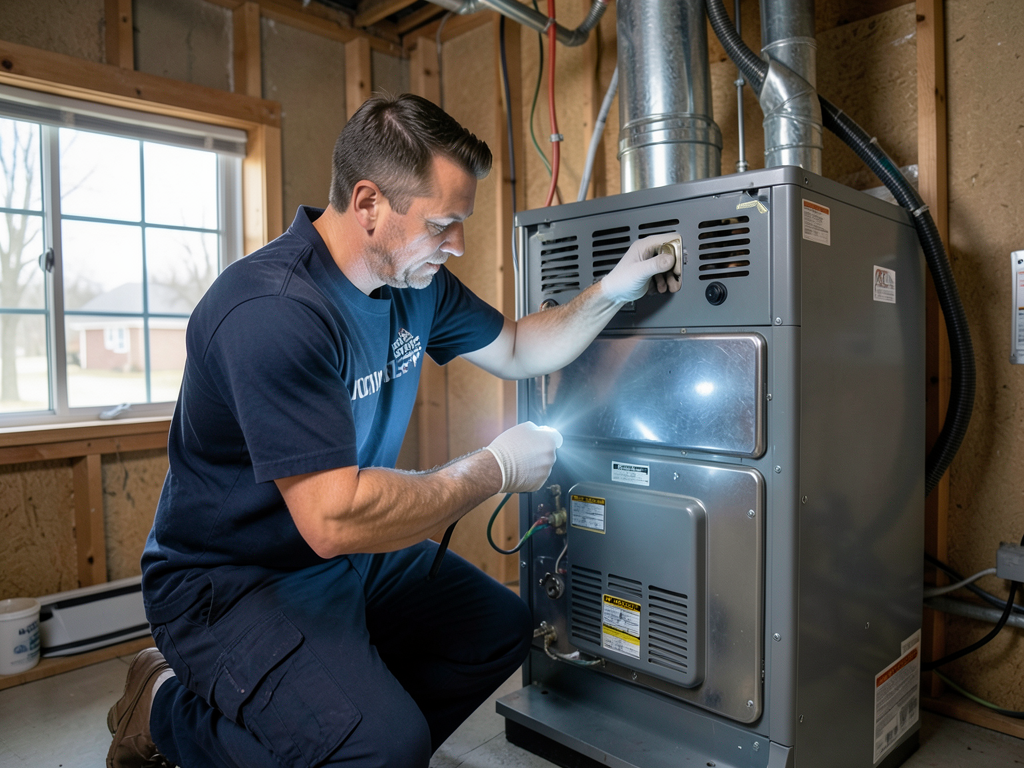
What to look for in an HVAC system when touring homes in Lee-Harvard Buying a home in Lee-Harvard means preparing for Cleveland’s brutal winters and humid summers. The HVAC system determines whether you’ll stay comfortable…
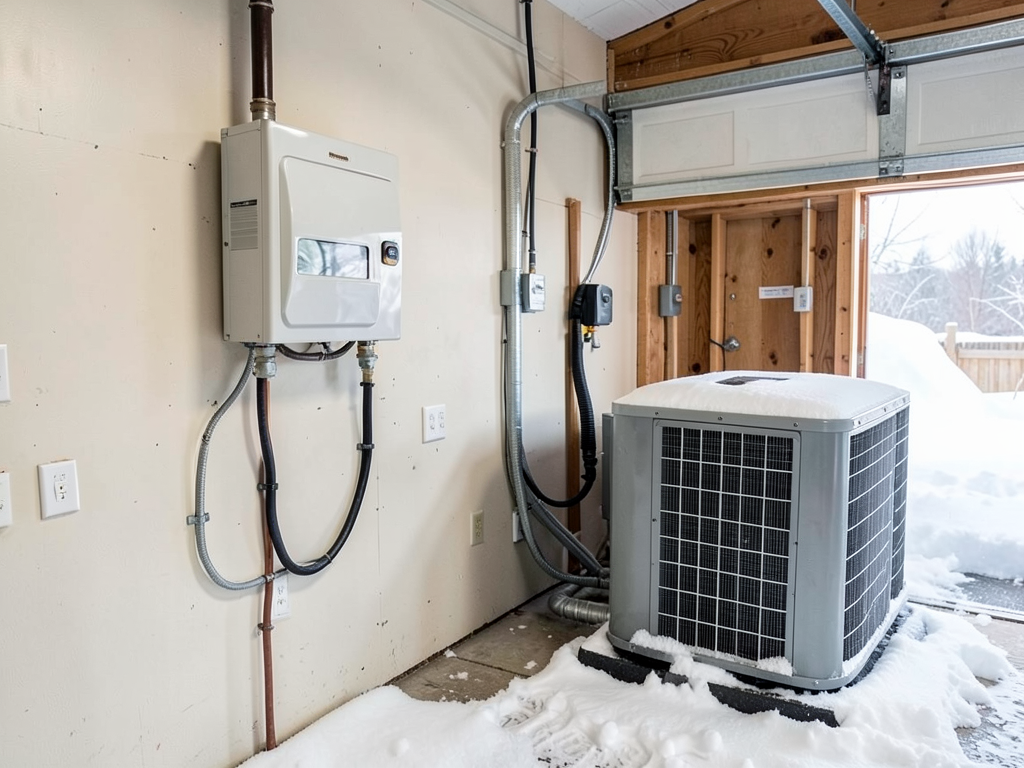
Managing sawdust and air quality in your Puritas-Longmead home workshop Woodworkers in Puritas-Longmead face unique…

Why your HVAC secondary drain pan is filling with water and how to stop a…
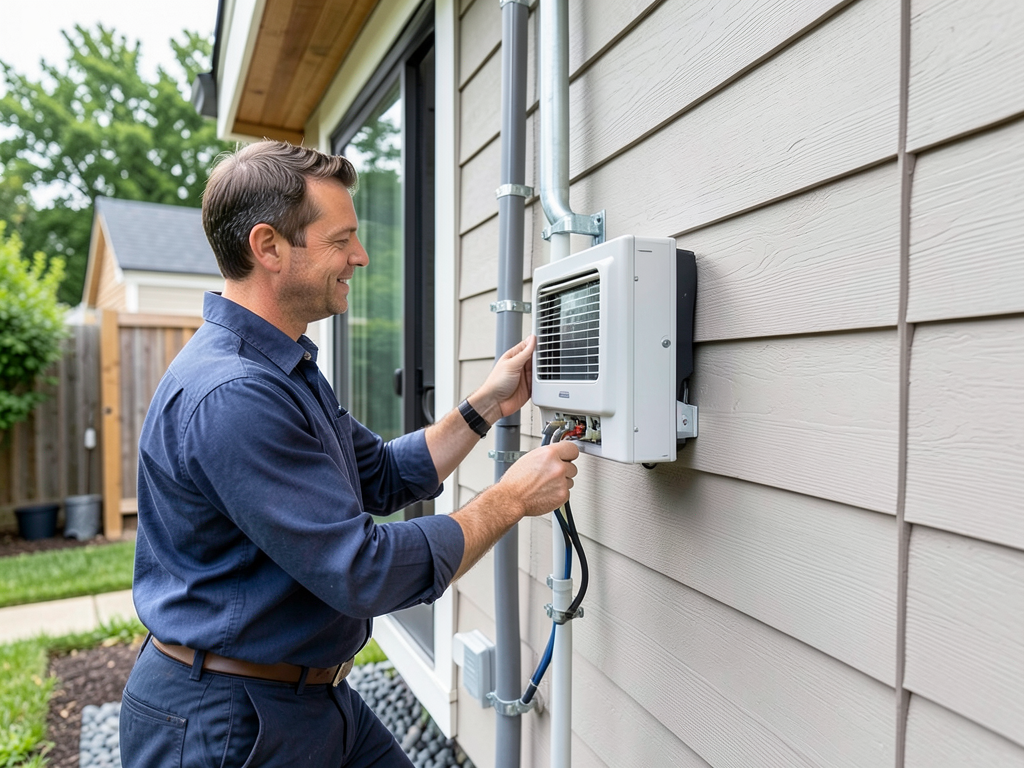
Heating and cooling a backyard tiny home in Clark-Fulton requires careful planning to handle Cleveland's…
Your comfort can't wait. Call Ace HVAC Cleveland now at (216) 530-9077 for immediate HVAC service in Rocky River. We dispatch fast, diagnose accurately, and fix it right. Same-day repairs available.