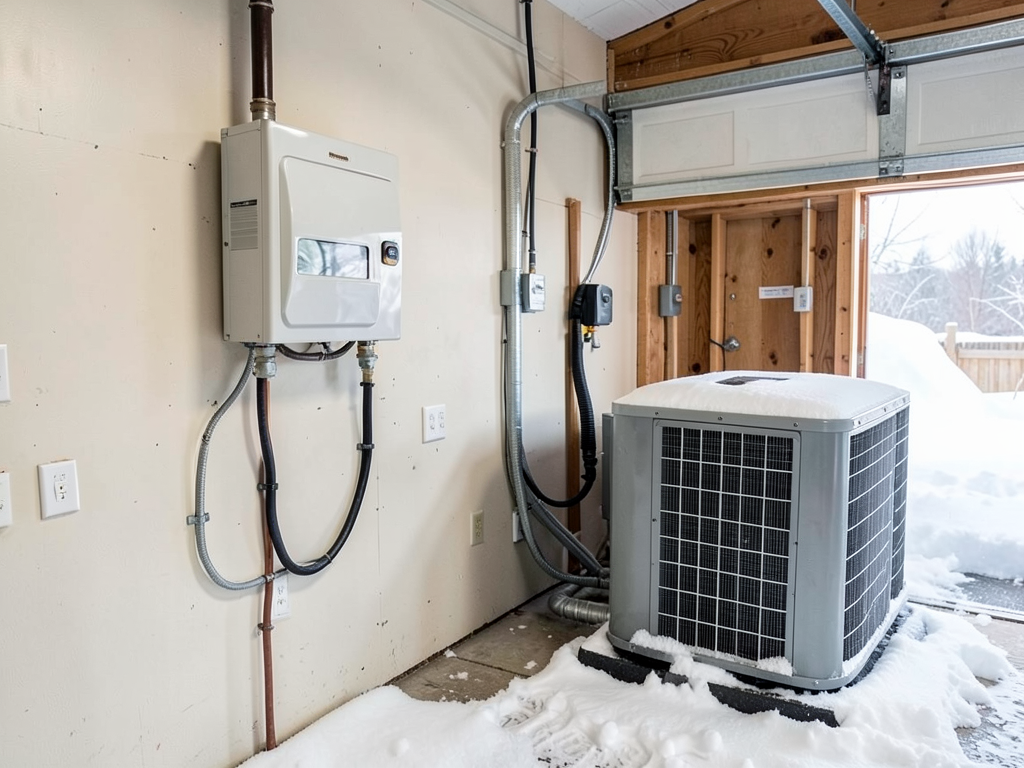
Cleveland sits less than ten miles from Lake Erie, which creates a humidity microclimate that accelerates corrosion on rooftop HVAC equipment. Summer dew points regularly exceed 70 degrees, meaning condensate drains run nearly 24/7 and coil fins stay wet for extended periods. Winter lake-effect snow delivers moisture-laden air that freezes on rooftop units, expanding inside cabinets and cracking drain pans. Buildings near the waterfront in Edgewater or North Collinwood experience even faster degradation due to salt spray. Commercial RTU install projects in Cleveland require corrosion-resistant coatings and upgraded drain pan materials to survive these conditions.
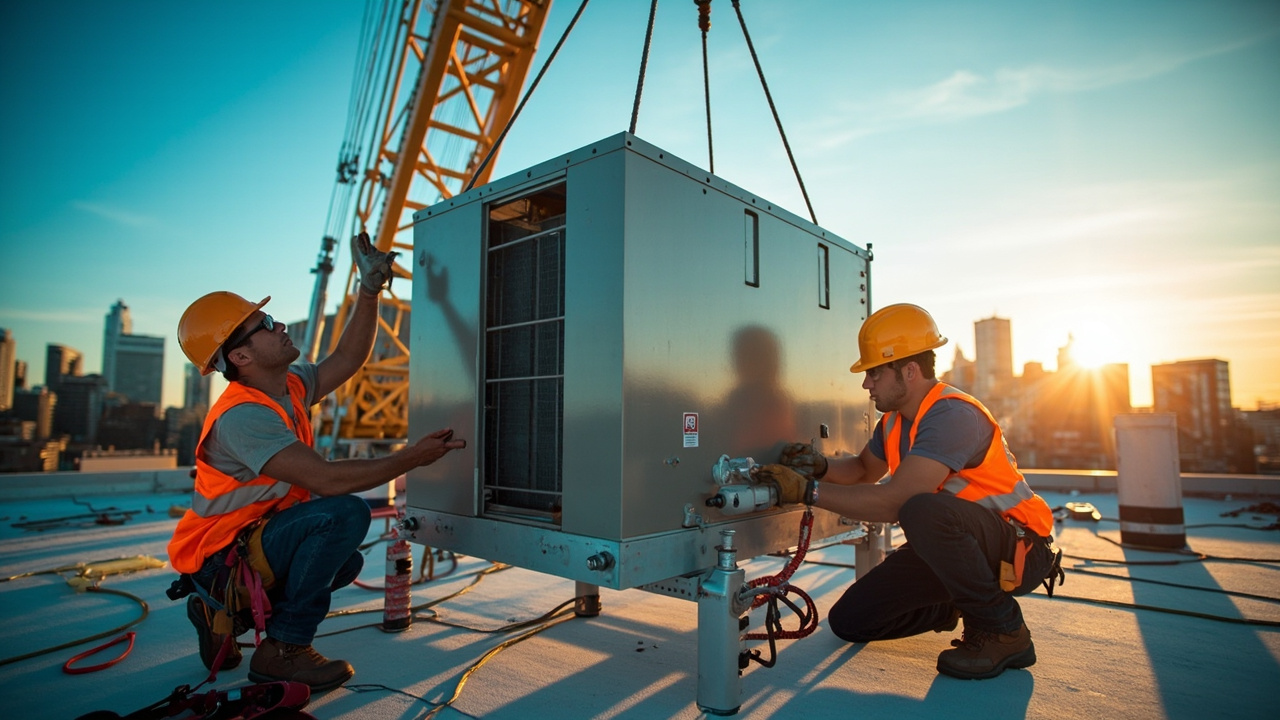
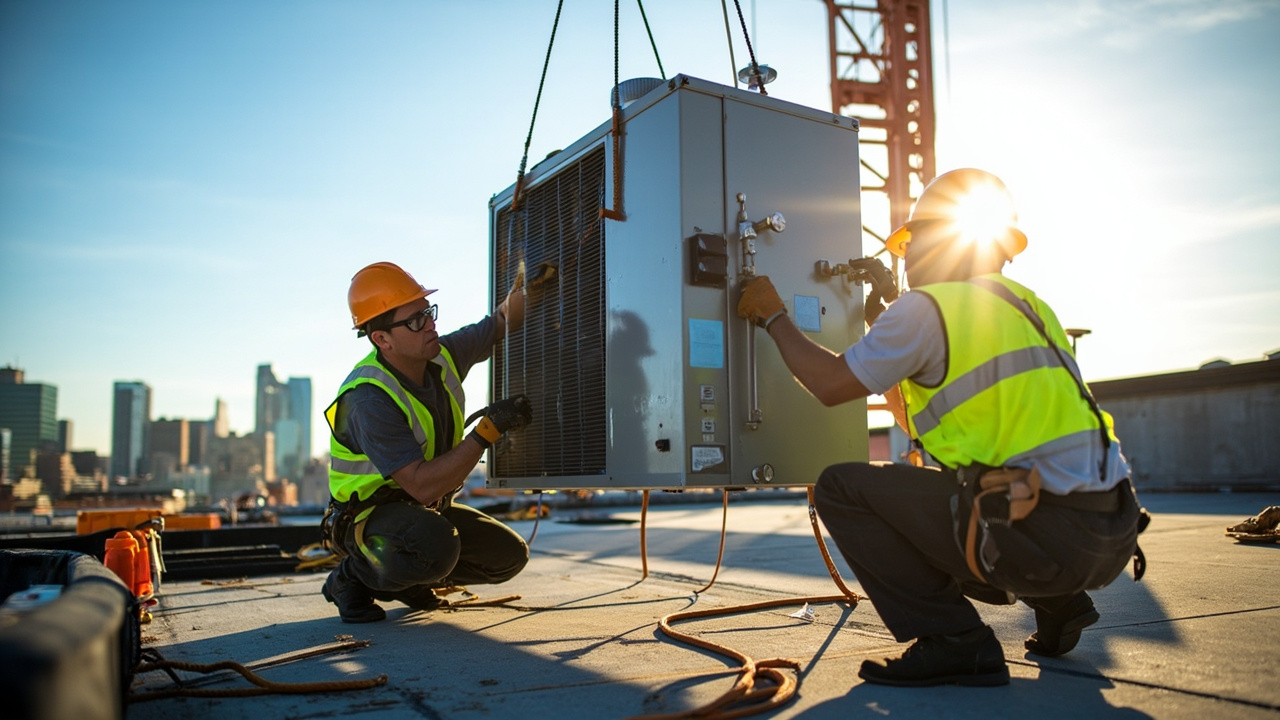
Ohio mechanical contractors must follow the Ohio Building Code and obtain permits through local municipalities for any rooftop unit installation exceeding five tons. Cleveland enforces strict crane operation rules within city limits, requiring certified riggers and street closure permits for lifts near public rights-of-way. Working with a contractor who understands these requirements prevents project delays and ensures your installation passes inspection the first time. Ace HVAC Cleveland maintains relationships with city inspectors and permit offices, which speeds approvals and keeps your project on schedule. Local expertise matters when your building needs to stay operational.