
Menu

Troubleshooting AC Issues in Cleveland – Expert HVAC Diagnostics That Pinpoint Problems Fast

When your air conditioner struggles through Cleveland's humid summers, accurate troubleshooting AC issues saves you time and money by identifying the real problem before costly repairs spiral out of control.

Slider Image 1
Slider Image 2
Slider Image 3
Slider Image 4
Slider Image 5
Slider Image 7
Slider Image 8
Slider Image 9
Slider Image 10
Slider Image 11

Why Cleveland Air Conditioners Fail in Predictable Patterns

Cleveland's climate creates a perfect storm for central air conditioning failures. You deal with high humidity from Lake Erie, rapid temperature swings between morning and afternoon, and summers that push systems to run 12-plus hours daily. These conditions accelerate refrigerant leaks, stress compressor components, and cause condensate drain lines to clog with algae.

Most homeowners notice the same progression. Your system runs longer but cools less. Humidity creeps up inside your home even when the thermostat says 72 degrees. You hear new sounds, grinding or hissing, that weren't there last month. Energy bills climb without explanation.

Diagnosing air conditioner problems in Cleveland requires understanding how lake-effect humidity impacts evaporator coils and how our clay soil shifts outdoor condenser pads over time. Generic troubleshooting guides miss these regional factors. You need HVAC system diagnostics that account for the local environment.

The challenge with central air troubleshooting is that symptoms overlap. A refrigerant leak mimics a failing compressor. A clogged filter produces the same weak airflow as ductwork separation. Identifying AC faults correctly the first time prevents you from replacing parts that were never broken.

Most service calls in Cleveland neighborhoods like Ohio City and Tremont trace back to three root causes. Restricted airflow from dirty components, refrigerant issues from vibration-induced leaks, or electrical failures from voltage fluctuations during summer storms. Knowing which category your problem falls into changes everything about the repair approach and cost.

Why Cleveland Air Conditioners Fail in Predictable Patterns
How Professional AC Diagnostics Work in Real-World Applications

How Professional AC Diagnostics Work in Real-World Applications

Effective air conditioning troubleshooting follows a diagnostic decision tree, not a parts-replacement lottery. Technicians start with the simplest, most common failures and methodically eliminate variables. This approach reduces diagnostic time and prevents unnecessary component replacement.

The process begins with static pressure testing across the blower assembly. This measurement reveals whether your problem originates in the air-moving components or the refrigeration cycle. High static pressure indicates restricted airflow from dirty filters, collapsed ductwork, or undersized return grilles. Normal static pressure shifts focus to refrigerant charge and heat exchange efficiency.

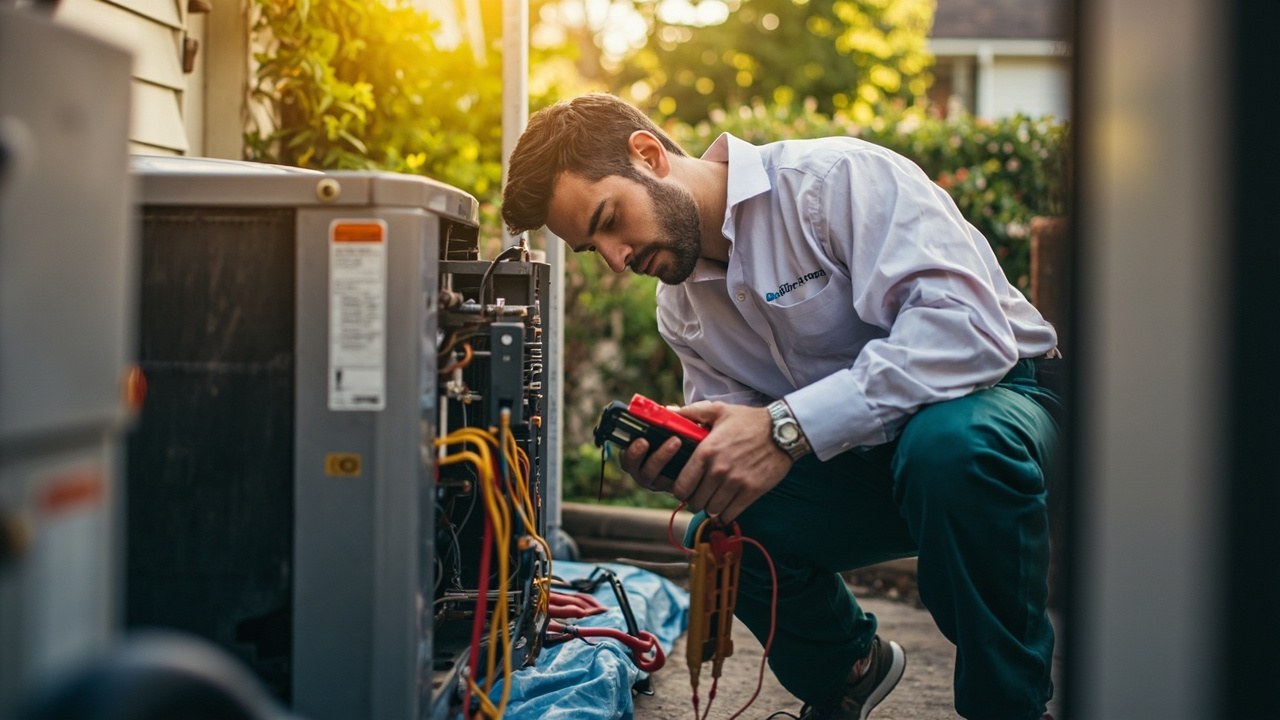
Next comes superheat and subcooling calculations. These measurements compare actual refrigerant temperatures against manufacturer specifications at specific points in the refrigeration cycle. Superheat readings diagnose evaporator coil performance and reveal whether low airflow or insufficient refrigerant is causing poor cooling. Subcooling measurements assess condenser performance and identify overcharge conditions or non-condensable gases in the system.

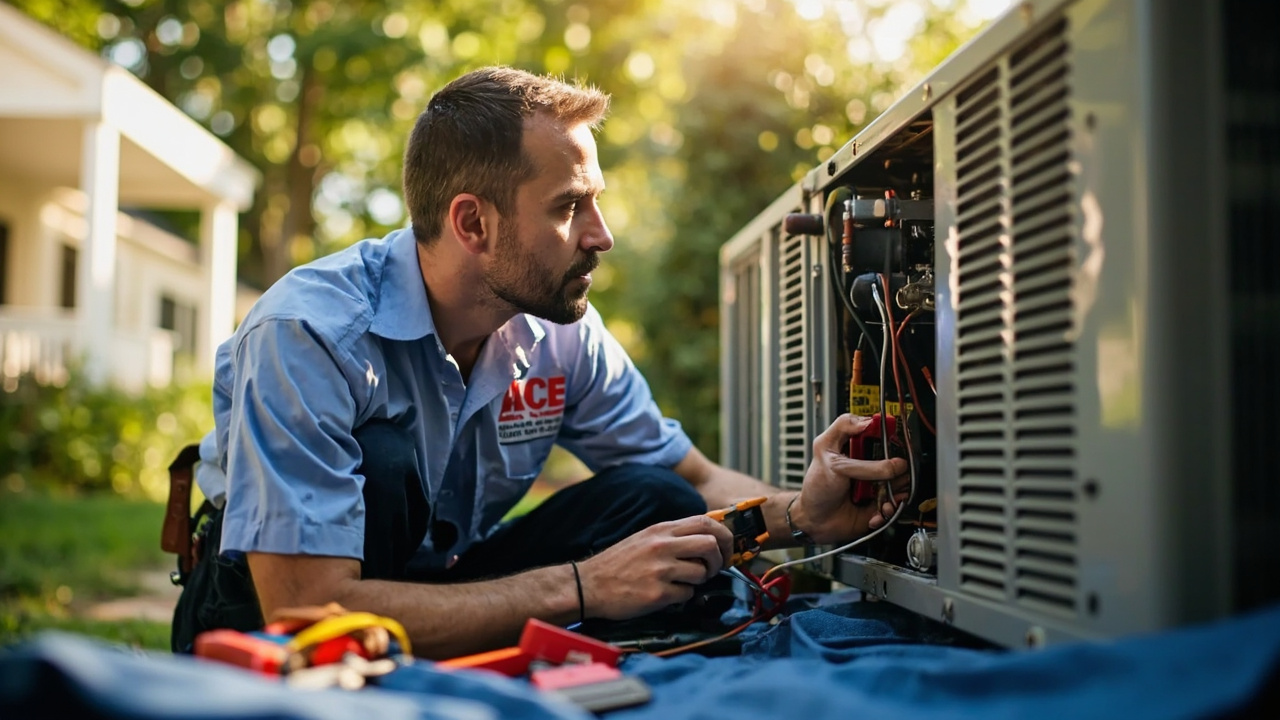
Electrical diagnostics follow a similar logic path. Voltage and amperage readings at the compressor, condenser fan motor, and blower motor identify failing components before they strand you on a 90-degree afternoon. Capacitor testing catches the most common electrical failure in residential AC systems, weak start or run capacitors that cause motors to overheat and fail prematurely.

Advanced diagnostics include refrigerant leak detection using electronic sensors or ultraviolet dye, ductwork pressure testing to quantify air loss, and combustion analysis on furnaces that share the air handler. Each test builds on the previous result, narrowing the failure point until the root cause becomes obvious.

What Happens During a Complete AC Diagnostic Visit

Troubleshooting AC Issues in Cleveland – Expert HVAC Diagnostics That Pinpoint Problems Fast
01

Initial System Assessment

The technician documents your symptoms and tests basic system operation, checking thermostat response, airflow at registers, and temperature differential between supply and return air. This baseline data reveals whether you have a minor issue or systemic failure. Infrared temperature measurement across the evaporator coil shows heat exchange efficiency before any components are disassembled.
02

Component-Level Testing

The diagnostic shifts to specific subsystems based on initial findings. Refrigerant pressures, electrical loads, and airflow measurements isolate the failure point. Technicians test capacitors, measure voltage drops across contactors, and verify compressor windings for shorts or opens. This phase identifies which parts need replacement versus which components are functioning correctly but starved by an upstream problem.
03

Findings and Repair Options

You receive a clear explanation of what failed, why it failed, and what repair options make sense for your situation. The technician provides a written estimate that separates necessary repairs from recommended upgrades. You understand whether the failure is isolated or symptomatic of broader system issues. This transparency lets you make informed decisions about repair versus replacement without pressure or confusion.

Why Local Cleveland HVAC Knowledge Changes Diagnostic Accuracy

Cleveland's housing stock creates unique troubleshooting challenges that national chains often miss. Homes in Shaker Heights and Cleveland Heights feature older ductwork designs with asbestos wrap and undersized return air pathways. Historic homes near University Circle have plaster walls that complicate refrigerant line installation and limit airflow modification options.

Lake Erie's proximity affects every AC system within five miles of the shore. Salt air accelerates corrosion on outdoor condensers. High humidity loads force evaporator coils to work harder, leading to premature failure if drain systems cannot keep pace. Technicians familiar with these patterns recognize failure modes before they escalate.

Local building codes in Cuyahoga County require specific refrigerant handling procedures and electrical disconnects that differ from surrounding areas. Technicians who work exclusively in Cleveland understand these requirements and ensure repairs meet code without delays or reinspection failures.

The clay soil throughout greater Cleveland shifts seasonally, tilting condenser pads and stressing refrigerant lines at connection points. This movement causes vibration-induced leaks that appear randomly but follow predictable patterns. Experienced local technicians check line set mounting and pad stability during every diagnostic call.

Ace HVAC Cleveland technicians average eight years of experience in neighborhoods from Lakewood to Parma. They recognize the ductwork modifications common in 1960s ranch homes, the undersized equipment in flipped properties, and the bizarre installation shortcuts that plague rental conversions near downtown. This pattern recognition speeds diagnosis and improves first-call resolution rates.

You need someone who has seen your exact problem in your exact neighborhood before. That familiarity eliminates guesswork and reduces the diagnostic window from hours to minutes.

What to Expect During AC Troubleshooting Service

Response Time and Availability

Diagnostic appointments are available within 24 hours during the cooling season, with same-day service for urgent situations where you have no cooling. The diagnostic visit takes 45 to 90 minutes depending on system complexity and accessibility. You receive a call 30 minutes before arrival so you can plan your schedule. Evening and weekend appointments accommodate work schedules without forcing you to burn vacation time for an AC repair.

The Diagnostic Process

The technician explains each test before performing it and shares findings in real-time. You see the pressure readings, temperature measurements, and voltage tests on the same gauges and meters the technician uses. This transparency eliminates the mystery around HVAC diagnostics. You understand what failed and why, not just what part needs replacement. Photos document conditions before and after any work, giving you a visual record of the problem and solution.

Repair Quality Standards

All repairs meet manufacturer specifications and local code requirements. Refrigerant charges are calculated based on superheat and subcooling, not guesswork or rule-of-thumb estimates. Electrical connections receive proper crimps and heat shrink, not wire nuts and electrical tape. Condensate drains are cleared, treated, and tested under load to prevent callback failures. You receive documentation of all measurements and settings for future reference if problems recur.

Post-Repair Support

After repairs, you receive guidance on operating your system efficiently and recognizing early warning signs of future problems. The technician sets realistic expectations about system performance based on equipment age and condition. You have direct access to the diagnosing technician if questions arise after the repair. Follow-up calls within one week confirm the repair resolved your original symptoms and identify any secondary issues that may require attention.

Frequently Asked Questions

You Have Questions,
We Have Answers

How do I diagnose what's wrong with my AC? +

Start with your thermostat. Confirm it's set to cool and the temperature is lower than your current room temp. Check your circuit breaker for tripped switches. Inspect the outdoor condenser unit for debris or visible damage. Look at your air filter. A clogged filter restricts airflow and mimics bigger problems. Listen for unusual sounds like grinding or hissing. Feel the air coming from vents. Weak airflow or warm air signals compressor or refrigerant issues. Cleveland's humid summers stress AC systems harder, so moisture pooling around the indoor unit can indicate a clogged drain line. If basic checks fail, you need a technician with diagnostic tools.

How to figure out what's wrong with AC? +

Check the basics first. Verify your thermostat settings and replace dead batteries. Inspect the air filter. A dirty filter causes most airflow problems. Walk outside to your condenser unit. Make sure it's running when the thermostat calls for cooling. Clear away leaves, grass clippings, or debris blocking the fins. Listen for strange noises like buzzing or clicking. Check for ice buildup on refrigerant lines or the evaporator coil. Cleveland's temperature swings can cause freeze-thaw cycles that stress components. Feel the air from your vents. If it's warm or weak, you likely have compressor, refrigerant, or ductwork issues requiring professional diagnosis.

What is the most common AC problem? +

Dirty air filters cause the most AC problems. A clogged filter restricts airflow, forcing your system to work harder and reducing efficiency. In Cleveland, seasonal pollen and humidity worsen this issue. Refrigerant leaks rank second. Low refrigerant prevents proper cooling and can damage the compressor. Faulty thermostats create temperature control problems. Frozen evaporator coils happen when airflow drops or refrigerant levels fall. Capacitor failures are common in older units, especially after Cleveland's hot, humid summers. Clogged condensate drains cause water damage and system shutdowns. Most homeowners ignore routine maintenance, which turns minor issues into expensive repairs. Regular filter changes prevent most common failures.

What is the most common part to fail on an AC unit? +

Capacitors fail most often. They store energy to start the compressor and fan motors. Cleveland's temperature extremes and high humidity degrade capacitors faster. You'll hear clicking or humming sounds when they fail, but the unit won't start. Contactor switches wear out next. These electrical relays control power to the compressor and condenser fan. Pitted contacts cause intermittent operation. Fan motors fail from bearing wear, especially in older units. Compressor failures are less common but catastrophic. Run capacitors cost under $50 to replace. Start capacitors are similar. Contactors run $30 to $75. Replacing these parts early prevents bigger damage and extends system life.

What is the $5000 AC rule? +

The $5000 rule is a cost-benefit calculation. Multiply your AC unit's age by the repair estimate. If the result exceeds $5000, replace the unit instead of repairing it. For example, a 12-year-old unit needing a $500 repair equals $6000. Replace it. A 5-year-old unit with a $900 repair equals $4500. Repair it. This formula accounts for diminishing returns on older equipment. In Cleveland, units older than 12 years face compounding failures from freeze-thaw cycles and humidity stress. Factor in efficiency gains from newer systems. A 15-year-old unit wastes energy compared to modern high-efficiency models, adding long-term savings to replacement decisions.

What is the 3 minute rule for AC? +

The 3-minute rule prevents compressor damage. After your AC shuts off, wait at least 3 minutes before restarting it. This allows refrigerant pressure to equalize throughout the system. Restarting too quickly forces the compressor to start against high pressure, straining the motor and capacitor. Modern thermostats have built-in delay circuits, but manual overrides or power interruptions bypass this protection. In Cleveland, frequent power flickers during summer storms make this rule critical. Rapid cycling from a faulty thermostat or oversized unit also violates this principle, causing premature wear. If your system short cycles, the underlying problem needs fixing to protect the compressor.

Why is my AC set to 72 but reads 78? +

Your AC can't keep up with heat gain. Cleveland's humid summers make this worse because your system removes moisture and cools simultaneously. Check your air filter first. A clogged filter cuts airflow by 50 percent or more. Inspect ductwork in attics or crawl spaces for leaks or disconnected joints. Poor insulation lets conditioned air escape. Low refrigerant from leaks reduces cooling capacity. An undersized unit can't handle extreme heat loads. Dirty condenser coils reject less heat, dropping efficiency. South or west-facing windows without shading pour heat into your home faster than the AC removes it. Thermostat location matters too. Sunlight or drafts cause false readings.

What are 6 obvious signs of air conditioning problems? +

Weak airflow from vents signals a clogged filter or failing blower motor. Warm air instead of cold indicates refrigerant leaks or compressor failure. Strange noises like grinding, squealing, or banging point to motor bearings, loose components, or debris in the blower. Moisture or water pooling around the indoor unit means a clogged condensate drain. Foul odors suggest mold in ductwork or a burned-out wire. Frequent cycling on and off indicates thermostat issues, refrigerant problems, or an oversized unit. High energy bills without usage changes reveal efficiency loss. In Cleveland, ice forming on refrigerant lines during operation means airflow problems or low refrigerant requiring immediate attention.

How much does it cost to diagnose an AC problem? +

Most HVAC companies in Cleveland charge between $75 and $150 for a diagnostic service call. This includes travel time, system inspection, and pinpointing the failure. Some companies waive the diagnostic fee if you approve repairs on the spot. Emergency or after-hours diagnostics cost more, often $150 to $250. The fee covers a technician's time and expertise, not the actual repair. Complex issues requiring leak detection, electrical testing, or refrigerant pressure analysis take longer but typically stay within the flat-rate diagnostic charge. Get quotes from multiple companies. Ask if the diagnostic fee applies toward repair costs to avoid paying twice for the same visit.

What is the average lifespan of an AC? +

AC units last 12 to 15 years in Cleveland. Local climate impacts this significantly. Freeze-thaw cycles stress components during spring and fall. High summer humidity forces longer run times, wearing motors and compressors faster. Proper maintenance extends lifespan to 18 years. Neglected units fail at 10 years or sooner. Heat pumps used for heating and cooling wear faster, averaging 10 to 12 years. Coastal humidity in northeast Ohio accelerates corrosion on outdoor components. Installation quality matters. Undersized or oversized units cycle incorrectly and fail early. Regular filter changes, annual tune-ups, and keeping the outdoor unit clean add years to your system's operational life.

How Cleveland's Lake Erie Humidity Complicates Air Conditioning Diagnostics

Cleveland's position on Lake Erie creates humidity levels that challenge every air conditioning system during summer months. Relative humidity regularly exceeds 70 percent, forcing evaporator coils to remove moisture and cool air simultaneously. This dual load stresses compressors and causes condensate drain pans to overflow if drain lines cannot keep pace. Identifying AC faults in high-humidity environments requires separating moisture-removal failures from refrigeration problems. Many symptoms overlap, weak cooling and high humidity both result from low refrigerant or restricted airflow, making accurate HVAC system diagnostics essential before throwing parts at the problem.

Local HVAC expertise matters in Cleveland because regional conditions dictate failure patterns. Technicians who work exclusively in Cuyahoga County recognize the algae growth that clogs condensate drains every July, the vibration-induced refrigerant leaks common on shifted condenser pads, and the electrical issues caused by frequent summer storms. This experience base improves diagnostic accuracy and reduces unnecessary repairs. National service chains rotate technicians through Cleveland without building the pattern recognition that speeds troubleshooting. You need someone who has diagnosed hundreds of AC failures in neighborhoods from Westlake to Strongsville, not someone following a generic flowchart from corporate headquarters.

HVAC Services in The Cleveland Area

We are proud to serve the entire Cleveland area, and our service network extends to all surrounding communities. Our centrally located office allows us to dispatch our expert technicians quickly and efficiently to your home or business, ensuring fast response times for all your heating and cooling needs. We invite you to view our service area on the map to see if we can bring our trusted services right to your doorstep. Don't hesitate to reach out to us today to confirm if your location is within our coverage zone.

Address:
Ace HVAC Cleveland, 3095 W 25th St, Cleveland, OH, 44113

Additional Services We Offer

Our news updates

Latest Articles & News from The Blogs

How to stop indoor pool humidity from damaging your Bentleyville home If you own a luxury home with an indoor…

How to stop indoor pool humidity from damaging your Bentleyville home

How to stop indoor pool humidity from damaging your Bentleyville home If you own a luxury home with an indoor…

The best ways to heat a detached garage workshop in Middleburg Heights

The best ways to heat a detached garage workshop in Middleburg Heights Heating a detached garage workshop in Middleburg Heights…

Upgrading your PTAC wall unit in a Gold Coast condo for better efficiency

Upgrading your PTAC wall unit in a Gold Coast condo for better efficiency Living in a Gold Coast condo means…

Contact Us

Stop guessing what is wrong with your air conditioner. Call Ace HVAC Cleveland at (216) 530-9077 for accurate diagnostics that identify the real problem and prevent unnecessary repairs. Available seven days a week with same-day service when you need it most.