Menu

No Heat Emergency Service in Cleveland – Immediate Dispatch When Your Furnace Fails

Frozen pipes, unsafe indoor temperatures, and family discomfort demand immediate action. Our emergency furnace repair technicians arrive fast, diagnose the failure accurately, and restore warmth to Cleveland homes 24/7, even during the coldest nights.

Slider Image 1
Slider Image 2
Slider Image 3
Slider Image 4
Slider Image 5
Slider Image 7
Slider Image 8
Slider Image 9
Slider Image 10
Slider Image 11

When Your Furnace Dies in a Cleveland Winter

Cleveland winters are brutal. When temperatures drop below freezing and Lake Erie winds cut through the region, a failed furnace becomes a crisis in minutes. Your pipes can freeze within hours, indoor temperatures plummet, and vulnerable family members face serious health risks.

You need 24 hour heating repair, not a callback tomorrow morning. Cleveland's freeze-thaw cycles create unique stress on heating systems. Older furnaces struggle with the constant demand. Heat exchangers crack under repeated thermal expansion. Ignitors fail when moisture from Lake Effect snow infiltrates electrical components. Blower motors seize when they run nonstop during prolonged cold snaps.

A furnace failure at 2 AM on a Tuesday requires urgent heater service, not an appointment slot three days out. Every minute without heat increases the risk of burst pipes, mold growth from condensation, and dangerous carbon monoxide buildup if you attempt makeshift heating solutions.

Cleveland homes built before 1980 often lack proper insulation. Heat loss accelerates when your system goes down. Bedrooms on upper floors may stay tolerable for a few hours, but basements and crawl spaces reach dangerous temperatures fast. Your water heater works harder. Your plumbing becomes vulnerable.

You need after hours heating repair from technicians who understand how Cleveland's climate punishes heating systems. You need someone who stocks parts for the Carrier, Lennox, and Trane units common in Tremont, Ohio City, and Kamm's Corners. You need 24/7 furnace repair that treats your emergency like the crisis it is.

When Your Furnace Dies in a Cleveland Winter
How We Restore Heat to Your Cleveland Home

How We Restore Heat to Your Cleveland Home

Emergency furnace repair requires diagnostic precision under pressure. Our technicians arrive with fully stocked service vehicles. We carry ignitors, flame sensors, pressure switches, gas valves, and blower motors for the most common failures in Cleveland's housing stock.

We start with system safety. Before touching any component, we check for gas leaks, verify venting integrity, and measure carbon monoxide levels. Cleveland's older homes often have compromised ductwork or blocked flue pipes. We do not restore heat until we confirm the system is safe to operate.

Our diagnostic process follows a decision tree based on symptom presentation. No ignition means we test the hot surface ignitor for continuity, check the flame sensor for carbon buildup, and verify gas pressure at the valve. Ignition with immediate shutdown indicates a flame sensor issue or a cracked heat exchanger. Short cycling points to a failing limit switch or restricted airflow.

We use combustion analyzers to measure flue gas composition. A properly tuned furnace in Cleveland should run at 80 percent efficiency or higher. Low efficiency indicates incomplete combustion, wasted gas, and potential carbon monoxide production. We adjust the air-fuel mixture, clean the burners, and verify draft pressure.

Cleveland homes with forced air systems need proper airflow. We measure static pressure across the blower and check filter condition. A clogged filter causes the limit switch to trip repeatedly. Undersized ductwork creates back pressure that shortens blower motor life.

We replace failed components with OEM parts when possible. Aftermarket ignitors may fit, but they fail faster under Cleveland's demanding conditions. We test system operation through multiple heating cycles before leaving your home.

What Happens When You Call for Emergency Heat Restoration

No Heat Emergency Service in Cleveland – Immediate Dispatch When Your Furnace Fails
01

Immediate Phone Triage

You reach a live technician, not an answering service. We ask specific questions about your symptoms: Is the thermostat displaying an error code? Do you hear the blower running? Can you smell gas? These answers determine which parts we load and how fast we need to move. We dispatch within minutes and provide an accurate arrival window based on your location in Cleveland.
02

Onsite Diagnosis and Repair

Our technician performs a complete system safety check before attempting repairs. We use diagnostic tools to isolate the failure point, whether it is a failed ignitor, a tripped limit switch, or a malfunctioning gas valve. We explain the problem in clear terms, provide a flat-rate repair cost, and complete the work only after you approve. Most emergency furnace repairs finish within 90 minutes of our arrival.
03

Heat Restoration and Testing

After replacing the failed component, we test your furnace through three complete heating cycles. We verify proper ignition sequence, measure temperature rise across the heat exchanger, and confirm consistent airflow. We check your thermostat calibration and review your filter condition. Before leaving, we confirm your home is warming to the set temperature and answer any questions about system operation or maintenance.

Why Cleveland Residents Call Us First for Heating Emergencies

Emergency HVAC service separates competent companies from pretenders. When your furnace fails at 11 PM on a Saturday, you need technicians who answer the phone, not a voicemail promising a Monday callback.

We staff qualified technicians around the clock. Not apprentices. Not subcontractors. Experienced diagnosticians who have repaired thousands of furnaces in Cleveland homes. They know the common failure modes of the Lennox G61 furnaces installed throughout the 1990s. They stock ignitors for the Carrier Infinity series popular in newer construction. They understand how Honeywell thermostats behave when C-wire power drops.

Cleveland's housing mix demands broad technical knowledge. A technician servicing a 1920s colonial in Shaker Heights faces different challenges than one repairing a 1970s ranch in Parma. Older homes have gravity furnaces, octopus ductwork, and undersized electrical service. Newer homes have high-efficiency condensing furnaces, complex zoning systems, and integrated smart controls.

We know Cleveland's municipal code requirements. Furnace replacements in city limits require permits. Heat exchangers with visible cracks must be red-tagged immediately. Natural draft furnaces need proper clearances from combustible materials. We follow these rules because your safety matters more than a quick fix.

Our service vehicles carry $15,000 in parts inventory. We stock components for American Standard, Bryant, Coleman, Goodman, Rheem, Ruud, and York systems. When we arrive, we have what you need. We do not leave to hunt for parts while your family sits in the cold.

We provide flat-rate emergency pricing before starting work. You know the cost before we touch a wrench. No surprise charges. No trip fees separate from diagnostic fees. One price for complete repair, parts included.

What to Expect From Our Emergency Response

Arrival Time and Availability

We dispatch emergency technicians 24 hours a day, 365 days a year. Our average response time for Cleveland proper is 90 minutes. Outlying areas like Westlake or Mentor may take slightly longer depending on traffic and weather conditions. We provide a specific arrival window when you call, and we text you when the technician is 15 minutes out. We do not make you wait all day. During extreme weather events when multiple furnaces fail simultaneously, we prioritize homes with children, elderly residents, or medical equipment that requires climate control.

The Diagnostic Process

Our technicians carry full diagnostic equipment, including multimeters, combustion analyzers, manometers, and infrared thermometers. We test every component in the ignition sequence, measure gas pressure at the manifold, and verify proper draft through the flue. We check your thermostat wiring for loose connections or voltage drops. We inspect the heat exchanger for cracks using a mirror and flashlight. This thorough approach prevents misdiagnosis and unnecessary part replacement. We explain what failed, why it failed, and what you can do to prevent future failures. The diagnostic process takes 20 to 40 minutes depending on system complexity.

The Repair and Restoration

Once we identify the problem and you approve the repair, we complete the work efficiently. Most emergency repairs involve replacing a single failed component like an ignitor, flame sensor, or pressure switch. These repairs take 30 to 60 minutes. More complex issues like a failed blower motor or gas valve may take 90 minutes. We test the system thoroughly after repair, running it through multiple heating cycles to confirm proper operation. We measure supply air temperature, verify consistent ignition, and check for any error codes. We do not leave until your home is warming and you are satisfied with the repair.

Parts and Labor Coverage

Emergency repairs come with a 90-day parts and labor warranty covering the specific component we replaced. If that ignitor fails again within three months, we return and replace it at no charge. This warranty does not cover new failures of different components. We keep detailed service records so we can track your system's repair history. If your furnace requires multiple emergency repairs within a short period, we discuss replacement options honestly. We do not push unnecessary equipment sales, but we will tell you when continued repairs no longer make financial sense.

Frequently Asked Questions

You Have Questions,
We Have Answers

Is not having heat considered an emergency? +

Yes. In Cleveland, no heat during winter months is a legitimate emergency. When outdoor temperatures drop below freezing, your home can reach dangerous conditions within hours. Frozen pipes can burst and cause thousands in water damage. Vulnerable family members face hypothermia risk. Ohio housing codes require landlords to maintain heat between October 1 and May 1. If your furnace fails, you need immediate professional help. Do not wait until morning. A qualified HVAC technician can diagnose the issue and restore warmth quickly, protecting your family and your property from cold-related damage.

Is heating not working an emergency? +

Absolutely. A non-functioning heating system in Cleveland winters creates an urgent situation. Temperatures regularly drop into the teens and single digits from December through February. Your home loses heat fast, dropping one to two degrees per hour without a working furnace. This threatens pipes, pets, elderly residents, and young children. Heating failure can stem from cracked heat exchangers, failed igniters, or broken blower motors. Each hour without heat increases risk. Call an emergency HVAC service immediately. Technicians carry common parts and can often restore heat the same day, preventing catastrophic pipe bursts or health emergencies.

How long can a house go without heat? +

Cleveland homes can tolerate only 12 to 24 hours without heat before serious problems begin. Well-insulated newer homes may last longer, but older Cleveland housing stock loses heat rapidly. When indoor temperatures fall below 55 degrees, pipes in exterior walls and crawlspaces start freezing. Burst pipes cause flooding and mold. Health risks emerge for vulnerable occupants below 60 degrees indoors. Do not gamble with time. If your furnace stops working, contact emergency HVAC service within the first few hours. Quick response prevents thousands in water damage and keeps your family safe during Cleveland's harsh winter months.

Can I call 911 for no heat? +

No. Do not call 911 for no heat unless someone shows signs of hypothermia or medical distress. Emergency dispatchers handle life-threatening situations only. For heating failures, call a 24-hour HVAC emergency service instead. They respond quickly and carry the tools to fix your furnace. If you rent, contact your landlord first. Cleveland has warming centers during extreme cold that you can use temporarily. Keep doors to rooms closed to contain remaining heat. Use space heaters cautiously, never leaving them unattended. Save 911 for medical emergencies. HVAC professionals handle heating system failures.

How long can you leave a tenant without heat? +

In Ohio, landlords must restore heat within 24 hours of notification. Cleveland housing codes require functional heating from October 1 through May 1, maintaining at least 68 degrees. If your landlord fails to respond quickly, document everything in writing. Contact Cleveland's Department of Building and Housing to file a complaint. You may have legal grounds to withhold rent, repair and deduct, or break your lease. Prolonged cold exposure violates habitability standards. Take photos showing thermostat readings. Move vulnerable family members to warm locations. Tenants have strong protections under Ohio law regarding heat emergencies during winter months.

What is the $5000 rule? +

The IRS $5,000 rule allows property owners to deduct certain repair costs as expenses rather than capital improvements. If your furnace repair costs less than $5,000, you can typically deduct the full amount in the same tax year. Repairs that restore your heating system to working condition qualify. Full furnace replacements usually count as improvements and must be depreciated over time. This matters during Cleveland winters when you face unexpected heating failures. Keep all receipts and invoices from emergency HVAC service. Consult a tax professional about your specific situation, but understanding this threshold helps you make informed decisions during heating emergencies.

Is it safe to stay in a house with no heat? +

No. Staying in a Cleveland home without heat during winter poses serious risks. Indoor temperatures below 60 degrees threaten health, especially for children, elderly residents, and those with respiratory conditions. Hypothermia can occur indoors. Frozen pipes burst without warning, flooding rooms and creating electrical hazards. Mold grows in cold, damp conditions. Carbon monoxide poisoning increases when people use stoves or ovens for heat. If your furnace fails, arrange temporary shelter for vulnerable family members immediately. Call emergency HVAC service right away. Do not use makeshift heating methods. Professional technicians can typically restore heat within hours, eliminating these dangers.

Who do you call if your heat is not working? +

Call a licensed HVAC company offering 24-hour emergency service. Look for local Cleveland companies with immediate response capabilities and stocked service vehicles. Check Google reviews and verify they service your furnace brand. If you rent, notify your landlord first in writing, then follow up by phone. Do not call general handymen for furnace problems. Heating systems require specialized knowledge and tools. A qualified technician will diagnose issues like failed ignitors, cracked heat exchangers, or faulty thermostats. They carry common parts and can often fix problems during the first visit, restoring warmth to your home quickly during Cleveland's cold winters.

What to do if you have no heating? +

Act immediately. Check your thermostat batteries and settings first. Verify your circuit breaker did not trip. Look at your furnace for obvious problems like standing water or error codes. Change your air filter if clogged. If these quick checks fail, call emergency HVAC service right away. While waiting, close off unused rooms to concentrate warmth. Move family to one room. Use blankets and dress in layers. Never use your oven for heat. Do not run space heaters unattended. Cleveland winters demand fast professional response. Technicians diagnose problems accurately and restore heat quickly, preventing dangerous conditions and pipe damage.

Will pipes freeze if there is no heat in the house? +

Yes. Cleveland homes without heat face pipe freezing within 6 to 12 hours when temperatures drop below 20 degrees outside. Pipes in exterior walls, crawlspaces, attics, and unheated basements freeze first. When water freezes, it expands, splitting copper and PEX pipes. The real damage happens when ice melts and water floods your home. A single burst pipe releases hundreds of gallons per hour. Prevention requires maintaining at least 55 degrees indoors. If your heat fails, open cabinet doors under sinks, let faucets drip slightly, and call emergency HVAC service immediately. Fast furnace repair prevents catastrophic water damage.

How Lake Effect Weather Creates Cleveland Furnace Failures

Cleveland sits in the primary Lake Effect snow belt. Cold Canadian air crosses Lake Erie, picks up moisture, and dumps heavy snow on the east side of the city. This creates unique stress on heating systems. Furnaces run continuously during prolonged cold snaps, often cycling 12 to 16 hours per day. Heat exchangers expand and contract repeatedly. Metal fatigue causes cracks in older units. Condensate drains freeze on high-efficiency furnaces, triggering safety shutdowns. Exterior vent terminals get blocked by snow accumulation. These failures happen suddenly, usually during the coldest nights when you need heat most. Understanding Cleveland's specific climate challenges helps us stock the right parts and respond to the most common emergency scenarios.

Cleveland's housing stock includes thousands of homes built between 1900 and 1960. Many still have original ductwork, undersized for modern heating demands. We work on these systems daily. We understand the quirks of octopus ductwork, gravity conversions, and retrofit installations where contractors cut corners decades ago. Cleveland enforces mechanical codes through the Department of Building and Housing. We maintain current permits and follow city requirements for gas line work, venting modifications, and electrical connections. Our technicians know Cleveland inspectors by name. We do the work correctly so it passes inspection the first time. Local expertise matters when your family's comfort and safety are at stake.
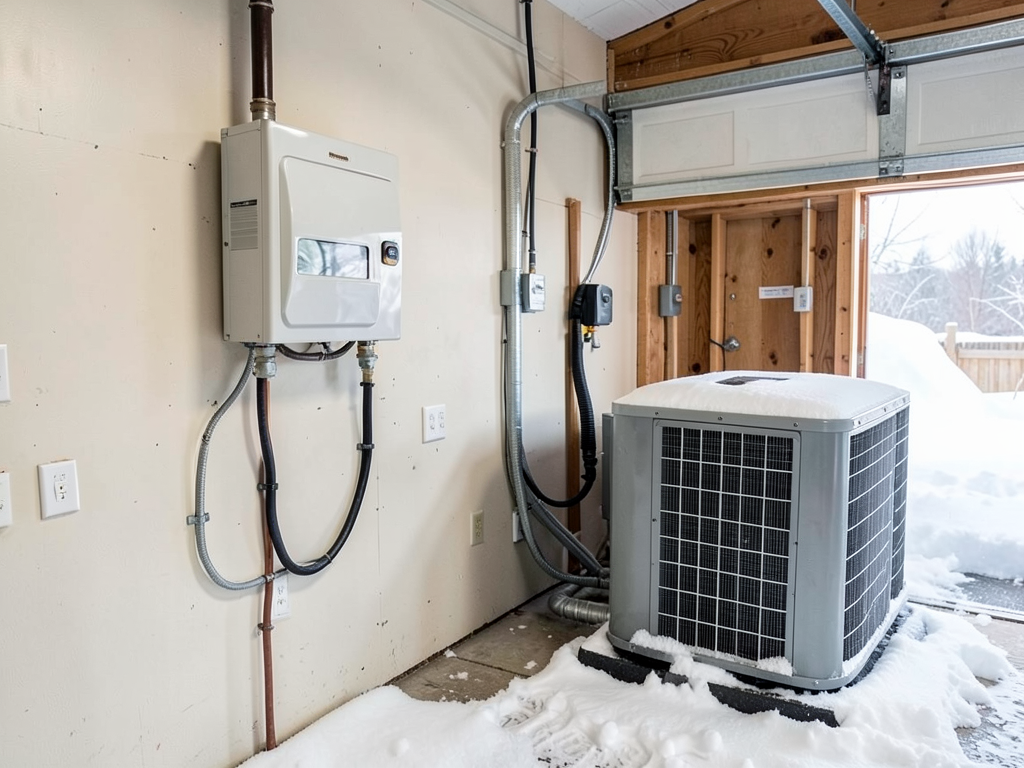
HVAC Services in The Cleveland Area

We are proud to serve the entire Cleveland area, and our service network extends to all surrounding communities. Our centrally located office allows us to dispatch our expert technicians quickly and efficiently to your home or business, ensuring fast response times for all your heating and cooling needs. We invite you to view our service area on the map to see if we can bring our trusted services right to your doorstep. Don't hesitate to reach out to us today to confirm if your location is within our coverage zone.

Address:
Ace HVAC Cleveland, 3095 W 25th St, Cleveland, OH, 44113

Additional Services We Offer

Our news updates

Latest Articles & News from The Blogs

Designing the perfect climate control system for your Kirtland wine cellar Wine collectors in Kirtland know that Ohio’s humid continental…

Designing the perfect climate control system for your Kirtland wine cellar

Designing the perfect climate control system for your Kirtland wine cellar Wine collectors in Kirtland know that Ohio’s humid continental…

What South Russell homeowners need to know about heating a new attic conversion

What South Russell homeowners need to know about heating a new attic conversion Converting your South Russell attic into livable…

How to quiet down noisy air vents in your Brooklyn home for better sleep

How to quiet down noisy air vents in your Brooklyn home for better sleep If your air vents whistle, rattle,…

Contact Us

Your family should not spend another hour in the cold. Call (216) 530-9077 now for immediate emergency furnace repair. Our technicians are standing by with fully stocked trucks, ready to restore heat to your Cleveland home tonight.