
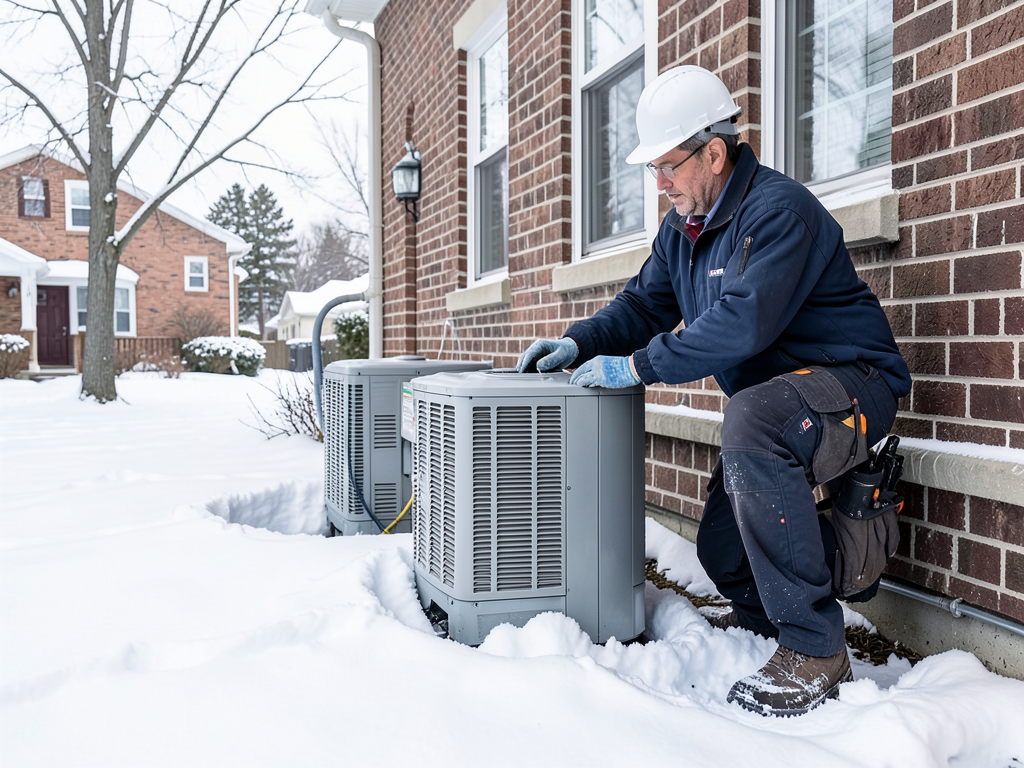
Is a Hybrid Heat Pump Right for the Cleveland Climate?
Hybrid heat pumps combine electric heat pump technology with a backup gas furnace to deliver year-round comfort in Cleveland’s challenging climate. These systems automatically switch between the heat pump and furnace based on outdoor temperatures, giving you the efficiency of electric heating during mild weather and the power of gas when temperatures plummet below freezing. How Much Does a New Central Air System Cost in Northeast Ohio?.
The answer is yes but with the right setup. Modern cold-climate heat pumps with inverter technology can maintain efficiency down to -15°F, but Cleveland’s lake-effect snow and sub-zero wind chills still make a dual-fuel system the most reliable choice for Northeast Ohio homeowners.
Before you decide, you need to understand how Cleveland’s unique weather patterns affect heat pump performance, what local rebates are available, and whether your home’s existing infrastructure can support this upgrade.
How Cleveland’s Weather Affects Heat Pump Performance
Cleveland experiences some of the most challenging conditions for heat pumps in the Midwest. The city averages 60 inches of snow annually with frequent lake-effect storms that can dump several feet in just a few hours. Winter temperatures regularly drop below 20°F with wind chills reaching -20°F or colder during polar vortex events.
Traditional heat pumps struggle when outdoor temperatures fall below 35°F because there’s less heat energy available in the air to extract. The system must work harder, using electric resistance backup heat that can triple your energy costs. This is where Cleveland’s climate creates a specific problem that generic heat pump guides don’t address.
Modern cold-climate heat pumps solve part of this issue. Units with variable-speed inverter compressors can maintain heating capacity down to 0°F while operating at 70-80% efficiency. However, when temperatures drop below zero, even these advanced systems see dramatic efficiency losses. Holiday Heating Repair.
The solution is a hybrid system that pairs a cold-climate heat pump with a high-efficiency gas furnace. The heat pump handles heating and cooling when temperatures are moderate, typically above 35°F. When it gets colder, the system automatically switches to the gas furnace, which performs consistently regardless of outdoor conditions.
This automatic switching means you get the best of both worlds: the lower operating costs and environmental benefits of electric heating when possible, with the reliability of gas when Cleveland’s weather turns brutal.. Read more about Switching to a Tankless Water Heater in Your Willoughby Home.
Understanding Cold-Climate Heat Pump Technology
Cold-climate heat pumps use several technologies that make them viable for Cleveland winters. The most important is the inverter-driven compressor, which can adjust its speed continuously rather than cycling on and off like traditional units. This allows the system to maintain consistent temperatures while using less energy.
These units also feature enhanced defrost cycles that prevent ice buildup on the outdoor coil. In Cleveland’s wet, freezing conditions, this is crucial because ice accumulation can shut down a standard heat pump within hours of a winter storm.
Another key feature is the use of advanced refrigerants like R-410A or R-32 that remain effective at extracting heat from extremely cold air. The coils are also designed with larger surface areas to maximize heat transfer even when outdoor temperatures drop well below freezing.
Performance is measured using HSPF2 (Heating Seasonal Performance Factor) ratings. For Cleveland, you want a unit with an HSPF2 of at least 8.5. Higher ratings mean better efficiency, but the most important factor is the unit’s rated capacity at 5°F and 0°F. A good cold-climate unit should maintain at least 80% of its rated heating capacity at 5°F.. Read more about How SEER2 Ratings Impact Your Monthly Energy Bills in Broadview Heights.
Look for ENERGY STAR Most Efficient certification, which indicates the unit meets strict performance standards in cold conditions. Some manufacturers also offer performance guarantee programs specifically for cold-climate applications.
Local Rebates and Incentives for Cleveland Homeowners
The financial case for hybrid heat pumps in Cleveland is stronger than ever thanks to multiple incentive programs. The federal government offers a 30% tax credit up to $2,000 through the Inflation Reduction Act for qualifying heat pump installations. This credit applies to both the equipment and installation costs. federal tax credits.
FirstEnergy Ohio, which serves most of the Cleveland area, offers additional rebates through their energy efficiency programs. Current rebates can range from $500 to $1,500 depending on the unit’s efficiency ratings and whether you’re replacing an existing system or installing in a new home. FirstEnergy Ohio rebates.
Cleveland Public Power customers may qualify for separate rebates through the city’s energy efficiency programs. These often stack with federal credits, potentially reducing your out-of-pocket costs by 40-50%.
Local utilities also offer low-interest financing options for energy-efficient home improvements. These programs can spread the cost over several years while you enjoy immediate energy savings.
To qualify for these incentives, your system must meet specific efficiency requirements. Most programs require a minimum SEER2 rating of 16 for cooling and an HSPF2 rating of 8.2 for heating. The installation must be performed by a licensed HVAC contractor who can provide the necessary documentation for rebate applications.
Timing matters for these programs. Many rebates have annual funding limits that can run out by late fall when demand for heating equipment peaks. Starting your project in spring or early summer gives you the best chance of maximizing available incentives.
The Installation Process: What to Expect
Installing a hybrid heat pump system requires careful planning and professional expertise. The process begins with a comprehensive home assessment to determine the right system size and configuration for your specific needs.. Read more about Installing a Whole-House Humidifier to Survive the Cleveland Winter.
A proper load calculation, following Manual J standards, considers your home’s square footage, insulation levels, window types, and local climate data. Cleveland’s high humidity and temperature swings mean your system needs to handle both extreme heating and cooling demands.
The outdoor unit placement is critical in Cleveland’s climate. It needs protection from prevailing northwest winds while maintaining proper clearance for snow removal. Many homeowners don’t realize that Cleveland averages 15 days per year with snow accumulation over 3 inches, which can bury poorly placed equipment.
Indoor installation involves integrating the heat pump with your existing ductwork or planning for new duct runs. If you’re keeping your gas furnace as the backup, the control system must be programmed to switch automatically based on outdoor temperature, not just thermostat settings. Smart Thermostat Installation.
The control wiring is more complex than a standard system because it needs to communicate between multiple components: the heat pump, furnace, thermostat, and outdoor temperature sensor. This is where experience with Cleveland’s specific weather patterns becomes valuable.. Read more about Professional Smart Thermostat Installation for Your Westlake Home.
Post-installation testing includes checking refrigerant levels, verifying proper airflow, and confirming the system switches between heat sources at the programmed temperature setpoints. A quality installation also includes training on the new system’s operation and maintenance requirements. HVAC Maintenance & Tune-Ups.
Most installations take 2-3 days for a straightforward replacement. If your home needs electrical upgrades or new ductwork, the timeline can extend to a week or more. Filter Replacement Services.
Dual-Fuel Systems: The Cleveland Advantage
Dual-fuel systems offer specific advantages for Cleveland’s climate that single-fuel systems cannot match. The most obvious benefit is reliability during extreme weather events. When temperatures drop below zero and snow piles up, you need heating that works consistently without skyrocketing energy costs.
The automatic switching between heat sources means you never have to think about which system is running. The controls monitor outdoor temperature and make decisions based on efficiency curves programmed by the manufacturer. This typically results in the heat pump handling about 70% of your annual heating load, with the gas furnace covering the remaining 30% during the coldest periods.
Energy costs in Cleveland make this combination particularly attractive. Natural gas prices in Northeast Ohio average $1.10 per therm, while electricity costs around 15 cents per kilowatt-hour. The hybrid system automatically uses whichever fuel source is most cost-effective for the current conditions.
Environmental considerations also favor hybrid systems. By using electric heat for the majority of your heating needs, you reduce your carbon footprint compared to a pure gas furnace. As Cleveland’s electric grid becomes cleaner with more renewable energy sources, this benefit will increase over time.
Another advantage specific to Cleveland is the system’s ability to handle rapid temperature swings. The region frequently experiences 30-40 degree temperature changes in a single day during spring and fall. A hybrid system can adapt to these changes more efficiently than a single-source system.
Maintenance is also simplified with a hybrid approach. Both the heat pump and furnace share the same ductwork and thermostat, reducing the number of service visits compared to maintaining separate systems. Many homeowners find this integrated approach more convenient than managing multiple heating sources.
Cost Considerations and ROI
The upfront cost of a hybrid heat pump system typically ranges from $8,000 to $15,000 installed, depending on your home’s size and the equipment selected. This is higher than a standard gas furnace replacement but can be offset by energy savings and available rebates.
Energy savings vary based on your home’s characteristics and usage patterns, but most Cleveland homeowners see 20-30% reductions in their annual heating costs compared to a standard gas furnace. During milder months, the heat pump operates at 300-400% efficiency, while even the most efficient gas furnaces top out around 98% efficiency.
The payback period typically ranges from 5 to 8 years, depending on current energy prices and available incentives. With natural gas prices in Cleveland being relatively low but electricity costs rising, the financial advantage of hybrid systems may improve over time.
Additional factors affecting ROI include your home’s insulation quality, window efficiency, and existing ductwork condition. Homes with poor insulation or leaky ducts may see smaller savings because the system must work harder to maintain comfortable temperatures.
Consider also the non-financial benefits: improved indoor air quality from continuous air filtration, better humidity control in summer, and the peace of mind that comes from having a redundant heating system during Cleveland’s harshest winters.
Financing options can make the investment more manageable. Many HVAC contractors offer 12-24 month same-as-cash programs, while utility-sponsored loans can extend payments over 5-10 years with competitive interest rates.
Is Your Home Ready for a Hybrid System?
Not every home in Cleveland is an ideal candidate for a hybrid heat pump. Several factors determine whether this upgrade makes sense for your specific situation.
First, consider your existing HVAC infrastructure. Homes with forced-air ductwork are the easiest to convert because the heat pump and furnace can share the same distribution system. If you have boiler heat or electric baseboard heating, the installation becomes more complex and expensive.
Electrical service is another consideration. Heat pumps require a dedicated 240-volt circuit, and older homes may need electrical panel upgrades to handle the additional load. Cleveland’s housing stock includes many homes built before 1970 that may have undersized electrical systems.
Your home’s insulation and air sealing also impact system performance. A poorly insulated home will force the system to run more frequently, reducing efficiency gains and potentially increasing wear on components. Consider a home energy audit before investing in new HVAC equipment.
Climate zone matters too. While Cleveland’s climate is challenging, it’s still within the effective range for cold-climate heat pumps. Homes in more extreme northern areas might need additional considerations, but Cleveland’s conditions are well within modern heat pump capabilities.
Your comfort preferences play a role as well. Some people prefer the consistent, moderate heat output of a heat pump compared to the intense, intermittent heat of a gas furnace. Others prioritize the lowest possible operating costs regardless of how the heat is delivered.
Finally, consider your long-term plans. If you’re planning to sell within a few years, the investment might not pay off fully. However, energy-efficient HVAC systems are increasingly attractive to buyers in Cleveland’s competitive housing market.
Maintenance Requirements for Hybrid Systems
Hybrid heat pump systems require regular maintenance to perform efficiently in Cleveland’s demanding climate. The good news is that many maintenance tasks overlap with standard HVAC service, so you may not need additional service calls.
Seasonal maintenance should include cleaning or replacing air filters every 1-3 months, depending on your home’s dust levels and whether you have pets. Cleveland’s high pollen counts in spring and falling leaves in autumn can quickly clog filters.
The outdoor unit needs annual cleaning to remove debris, leaves, and snow buildup. In Cleveland’s climate, you should check the outdoor coil monthly during fall and winter to ensure it’s not obstructed by snow or ice. Some homeowners install a cover for the off-season, but this must be removed before the heating or cooling season begins.
The heat pump’s refrigerant levels should be checked annually. Low refrigerant reduces efficiency and can damage the compressor. This is particularly important in Cleveland because the system runs year-round, unlike traditional setups where the AC only operates in summer.
The gas furnace component needs standard maintenance including burner cleaning, heat exchanger inspection, and safety control testing. Even though it runs less frequently than a standard furnace, proper maintenance ensures it’s ready when needed during extreme cold snaps.
Control systems and thermostats should be calibrated annually to ensure proper switching between the heat pump and furnace. Incorrect calibration can result in the system using the more expensive heating method when the efficient option would suffice.
Professional maintenance typically costs $150-250 per year and includes most of these services. Many HVAC companies offer maintenance agreements that provide priority service and discounts on repairs.
Comparing Hybrid to Other Heating Options
Understanding how hybrid heat pumps compare to other heating options helps you make an informed decision for your Cleveland home.
Traditional gas furnaces remain popular in Cleveland because natural gas is relatively inexpensive and furnaces provide intense, quick heat. However, they’re only about 80-98% efficient and provide no cooling capability. Annual heating costs for a typical Cleveland home run $800-1,200 with a standard furnace.
Electric resistance heating, including baseboard heaters and electric furnaces, is simple but expensive to operate. At 15 cents per kilowatt-hour, electric resistance heat costs about three times more to operate than natural gas in Cleveland. These systems also provide no cooling.
Standard heat pumps without backup heat can handle Cleveland’s cooling needs well but struggle with heating during cold snaps. When temperatures drop below freezing, they rely on expensive electric resistance backup heat, which can triple your heating costs during cold spells.
Ductless mini-split heat pumps offer zoning capabilities and high efficiency but require mounting indoor units in each room. Installation costs are higher for whole-house applications, and they may not integrate as seamlessly with existing forced-air systems.
Geothermal heat pumps provide excellent efficiency but require significant upfront investment for ground loops or well drilling. Installation costs range from $20,000 to $40,000, making them less accessible for many homeowners despite their superior efficiency.
Hybrid heat pumps strike a balance between upfront cost, operating efficiency, and reliability. They provide both heating and cooling, automatically optimize for energy costs, and include backup heating for extreme conditions without the high cost of geothermal installation.
Making the Decision: Next Steps
Deciding whether a hybrid heat pump is right for your Cleveland home requires evaluating your specific situation against the factors we’ve discussed. Start by assessing your current heating and cooling costs, your home’s insulation quality, and your comfort preferences.
Schedule a professional energy assessment to identify opportunities for improving your home’s efficiency before investing in new HVAC equipment. Sealing air leaks and adding insulation can reduce the size and cost of the system you need.
Obtain quotes from multiple HVAC contractors who have experience with hybrid systems in Cleveland’s climate. Ask about their experience with local weather patterns, their familiarity with available rebates, and their approach to system sizing and installation.
Consider timing your installation during the off-season when contractors are less busy and may offer better pricing. Spring and early fall are ideal times for HVAC upgrades in Cleveland.
Review the warranty coverage carefully. Look for manufacturers who offer extended warranties on compressors and heat exchangers, as these are the most expensive components to replace.
Finally, think about the long-term benefits beyond just energy savings. A hybrid system can increase your home’s value, improve indoor air quality, and provide reliable comfort regardless of what Cleveland’s weather throws at you.
Ready to explore whether a hybrid heat pump is right for your Cleveland home? Call (216) 530-9077 today to schedule your free consultation and learn about current rebates that could save you thousands on installation.
Frequently Asked Questions
How well do heat pumps work in Cleveland’s cold winters?
Modern cold-climate heat pumps work effectively in Cleveland down to about 0°F, maintaining 70-80% of their rated heating capacity. However, for the most reliable performance during extreme cold snaps, a hybrid system with gas furnace backup is recommended for Northeast Ohio’s climate.
What rebates are available for heat pump installation in Cleveland?
Cleveland homeowners can access federal tax credits up to $2,000 through the Inflation Reduction Act, plus FirstEnergy Ohio rebates of $500-1,500, and potentially additional Cleveland Public Power incentives. These programs can reduce installation costs by 40-50% when combined.
How much does a hybrid heat pump system cost in Cleveland?
Installation costs typically range from $8,000 to $15,000 depending on home size and equipment selected. After applying available rebates and tax credits, most homeowners pay $5,000-10,000 out-of-pocket for a complete hybrid system installation.
Can I keep my existing furnace with a new heat pump?
Yes, hybrid systems are specifically designed to work with your existing gas furnace as backup heat. The system automatically switches between the heat pump and furnace based on outdoor temperatures and efficiency considerations.
How long do heat pumps last in Cleveland’s climate?
With proper maintenance, heat pumps typically last 12-15 years in Cleveland. The year-round operation means they may need replacement slightly sooner than traditional AC units, but the energy savings often offset this shorter lifespan.
Do I need to upgrade my electrical service for a heat pump?
Most homes in Cleveland can accommodate a heat pump without electrical upgrades. However, older homes with 60-amp service or homes with multiple large electric appliances may need a panel upgrade, which typically costs $1,000-3,000.
What size heat pump do I need for my Cleveland home?
System sizing depends on your home’s square footage, insulation, windows, and local climate data. A professional Manual J load calculation is essential – most Cleveland homes need 24,000-60,000 BTU heat pumps depending on size and efficiency.
{
“@context”: “https://schema.org”,
“@type”: “BlogPosting”,
“headline”: “Is a Hybrid Heat Pump Right for the Cleveland Climate?”,
“description”: “Wondering if a hybrid heat pump can handle Cleveland’s brutal winters? Discover the cold-climate technology, dual-fuel benefits, and local rebates that make hybrid systems a smart choice for Northeast Ohio homes.”,
“wordCount”: 3049,
“datePublished”: “2026-02-20T15:18:00.000Z”,
“dateModified”: “2026-02-20T15:18:00.000Z”,
“inLanguage”: “en-US”,
“mainEntityOfPage”: {
“@type”: “WebPage”,
“@id”: “https://acehvaccleveland.com”
},
“publisher”: {
“@type”: “LocalBusiness”,
“name”: “Ace HVAC Cleveland”,
“url”: “https://acehvaccleveland.com”
},
“author”: {
“@type”: “Organization”,
“name”: “Ace HVAC Cleveland”,
“url”: “https://acehvaccleveland.com”
},
“image”: {
“@type”: “ImageObject”,
“url”: “https://acehvaccleveland.com/wp-content/uploads/2026/03/is-a-hybrid-heat-pump-right-for-the-cleveland-clim-1.png”
}
}
{
“@context”: “https://schema.org”,
“@type”: “HVACBusiness”,
“name”: “Ace HVAC Cleveland”,
“url”: “https://acehvaccleveland.com”,
“address”: {
“@type”: “PostalAddress”,
“addressLocality”: “Cleveland”
},
“areaServed”: {
“@type”: “City”,
“name”: “Cleveland”
}
}
{
“@context”: “https://schema.org”,
“@type”: “FAQPage”,
“mainEntity”: [
{
“@type”: “Question”,
“name”: “Is Your Home Ready for a Hybrid System?”,
“acceptedAnswer”: {
“@type”: “Answer”,
“text”: “Not every home in Cleveland is an ideal candidate for a hybrid heat pump. Several factors determine whether this upgrade makes sense for your specific situation.”
}
},
{
“@type”: “Question”,
“name”: “How well do heat pumps work in Cleveland’s cold winters?”,
“acceptedAnswer”: {
“@type”: “Answer”,
“text”: “Modern cold-climate heat pumps work effectively in Cleveland down to about 0°F, maintaining 70-80% of their rated heating capacity. However, for the most reliable performance during extreme cold snaps, a hybrid system with gas furnace backup is recommended for Northeast Ohio’s climate.”
}
},
{
“@type”: “Question”,
“name”: “What rebates are available for heat pump installation in Cleveland?”,
“acceptedAnswer”: {
“@type”: “Answer”,
“text”: “Cleveland homeowners can access federal tax credits up to $2,000 through the Inflation Reduction Act, plus FirstEnergy Ohio rebates of $500-1,500, and potentially additional Cleveland Public Power incentives. These programs can reduce installation costs by 40-50% when combined.”
}
},
{
“@type”: “Question”,
“name”: “How much does a hybrid heat pump system cost in Cleveland?”,
“acceptedAnswer”: {
“@type”: “Answer”,
“text”: “Installation costs typically range from $8,000 to $15,000 depending on home size and equipment selected. After applying available rebates and tax credits, most homeowners pay $5,000-10,000 out-of-pocket for a complete hybrid system installation.”
}
},
{
“@type”: “Question”,
“name”: “Can I keep my existing furnace with a new heat pump?”,
“acceptedAnswer”: {
“@type”: “Answer”,
“text”: “Yes, hybrid systems are specifically designed to work with your existing gas furnace as backup heat. The system automatically switches between the heat pump and furnace based on outdoor temperatures and efficiency considerations.”
}
},
{
“@type”: “Question”,
“name”: “How long do heat pumps last in Cleveland’s climate?”,
“acceptedAnswer”: {
“@type”: “Answer”,
“text”: “With proper maintenance, heat pumps typically last 12-15 years in Cleveland. The year-round operation means they may need replacement slightly sooner than traditional AC units, but the energy savings often offset this shorter lifespan.”
}
},
{
“@type”: “Question”,
“name”: “Do I need to upgrade my electrical service for a heat pump?”,
“acceptedAnswer”: {
“@type”: “Answer”,
“text”: “Most homes in Cleveland can accommodate a heat pump without electrical upgrades. However, older homes with 60-amp service or homes with multiple large electric appliances may need a panel upgrade, which typically costs $1,000-3,000.”
}
},
{
“@type”: “Question”,
“name”: “What size heat pump do I need for my Cleveland home?”,
“acceptedAnswer”: {
“@type”: “Answer”,
“text”: “System sizing depends on your home’s square footage, insulation, windows, and local climate data. A professional Manual J load calculation is essential – most Cleveland homes need 24,000-60,000 BTU heat pumps depending on size and efficiency.”
}
}
]
}
{
“@context”: “https://schema.org”,
“@type”: “BreadcrumbList”,
“itemListElement”: [
{
“@type”: “ListItem”,
“position”: 1,
“name”: “Home”,
“item”: “https://acehvaccleveland.com”
},
{
“@type”: “ListItem”,
“position”: 2,
“name”: “Blog”,
“item”: “https://acehvaccleveland.com/blog”
},
{
“@type”: “ListItem”,
“position”: 3,
“name”: “Is a Hybrid Heat Pump Right for the Cleveland Climate?”
}
]
}
{
“@context”: “https://schema.org”,
“@type”: “Service”,
“serviceType”: “HVAC”,
“provider”: {
“@type”: “LocalBusiness”,
“name”: “Ace HVAC Cleveland”,
“url”: “https://acehvaccleveland.com”
},
“areaServed”: {
“@type”: “City”,
“name”: “Cleveland”
},
“description”: “Wondering if a hybrid heat pump can handle Cleveland’s brutal winters? Discover the cold-climate technology, dual-fuel benefits, and local rebates that make hybrid systems a smart choice for Northeast Ohio homes.”
}