
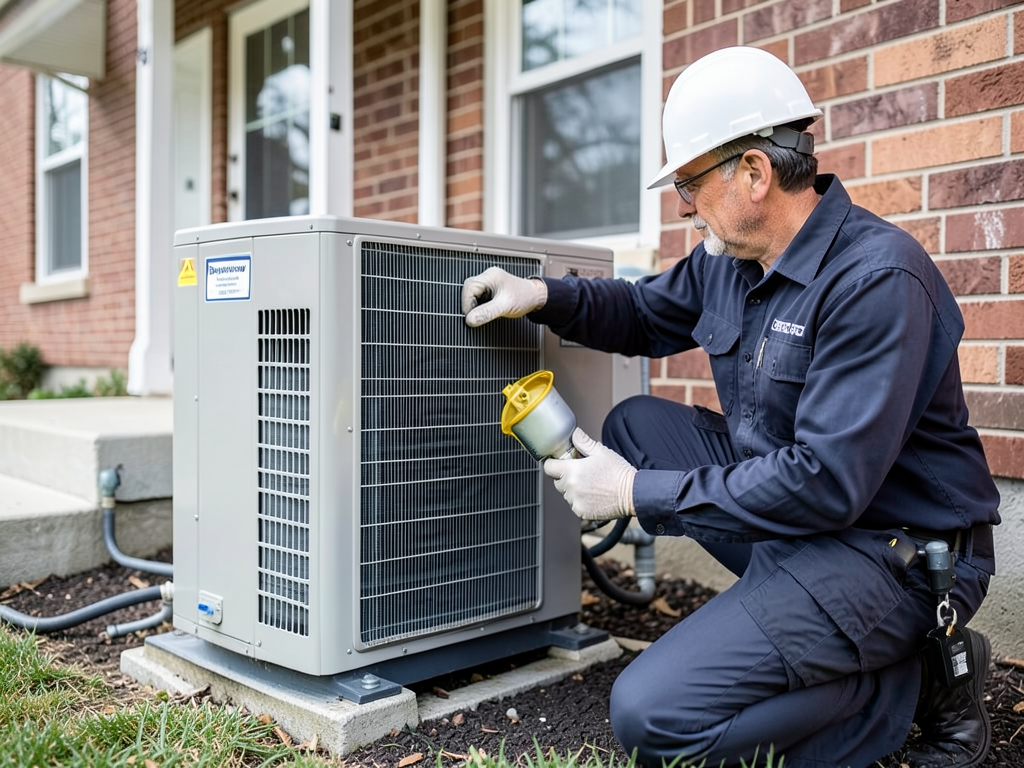
How SEER2 Ratings Impact Your Monthly Energy Bills in Broadview Heights
Your HVAC system’s efficiency rating directly determines how much you pay each month to heat and cool your home. In Broadview Heights, where winters bring Lake Erie’s chill and summers deliver humid heat, understanding SEER2 ratings can save you hundreds of dollars annually on utility bills. How Much Does a New Central Air System Cost in Northeast Ohio?.
SEER2 (Seasonal Energy Efficiency Ratio 2) is the new federal standard for measuring air conditioner and heat pump cooling efficiency. The higher the SEER2 number, the less electricity your system uses to maintain comfortable temperatures. For Broadview Heights homeowners, this translates to lower monthly bills and better humidity control during those muggy summer months when Cleveland’s humidity levels often exceed 70%.. Read more about Reducing Your Energy Bills with Attic Fan Installation in North Ridgeville.
What SEER2 Means for Your Cleveland-Area Home
The 2023 federal mandate changed how we measure cooling efficiency. SEER2 testing uses more realistic conditions than the old SEER standard, including higher external static pressure that better reflects actual duct system resistance. This means SEER2 ratings give you a more accurate picture of real-world performance.. Read more about Is Geothermal Heating and Cooling Worth the Investment for Gates Mills Estates?.
In Northeast Ohio’s climate zone, the minimum allowable SEER2 rating is 14 for air conditioners and 15 for heat pumps. However, systems ranging from 16 to 21 SEER2 are common in the area, with each step up delivering measurable savings on your monthly electric bill. North American Technician Excellence (NATE).
Comparing SEER2 Efficiency Levels and Monthly Costs
Let’s examine how different SEER2 ratings affect your energy consumption. A typical 3-ton air conditioning system in Broadview Heights runs approximately 900 hours during the cooling season. Here’s how efficiency levels impact your monthly costs during peak summer months:
| SEER2 Rating | Estimated Monthly Cooling Cost | Annual Savings vs. 14 SEER2 |
|---|---|---|
| 14 SEER2 | $135 | Baseline |
| 16 SEER2 | $118 | $17/month |
| 18 SEER2 | $105 | $30/month |
| 21 SEER2 | $92 | $43/month |
These calculations assume Cleveland’s average summer electric rate of $0.14 per kilowatt-hour and typical cooling loads for Broadview Heights homes built between 1970 and 2000.. Read more about The Real Difference Between a Standard AC and a Modern Heat Pump in Lyndhurst.
Why Cleveland’s Climate Makes SEER2 Selection Critical
Northeast Ohio’s unique weather patterns create specific demands on HVAC systems. The region experiences approximately 140 days above 80°F each year, with humidity levels that strain older, less efficient equipment. Broadview Heights homes, many built during the suburban expansion of the 1970s and 1980s, often have duct systems that were designed for lower efficiency standards.
The combination of high humidity and temperature extremes means your air conditioner must handle both cooling and dehumidification. Higher SEER2 systems typically include two-stage or variable-speed compressors that run longer at lower speeds, removing more moisture from the air while using less electricity. This is particularly important in Broadview Heights where the average summer dew point hovers around 65°F.. Read more about Solving Temperature Imbalances in Your Two Story Hudson Home with HVAC Zoning.
Heat Pumps and HSPF2: Winter Efficiency Matters Too
For homeowners considering heat pumps, the HSPF2 (Heating Seasonal Performance Factor 2) rating becomes equally important. Heat pumps must handle both cooling and heating, and Northeast Ohio’s cold winters test their limits. The minimum HSPF2 in our region is 8.4, but systems with ratings of 9.0 or higher deliver significant savings during the heating season.. Read more about Modernizing the Radiant Heating System in Your Euclid Bungalow.
Modern cold-climate heat pumps maintain efficiency even when temperatures drop below 20°F, making them viable alternatives to traditional gas furnaces in many Broadview Heights homes. These systems can reduce heating costs by 30-50% compared to electric resistance heating or older heat pump models. Replacing an Old Furnace in a Historic Shaker Heights Home.
AFUE Ratings for Furnace Efficiency
If you’re using a traditional furnace, the AFUE (Annual Fuel Utilization Efficiency) rating determines how much of your natural gas converts to usable heat. Older furnaces from the 1980s and 1990s typically operate at 70-80% AFUE, meaning 20-30% of your fuel costs literally go up the chimney.
Modern high-efficiency furnaces achieve 95-98% AFUE through sealed combustion and secondary heat exchangers. For a typical Broadview Heights home using 750 therms of natural gas annually, upgrading from an 80% to a 96% AFUE furnace saves approximately $180 per year on heating costs.
Calculating Your Payback Period
The decision to upgrade often comes down to simple math. Higher efficiency systems cost more upfront but deliver monthly savings that can offset the premium within a few years. Here’s how to calculate your potential payback:
- Determine Your Current Costs
Review 12 months of utility bills to establish your current heating and cooling expenses.
- Estimate New System Costs
Get quotes for both standard and high-efficiency equipment, including installation.
- Calculate Monthly Savings
Multiply the efficiency difference by your current usage to estimate monthly savings.
- Find the Break-Even Point
Divide the price difference by monthly savings to determine how many months until you recover the premium.
For example, if a 16 SEER2 system costs $1,500 more than a 14 SEER2 but saves you $17 per month, your payback period is approximately 88 months, or about 7.3 years. Given that quality HVAC equipment typically lasts 15-20 years, you’ll enjoy several years of pure savings after recovering your initial investment.
Local Utility Rebates and Incentives
FirstEnergy and Dominion Energy both offer rebates for high-efficiency HVAC equipment in the Greater Cleveland area. These programs can reduce your upfront costs by $300-600 for qualifying systems. Additionally, the federal 25C tax credit allows you to claim 30% of installation costs up to $2,000 for qualifying high-efficiency equipment.
Local utility rates in Broadview Heights average $0.14 per kilowatt-hour for electricity and $1.05 per therm for natural gas. These rates are slightly below the national average, making efficiency upgrades even more attractive from a financial perspective. Fast and Local AC Repair Services in Solon and Surrounding Areas.
Installation Quality Matters as Much as Efficiency Ratings
Even the most efficient equipment wastes energy if installed improperly. Proper sizing through Manual J calculations ensures your system isn’t oversized or undersized for your home’s specific needs. Oversized units short-cycle, meaning they turn on and off frequently, which reduces efficiency and dehumidification effectiveness.
Professional installation includes proper refrigerant charge, adequate airflow across coils, and sealed duct connections. In Broadview Heights, where many homes have basements with unconditioned spaces, proper duct sealing can improve efficiency by 15-20% beyond what the equipment rating suggests.. Read more about Professional Smart Thermostat Installation for Your Westlake Home.
Maintenance Requirements for High-Efficiency Systems
Higher efficiency systems require more precise maintenance to maintain their rated performance. Annual professional tune-ups ensure coils remain clean, refrigerant levels stay optimal, and electrical components operate within specifications. A dirty coil can reduce efficiency by 10-30%, negating the benefits of your high-SEER2 investment. Commercial HVAC Maintenance for Businesses in Downtown Cleveland.
Smart thermostats complement high-efficiency equipment by learning your schedule and adjusting temperatures automatically. These devices can reduce energy consumption by an additional 10-15% through intelligent setback strategies and remote monitoring capabilities.. Read more about Why Smart Vents Might Not Be the Best Choice for Your University Heights Home.
Environmental Benefits Beyond Cost Savings
High-efficiency HVAC systems reduce your carbon footprint while saving money. A 16 SEER2 system produces approximately 25% less carbon dioxide than a 14 SEER2 unit over its lifetime. For Broadview Heights homeowners concerned about environmental impact, this reduction equals about 2-3 tons of CO2 annually per household.
Variable-speed systems also run more quietly, reducing noise pollution in your neighborhood. The gradual ramp-up and ramp-down of these systems eliminates the sudden blasts of hot or cold air that characterize older equipment.
Making the Right Choice for Your Home
The optimal SEER2 rating depends on your specific circumstances. If you plan to stay in your Broadview Heights home for less than five years, a mid-range 16 SEER2 system often provides the best value. For long-term homeowners, investing in 18+ SEER2 equipment makes financial sense due to the extended payback period.
Consider your home’s insulation quality, window efficiency, and existing ductwork when making decisions. A poorly insulated home may not benefit as much from high-efficiency equipment as a well-sealed, modern home would.
Ready to Upgrade Your HVAC System?
Understanding SEER2 ratings is just the first step toward lower energy bills and improved comfort. Every home in Broadview Heights has unique characteristics that affect HVAC performance. Our NATE-certified technicians can evaluate your current system, analyze your energy usage patterns, and recommend the most cost-effective solution for your specific situation.
Don’t wait until your old system fails during a heatwave or cold snap. Call (216) 530-9077 today to schedule your free efficiency assessment and learn how much you could save with a high-efficiency upgrade.
Frequently Asked Questions
How much can I really save by upgrading to a higher SEER2 rating?
The savings depend on your current system’s efficiency and local energy rates. In Broadview Heights, upgrading from a 13 SEER to a 16 SEER2 system typically saves $200-300 annually on cooling costs, with even greater savings for higher efficiency ratings.
Are higher SEER2 systems worth the extra cost?
For most Broadview Heights homeowners who plan to stay in their homes more than 5-7 years, higher SEER2 systems provide excellent return on investment through monthly utility savings. The exact payback period depends on your energy usage patterns and local utility rates.
What SEER2 rating do I need for my home?
The ideal rating depends on your home’s size, insulation quality, and your comfort preferences. A professional Manual J load calculation determines the proper system size and helps identify the most cost-effective efficiency level for your specific situation.
Do I need to replace my ductwork when upgrading to a higher SEER2 system?
Not necessarily. However, older duct systems often have leaks and inadequate insulation that reduce efficiency. A professional assessment can determine whether duct sealing or insulation improvements would enhance your new system’s performance. For more information, visit U.S. Department of Energy Air Conditioning Guide.
You may also find this helpful. Should You Repair or Replace That Old Air Conditioner in Fairview Park?.
You may also find this helpful. How to Protect Your Outdoor AC Unit from Lake Erie Snow and Ice in Brecksville.
{
“@context”: “https://schema.org”,
“@type”: “BlogPosting”,
“headline”: “How SEER2 Ratings Impact Your Monthly Energy Bills in Broadview Heights”,
“description”: “Learn how SEER2 ratings affect your HVAC energy costs in Broadview Heights. Compare efficiency levels, local utility rebates, and calculate potential savings for your home.”,
“wordCount”: 1583,
“datePublished”: “2026-03-05T16:37:00.000Z”,
“dateModified”: “2026-03-05T16:37:00.000Z”,
“inLanguage”: “en-US”,
“mainEntityOfPage”: {
“@type”: “WebPage”,
“@id”: “https://acehvaccleveland.com”
},
“publisher”: {
“@type”: “LocalBusiness”,
“name”: “Ace HVAC Cleveland”,
“url”: “https://acehvaccleveland.com”
},
“author”: {
“@type”: “Organization”,
“name”: “Ace HVAC Cleveland”,
“url”: “https://acehvaccleveland.com”
},
“image”: {
“@type”: “ImageObject”,
“url”: “https://acehvaccleveland.com/wp-content/uploads/2026/03/how-seer2-ratings-impact-your-monthly-energy-bills-1.png”
}
}
{
“@context”: “https://schema.org”,
“@type”: “HVACBusiness”,
“name”: “Ace HVAC Cleveland”,
“url”: “https://acehvaccleveland.com”,
“address”: {
“@type”: “PostalAddress”,
“addressLocality”: “Cleveland”
},
“areaServed”: {
“@type”: “City”,
“name”: “Cleveland”
}
}
{
“@context”: “https://schema.org”,
“@type”: “FAQPage”,
“mainEntity”: [
{
“@type”: “Question”,
“name”: “Ready to Upgrade Your HVAC System?”,
“acceptedAnswer”: {
“@type”: “Answer”,
“text”: “Understanding SEER2 ratings is just the first step toward lower energy bills and improved comfort. Every home in Broadview Heights has unique characteristics that affect HVAC performance. Our NATE-certified technicians can evaluate your current system, analyze your energy usage patterns, and recommend the most cost-effective solution for your specific situation.”
}
},
{
“@type”: “Question”,
“name”: “How much can I really save by upgrading to a higher SEER2 rating?”,
“acceptedAnswer”: {
“@type”: “Answer”,
“text”: “The savings depend on your current system’s efficiency and local energy rates. In Broadview Heights, upgrading from a 13 SEER to a 16 SEER2 system typically saves $200-300 annually on cooling costs, with even greater savings for higher efficiency ratings.”
}
},
{
“@type”: “Question”,
“name”: “Are higher SEER2 systems worth the extra cost?”,
“acceptedAnswer”: {
“@type”: “Answer”,
“text”: “For most Broadview Heights homeowners who plan to stay in their homes more than 5-7 years, higher SEER2 systems provide excellent return on investment through monthly utility savings. The exact payback period depends on your energy usage patterns and local utility rates.”
}
},
{
“@type”: “Question”,
“name”: “What SEER2 rating do I need for my home?”,
“acceptedAnswer”: {
“@type”: “Answer”,
“text”: “The ideal rating depends on your home’s size, insulation quality, and your comfort preferences. A professional Manual J load calculation determines the proper system size and helps identify the most cost-effective efficiency level for your specific situation.”
}
},
{
“@type”: “Question”,
“name”: “Do I need to replace my ductwork when upgrading to a higher SEER2 system?”,
“acceptedAnswer”: {
“@type”: “Answer”,
“text”: “Not necessarily. However, older duct systems often have leaks and inadequate insulation that reduce efficiency. A professional assessment can determine whether duct sealing or insulation improvements would enhance your new system’s performance. For more information, visit U.S. Department of Energy Air Conditioning Guide.”
}
}
]
}
{
“@context”: “https://schema.org”,
“@type”: “HowTo”,
“name”: “Calculate HVAC Payback Period”,
“step”: [
{
“@type”: “HowToStep”,
“position”: 1,
“name”: “Determine Your Current Costs”,
“text”: “Review 12 months of utility bills to establish your current heating and cooling expenses.”
},
{
“@type”: “HowToStep”,
“position”: 2,
“name”: “Estimate New System Costs”,
“text”: “Get quotes for both standard and high-efficiency equipment, including installation.”
},
{
“@type”: “HowToStep”,
“position”: 3,
“name”: “Calculate Monthly Savings”,
“text”: “Multiply the efficiency difference by your current usage to estimate monthly savings.”
},
{
“@type”: “HowToStep”,
“position”: 4,
“name”: “Find the Break-Even Point”,
“text”: “Divide the price difference by monthly savings to determine how many months until you recover the premium.”
}
],
“image”: “https://acehvaccleveland.com/wp-content/uploads/2026/03/how-seer2-ratings-impact-your-monthly-energy-bills-1.png”
}
{
“@context”: “https://schema.org”,
“@type”: “BreadcrumbList”,
“itemListElement”: [
{
“@type”: “ListItem”,
“position”: 1,
“name”: “Home”,
“item”: “https://acehvaccleveland.com”
},
{
“@type”: “ListItem”,
“position”: 2,
“name”: “Blog”,
“item”: “https://acehvaccleveland.com/blog”
},
{
“@type”: “ListItem”,
“position”: 3,
“name”: “How SEER2 Ratings Impact Your Monthly Energy Bills in Broadview Heights”
}
]
}
{
“@context”: “https://schema.org”,
“@type”: “Service”,
“serviceType”: “HVAC”,
“provider”: {
“@type”: “LocalBusiness”,
“name”: “Ace HVAC Cleveland”,
“url”: “https://acehvaccleveland.com”
},
“areaServed”: {
“@type”: “City”,
“name”: “Cleveland”
},
“description”: “Learn how SEER2 ratings affect your HVAC energy costs in Broadview Heights. Compare efficiency levels, local utility rebates, and calculate potential savings for your home.”
}