
The Real Difference Between a Standard AC and a Modern Heat Pump in Lyndhurst
If you live in Lyndhurst and are weighing whether to replace your old AC with a heat pump, you are not alone. Many homeowners across Northeast Ohio are asking the same question. The truth is that while both systems cool your home in summer, they handle winter heating very differently. In Cleveland’s climate zone, that difference matters more than you might expect. How Much Does a New Central Air System Cost in Northeast Ohio?.
A standard air conditioner only removes heat from inside your home and dumps it outside. A modern heat pump can reverse that process, pulling heat from the outdoor air and moving it inside even when temperatures drop below freezing. In Lyndhurst, where winter lows can reach single digits and lake-effect snow is common, that capability can mean lower energy bills and year-round comfort. But heat pumps also have limits. When outdoor temperatures fall too low, they need backup heat to keep your home warm.. Read more about How to Protect Your Outdoor AC Unit from Lake Erie Snow and Ice in Brecksville.
Let’s break down how these systems work, how they compare in efficiency, what it costs to install and run them in Lyndhurst, and when a hybrid setup makes the most sense.
The Core Difference: How They Work in Northeast Ohio
Standard air conditioners use a refrigerant cycle to move heat from indoors to outdoors. They have no heating mode. Heat pumps use the same cycle but add a reversing valve that flips the flow of refrigerant. In summer, they act like an AC. In winter, they harvest heat from the outside air and deliver it inside.. Read more about Affordable Heating and Cooling Services in Mayfield Heights.
The challenge in Lyndhurst is that heat pumps lose efficiency as outdoor temperatures drop. Most standard models start to struggle when the mercury falls below 30°F. That is why many Northeast Ohio homeowners pair a heat pump with a gas furnace in a dual-fuel system. The heat pump handles mild winter days and all cooling season, while the gas furnace takes over during the coldest snaps. Replacing an Old Furnace in a Historic Shaker Heights Home.
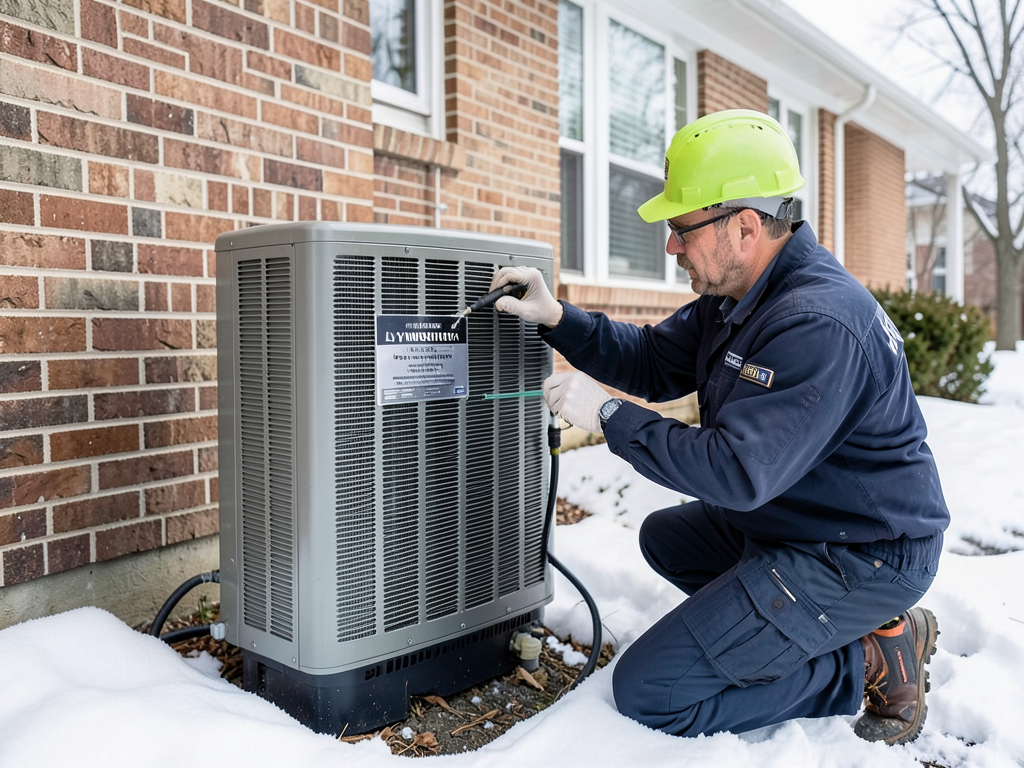
Image description: Cross-section diagram showing a heat pump reversing valve and how refrigerant flow changes between cooling and heating modes.
Efficiency Comparison: SEER2 vs. HSPF2 Ratings Explained
When shopping for HVAC equipment, you will see efficiency ratings. For cooling, the metric is SEER2 (Seasonal Energy Efficiency Ratio). For heating, it is HSPF2 (Heating Seasonal Performance Factor). Higher numbers mean better efficiency.
Modern heat pumps in 2026 often have SEER2 ratings between 16 and 20 and HSPF2 ratings between 8.2 and 10.5. Standard AC units typically have SEER2 ratings between 14 and 18 but no HSPF2 rating since they do not heat. In Lyndhurst, where electricity rates from FirstEnergy are about 13.5 cents per kWh and natural gas averages $10.50 per MCF, a heat pump can deliver more heating per dollar than electric resistance heat but may cost more to operate than a high-efficiency gas furnace on the coldest days. IRS Energy Efficient Home Improvement Credit.
| System Type | SEER2 (Cooling) | HSPF2 (Heating) | Typical Cost per BTU* |
|---|---|---|---|
| Standard AC + Gas Furnace | 16 | N/A | Gas: ~$0.010 |
| Heat Pump Only | 18 | 9.0 | Electric: ~$0.015 |
| Dual-Fuel (Heat Pump + Gas) | 18 | 9.0 | Switch point: ~30°F |
*Costs are approximate and based on current Northeast Ohio utility rates.
The Cleveland Winter Factor: Can a Heat Pump Handle Sub-Zero Temps?
Lyndhurst sits in Climate Zone 5, where winter design temperatures can drop to -10°F. Standard air-source heat pumps lose capacity as it gets colder. At 47°F, a typical unit delivers its rated heating capacity. At 17°F, it may only produce 70 percent of that capacity. At 5°F, that number can fall to 50 percent or less.
Cold climate heat pumps (ccASHPs) use variable-speed compressors and advanced refrigerants to maintain higher capacity in freezing weather. Some models can deliver 80 percent of their rated heat at 5°F. Even so, when temperatures fall below the unit’s balance point—often around 25 to 30°F—supplemental heat is needed.
In Lyndhurst, that backup is usually electric resistance coils built into the heat pump or a gas furnace in a dual-fuel setup. Without backup, the indoor temperature will gradually drop on the coldest nights. With backup, the system switches automatically, keeping your home warm without you lifting a finger.
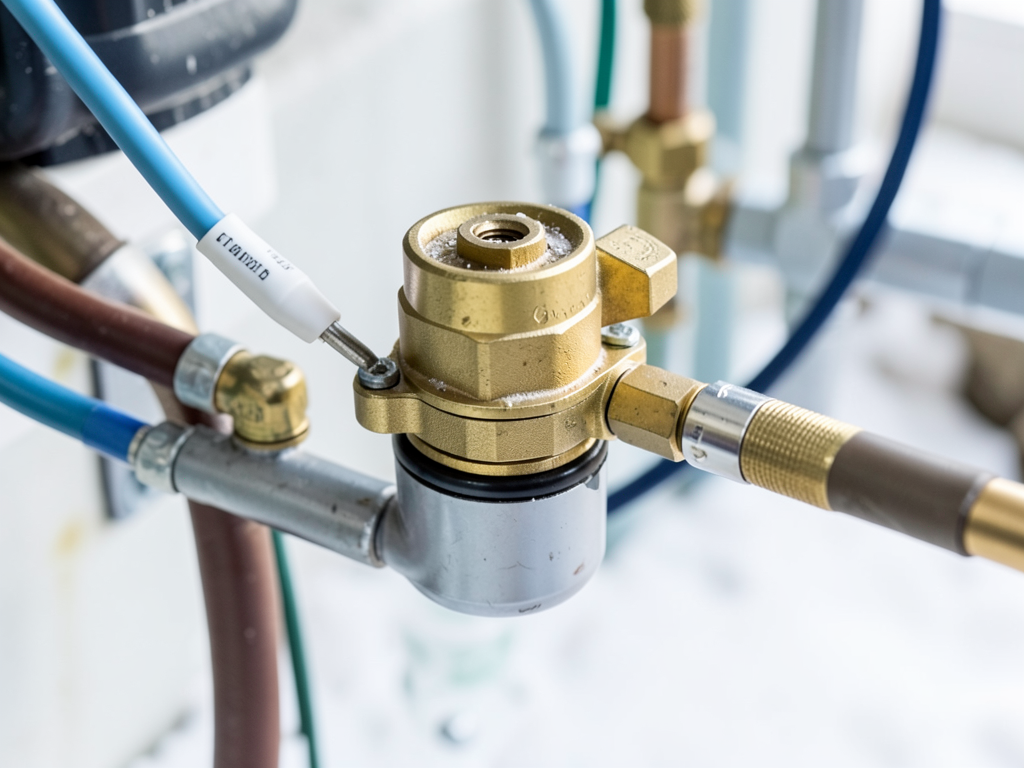
Image description: Technician using a digital manifold gauge to measure heat pump subcooling and superheat during a winter diagnostic check.
Cost Analysis: Upfront Investment vs. Long-Term Energy Savings
Heat pump equipment costs more than a standard AC. In Lyndhurst, a new heat pump installation typically runs $7,000 to $12,000, while a standard AC plus gas furnace pair can cost $5,500 to $9,000. The higher upfront price reflects the reversing valve, defrost controls, and often a variable-speed compressor.
Operating costs depend on your utility rates and how often the system switches between heat pump and backup. In a dual-fuel setup, you might save $200 to $400 per year on milder winter days when the heat pump runs instead of the furnace. Over a 15-year equipment life, that can offset much of the higher purchase price.
Federal tax credits under the Inflation Reduction Act (IRA) can cover up to $2,000 of a qualifying heat pump purchase in 2026. FirstEnergy and Dominion Energy also offer rebates that can reduce net cost by $500 to $1,000. These incentives make the financial case stronger for many Lyndhurst homeowners.
Dual Fuel Systems: The ‘Hybrid’ Solution for Ohio Homeowners
A dual-fuel system pairs a heat pump with a gas furnace and an intelligent control board. The board monitors outdoor temperature and energy prices, then chooses the most cost-effective heat source. Above the set switch point, the heat pump runs. Below it, the gas furnace takes over.
In Lyndhurst, the switch point is often set between 25°F and 30°F. This range balances heat pump efficiency with gas furnace performance. During a typical winter, the heat pump handles about 70 percent of heating hours, the gas furnace about 30 percent.
The main advantage is flexibility. If natural gas prices spike, you can adjust the switch point upward to use the heat pump more. If electricity rates rise, you can lower it. This adaptability protects you from volatile energy markets while keeping your home comfortable.
Maintenance and Lifespan Differences
Heat pumps run year-round, so they accumulate twice the operating hours of a seasonal AC. That means more frequent maintenance is critical. Filters should be changed every one to three months. Coils need annual cleaning. The reversing valve and defrost controls should be checked each fall before heating season. Commercial HVAC Maintenance for Businesses in Downtown Cleveland.
Standard AC units only run in summer, so wear is limited to a few months per year. They still need annual tune-ups, but the schedule is less intense. Gas furnaces require annual inspections for heat exchanger integrity and gas line safety, especially in older Lyndhurst homes with aging iron gas mains.
Lifespan is similar: 15 to 20 years for both systems if maintained. Heat pumps may trend toward the lower end of that range because of year-round use. Proper maintenance can stretch life toward 20 years for either system.
Verdict: Choosing the Right System for Your Zip Code
For most Lyndhurst homes, a dual-fuel heat pump is the best all-around choice. It delivers efficient cooling in summer, economical heating in mild winter weather, and reliable backup when temperatures plummet. If your home lacks natural gas service, a cold climate heat pump with electric backup can still work, though operating costs may be higher on the coldest days. Reliable Boiler Repair Services for Older Lakewood Homes.
Standard AC plus gas furnace remains a strong option if you want the lowest upfront cost and do not mind higher energy use during mild winter days. Heat pump only makes sense if you have access to cheap electricity, solar panels, or want to maximize use of IRA tax credits.
Before deciding, have a qualified HVAC contractor perform a Manual J load calculation for your home. This ensures the equipment is sized correctly for Lyndhurst’s climate and your home’s unique construction. Call (216) 530-9077 today to schedule your inspection and get a customized recommendation.
Image description: Before and after photo of a Lyndhurst home where a standard AC was replaced with a high-efficiency dual-fuel heat pump system.
Frequently Asked Questions
Does a heat pump work when it is below zero in Cleveland?
Yes, but capacity drops. Cold climate models can still provide 70 to 80 percent of rated heat at 5°F. Below the balance point, backup heat is needed to maintain indoor comfort.
How much more does a heat pump cost than a standard AC in Lyndhurst?
Equipment and installation typically run $2,000 to $4,000 more than a standard AC plus gas furnace. Federal and local rebates can offset much of that premium. Fast and Local AC Repair Services in Solon and Surrounding Areas.
Will I save money on energy bills with a heat pump?
Often yes. Savings depend on utility rates and how many hours the heat pump runs versus a gas furnace. Many homeowners save $200 to $400 per year in a dual-fuel setup.
Do I need to replace my ductwork for a heat pump?
Not necessarily. Most heat pumps use the same ducts as a standard AC. If ducts are leaky or undersized, sealing or resizing may improve efficiency.
How long does a heat pump last in Northeast Ohio?
With proper maintenance, 15 to 20 years. Year-round operation may trend toward the lower end of that range compared to seasonal AC units.
Is a heat pump noisy?
Modern units are quieter than older models. Outdoor sound levels are comparable to a central AC, often 55 to 65 decibels at 10 feet.
Can I add a heat pump to my existing furnace?
Yes. This is the basis of a dual-fuel system. The heat pump replaces the AC, and the existing furnace serves as backup heat.. Read more about Should You Repair or Replace That Old Air Conditioner in Fairview Park?.
What maintenance does a heat pump need?
Change filters every one to three months, clean coils annually, and have a professional inspect controls, refrigerant charge, and defrost operation each fall.
Are there rebates for heat pumps in Lyndhurst?
Yes. FirstEnergy and Dominion Energy offer rebates up to $1,000. The federal IRA tax credit covers up to $2,000 for qualifying equipment in 2026.
Should I choose a heat pump or stick with AC and furnace?
If you want maximum efficiency, year-round comfort, and protection from energy price swings, a dual-fuel heat pump is often the best choice for Lyndhurst. For lowest upfront cost, a standard AC plus furnace still works well. For more information, visit U.S. Department of Energy heat pump guide.
{
“@context”: “https://schema.org”,
“@type”: “BlogPosting”,
“headline”: “The Real Difference Between a Standard AC and a Modern Heat Pump in Lyndhurst”,
“description”: “Compare heat pumps vs AC units for Lyndhurst homes. Learn efficiency, winter performance, and Cleveland-specific costs to make the right HVAC choice.”,
“wordCount”: 1775,
“datePublished”: “2026-03-18T15:07:00.000Z”,
“dateModified”: “2026-03-18T15:07:00.000Z”,
“inLanguage”: “en-US”,
“mainEntityOfPage”: {
“@type”: “WebPage”,
“@id”: “https://acehvaccleveland.com”
},
“publisher”: {
“@type”: “LocalBusiness”,
“name”: “Ace HVAC Cleveland”,
“url”: “https://acehvaccleveland.com”
},
“author”: {
“@type”: “Organization”,
“name”: “Ace HVAC Cleveland”,
“url”: “https://acehvaccleveland.com”
},
“image”: {
“@type”: “ImageObject”,
“url”: “https://acehvaccleveland.com/wp-content/uploads/2026/03/the-real-difference-between-a-standard-ac-and-a-mo-1.png”
}
}
{
“@context”: “https://schema.org”,
“@type”: “HVACBusiness”,
“name”: “Ace HVAC Cleveland”,
“url”: “https://acehvaccleveland.com”,
“address”: {
“@type”: “PostalAddress”,
“addressLocality”: “Cleveland”
},
“areaServed”: {
“@type”: “City”,
“name”: “Cleveland”
}
}
{
“@context”: “https://schema.org”,
“@type”: “FAQPage”,
“mainEntity”: [
{
“@type”: “Question”,
“name”: “The Cleveland Winter Factor: Can a Heat Pump Handle Sub-Zero Temps?”,
“acceptedAnswer”: {
“@type”: “Answer”,
“text”: “Lyndhurst sits in Climate Zone 5, where winter design temperatures can drop to -10°F. Standard air-source heat pumps lose capacity as it gets colder. At 47°F, a typical unit delivers its rated heating capacity. At 17°F, it may only produce 70 percent of that capacity. At 5°F, that number can fall to 50 percent or less.”
}
},
{
“@type”: “Question”,
“name”: “Does a heat pump work when it is below zero in Cleveland?”,
“acceptedAnswer”: {
“@type”: “Answer”,
“text”: “Yes, but capacity drops. Cold climate models can still provide 70 to 80 percent of rated heat at 5°F. Below the balance point, backup heat is needed to maintain indoor comfort.”
}
},
{
“@type”: “Question”,
“name”: “How much more does a heat pump cost than a standard AC in Lyndhurst?”,
“acceptedAnswer”: {
“@type”: “Answer”,
“text”: “Equipment and installation typically run $2,000 to $4,000 more than a standard AC plus gas furnace. Federal and local rebates can offset much of that premium. Fast and Local AC Repair Services in Solon and Surrounding Areas.”
}
},
{
“@type”: “Question”,
“name”: “Will I save money on energy bills with a heat pump?”,
“acceptedAnswer”: {
“@type”: “Answer”,
“text”: “Often yes. Savings depend on utility rates and how many hours the heat pump runs versus a gas furnace. Many homeowners save $200 to $400 per year in a dual-fuel setup.”
}
},
{
“@type”: “Question”,
“name”: “Do I need to replace my ductwork for a heat pump?”,
“acceptedAnswer”: {
“@type”: “Answer”,
“text”: “Not necessarily. Most heat pumps use the same ducts as a standard AC. If ducts are leaky or undersized, sealing or resizing may improve efficiency.”
}
},
{
“@type”: “Question”,
“name”: “How long does a heat pump last in Northeast Ohio?”,
“acceptedAnswer”: {
“@type”: “Answer”,
“text”: “With proper maintenance, 15 to 20 years. Year-round operation may trend toward the lower end of that range compared to seasonal AC units.”
}
},
{
“@type”: “Question”,
“name”: “Is a heat pump noisy?”,
“acceptedAnswer”: {
“@type”: “Answer”,
“text”: “Modern units are quieter than older models. Outdoor sound levels are comparable to a central AC, often 55 to 65 decibels at 10 feet.”
}
},
{
“@type”: “Question”,
“name”: “Can I add a heat pump to my existing furnace?”,
“acceptedAnswer”: {
“@type”: “Answer”,
“text”: “Yes. This is the basis of a dual-fuel system. The heat pump replaces the AC, and the existing furnace serves as backup heat.”
}
},
{
“@type”: “Question”,
“name”: “What maintenance does a heat pump need?”,
“acceptedAnswer”: {
“@type”: “Answer”,
“text”: “Change filters every one to three months, clean coils annually, and have a professional inspect controls, refrigerant charge, and defrost operation each fall.”
}
},
{
“@type”: “Question”,
“name”: “Are there rebates for heat pumps in Lyndhurst?”,
“acceptedAnswer”: {
“@type”: “Answer”,
“text”: “Yes. FirstEnergy and Dominion Energy offer rebates up to $1,000. The federal IRA tax credit covers up to $2,000 for qualifying equipment in 2026.”
}
},
{
“@type”: “Question”,
“name”: “Should I choose a heat pump or stick with AC and furnace?”,
“acceptedAnswer”: {
“@type”: “Answer”,
“text”: “If you want maximum efficiency, year-round comfort, and protection from energy price swings, a dual-fuel heat pump is often the best choice for Lyndhurst. For lowest upfront cost, a standard AC plus furnace still works well. For more information, visit U.S. Department of Energy heat pump guide.”
}
}
]
}
{
“@context”: “https://schema.org”,
“@type”: “BreadcrumbList”,
“itemListElement”: [
{
“@type”: “ListItem”,
“position”: 1,
“name”: “Home”,
“item”: “https://acehvaccleveland.com”
},
{
“@type”: “ListItem”,
“position”: 2,
“name”: “Blog”,
“item”: “https://acehvaccleveland.com/blog”
},
{
“@type”: “ListItem”,
“position”: 3,
“name”: “The Real Difference Between a Standard AC and a Modern Heat Pump in Lyndhurst”
}
]
}
{
“@context”: “https://schema.org”,
“@type”: “Service”,
“serviceType”: “HVAC”,
“provider”: {
“@type”: “LocalBusiness”,
“name”: “Ace HVAC Cleveland”,
“url”: “https://acehvaccleveland.com”
},
“areaServed”: {
“@type”: “City”,
“name”: “Cleveland”
},
“description”: “Compare heat pumps vs AC units for Lyndhurst homes. Learn efficiency, winter performance, and Cleveland-specific costs to make the right HVAC choice.”
}