
Switching to a Tankless Water Heater in Your Willoughby Home
If you’re a homeowner in Willoughby dealing with rising energy bills or running out of hot water during busy mornings, you’re not alone. Many Northeast Ohio residents are switching from traditional tank-style water heaters to tankless systems. The decision isn’t just about saving space—it’s about efficiency, reliability, and adapting to our region’s unique water conditions. How Much Does a New Central Air System Cost in Northeast Ohio?.
Tankless water heaters heat water on demand instead of storing it in a large tank. That means no more waiting for a tank to refill after back-to-back showers or worrying about a 40-gallon tank failing during a holiday weekend. In Cleveland’s climate, where groundwater temperatures can drop to 45°F in winter, the right tankless system can deliver consistent hot water while cutting energy use by up to 30% annually.
How Tankless Systems Work in Northeast Ohio
Traditional tank heaters keep 40-80 gallons of water hot 24/7. Tankless units use high-powered burners or electric elements to heat water instantly as it flows through the system. The key metric is gallons per minute (GPM) at your required temperature rise. In January, when Lake Erie’s influence chills our groundwater, a tankless unit must raise water temperature by 70-80°F to reach a comfortable 120°F. That requires careful sizing based on your household’s peak demand.
Most Willoughby homes need 5-7 GPM for simultaneous showers, dishwasher, and laundry. A gas tankless unit rated for 9-11 GPM handles this easily, even during our coldest months. Electric models often struggle with the temperature rise needed for Ohio winters, making gas the preferred choice for most local installations. Fast and Local AC Repair Services in Solon and Surrounding Areas.
Cost Analysis: Upfront Investment vs. Long-Term Savings
Switching to tankless involves more than just swapping units. Installation costs in Willoughby typically range from $3,500 to $5,500, including gas line upgrades, venting modifications, and permits. Traditional tank replacement averages $1,200 to $1,800. The higher upfront cost pays back through energy savings of $100-150 annually and a lifespan of 20+ years versus 10-12 years for tanks.
| System Type | Unit Cost | Installation Cost | Annual Energy Cost | Expected Lifespan |
|---|---|---|---|---|
| Traditional Tank (40-50 gal) | $600-900 | $600-900 | $350-450 | 10-12 years |
| Gas Tankless | $1,200-1,800 | $2,300-3,700 | $200-300 | 20+ years |
Local utility rebates through Dominion Energy and FirstEnergy can reduce costs by $300-500. The federal Energy Star tax credit covers 30% of installation costs up to $2,000 for qualifying systems installed in 2026.
Space and Maintenance Requirements
One of the biggest advantages for Willoughby bungalows and Cape Cods is the space savings. A tankless unit mounts on a wall and measures about 28″ x 20″ x 10″, freeing up the 5-6 square feet a tank occupies. This matters in older homes where basements double as laundry and storage areas.
Cleveland’s hard water presents a challenge. Our water contains 7-12 grains per gallon of dissolved minerals. Without annual descaling, mineral buildup reduces efficiency by 25-30% and can cause premature heat exchanger failure. Professional descaling costs $150-200 annually and is essential for maintaining warranty coverage.
Venting requirements are stricter for high-efficiency units. Condensing tankless heaters need stainless steel venting to handle acidic condensate. Non-condensing units require Category III venting. Both must terminate at least 12 inches above ground and 3 feet from any opening, per the 2021 Cleveland Mechanical Code Section 505.4.
Performance During Lake-Effect Winters
Willoughby’s proximity to Lake Erie means our groundwater stays colder longer than inland areas. When intake temperatures drop below 45°F, even high-BTU units must work harder. A 199,000 BTU gas tankless provides 9 GPM at 70°F rise, enough for most families. During extreme cold snaps, flow rates may drop 10-15% as the unit prioritizes maintaining temperature over volume.
Electric tankless units struggle here. A typical 27 kW electric model delivers only 3 GPM at 70°F rise—barely enough for one shower. Most Willoughby homes need gas or a hybrid system with a small buffer tank for consistent performance.
Pros and Cons Checklist
- Energy savings of 25-30% annually
- Endless hot water supply
- Space savings of 5-6 square feet
- 20+ year lifespan
- Higher upfront costs ($3,500-5,500 installed)
- Annual maintenance required ($150-200)
- May need gas line or electrical upgrades
- Flow rate drops during extreme cold
Local Rebates and Incentives
Ohio utilities offer significant rebates for high-efficiency water heaters. Dominion Energy customers can receive $300-400 rebates for Energy Star certified gas tankless units. FirstEnergy’s efficiency programs provide similar incentives for electric heat pump water heaters. These rebates, combined with the federal tax credit, can reduce your net cost by $800-1,200.
Local plumbing permits cost $75-125 in Lake County. Installation must comply with Cleveland’s mechanical code requirements for venting and combustion air. Licensed contractors handle permit acquisition and inspections as part of the installation process.
Making the Right Choice for Your Home
Consider your household size, water usage patterns, and basement space. A family of four with simultaneous morning routines benefits most from tankless efficiency. If you have a large soaking tub or frequently run multiple showers, ensure your chosen unit meets the GPM requirements for your coldest months.
Older Willoughby homes built before 1980 may need gas line upgrades. A 3/4″ gas line typically suffices for tankless units up to 199,000 BTU. Homes with existing 1/2″ lines might need replacement to handle the higher demand.
Professional sizing considers more than just GPM. Water hardness, elevation, and even the length of your plumbing runs affect performance. A proper heat loss calculation ensures your system delivers consistent hot water without wasting energy.
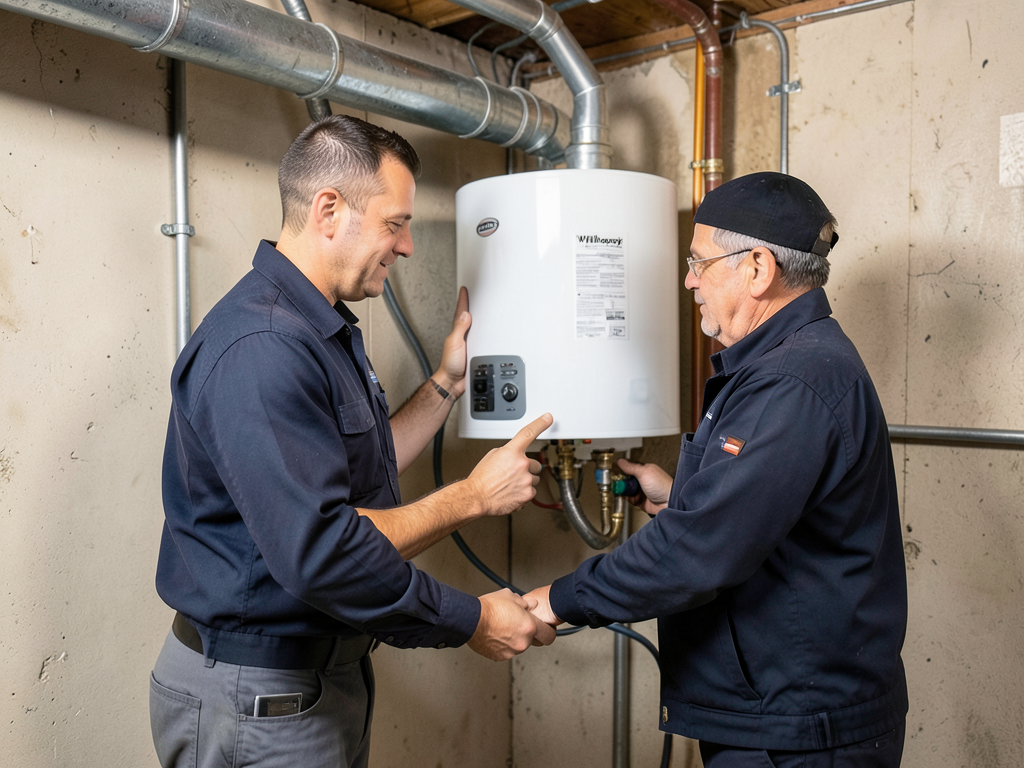
Image description: Wall-mounted tankless water heater installation in a Willoughby basement showing proper venting and gas line connections.
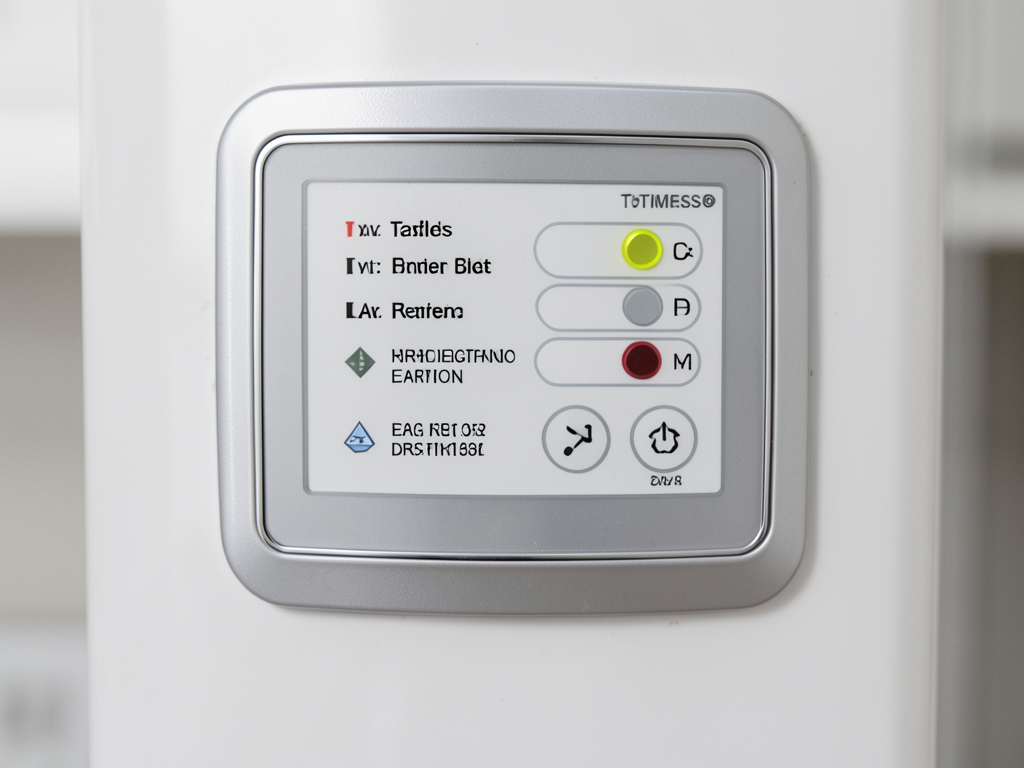
Image description: Close-up of tankless water heater control panel displaying temperature settings and diagnostic codes.
Image description: Before and after comparison of basement space with traditional tank versus compact tankless installation.
Frequently Asked Questions
How long does tankless water heater installation take?
Most Willoughby installations complete in 6-8 hours. Complex jobs requiring gas line upgrades or venting modifications may take 1-2 days. Your contractor handles permits and inspections as part of the service.
Can I install a tankless water heater myself?
Ohio plumbing code requires licensed professionals for gas line modifications and venting installations. Improper installation creates safety hazards and voids manufacturer warranties. Professional installation ensures code compliance and optimal performance.
What maintenance does a tankless water heater need?
Annual descaling prevents mineral buildup that reduces efficiency. Professional maintenance includes checking gas pressure, inspecting venting, and testing safety controls. Most manufacturers require documented annual maintenance to maintain warranty coverage. Commercial HVAC Maintenance for Businesses in Downtown Cleveland.
Will a tankless water heater work during a power outage?
Gas tankless units with standing pilot lights function during outages. Models with electronic ignition require electricity. Consider a battery backup or whole-house generator if outage reliability concerns you.
How do I know what size tankless water heater I need?
A professional load calculation considers your household size, simultaneous usage patterns, and local groundwater temperature. Most Willoughby homes need 9-11 GPM gas units for reliable performance during winter months. Reliable Boiler Repair Services for Older Lakewood Homes.
Ready to Upgrade Your Willoughby Home?
Switching to tankless water heating is a significant investment that pays dividends through energy savings, endless hot water, and freed-up basement space. The key is proper sizing, professional installation, and understanding our local conditions. Cleveland’s hard water and cold winters require specific considerations that generic advice won’t address.
Call (216) 530-9077 today to schedule your free consultation. We’ll assess your home’s needs, explain your options, and provide a detailed quote with all permit and installation costs upfront. Don’t wait until your old tank fails—upgrade now and start saving on energy bills while enjoying reliable hot water year-round.
Pick up the phone and call (216) 530-9077 before the next cold snap hits. Your Willoughby home deserves efficient, reliable hot water that works as hard as you do.
- Calculate Your GPM Needs
Count simultaneous fixtures and determine required flow rate. Most families need 5-7 GPM.
- Consider Local Conditions
Factor in Cleveland’s cold groundwater and hard water. Gas units perform better in our climate.
- Get Professional Sizing
Have a licensed contractor perform a heat loss calculation for your specific home.
- Compare Total Costs
Look beyond unit price to installation, permits, and long-term energy savings.
- Plan for Maintenance
Budget for annual descaling to protect your investment and maintain efficiency. For more information, visit Energy.gov tankless water heater guide. For more information, visit EPA WaterSense program.