Menu

Weird Smells from Vents in Cleveland – Expert Diagnosis and Permanent Solutions

Our HVAC technicians identify the root cause of strange odors from air ducts and foul air conditioner odors, eliminating health hazards and restoring clean air to your Cleveland home.

Slider Image 1
Slider Image 2
Slider Image 3
Slider Image 4
Slider Image 5
Slider Image 7
Slider Image 8
Slider Image 9
Slider Image 10
Slider Image 11

Why Cleveland Homes Experience Strange Odors from Air Ducts

You turn on your heating or cooling system and immediately smell something off. Maybe it smells musty, like burning plastic, or even like rotten eggs. The bad smell coming from vents is not just unpleasant. It signals a real problem inside your HVAC system.

Cleveland's seasonal extremes create perfect conditions for odd smells from HVAC systems. Our humid summers encourage mold and mildew growth inside ductwork and drain pans. When you fire up the heat after months of dormancy, dust burns off coils and creates that acrid smell. Our freeze-thaw cycles can crack heat exchangers, releasing combustion gases into your air supply. The clay-heavy soil around homes in Tremont and Ohio City can shift foundations, disconnecting ductwork and allowing sewer gas to enter the system.

These funny smells from heating systems are not cosmetic issues. A musty odor means biological growth is circulating through your home. A burning smell could indicate failing electrical components or a cracked heat exchanger leaking carbon monoxide. A rotten egg smell might be a gas leak or a dead animal trapped in ductwork. Foul air conditioner odors from stagnant water in the drain pan breed bacteria that aggravate allergies and respiratory issues.

Ignoring these warning signs puts your family at risk and reduces the efficiency of your system. The longer you wait, the worse the contamination becomes. Identifying the specific source requires methodical inspection of your entire HVAC system, from the air handler to the farthest supply register.

Why Cleveland Homes Experience Strange Odors from Air Ducts
How We Diagnose and Eliminate Strange Odors from Air Ducts

How We Diagnose and Eliminate Strange Odors from Air Ducts

Most companies spray deodorizer and call it done. That masks the symptom without fixing the cause. We trace the odor to its origin and eliminate it permanently.

Our diagnostic process begins with a complete system evaluation. We inspect your air handler, evaporator coil, condensate drain pan, heat exchanger, blower motor, and every accessible section of ductwork. We check for biological growth, standing water, disconnected ducts, damaged insulation, and vermin intrusion. We test airflow patterns to identify negative pressure conditions that pull sewer gas through plumbing traps.

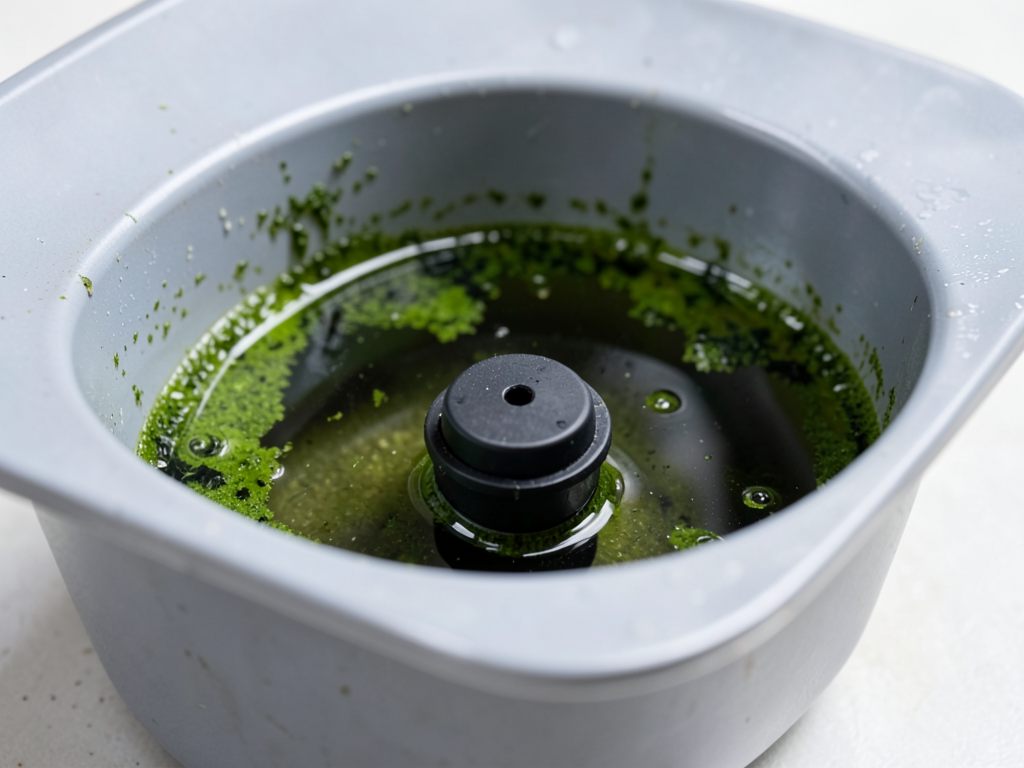
For musty or moldy smells, we locate moisture sources. Cleveland's high humidity during summer means condensate drain pans often overflow or drain lines clog. Water pools around the evaporator coil, creating an ideal environment for mold and bacteria. We clear drain lines, install secondary drain pans, and treat affected areas with antimicrobial solutions. If the ductwork itself is contaminated, we clean or replace affected sections.

Burning smells require immediate electrical inspection. We test capacitors, check wiring connections, and inspect blower motors for overheating. If you smell burning plastic, we trace it to failing insulation on wiring or a seized motor bearing. For gas furnaces, we perform combustion analysis and heat exchanger inspection using fiber-optic cameras. A cracked heat exchanger is a life-safety issue that requires immediate furnace replacement.

Sulfur or rotten egg odors demand urgent response. We test for natural gas leaks, inspect sewer vent connections, and check for dead animals in ductwork or air handlers. Each situation requires a different solution, and we have the tools and training to address all of them.

What Happens During Your Odor Investigation

Weird Smells from Vents in Cleveland – Expert Diagnosis and Permanent Solutions
01

Initial System Inspection

We start at your air handler and work through the entire system. Our technician identifies where the smell is strongest, tests airflow at each register, and documents visible contamination. We use thermal imaging to detect moisture behind walls and fiber-optic scopes to inspect heat exchangers and ductwork interiors. This comprehensive assessment pinpoints the exact source of the odor.
02

Source Elimination

Once we identify the cause, we remove it. For biological growth, we treat surfaces with EPA-registered antimicrobials and address the moisture source. For electrical issues, we replace failing components. For combustion problems, we repair or replace the heat exchanger. If animals or debris are trapped in ducts, we extract them and seal entry points to prevent recurrence.
03

Air Quality Restoration

After eliminating the source, we restore clean air circulation. We replace contaminated air filters, clean or replace affected ductwork, and verify proper system operation. We test airflow balance and confirm no residual odors remain. You get documentation of all work completed and recommendations for preventing future issues. Your system returns to delivering clean, odor-free air throughout your home.

Why Cleveland Residents Trust Us for HVAC Odor Issues

Most HVAC companies do not want to deal with odor complaints. The diagnosis takes time, and the fix is not always straightforward. They would rather sell you a new system than investigate the real problem.

We specialize in solving the problems other companies avoid. Our technicians understand how Cleveland's climate affects HVAC systems. We know the older homes in neighborhoods like Lakewood and Cleveland Heights have ductwork that was never properly sealed. We know the rapid temperature swings from Lake Erie create condensation issues. We know the local soil conditions that cause foundation movement and duct disconnections.

This local knowledge matters when you are dealing with strange odors from air ducts. A technician who does not understand how negative pressure from an improperly sized exhaust fan can pull sewer gas through floor drains will never solve your problem. Someone who does not recognize the smell of electrical arcing versus burning dust will misdiagnose the issue and waste your money.

Our team carries specialized diagnostic equipment that most residential HVAC companies do not own. We have combustion analyzers, thermal cameras, moisture meters, and fiber-optic inspection cameras. We invest in these tools because accurate diagnosis is impossible without them.

We also understand the health risks these odors represent. Mold spores, bacteria, carbon monoxide, and volatile organic compounds are not minor inconveniences. They cause respiratory illness, headaches, fatigue, and long-term health problems. When you call us about a bad smell coming from vents, we treat it as a serious issue that requires immediate investigation.

You will not get a sales pitch for unnecessary equipment. If your system can be repaired, we repair it. If the issue requires duct cleaning or replacement, we explain why and provide options. You get honest answers backed by evidence, not scare tactics.

What to Expect When You Call About Foul Air Conditioner Odors

Fast Response Time

Odor issues often indicate health and safety risks that require urgent attention. We schedule odor investigations within 24 hours of your call. Our technicians arrive with diagnostic equipment ready to begin inspection immediately. We do not waste your time with unnecessary delays. If we find a gas leak or carbon monoxide issue, we take immediate action to secure your home. Most diagnostic visits take between one and two hours, depending on system complexity and accessibility. You get same-day answers about what is causing the smell and what it will take to fix it.

Thorough Diagnostic Process

Our investigation covers every potential source of odor. We inspect the air handler cabinet, blower assembly, evaporator coil, condensate system, ductwork, and exhaust venting. For gas furnaces, we perform combustion analysis and heat exchanger inspection. We test airflow at registers and check for duct disconnections or damage. We document our findings with photos and provide a detailed report explaining the source of the odor. You see exactly what we found and understand why it is causing the smell. We answer your questions and explain the repair options in clear language without technical jargon or pressure.

Complete Odor Elimination

We do not mask odors with deodorizers or air fresheners. We remove the source completely. If biological growth is the problem, we treat affected surfaces and fix the moisture issue causing it. If electrical components are failing, we replace them. If your heat exchanger is cracked, we discuss repair or replacement options based on the age and condition of your furnace. After repairs, we verify the odor is gone and airflow is restored to proper levels. Your system operates cleanly without residual smells. You get written documentation of all work completed and recommendations for preventing future issues.

Preventive Maintenance Plans

Many odor issues result from neglected maintenance. Clogged condensate drains, dirty coils, and accumulated dust create conditions for biological growth and component failure. We offer maintenance plans that include twice-yearly inspections, filter changes, coil cleaning, and condensate system service. Regular maintenance catches small problems before they become major repairs. Our technicians inspect heat exchangers annually to detect cracks before they leak combustion gases. We clean drain pans and treat them with antimicrobial tablets to prevent mold. Members receive priority scheduling and discounts on repairs. Preventive care is the most cost-effective way to protect your system and your indoor air quality.

Frequently Asked Questions

You Have Questions,
We Have Answers

Why is there a bad smell coming from my vents? +

Bad smells from vents usually signal trapped contaminants in your ductwork. Common culprits include mold from Cleveland's humid summers, decomposing pest carcasses, dust buildup, or refrigerant leaks. If you smell mustiness, you likely have moisture accumulation breeding mold spores. A rotten odor points to dead rodents or birds trapped in ducts. Chemical or burning smells indicate electrical issues or overheating components that need immediate attention. Cleveland's freeze-thaw cycles can crack duct seals, letting attic debris or insulation particles enter your system. Schedule a professional duct inspection to identify the source and protect your indoor air quality.

What does an electrical fire smell like before it starts? +

Before an electrical fire ignites, you will smell a sharp, acrid burning plastic or fish-like odor. This comes from wire insulation melting due to overheating connections or arcing. Some describe it as a chemical smell mixed with burning rubber. In Cleveland homes with older wiring, high humidity can corrode connections and accelerate deterioration. If you detect this smell near outlets, your electrical panel, or coming through vents, shut off power at the breaker and call an electrician immediately. Do not ignore this warning. The smell means insulation is already burning and wire cores may soon expose.

What does mold in air vents smell like? +

Mold in air vents smells musty, earthy, or like wet socks left in a gym bag. Cleveland's humid climate creates ideal conditions for mold growth inside ductwork, especially after spring storms or when AC condensation does not drain properly. You might notice the smell worsens when you first turn on your HVAC system or during high humidity days. Black mold produces a stronger, more pungent odor than common mildew. If you smell this consistently through your vents, you need professional duct cleaning and mold remediation. Running your system spreads spores throughout your home, triggering respiratory issues.

Why is there a weird chemical smell coming from my AC? +

A chemical smell from your AC usually indicates a refrigerant leak, especially if it smells sweet or like chloroform. Refrigerant should stay sealed in coils, but corrosion or mechanical damage causes leaks. Another source is new ductwork or insulation off-gassing volatile organic compounds. Cleveland's temperature swings stress HVAC components, accelerating wear. If the smell resembles formaldehyde or paint thinner, check for recent duct repairs. A refrigerant leak requires immediate professional repair because inhaling these chemicals causes dizziness and headaches. Never run your system if you suspect refrigerant is escaping into your living space.

Why does my air vent smell like something died? +

That death smell from your vent means a rodent, bird, or bat died inside your ductwork or HVAC cabinet. Cleveland homes near wooded areas or older neighborhoods see frequent pest intrusions during winter months when animals seek warmth. The smell intensifies when your system runs because air passes over the decomposing carcass. You need professional removal because the body creates a biohazard and attracts insects. Technicians will locate the carcass, remove it, sanitize affected ductwork, and seal entry points. The smell lingers for weeks if not addressed. Do not attempt removal yourself without proper protective equipment.

How to sanitize air ducts yourself? +

Turn off your HVAC system first. Remove vent covers and vacuum visible dust with a shop vac and crevice tool. Wipe registers with soapy water. For accessible ducts, use a stiff brush on an extension pole to dislodge debris, then vacuum again. You can sanitize with a diluted vinegar spray, but avoid harsh chemicals that off-gas. However, DIY cleaning only addresses the first few feet of ductwork. Cleveland homes need professional cleaning every three to five years because humidity breeds deep mold growth and pests nest beyond your reach. Professionals use rotary brushes and negative air machines for thorough sanitation.

Are there warning signs before an electrical fire? +

Yes. Warning signs before an electrical fire include burning smells near outlets, flickering lights, buzzing sounds from switches, discolored or warm outlet covers, and frequent breaker trips. You might notice sparks when plugging in devices or feel heat radiating from your electrical panel. Cleveland homes built before 1970 often have aluminum wiring or outdated panels that cannot handle modern electrical loads. Inspect your breaker box for rust or corrosion from basement humidity. If you smell burning plastic or see scorch marks, shut off power immediately and call an electrician. These signs mean connections are already failing.

What does bad wiring smell like? +

Bad wiring smells like burning plastic, hot metal, or fish. The insulation around wires melts when connections overheat from loose terminals, overloaded circuits, or corroded wires. In Cleveland's older housing stock, you might smell this near knob-and-tube wiring or aluminum connections. The odor intensifies when you use high-draw appliances like space heaters or window AC units. Sometimes you will smell it through vents if wiring runs near ductwork. This is an emergency. The smell means insulation is disintegrating and bare wires may soon arc. Shut off affected circuits and call an electrician before flames start.

What are signs of faulty wiring? +

Faulty wiring shows multiple red flags. Watch for frequent breaker trips, dimming lights when appliances run, outlets that feel warm or show scorch marks, buzzing sounds from switches, and a persistent burning smell. You might see flickering bulbs or experience dead outlets. Cleveland homes often have backstabbed connections that loosen over time, causing arcing. Check your electrical panel for rust or breaker handles that do not snap firmly. Aluminum wiring corrodes at connections, creating resistance and heat. If your home is over 40 years old without electrical upgrades, schedule an inspection before problems escalate to fire risk.

What are the 10 warning signs of mold toxicity? +

Mold toxicity warning signs include chronic fatigue, brain fog, headaches, respiratory issues, sinus congestion, skin rashes, joint pain, sensitivity to light, unexplained anxiety, and digestive problems. Cleveland's humidity makes basements and crawl spaces prime mold habitats. You might notice symptoms worsen at home but improve when you leave. Other signs include frequent nosebleeds, metallic taste in your mouth, and temperature regulation problems. If multiple family members show these symptoms, inspect your HVAC system and basement for visible mold. Professional air quality testing identifies mold species and spore counts. Prolonged exposure requires medical evaluation and thorough mold remediation.

How Lake Erie Humidity Creates Mold in Cleveland HVAC Systems

Cleveland sits on the southern shore of Lake Erie, and that proximity creates unique challenges for HVAC systems. Summer humidity regularly exceeds 70 percent, especially in lakefront neighborhoods like Edgewater and Euclid. This moisture loads your air conditioning system beyond normal capacity. When humid air passes over the cold evaporator coil, water condenses rapidly and collects in the drain pan. If the condensate drain line clogs or the pan overflows, water pools around the coil and inside the air handler cabinet. Within 48 hours, mold and bacteria colonize these wet surfaces. Every time your blower fan runs, it distributes spores and odor-causing bacteria throughout your ductwork and living spaces. That musty smell is not just unpleasant. It indicates active biological contamination that degrades your indoor air quality and worsens allergies and respiratory conditions.

HVAC Services in The Cleveland Area

We are proud to serve the entire Cleveland area, and our service network extends to all surrounding communities. Our centrally located office allows us to dispatch our expert technicians quickly and efficiently to your home or business, ensuring fast response times for all your heating and cooling needs. We invite you to view our service area on the map to see if we can bring our trusted services right to your doorstep. Don't hesitate to reach out to us today to confirm if your location is within our coverage zone.

Address:
Ace HVAC Cleveland, 3095 W 25th St, Cleveland, OH, 44113

Additional Services We Offer

Our news updates

Latest Articles & News from The Blogs

How to stop indoor pool humidity from damaging your Bentleyville home If you own a luxury home with an indoor…

How to stop indoor pool humidity from damaging your Bentleyville home

How to stop indoor pool humidity from damaging your Bentleyville home If you own a luxury home with an indoor…

The best ways to heat a detached garage workshop in Middleburg Heights

The best ways to heat a detached garage workshop in Middleburg Heights Heating a detached garage workshop in Middleburg Heights…

Upgrading your PTAC wall unit in a Gold Coast condo for better efficiency

Upgrading your PTAC wall unit in a Gold Coast condo for better efficiency Living in a Gold Coast condo means…

Contact Us

Do not ignore strange smells from your HVAC system. Call Ace HVAC Cleveland at (216) 530-9077 right now. We will investigate the source of the odor and eliminate it permanently. You deserve clean air in your home.