Menu

Carbon Monoxide Leak Detection in Cleveland – Expert Response Within 60 Minutes

When your carbon monoxide detector sounds or you suspect a gas leak, you need immediate professional CO leak inspection. Ace HVAC Cleveland dispatches certified technicians to your Cleveland property fast, equipped with industrial-grade detection equipment and the training to locate hidden sources before they become life-threatening.

Slider Image 1
Slider Image 2
Slider Image 3
Slider Image 4
Slider Image 5
Slider Image 7
Slider Image 8
Slider Image 9
Slider Image 10
Slider Image 11

Why Carbon Monoxide Emergencies Require Immediate Action in Cleveland

Carbon monoxide is invisible, odorless, and deadly. In Cleveland, where furnaces run hard through brutal Lake Erie winters and older homes in neighborhoods like Ohio City and Tremont still rely on aging heating systems, CO poisoning sends dozens of families to the ER every year.

The problem starts when combustion appliances malfunction. Your furnace, water heater, or gas fireplace produces carbon monoxide during normal operation, but when heat exchangers crack or venting gets blocked by ice damming, those gases back up into your living space instead of safely venting outside. Cleveland's freeze-thaw cycles are especially hard on flue pipes. Ice forms in chimney caps, snow blocks exhaust vents, and corroded ductwork fails without warning.

Symptoms start mild. Headache. Nausea. Dizziness. Most people mistake it for the flu. But CO poisoning accelerates fast. In a matter of hours, confusion sets in, then loss of consciousness. You need emergency carbon monoxide testing the moment your alarm sounds or you feel off after turning on the heat.

A professional CO leak inspection does more than confirm the presence of gas. We trace the source. We measure ambient levels in every room. We test every fuel-burning appliance and check flue draft. An urgent carbon monoxide check is not about finding the gas. You already know it is there. It is about stopping the leak and keeping your family safe while we fix the root cause.

Do not crack a window and hope it clears. Do not reset the alarm and go back to bed. Get out. Call for CO gas detection service. Let trained technicians handle the carbon monoxide leak testing and the repair.

Why Carbon Monoxide Emergencies Require Immediate Action in Cleveland
How We Isolate Carbon Monoxide Sources and Restore Safety

How We Isolate Carbon Monoxide Sources and Restore Safety

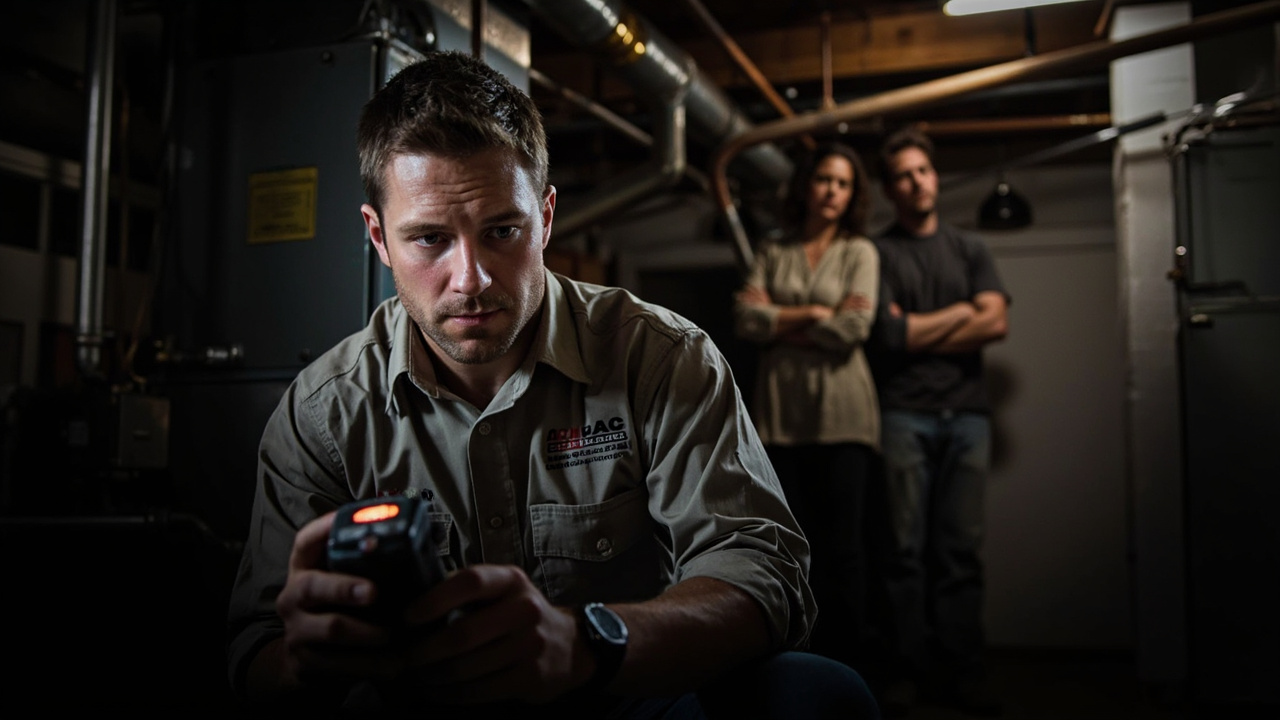
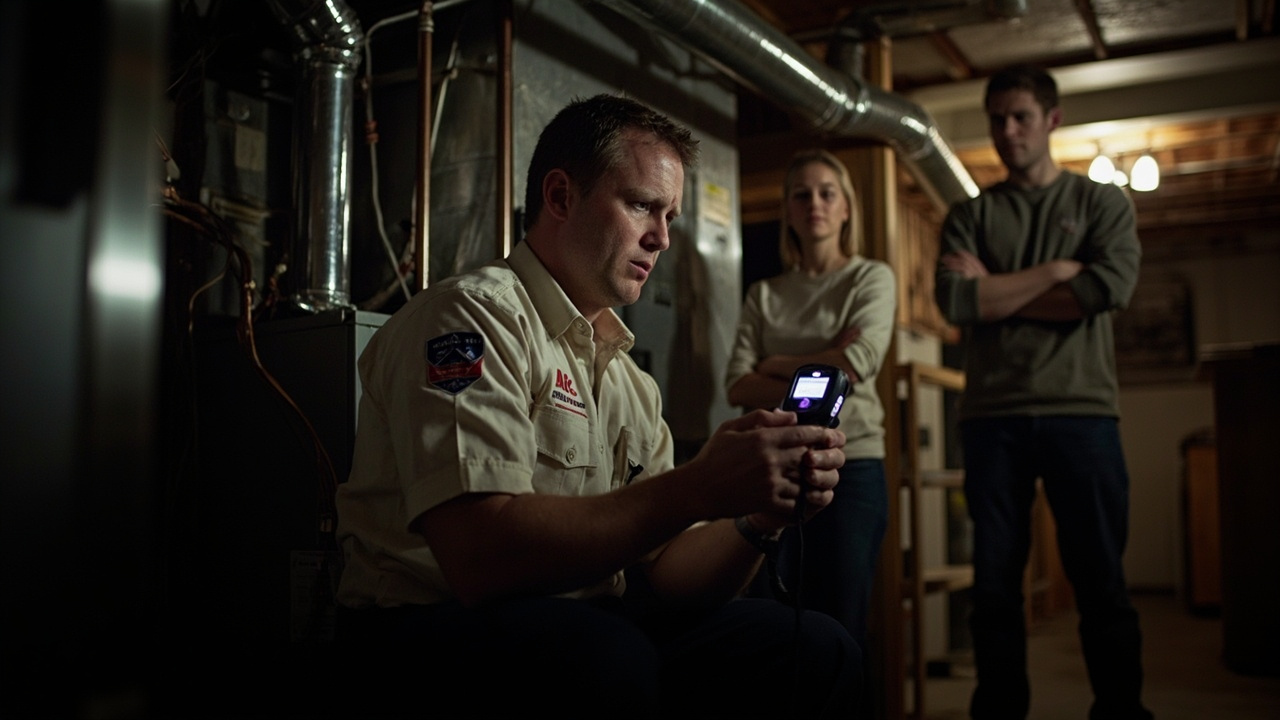
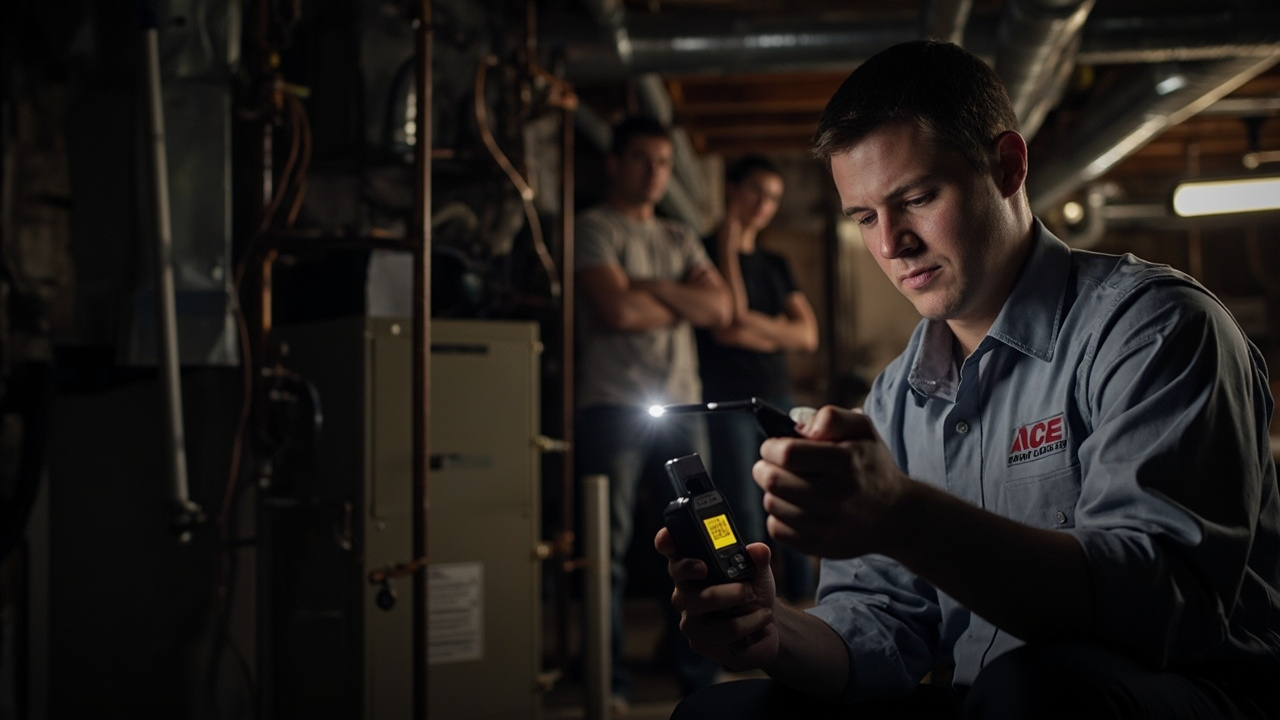
When you call Ace HVAC Cleveland for an emergency carbon monoxide response, we do not guess. We use calibrated multi-gas analyzers that measure CO concentrations in parts per million across your entire home. This is not a consumer-grade plug-in detector. These are the same tools inspectors use in industrial facilities.

Our technicians begin with ambient air testing in each occupied room to establish baseline contamination levels. Next, we isolate every combustion appliance. Furnaces get tested at the supply plenum and along the flue connection. Water heaters get checked at the draft hood and vent collar. Gas ranges, fireplaces, and clothes dryers all get individual flue spillage testing. We measure exhaust gas composition directly at the burner to identify incomplete combustion.

Cracked heat exchangers are the most common culprit in Cleveland. A hairline fracture in the steel allows combustion byproducts to mix with circulating air. You will not see it. You will not smell it. But a combustion analyzer picks it up instantly. We also check for backdrafting, where negative pressure in the home pulls exhaust gases down the flue instead of letting them rise naturally. Tight weatherization, powerful bathroom fans, and blocked fresh air intakes all contribute to backdraft conditions.

Blocked venting is another frequent issue. Birds nest in B-vents during the summer. Snow covers rooftop terminations in January. Soot buildup clogs old masonry chimneys. We inspect the entire venting path from appliance to exterior termination and clear obstructions on the spot.

Once we locate the source, we lock out the appliance, ventilate the home, and explain your repair options. We do not leave until CO levels drop to zero and you understand what failed and why.

What Happens During an Emergency CO Response

Carbon Monoxide Leak Detection in Cleveland – Expert Response Within 60 Minutes
01

Immediate Dispatch and Arrival

You call, we roll. Our dispatcher logs your address and the nature of the alarm. A technician in your area gets the call and responds with full CO detection gear. We arrive within 60 minutes in most Cleveland neighborhoods. If you are evacuated, we meet you outside. If fire crews already responded and cleared the home, we take over to find the source they could not pinpoint. Speed matters because every minute counts.
02

Systematic Gas Testing

We test ambient air in living areas first, then move to mechanical spaces. Each combustion appliance gets isolated and tested under operating conditions. We check draft pressure at flues, measure oxygen and CO levels in exhaust streams, and inspect heat exchangers with a borescope when necessary. This diagnostic phase takes 30 to 90 minutes depending on the size of your home and the number of gas appliances installed.
03

Source Lockout and Ventilation

Once we identify the leaking appliance, we shut it down and tag it out of service. We open windows, run exhaust fans, and use blowers to purge contaminated air. We retest ambient levels every 15 minutes until readings drop to zero. Only then do we discuss repair or replacement options. You get a written report documenting CO levels, the failed component, and our recommended corrective action before we leave.

Why Cleveland Residents Trust Ace HVAC for CO Emergencies

Carbon monoxide detection is not a side skill. It requires specific training, calibrated equipment, and experience reading combustion data. Ace HVAC Cleveland technicians hold certifications in combustion analysis and gas appliance safety. We invest in professional-grade Bacharach and UEi analyzers, not the consumer detectors you buy at the hardware store. When your family's safety is on the line, precision matters.

We have been serving Cleveland for years. We know the housing stock here. We have worked in century-old doubles in Detroit Shoreway where original boilers still run. We have serviced suburban splits in Parma where 1980s furnaces are reaching end of life. We understand how Lake Erie humidity accelerates corrosion in venting systems and how snow loading on roofs blocks termination caps. This is not generic HVAC work. This is Cleveland-specific troubleshooting.

Local building codes also matter. Cleveland requires CO detectors on every level of the home and within 10 feet of sleeping areas. If you are buying or selling a home, compliance is mandatory. We help homeowners navigate those requirements and install hardwired detectors that meet current code. We also work directly with insurance adjusters when CO incidents result in claims. Our documentation is thorough, factual, and accepted by major carriers.

Speed is another differentiator. We staff enough technicians to cover the greater Cleveland metro without long wait times. When you call with a CO alarm, you talk to a person, not a voicemail system. We dispatch immediately, and we do not tack on after-hours fees during genuine emergencies. Your safety is not a premium service. It is the baseline expectation.

What You Can Expect During and After a CO Leak Inspection

Rapid Response and Arrival Time

We dispatch a technician within minutes of your call. Most Cleveland neighborhoods see arrival within 60 minutes. Our trucks carry everything needed for full CO testing and immediate lockout of unsafe appliances. We do not need to schedule a follow-up visit to bring equipment. Everything happens on the first trip. If you called 911 first and fire crews already responded, we coordinate with them and take over the technical investigation once they clear the scene. You will not wait days to get answers.

Comprehensive Appliance and Venting Inspection

Our technician will test every fuel-burning appliance in your home, including furnaces, water heaters, fireplaces, ranges, and dryers. We measure exhaust gas composition, check flue draft, and inspect heat exchangers for cracks or corrosion. We also trace venting paths to ensure proper termination and clearances. If we find a cracked heat exchanger or blocked flue, we document it with photos and sensor readings. You get a written report that explains what failed, why it happened, and what needs to happen next.

Same-Day Safety Restoration

We do not leave your home unsafe. Once we identify the CO source, we lock out the appliance and ventilate the space until ambient levels reach zero. If the repair is straightforward, like replacing a damaged vent connector or clearing a blocked flue, we can often complete it the same day. For more involved repairs, like furnace replacement, we provide temporary heating solutions and prioritize your job. You get a clear action plan, transparent pricing, and a timeline before any work begins.

Post-Repair Testing and Documentation

After repairs, we retest the appliance and surrounding areas to confirm safe operation. We verify proper combustion, adequate draft, and zero spillage into living spaces. You receive documentation showing before and after CO readings, photos of the failed component, and a summary of the corrective action taken. This report is critical for insurance claims, home sales, and your own peace of mind. We also recommend annual combustion safety inspections to catch problems before they become emergencies.

Frequently Asked Questions

You Have Questions,
We Have Answers

How do you know if carbon monoxide is leaking? +

You cannot see, smell, or taste carbon monoxide. Warning signs include physical symptoms like headaches, dizziness, nausea, or confusion in multiple household members. Check for flickering yellow or orange flames on gas appliances instead of steady blue flames. Listen for unusual sounds from your furnace or water heater. In Cleveland homes with older heating systems, soot buildup around appliances signals incomplete combustion. Your carbon monoxide detector is the most reliable indicator. If it sounds, evacuate immediately and call 911. Never ignore physical symptoms or detector alarms. Get out first, investigate later.

How to check for carbon monoxide leak at home? +

Install working carbon monoxide detectors on every floor, especially near bedrooms. Test them monthly. Inspect gas appliances for yellow flames, soot, or rust stains. Check furnace vents and chimneys for blockages, common in Cleveland winters when snow and ice accumulate. Look for condensation on windows, which can indicate poor ventilation. Examine exhaust vents outside for obstructions. Never run generators, grills, or vehicles in garages or enclosed spaces. If you suspect a leak, open windows, evacuate everyone, and call 911 immediately. Professional HVAC technicians use specialized detection equipment to find hidden sources.

Can my cell phone detect carbon monoxide? +

No. Your cell phone cannot detect carbon monoxide. Some apps claim this ability, but they are false and dangerous. Carbon monoxide requires specific electrochemical sensors to detect. Relying on your phone puts your family at risk. Cleveland homes need dedicated carbon monoxide detectors with UL certification. These battery-operated or hardwired units cost less than $50 and save lives. Place detectors on every level of your home, particularly near sleeping areas and fuel-burning appliances. Replace detectors every five to seven years. Your phone is useful for calling 911 after evacuation, not detection.

Can you stay in a house with a carbon monoxide leak? +

Absolutely not. Evacuate immediately if you suspect carbon monoxide. Even low levels cause headaches, dizziness, and nausea. Prolonged exposure leads to unconsciousness and death. Carbon monoxide displaces oxygen in your blood. You cannot tough it out or wait for a technician while inside. Cleveland winters create additional risk when homes are sealed tight for heating efficiency. Open windows before leaving if possible, but do not delay evacuation. Call 911 from outside. Do not re-enter until emergency responders clear the home. Carbon monoxide poisoning causes permanent brain damage or death. Get out now.

What are two warning signs of carbon monoxide? +

Unexplained flu-like symptoms in multiple people are a primary warning sign. Headaches, dizziness, weakness, nausea, and confusion that improve when you leave the house indicate carbon monoxide poisoning. A second warning is physical evidence from appliances. Yellow or orange flames instead of blue, soot buildup, excessive condensation, or pilot lights that frequently go out signal incomplete combustion. In Cleveland homes with aging furnaces and water heaters, these signs often appear during heating season. Your carbon monoxide detector alarm is the third critical warning. Never ignore it. Evacuate immediately and call emergency services.

Can a small gas leak make you feel sick? +

Yes. Even small natural gas leaks cause headaches, fatigue, nausea, dizziness, and respiratory irritation. Natural gas contains mercaptan, which smells like rotten eggs, but exposure dulls your sense of smell over time. Gas leaks displace oxygen and create explosion risks. In Cleveland, freeze-thaw cycles can crack gas lines and fittings. If you smell gas or experience unexplained symptoms, evacuate immediately. Do not use light switches, phones, or appliances inside. Call your gas utility and 911 from outside. Small leaks become big emergencies fast. Professional detection and repair are mandatory.

How quickly will you know if you have carbon monoxide poisoning? +

Symptoms appear within minutes to hours depending on concentration levels. High concentrations cause symptoms within minutes. Headache and dizziness come first, followed by nausea, confusion, and loss of consciousness. Lower concentrations take longer but are equally dangerous. Cleveland homes with blocked flues or malfunctioning furnaces can accumulate carbon monoxide overnight while you sleep, the most dangerous scenario. You may not recognize symptoms before losing consciousness. This is why working detectors on every floor are critical. If you suspect exposure, get outside immediately and seek medical attention. Blood tests confirm carbon monoxide poisoning.

How do I use my iPhone to detect carbon monoxide? +

You cannot use your iPhone to detect carbon monoxide. iPhones lack the electrochemical sensors required for detection. Apps claiming this capability are scams that endanger lives. Purchase UL-listed carbon monoxide detectors instead. These devices cost $30 to $50 and provide reliable protection. Install them on every floor of your Cleveland home, especially near bedrooms and fuel-burning appliances. Your iPhone is valuable for calling 911 after you evacuate, not for detection. Smart home carbon monoxide detectors can send alerts to your phone, but the detector itself does the sensing, not your device.

Can I test for carbon monoxide myself? +

You can install and maintain carbon monoxide detectors yourself, but you cannot test for leaks without professional equipment. Battery-operated detectors are simple to install. Test them monthly by pressing the test button. Replace batteries annually and units every five to seven years. Professional HVAC technicians use calibrated analyzers to measure carbon monoxide levels and locate sources. Cleveland homeowners should schedule annual furnace inspections before winter. Technicians check combustion efficiency, venting systems, and heat exchangers. DIY maintenance includes keeping vents clear and watching for warning signs, but leak detection requires professional tools and expertise.

What is the easiest way to detect carbon monoxide? +

Install working carbon monoxide detectors on every level of your home. This is the easiest and most reliable detection method. Place detectors within 10 feet of bedrooms and near fuel-burning appliances like furnaces, water heaters, and fireplaces. Choose plug-in models with battery backup or replace batteries in standalone units annually. Test detectors monthly. In Cleveland, schedule annual HVAC inspections before heating season. Technicians use electronic analyzers to detect carbon monoxide before it becomes dangerous. Detectors are inexpensive, easy to install, and proven lifesavers. They provide 24/7 protection when you cannot see, smell, or taste this deadly gas.

How Cleveland's Aging Housing Stock Increases Carbon Monoxide Risk

Cleveland has one of the oldest housing stocks in the Midwest. Thousands of homes in neighborhoods like Slavic Village, Glenville, and Collinwood were built before 1950, and many still have original heating systems or patchwork upgrades done decades ago. Cast iron boilers, atmospheric gas furnaces, and unlined masonry chimneys are common. These systems were not designed to current safety standards. Heat exchangers crack after 40 years of freeze-thaw stress. Flue liners deteriorate from condensation and acidic exhaust. Emergency carbon monoxide testing becomes critical when older equipment starts to fail, especially during the first cold snap of the season when systems fire up after months of inactivity.

Cleveland enforces strict CO detector requirements under local building codes, and inspectors check compliance during home sales and rental property certifications. But detectors only alert you to a problem. They do not fix it. That is where professional CO gas detection service matters. Ace HVAC Cleveland understands the local housing landscape and the unique challenges of maintaining combustion safety in older homes. We work with landlords, property managers, and homeowners across Cuyahoga County to keep heating systems safe and compliant. Our technicians know what inspectors look for and how to address deficiencies before they become code violations or worse, health emergencies.

HVAC Services in The Cleveland Area

We are proud to serve the entire Cleveland area, and our service network extends to all surrounding communities. Our centrally located office allows us to dispatch our expert technicians quickly and efficiently to your home or business, ensuring fast response times for all your heating and cooling needs. We invite you to view our service area on the map to see if we can bring our trusted services right to your doorstep. Don't hesitate to reach out to us today to confirm if your location is within our coverage zone.

Address:
Ace HVAC Cleveland, 3095 W 25th St, Cleveland, OH, 44113

Additional Services We Offer

Our news updates

Latest Articles & News from The Blogs

How to stop indoor pool humidity from damaging your Bentleyville home If you own a luxury home with an indoor…

How to stop indoor pool humidity from damaging your Bentleyville home

How to stop indoor pool humidity from damaging your Bentleyville home If you own a luxury home with an indoor…

The best ways to heat a detached garage workshop in Middleburg Heights

The best ways to heat a detached garage workshop in Middleburg Heights Heating a detached garage workshop in Middleburg Heights…

Upgrading your PTAC wall unit in a Gold Coast condo for better efficiency

Upgrading your PTAC wall unit in a Gold Coast condo for better efficiency Living in a Gold Coast condo means…

Contact Us

If your carbon monoxide alarm is sounding or you suspect a gas leak, do not wait. Get out of the home and call Ace HVAC Cleveland at (216) 530-9077. We will dispatch a certified technician immediately to test your air, locate the source, and restore safety. Your family's health cannot wait.