


Lakewood sits less than a mile from Lake Erie, which means your HVAC system fights battles most Ohio cities never face. Lake effect snow dumps heavy moisture loads that stress furnaces and heat pumps from November through March. Summer humidity from the lake forces air conditioners to work overtime removing moisture, not just cooling air. Your system cycles more frequently than units inland, wearing components faster.
The constant freeze-thaw cycles in Edgewater, Birdtown, and Detroit Shoreway neighborhoods create condensation issues that rust out heat exchangers and corrode electrical connections. Homes near Lakewood Park face salt-laden lake winds that accelerate outdoor unit corrosion. The older housing stock in Gold Coast and Warren Road areas often features outdated ductwork that leaks conditioned air into uninsulated attics and crawl spaces.
Lakewood's tree-canopied streets in neighborhoods like Belle Avenue mean falling leaves and helicopter seeds clog outdoor coils every spring and fall. The city's strict noise ordinances require careful equipment selection to keep neighbors happy. We understand these challenges because we service them every day across Lakewood's 5.6 square miles.
We've built our reputation on one simple principle: answer the phone and show up fast. While other companies send you to voicemail or schedule you three days out, we dispatch technicians within 60 minutes for emergencies. Our trucks stay stocked with parts for every major brand, so we complete most repairs on the first visit without return trips.
Lakewood homeowners choose us because we explain problems in plain language and show you the failed part before replacing it. No upselling to new systems when a $200 repair solves the problem. We've diagnosed thousands of furnaces and air conditioners in Lakewood's century-old homes, so we know the quirks of gravity furnaces, boiler systems, and outdated ductwork that newer technicians miss.
Our technicians live in Cleveland, not some distant suburb. We drive the same potholed streets you do and understand the urgency when your heat fails during a lake effect snowstorm. Every truck carries diagnostic tools that pinpoint problems in minutes, not hours. We test airflow, check refrigerant levels, measure voltage, and inspect every connection to find the real cause, not just the obvious symptom.
We don't charge extra for evenings, weekends, or holidays. The price we quote over the phone is the price you pay, with no hidden trip charges or diagnostic fees if you approve the repair. Lakewood families deserve honest service without price games.

Real humans answer our phone at 3 AM, not an answering service that takes messages. We dispatch immediately for no-heat and no-cool emergencies, with most technicians arriving within 60 minutes across Lakewood. Fully stocked trucks mean we fix problems tonight, not next week.

We quote the exact repair cost before starting work. No surprises, no hourly rates that climb while technicians work slowly, no hidden fees. Same price for service calls at 2 PM or 2 AM. You approve the price or we leave without charging a penny.
Our trucks carry parts for every major HVAC brand, from Carrier to Lennox to Trane. We stock motors, capacitors, contactors, igniters, and circuit boards that fail most often. This means we complete 87% of repairs on the first visit without ordering parts or making return trips.
We service hundreds of Lakewood homes every year and understand challenges specific to lakefront living. Our technicians know how to handle corroded outdoor units, moisture-damaged ductwork, and the undersized systems common in older homes. We've fixed HVAC problems in every Lakewood neighborhood.
Ace HVAC Cleveland handles every heating and cooling challenge Lakewood properties face. We repair and replace furnaces, air conditioners, heat pumps, boilers, and ductless mini-splits across all residential and commercial applications. Our service range covers emergency breakdowns that need immediate attention, planned maintenance that prevents failures, and complete system replacements when repair costs exceed equipment value.
We separate our services into three categories based on urgency and scope. Emergency repairs get you comfortable again within hours. Maintenance services keep systems running efficiently and catch small problems before they become expensive failures. Installation projects replace outdated equipment with modern, energy-efficient systems sized correctly for your space. Each service level uses the same experienced technicians, quality parts, and honest pricing that Lakewood customers expect from us.
When your heating or cooling system fails, we respond immediately with fully equipped service trucks. Our technicians diagnose problems fast using professional-grade testing equipment, then complete repairs on the spot with parts we carry in stock. We fix failed ignitors, bad capacitors, refrigerant leaks, motor failures, frozen coils, and electrical issues the same day you call. Most emergency repairs finish within two hours from arrival.
Regular maintenance stops 85% of HVAC breakdowns before they happen. We clean coils, test electrical connections, measure airflow, check refrigerant levels, lubricate motors, and inspect every component for wear. Our tune-ups catch failing parts while they're still working, so you replace them during a scheduled appointment instead of during a midnight emergency. Annual maintenance extends equipment life by 40% and reduces energy costs by 15%.
When repair costs exceed half the system's value, replacement makes financial sense. We perform Manual J load calculations to size equipment correctly for your home's square footage, insulation, windows, and orientation. Proper sizing prevents short-cycling that wastes energy and reduces comfort. We install high-efficiency furnaces, air conditioners, and heat pumps from trusted brands, complete ductwork modifications, and handle all permits and inspections.
Lakewood's proximity to Lake Erie creates specific HVAC challenges that wear out equipment faster than inland locations. The constant humidity accelerates rust and corrosion on both indoor and outdoor components. Salt air from the lake attacks metal surfaces, especially on units near the shoreline. Freeze-thaw cycles stress heat exchangers and crack condensate lines.
The city's older housing stock brings additional complications. Many Lakewood homes feature undersized ductwork, inadequate insulation, and outdated equipment that struggles to maintain comfort. Homes built before 1950 often have gravity furnaces or converted coal boilers that need special expertise. These common issues affect thousands of Lakewood properties every year.
Indoor coils freeze solid when airflow drops below minimum levels or refrigerant runs low. Dirty filters, closed vents, failing blower motors, and crushed ductwork all restrict airflow enough to cause freezing. Low refrigerant from leaks drops pressure and temperature until moisture freezes on coils. Frozen systems blow warm air and drip water through ceilings.
Heat exchangers crack from metal fatigue after years of heating and cooling cycles. Cracks allow combustion gases including carbon monoxide to mix with breathable air. Furnaces shut down on safety limits when cracks develop. Replacement costs often exceed repair value on older furnaces. Annual inspections catch cracks before they become dangerous.
Systems that turn on and off every few minutes waste energy and fail to remove humidity. Oversized equipment, failing thermostats, refrigerant overcharge, and dirty coils all cause short-cycling. The constant starting and stopping wears out compressors and motors. Rooms never reach comfortable temperatures because systems shut off too soon.
Lake Erie's salt air corrodes fins, coils, and electrical connections on outdoor air conditioner and heat pump units. Rust eats through copper tubing and aluminum fins, causing refrigerant leaks. Corroded electrical terminals create resistance that overheats wires. Properties within a mile of the lake face accelerated corrosion that shortens equipment life significantly.
We answer your call immediately and ask targeted questions to understand your situation. Our dispatcher determines if you need emergency service or can schedule a convenient appointment. For no-heat and no-cool emergencies, we dispatch the closest available technician right away. For non-urgent issues, we schedule within 24 hours at a time that works for you.
Our technician calls 30 minutes before arrival so you're not waiting around all day. They arrive in a clearly marked truck with your service request already loaded in their system. You explain the problem once, not three times to different people. The technician listens carefully, asks clarifying questions, and begins diagnostic work immediately. Here's exactly what happens during your service call.
Our technician explains what they're testing and why before touching your equipment. They show you the failed part and explain how it affects system performance. You receive a written quote with exact pricing before any repair work begins. The technician answers all questions in plain language without technical jargon. If multiple solutions exist, we present options with pros and cons of each approach so you make informed decisions.
Technicians wear shoe covers and use drop cloths to protect your floors and furnishings. They work efficiently without rushing, following manufacturer specifications and building codes. All connections are tested for leaks, electrical work is verified with meters, and airflow is measured to confirm proper operation. The work area is cleaned thoroughly before the technician leaves your property.
Every repair includes a written warranty on parts and labor. The technician tests the system through complete heating or cooling cycles to verify the fix works properly. You receive maintenance recommendations to prevent future problems. If issues arise after the repair, we return promptly at no additional charge. Our office calls within 48 hours to confirm your system is still running correctly.
We've streamlined HVAC service to eliminate confusion and delays. From your first phone call to final system testing, you know exactly what's happening and when. No surprises, no hidden steps, no waiting for callbacks.
Call (216) 530-9077 and speak directly with our dispatch team. We gather details about your HVAC problem and confirm your Lakewood location. For emergencies, we send the nearest available technician immediately. For scheduled service, we book an appointment within 24 hours. You receive the technician's name and a 30-minute courtesy call before arrival.
The technician arrives with professional testing equipment and fully stocked parts inventory. They diagnose the problem using systematic testing procedures, then explain findings and show you the failed component. You receive upfront pricing before work begins. Most repairs finish within two hours using parts carried on the truck. Complex issues requiring special-order parts get temporary solutions to restore comfort while parts arrive.
After completing repairs, the technician runs your system through full heating or cooling cycles to verify proper operation. They check temperatures, measure airflow, and test safety controls. You receive written documentation of work performed and warranty coverage. The technician explains maintenance steps to keep your system running efficiently. Our office follows up within two days to confirm continued operation.
HVAC work in Lakewood falls under Ohio building codes, EPA regulations, and local permitting requirements. The Ohio Mechanical Code mandates specific installation standards for ductwork, venting, and equipment placement. All refrigerant handling requires EPA Section 608 certification, which our technicians maintain through continuing education. Lakewood's building department requires permits for system replacements and significant modifications, though repairs typically don't need permits.
Equipment installed today must meet minimum SEER ratings established by the Department of Energy. As of 2023, air conditioners must achieve at least 14 SEER in northern states, while furnaces need 80% AFUE minimum. High-efficiency models reaching 16 SEER or 95% AFUE cost more upfront but deliver substantial energy savings over their 15-20 year lifespan. We calculate payback periods based on your actual energy costs and usage patterns.
Load calculations following ACCA Manual J standards ensure proper equipment sizing. Undersized systems run constantly without reaching desired temperatures. Oversized systems short-cycle, wasting energy and failing to remove humidity. We measure your home's square footage, insulation values, window areas, orientation, and infiltration rates to determine exact heating and cooling requirements. Proper sizing typically reduces equipment costs while improving comfort and efficiency.
Ductwork design follows Manual D standards for residential applications. Ducts sized too small create excessive static pressure that reduces airflow and strains blower motors. Poorly sealed connections leak 20-30% of conditioned air into attics and crawl spaces. We test duct leakage with calibrated equipment and seal connections to industry standards. Lakewood's older homes often need ductwork modifications to support modern high-efficiency equipment.
SEER measures air conditioning efficiency, with higher numbers indicating better performance. AFUE rates furnace efficiency as the percentage of fuel converted to heat. HSPF measures heat pump heating efficiency. Lakewood's climate favors high-efficiency equipment because systems run heavily in both summer and winter. The efficiency jump from 14 SEER to 16 SEER typically pays back within 5-7 years.
System size drives base equipment cost, measured in tonnage for cooling and BTU input for heating. Installation complexity adds labor costs, especially for challenging access or ductwork modifications. Efficiency level affects equipment pricing, with high-efficiency models costing 20-40% more than standard units. Brand selection impacts both purchase price and long-term reliability. Complete replacements include equipment, labor, permits, disposal, and startup.
Emergency repairs typically finish within 2-3 hours if parts are in stock. Special-order parts arrive within 2-5 business days depending on manufacturer location. Complete system replacements take 1-2 days for straightforward installations and 3-4 days when ductwork modifications are needed. We schedule installation to minimize disruption and provide temporary heating or cooling if weather demands it.
Ohio requires HVAC contractors to carry general liability insurance and workers compensation coverage. Technicians handling refrigerant must hold EPA 608 certification in appropriate categories. Electrical work requires licensed electricians for line voltage connections. We maintain all required licensing, insurance, and certifications. Our technicians complete continuing education annually to stay current with code changes and new technologies.
Expert explanation of HVAC challenges specific to Lakewood, Ohio homes due to Lake Erie proximity. Covers common system failures including frozen coils, cracked heat exchangers, and corrosion from lake humidity and salt air. Demonstrates diagnostic procedures and repair solutions for furnace and air conditioning problems in lakefront properties. Includes information on preventive maintenance, emergency repair response, and equipment selection for high-humidity environments.
Ace HVAC Cleveland services all Lakewood neighborhoods from the lakefront properties along Edgewater and Clifton Beach to the historic homes in Birdtown and Detroit Shoreway. We respond quickly to calls from the Gold Coast area between Belle Avenue and Warren Road, where century-old homes feature unique HVAC challenges including gravity furnaces and limited duct space. The tree-lined streets of Madison Park and Riverside neighborhoods require special attention during fall when leaves clog outdoor units.
Properties near Lakewood Park face accelerated corrosion from lake winds carrying salt spray. We've installed countless replacement systems for homeowners within a quarter mile of the shoreline who experience equipment failure years earlier than inland properties. The apartment buildings and multi-family homes in Downtown Lakewood present different challenges, often requiring commercial-grade equipment and zoned comfort control.
West Lakewood residents between Bunts Road and the Rocky River border call us for service on newer construction with modern HVAC systems, though even recent installations need maintenance and occasional repairs. We service commercial properties along Detroit Avenue's business corridor, from small retail shops to larger office buildings requiring rooftop package units. Our service area extends beyond Lakewood city limits to nearby Rocky River, Fairview Park, and Cleveland's West Side neighborhoods.
We maintain fast response times across all areas because our technicians start their day from locations throughout greater Cleveland. Whether you live in a lakefront apartment, a Victorian home in Birdtown, or a ranch house in West Lakewood, we understand your property's specific challenges. Our service history includes thousands of Lakewood addresses, giving us intimate knowledge of the housing stock, common equipment types, and recurring issues across different neighborhoods. Call (216) 530-9077 and we'll dispatch to your location immediately.
The $5000 rule is a quick formula to help you decide between repair and replacement. Multiply the age of your system by the repair cost. If the total exceeds $5000, replacement makes more financial sense. For example, a 12-year-old furnace needing a $500 repair equals $6000, so replace it. Lakewood homes face humid summers and cold winters, which stress aging equipment. This rule helps you avoid throwing money at a dying system. Consider efficiency gains and energy savings when making your call.
HVAC jobs in Lakewood vary widely based on scope. A simple repair like replacing a capacitor runs a few hundred dollars. Full system replacements range from several thousand to over ten thousand, depending on home size, equipment brand, and ductwork condition. Lakewood's older housing stock sometimes requires ductwork upgrades or electrical panel work, adding to costs. Get multiple quotes and ask for breakdowns. Beware of companies pushing financing without explaining what you actually need. Costs depend on your specific situation.
An average residential HVAC system costs between several thousand and twelve thousand dollars installed. Variables include brand, SEER rating, home size, and ductwork condition. Higher efficiency units cost more upfront but save money on utility bills over time. Lakewood's mix of older homes and newer construction means your needs differ. A 1920s bungalow may need duct retrofitting, while a newer ranch might only need equipment. Factor in installation complexity, permits, and any required electrical upgrades when budgeting.
The $5000 rule is a quick formula to help you decide between repair and replacement. Multiply the age of your system by the repair cost. If the total exceeds $5000, replacement makes more financial sense. For example, a 12-year-old furnace needing a $500 repair equals $6000, so replace it. Lakewood homes face humid summers and cold winters, which stress aging equipment. This rule helps you avoid throwing money at a dying system. Consider efficiency gains and energy savings when making your call.
HVAC jobs in Lakewood vary widely based on scope. A simple repair like replacing a capacitor runs a few hundred dollars. Full system replacements range from several thousand to over ten thousand, depending on home size, equipment brand, and ductwork condition. Lakewood's older housing stock sometimes requires ductwork upgrades or electrical panel work, adding to costs. Get multiple quotes and ask for breakdowns. Beware of companies pushing financing without explaining what you actually need. Costs depend on your specific situation.
An average residential HVAC system costs between several thousand and twelve thousand dollars installed. Variables include brand, SEER rating, home size, and ductwork condition. Higher efficiency units cost more upfront but save money on utility bills over time. Lakewood's mix of older homes and newer construction means your needs differ. A 1920s bungalow may need duct retrofitting, while a newer ranch might only need equipment. Factor in installation complexity, permits, and any required electrical upgrades when budgeting.
Replacing HVAC in a 2000 square foot Lakewood home typically runs between seven and twelve thousand dollars. Variables include existing ductwork quality, insulation levels, and equipment efficiency. Homes in older Lakewood neighborhoods may need zoning adjustments or duct sealing to handle Lake Erie humidity. A 2000 square foot home generally requires a 3 to 4-ton unit. Factor in removal of old equipment, permits, and any electrical panel upgrades. Get site-specific quotes, not ballpark estimates, before committing.
High-efficiency HVAC systems may qualify for federal tax credits in 2025 under the Inflation Reduction Act. Systems meeting specific SEER2 and HSPF2 ratings can earn credits up to a set limit. Ohio residents in Lakewood may also access state energy rebates. Always verify current IRS guidelines, as thresholds change. Keep receipts, manufacturer certifications, and contractor documentation. Consult a tax professional to confirm eligibility. Energy Star certified equipment typically qualifies. Credits reduce your tax bill directly, not just your taxable income.
The average HVAC system lasts 15 to 20 years with proper maintenance. Furnaces often outlast air conditioners because they work fewer months per year. Lakewood's humid summers stress cooling equipment, while freezing winters test heating systems. Poor maintenance, dirty filters, and deferred repairs shorten lifespan. Annual tune-ups, clean coils, and prompt repairs extend equipment life. If your system approaches 15 years and needs frequent fixes, start budgeting for replacement. Age alone does not dictate replacement, but efficiency drops over time.
The 3-minute rule prevents compressor damage after your AC shuts off. When your system cycles off, refrigerant pressure needs time to equalize. Restarting too soon forces the compressor to work against high pressure, causing wear and potential failure. Quality thermostats have built-in delay timers. If you manually shut off your system, wait at least 3 minutes before restarting. Lakewood's humid climate means your AC runs frequently. Short cycling breaks this rule and signals bigger issues like refrigerant leaks or oversized equipment.
Standard homeowners insurance rarely covers routine HVAC repair or maintenance. Policies typically exclude mechanical breakdown from normal wear. Some insurers offer optional equipment breakdown endorsements that cover sudden failures. Damage from covered perils like fire, lightning, or vandalism may qualify for reimbursement. Lakewood homeowners should review their policy terms. If a tree falls on your condenser during a storm, that might be covered. Regular maintenance failures are your responsibility. Home warranty companies offer separate coverage, but read the fine print carefully.
The most common HVAC repairs include thermostat malfunctions, dirty filters, refrigerant leaks, faulty capacitors, and ignition failures. Lakewood's humidity causes drain line clogs and mold growth on coils. Furnace ignitors fail after repeated cycles. Blower motors wear out from constant use. Contactors and relays stick or burn out. Many issues stem from skipped maintenance. Clogged filters restrict airflow, forcing components to work harder. Annual tune-ups catch small problems before they become expensive failures. Most emergency calls result from deferred maintenance, not bad luck.
The best months to buy HVAC equipment are late fall and early spring when demand drops. Contractors have more availability and may offer off-season discounts. Avoid summer and winter when emergency replacements drive prices up. Lakewood residents should plan replacements before heating or cooling seasons hit. October through November and March through April offer the best value. Do not wait until your system fails during a heatwave or cold snap. You lose negotiating power in an emergency. Plan ahead, compare quotes, and schedule during shoulder seasons.
Replacing HVAC in a 2000 square foot Lakewood home typically runs between seven and twelve thousand dollars. Variables include existing ductwork quality, insulation levels, and equipment efficiency. Homes in older Lakewood neighborhoods may need zoning adjustments or duct sealing to handle Lake Erie humidity. A 2000 square foot home generally requires a 3 to 4-ton unit. Factor in removal of old equipment, permits, and any electrical panel upgrades. Get site-specific quotes, not ballpark estimates, before committing.
High-efficiency HVAC systems may qualify for federal tax credits in 2025 under the Inflation Reduction Act. Systems meeting specific SEER2 and HSPF2 ratings can earn credits up to a set limit. Ohio residents in Lakewood may also access state energy rebates. Always verify current IRS guidelines, as thresholds change. Keep receipts, manufacturer certifications, and contractor documentation. Consult a tax professional to confirm eligibility. Energy Star certified equipment typically qualifies. Credits reduce your tax bill directly, not just your taxable income.
The average HVAC system lasts 15 to 20 years with proper maintenance. Furnaces often outlast air conditioners because they work fewer months per year. Lakewood's humid summers stress cooling equipment, while freezing winters test heating systems. Poor maintenance, dirty filters, and deferred repairs shorten lifespan. Annual tune-ups, clean coils, and prompt repairs extend equipment life. If your system approaches 15 years and needs frequent fixes, start budgeting for replacement. Age alone does not dictate replacement, but efficiency drops over time.
The 3-minute rule prevents compressor damage after your AC shuts off. When your system cycles off, refrigerant pressure needs time to equalize. Restarting too soon forces the compressor to work against high pressure, causing wear and potential failure. Quality thermostats have built-in delay timers. If you manually shut off your system, wait at least 3 minutes before restarting. Lakewood's humid climate means your AC runs frequently. Short cycling breaks this rule and signals bigger issues like refrigerant leaks or oversized equipment.
Standard homeowners insurance rarely covers routine HVAC repair or maintenance. Policies typically exclude mechanical breakdown from normal wear. Some insurers offer optional equipment breakdown endorsements that cover sudden failures. Damage from covered perils like fire, lightning, or vandalism may qualify for reimbursement. Lakewood homeowners should review their policy terms. If a tree falls on your condenser during a storm, that might be covered. Regular maintenance failures are your responsibility. Home warranty companies offer separate coverage, but read the fine print carefully.
The most common HVAC repairs include thermostat malfunctions, dirty filters, refrigerant leaks, faulty capacitors, and ignition failures. Lakewood's humidity causes drain line clogs and mold growth on coils. Furnace ignitors fail after repeated cycles. Blower motors wear out from constant use. Contactors and relays stick or burn out. Many issues stem from skipped maintenance. Clogged filters restrict airflow, forcing components to work harder. Annual tune-ups catch small problems before they become expensive failures. Most emergency calls result from deferred maintenance, not bad luck.
The best months to buy HVAC equipment are late fall and early spring when demand drops. Contractors have more availability and may offer off-season discounts. Avoid summer and winter when emergency replacements drive prices up. Lakewood residents should plan replacements before heating or cooling seasons hit. October through November and March through April offer the best value. Do not wait until your system fails during a heatwave or cold snap. You lose negotiating power in an emergency. Plan ahead, compare quotes, and schedule during shoulder seasons.
We are proud to serve the entire Cleveland area, and our service network extends to all surrounding communities. Our centrally located office allows us to dispatch our expert technicians quickly and efficiently to your home or business, ensuring fast response times for all your heating and cooling needs. We invite you to view our service area on the map to see if we can bring our trusted services right to your doorstep. Don't hesitate to reach out to us today to confirm if your location is within our coverage zone.
Address:
Lakewood, OH, 44107
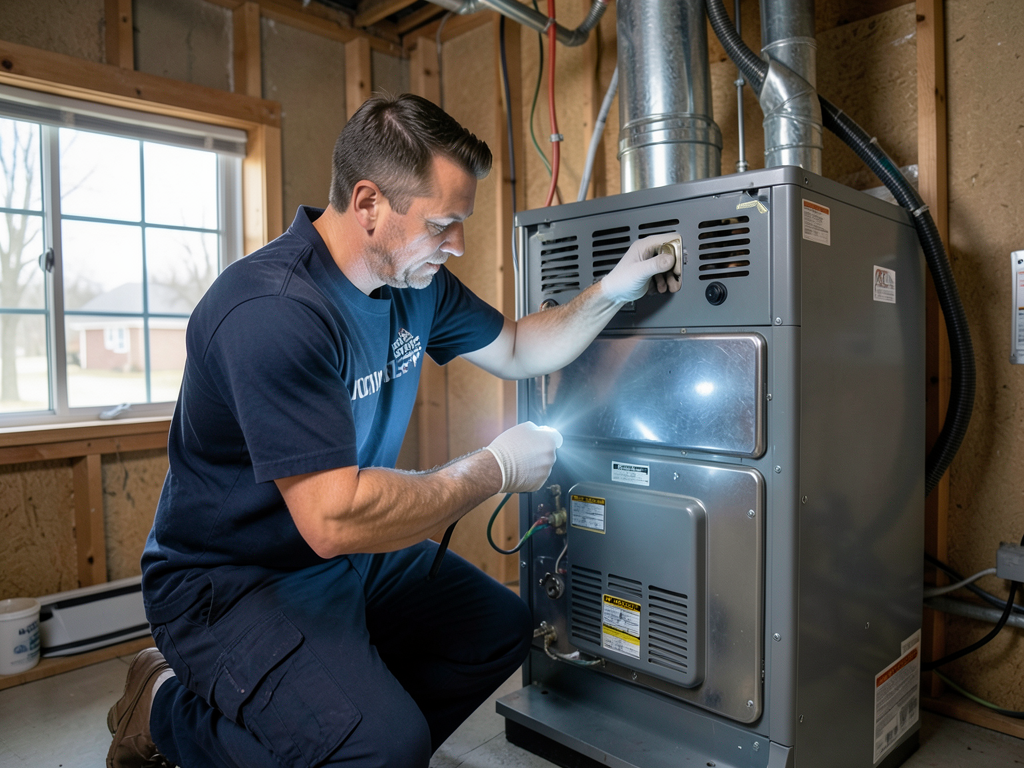
What to look for in an HVAC system when touring homes in Lee-Harvard Buying a home in Lee-Harvard means preparing for Cleveland’s brutal winters and humid summers. The HVAC system determines whether you’ll stay comfortable…
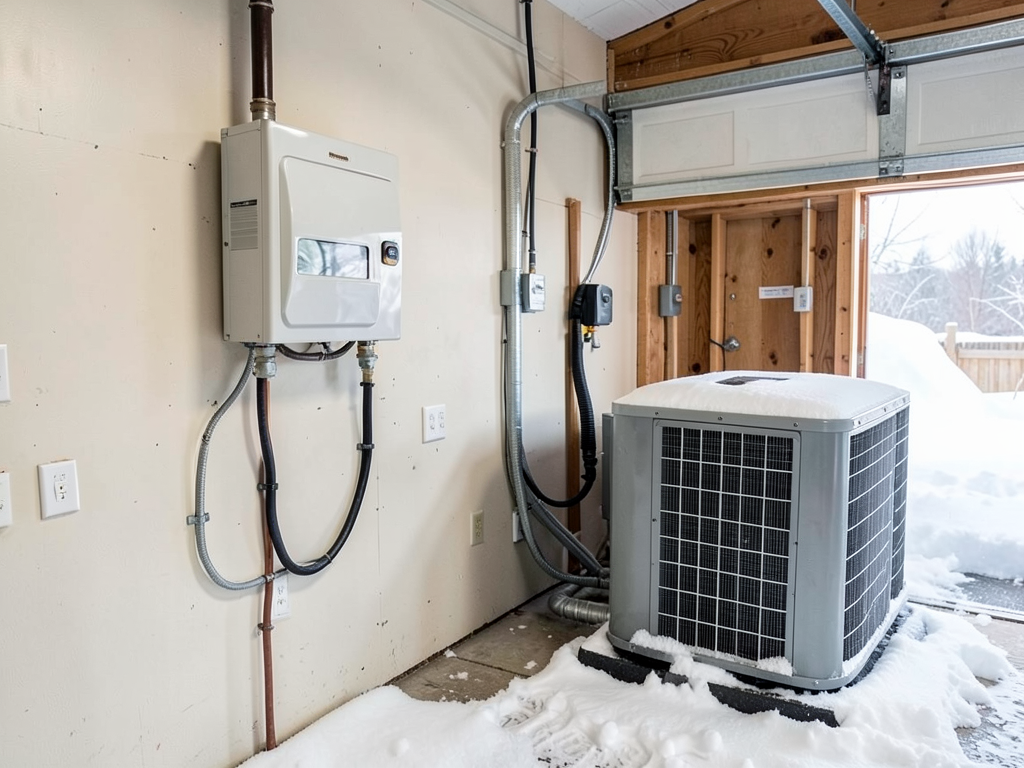
Managing sawdust and air quality in your Puritas-Longmead home workshop Woodworkers in Puritas-Longmead face unique…

Why your HVAC secondary drain pan is filling with water and how to stop a…
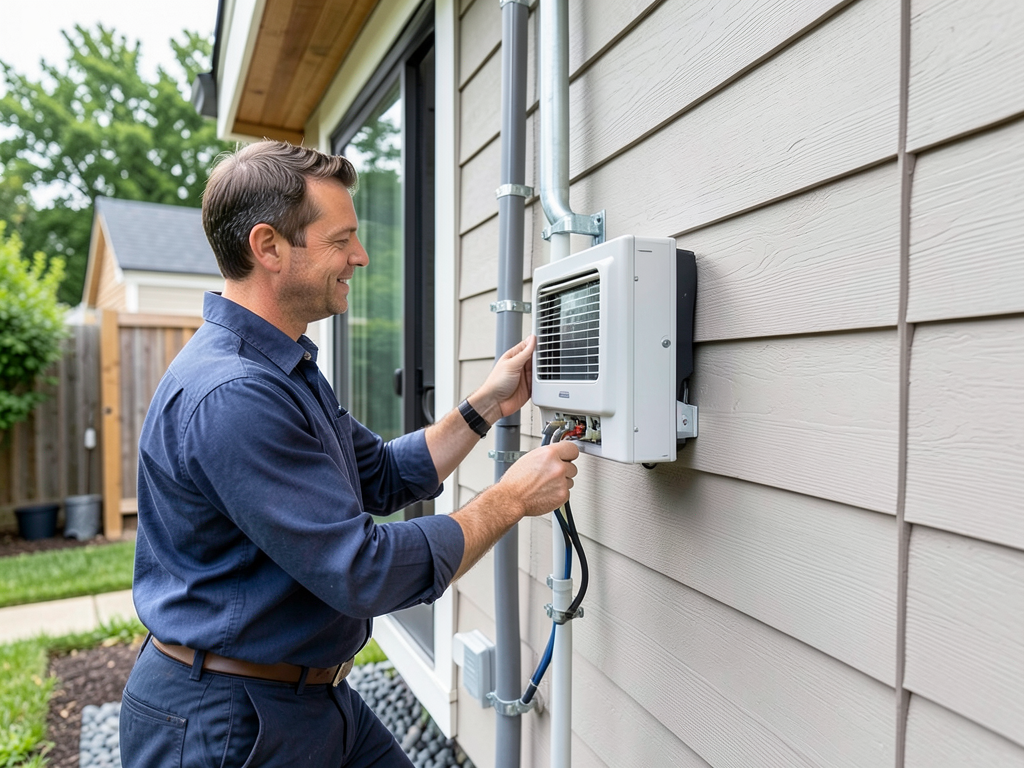
Heating and cooling a backyard tiny home in Clark-Fulton requires careful planning to handle Cleveland's…
Your comfort can't wait. Call (216) 530-9077 now for immediate dispatch. We answer 24/7 with real humans, not voicemail. Most repairs finish the same day with upfront pricing and no hidden fees.