
Navigating historical society rules for exterior HVAC units in Gates Mills
Installing an exterior HVAC unit in Gates Mills requires careful planning to meet both comfort needs and strict historic preservation standards. The village’s architectural guidelines protect its character while allowing modern climate control through specific approval processes and design requirements.
Understanding Gates Mills historic district requirements
Gates Mills falls under the Cleveland Landmarks Commission jurisdiction for exterior modifications. Any visible HVAC equipment must receive a Certificate of Appropriateness before installation. The commission evaluates proposals based on the Secretary of the Interior’s Standards for Rehabilitation focusing on maintaining the property’s historic character. Secretary of the Interior’s Standards for Rehabilitation.
The approval process typically takes 30-60 days from application submission. You’ll need detailed drawings showing equipment placement screening plans and how the installation preserves the home’s original appearance. The commission particularly scrutinizes units visible from public streets or neighboring properties.
Approved HVAC system types for historic homes
Several system configurations work well within Gates Mills guidelines. High-velocity HVAC systems like Unico or SpacePak use small ducts that fit within existing wall cavities without major demolition. These systems eliminate the need for large visible ductwork that could damage historic plaster or millwork. How Much Does a New Central Air System Cost in Northeast Ohio?.
Ductless mini-split systems offer another compliant option. Floor-mounted indoor units provide heating and cooling without extensive renovation. The outdoor condenser can be placed on the least visible side of the house and screened with materials matching the home’s exterior.. Read more about The Real Cost of Moving Your Outdoor Condenser for a New Deck in Sagamore Hills.
For properties with existing ductwork modern high-efficiency furnaces and air conditioners can often be installed with minimal exterior impact. The key is selecting equipment that maintains the home’s architectural integrity while meeting current energy standards. Replacing an Old Furnace in a Historic Shaker Heights Home.
Navigating the Certificate of Appropriateness process
The Cleveland Landmarks Commission requires specific documentation for HVAC approval. You must submit photos of the installation area detailed site plans showing equipment placement manufacturer specifications for all units and screening or concealment proposals. Cleveland Landmarks Commission.
Applications go through the Bureau of Building and Housing at 601 Lakeside Avenue. The commission meets monthly to review proposals. During review commissioners evaluate whether the installation would materially alter the building’s historic character or violate setback requirements.. Read more about What to expect during an HVAC upgrade in a historic Hough neighborhood home.
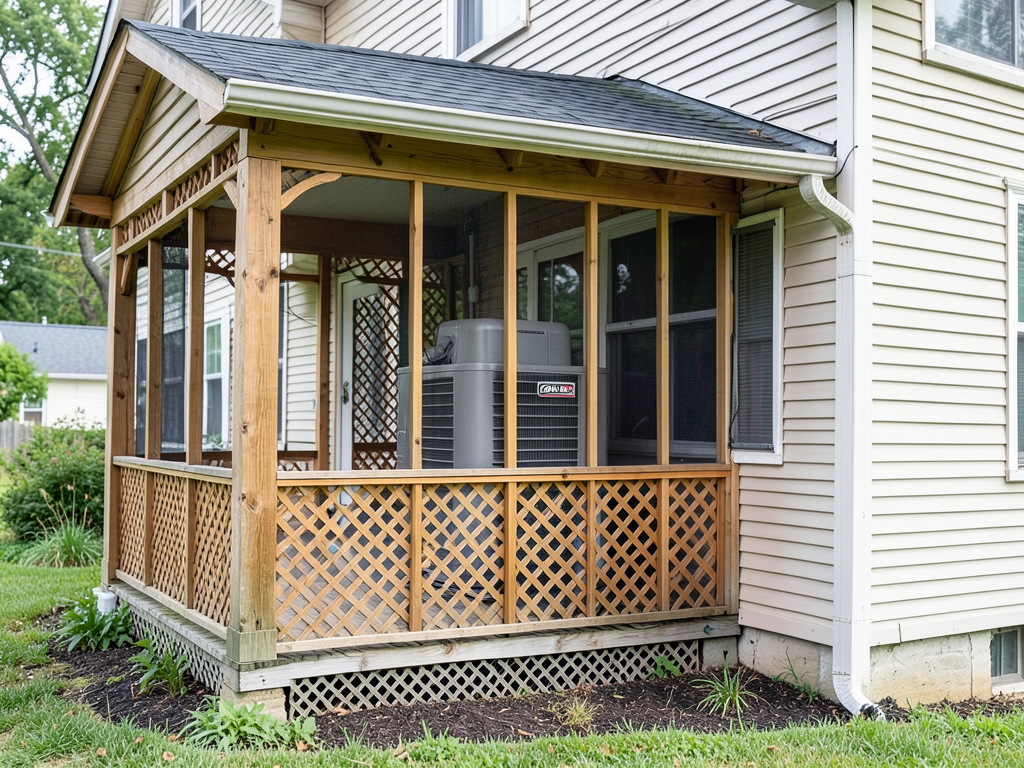
Successful applications typically include screening solutions that blend with the home’s architecture. This might mean wooden lattice panels painted to match trim evergreen plantings or custom enclosures that mimic existing architectural elements.
Placement and screening requirements
Exterior unit placement follows strict guidelines in Gates Mills. Units must sit at least five feet from property lines and cannot extend beyond the front facade line. The commission prefers side or rear yard locations where units remain hidden from street view.
Visual screening must be substantial and permanent. Simple lattice alone rarely suffices. Effective screening includes evergreen hedges at least four feet tall solid fencing matching the home’s exterior materials or recessed alcoves that completely conceal equipment.
Noise considerations also factor into approval. Units must meet local decibel limits particularly for properties near the Chagrin River or in densely wooded areas where sound carries differently than in urban settings. Fast and Local AC Repair Services in Solon and Surrounding Areas.
Energy efficiency and preservation tax credits
Ohio offers historic preservation tax credits for qualifying improvements that maintain a property’s character. Energy-efficient HVAC upgrades may qualify if they meet specific criteria. The Ohio State Historic Preservation Office reviews projects for both preservation compliance and energy performance. Ohio State Historic Preservation Office.
Current programs provide up to 25% tax credit for qualified rehabilitation work. This includes HVAC improvements that preserve historic features while upgrading to high-efficiency equipment meeting current SEER2 standards.
Local utility companies also offer rebates for high-efficiency equipment. These programs often have specific requirements for historic properties recognizing that installation constraints may affect equipment selection.
Common challenges and solutions
Historic homes in Gates Mills often lack space for conventional ductwork. High-velocity systems solve this by using small flexible ducts that run through existing cavities. These systems provide whole-house comfort without the visual impact of traditional forced-air installations.
Another challenge involves electrical service upgrades. Many historic homes have limited electrical capacity. Modern HVAC systems often require dedicated circuits and upgraded service panels. The commission evaluates these upgrades for visual impact and may require flush-mounted panels or concealed conduit.
Foundation constraints affect outdoor unit placement. Gates Mills homes often sit on crawl spaces or have minimal basement depth. This limits underground utility routing options making above-ground concealment more critical for approval.
Working with qualified contractors
Successful historic district HVAC installations require contractors familiar with both modern systems and preservation requirements. Look for professionals who understand Cleveland’s specific codes have experience with historic properties and maintain relationships with the Landmarks Commission.
Qualified contractors should provide detailed proposals showing how installations meet both technical requirements and preservation standards. They should also handle permit applications and coordinate with the commission throughout the approval process.
Experience matters significantly. Contractors familiar with Gates Mills properties understand local soil conditions typical home construction methods and common challenges like clay soil drainage affecting outdoor unit placement.
Maintenance considerations for historic installations
Preservation-compliant HVAC installations require specific maintenance approaches. Access panels must be designed for serviceability while maintaining visual screening. Contractors should provide maintenance plans that protect both the equipment and the home’s historic features. Commercial HVAC Maintenance for Businesses in Downtown Cleveland.
Regular maintenance becomes crucial for systems in historic homes. Small ductwork in high-velocity systems requires specialized cleaning tools. Ductless mini-split filters need more frequent replacement due to older home dust levels. HVAC Maintenance & Tune-Ups.
Seasonal inspections should check for moisture issues common in older homes. Clay soil around Gates Mills can affect foundation moisture levels potentially impacting HVAC equipment in crawl spaces or basements.
Cost factors and budgeting
Historic district HVAC installations typically cost 15-30% more than standard replacements. This reflects specialized equipment custom screening solutions and the extended approval process. High-velocity systems often cost more upfront but save on renovation expenses.
Budget considerations should include permit fees which vary based on project scope. Application fees for Certificates of Appropriateness typically range from $100-$500 with additional fees for complex proposals requiring multiple review cycles.
Factor in potential delays from the approval process. Starting applications early prevents rushed decisions that might compromise either comfort or preservation goals.
Emergency considerations and planning
Emergency HVAC failures in historic homes require special planning. Standard replacement units may not fit preservation guidelines potentially extending downtime during peak seasons. Having a contingency plan helps manage these situations.
Consider portable cooling or heating options for emergency situations. Modern portable units can provide temporary relief while permanent solutions navigate the approval process. Some homeowners maintain relationships with contractors who can expedite emergency approvals.
Regular system monitoring helps prevent emergencies. Older homes often have unique operating characteristics that affect HVAC performance. Understanding these patterns allows for proactive maintenance scheduling.
Future-proofing your installation
Historic district guidelines evolve but core preservation principles remain constant. Design installations with future adaptability in mind. This might mean oversized electrical capacity for potential system upgrades or modular screening that can be modified without complete replacement.
Consider smart thermostat integration during initial installation. Modern controls can improve efficiency without affecting exterior appearance. Wireless systems eliminate the need for additional wiring through historic walls.. Read more about Smart ways to soundproof your mechanical room in a quiet Gates Mills neighborhood.
Document all installations thoroughly. Future owners or contractors need to understand both the technical system and the preservation rationale behind design choices.
Getting started with your project
Begin by consulting with a contractor experienced in historic district work. They should review your property discuss system options and outline the approval process before any work begins. This initial consultation typically costs $100-$300 but saves significant time and money.
Schedule a property assessment to identify specific challenges. Older homes often have hidden issues like asbestos insulation or lead paint that affect installation methods. A thorough assessment prevents costly surprises during the project.
Start the permit process early. The approval timeline means you should begin applications 3-4 months before desired installation dates. This allows time for revisions if the initial proposal needs modification.
Frequently Asked Questions
Can I install a standard HVAC unit in my historic Gates Mills home?
Standard units may be approved if properly screened and placed according to commission guidelines. However high-velocity or ductless systems often provide better preservation compliance while meeting modern comfort needs.
How long does the Certificate of Appropriateness process take?
The process typically requires 30-60 days from application submission to approval. Complex proposals or those requiring revisions may take longer. Starting early prevents delays in your installation timeline.
Are there financial incentives for energy-efficient HVAC in historic homes?
Yes. Ohio offers historic preservation tax credits up to 25% for qualifying improvements. Local utilities also provide rebates for high-efficiency equipment meeting current SEER2 standards.
What happens if I install HVAC without approval?
Unapproved exterior modifications can result in fines mandatory removal of equipment and legal action. The commission may also deny future approvals for other property improvements.
Can I upgrade my system myself to save money?
DIY HVAC installation violates both building codes and preservation guidelines. Professional installation ensures code compliance warranty protection and proper documentation for historic district approval.
Ready to upgrade your historic home’s comfort?
Installing HVAC in a historic Gates Mills home requires expertise in both modern systems and preservation requirements. Don’t risk fines or delays with unqualified contractors.
Call (216) 530-9077 today to schedule your consultation. Our team understands Cleveland Landmarks Commission requirements and can guide your project from initial design through final approval.
Pick up the phone and call (216) 530-9077 before the next heat wave hits. We’ll help you achieve modern comfort while preserving your home’s historic character.
{
“@context”: “https://schema.org”,
“@type”: “BlogPosting”,
“headline”: “Navigating historical society rules for exterior HVAC units in Gates Mills”,
“description”: “Learn how to install exterior HVAC units in Gates Mills historic district while meeting preservation guidelines and avoiding costly mistakes.”,
“wordCount”: 1620,
“datePublished”: “2026-05-19T07:27:00.000Z”,
“dateModified”: “2026-05-19T07:27:00.000Z”,
“inLanguage”: “en-US”,
“mainEntityOfPage”: {
“@type”: “WebPage”,
“@id”: “https://acehvaccleveland.com”
},
“publisher”: {
“@type”: “LocalBusiness”,
“name”: “Ace HVAC Cleveland”,
“url”: “https://acehvaccleveland.com”
},
“author”: {
“@type”: “Organization”,
“name”: “Ace HVAC Cleveland”,
“url”: “https://acehvaccleveland.com”
},
“image”: {
“@type”: “ImageObject”,
“url”: “https://acehvaccleveland.com/wp-content/uploads/2026/03/navigating-historical-society-rules-for-exterior-h-1.png”
}
}
{
“@context”: “https://schema.org”,
“@type”: “HVACBusiness”,
“name”: “Ace HVAC Cleveland”,
“url”: “https://acehvaccleveland.com”,
“address”: {
“@type”: “PostalAddress”,
“addressLocality”: “Cleveland”
},
“areaServed”: {
“@type”: “City”,
“name”: “Cleveland”
}
}
{
“@context”: “https://schema.org”,
“@type”: “FAQPage”,
“mainEntity”: [
{
“@type”: “Question”,
“name”: “Can I install a standard HVAC unit in my historic Gates Mills home?”,
“acceptedAnswer”: {
“@type”: “Answer”,
“text”: “Standard units may be approved if properly screened and placed according to commission guidelines. However high-velocity or ductless systems often provide better preservation compliance while meeting modern comfort needs.”
}
},
{
“@type”: “Question”,
“name”: “How long does the Certificate of Appropriateness process take?”,
“acceptedAnswer”: {
“@type”: “Answer”,
“text”: “The process typically requires 30-60 days from application submission to approval. Complex proposals or those requiring revisions may take longer. Starting early prevents delays in your installation timeline.”
}
},
{
“@type”: “Question”,
“name”: “Are there financial incentives for energy-efficient HVAC in historic homes?”,
“acceptedAnswer”: {
“@type”: “Answer”,
“text”: “Yes. Ohio offers historic preservation tax credits up to 25% for qualifying improvements. Local utilities also provide rebates for high-efficiency equipment meeting current SEER2 standards.”
}
},
{
“@type”: “Question”,
“name”: “What happens if I install HVAC without approval?”,
“acceptedAnswer”: {
“@type”: “Answer”,
“text”: “Unapproved exterior modifications can result in fines mandatory removal of equipment and legal action. The commission may also deny future approvals for other property improvements.”
}
},
{
“@type”: “Question”,
“name”: “Can I upgrade my system myself to save money?”,
“acceptedAnswer”: {
“@type”: “Answer”,
“text”: “DIY HVAC installation violates both building codes and preservation guidelines. Professional installation ensures code compliance warranty protection and proper documentation for historic district approval.”
}
},
{
“@type”: “Question”,
“name”: “Ready to upgrade your historic home’s comfort?”,
“acceptedAnswer”: {
“@type”: “Answer”,
“text”: “Installing HVAC in a historic Gates Mills home requires expertise in both modern systems and preservation requirements. Don’t risk fines or delays with unqualified contractors.”
}
}
]
}
{
“@context”: “https://schema.org”,
“@type”: “BreadcrumbList”,
“itemListElement”: [
{
“@type”: “ListItem”,
“position”: 1,
“name”: “Home”,
“item”: “https://acehvaccleveland.com”
},
{
“@type”: “ListItem”,
“position”: 2,
“name”: “Blog”,
“item”: “https://acehvaccleveland.com/blog”
},
{
“@type”: “ListItem”,
“position”: 3,
“name”: “Navigating historical society rules for exterior HVAC units in Gates Mills”
}
]
}
{
“@context”: “https://schema.org”,
“@type”: “Service”,
“serviceType”: “HVAC”,
“provider”: {
“@type”: “LocalBusiness”,
“name”: “Ace HVAC Cleveland”,
“url”: “https://acehvaccleveland.com”
},
“areaServed”: {
“@type”: “City”,
“name”: “Cleveland”
},
“description”: “Learn how to install exterior HVAC units in Gates Mills historic district while meeting preservation guidelines and avoiding costly mistakes.”
}