
Using thermal imaging to find hidden air leaks in Hunting Valley estates
Hidden air leaks in Hunting Valley estates waste energy and drive up heating bills. Thermal imaging technology detects these invisible leaks by capturing temperature differences across your home’s building envelope. A professional infrared energy audit can identify where conditioned air escapes and where cold drafts enter, helping you save 15-30% on your FirstEnergy or Dominion Energy bills while improving comfort. FirstEnergy Ohio energy efficiency rebates.
What is an infrared thermal energy audit?
An infrared thermal energy audit uses specialized cameras to detect heat patterns in your home. These FLIR cameras capture infrared radiation that shows temperature variations invisible to the naked eye. Warm areas appear in different colors than cold areas, revealing exactly where insulation is missing, air is leaking, or moisture is present.
The process works by creating a temperature map of your home’s exterior surfaces. When your home is under positive or negative pressure during the audit, air movement through leaks becomes visible as cold or hot spots on the thermal camera display. This non-invasive technology can scan entire walls, ceilings, and floors in minutes.. Read more about Why the second floor of your Lakewood Cape Cod is always ten degrees hotter.
Professional auditors combine thermal imaging with blower door testing. A blower door creates controlled air pressure differences to make leaks more detectable. This combination provides the most comprehensive assessment of your home’s energy performance.
During the audit, technicians scan all exterior walls, windows, doors, attic hatches, and electrical outlets. They also check for thermal bridging where framing members create pathways for heat transfer. The result is a detailed report showing exactly where your home is losing energy.. Read more about Why your North Perry windows are covered in condensation every winter morning.
Why Hunting Valley estates need thermal imaging
Hunting Valley’s large estates built between 1920 and 1970 often have significant energy loss due to aging construction methods and materials. These homes typically feature balloon framing, single-pane windows, and minimal insulation compared to modern standards. The Cuyahoga County building code allows for these older construction methods, but they create massive energy inefficiencies.
Lake Erie’s proximity creates unique challenges for Hunting Valley homeowners. Cold northwest winds in winter create pressure differences that force air infiltration through even the smallest gaps. The thermal camera reveals how these winds create cold spots on exterior walls that standard inspections miss.
Many Hunting Valley homes have additions or renovations that weren’t properly integrated with the original structure. Thermal imaging shows where these transitions create air gaps and thermal bridges. You might discover that a 1980s family room addition is responsible for 40% of your home’s heat loss.. Read more about How proper HVAC ventilation helps manage radon levels in Hinckley homes.
The area’s mature tree canopy, while beautiful, can also contribute to energy loss. Large trees near homes create shade patterns that affect surface temperatures. Thermal imaging helps distinguish between normal temperature variations and actual energy loss problems.
Common sources of energy loss we find
Missing or compressed attic insulation is the most frequent finding in Hunting Valley estates. Many homes have R-11 insulation when modern standards call for R-49. Thermal imaging shows exactly where insulation has settled or been removed during renovations.. Read more about What to expect during an HVAC upgrade in a historic Hough neighborhood home.
Window seal failures create invisible energy loss. Double-pane windows lose their insulating gas over time, and thermal cameras detect these failures by showing temperature patterns around window frames. You might discover that 30% of your windows are no longer performing as designed.
Electrical outlets and light fixtures create pathways for air infiltration. A single outlet on an exterior wall can leak as much air as a 6-square-inch hole. Thermal imaging reveals these small but cumulative losses that add up to significant energy waste.
HVAC duct leaks in attics and crawl spaces are another major finding. These leaks can account for 20-30% of your heating and cooling energy. The camera shows exactly where conditioned air is escaping into unconditioned spaces.
Moisture intrusion creates both energy loss and structural damage. Thermal imaging detects moisture patterns before visible signs appear. In Cleveland’s climate, this early detection prevents mold growth and wood rot that can compromise your home’s integrity.
Our Cleveland energy walkthrough process
The audit begins with a comprehensive interview about your comfort issues and energy bills. We review your FirstEnergy or Dominion Energy statements to establish baseline usage patterns. This helps us prioritize the most cost-effective improvements.
Next, we conduct a blower door test to create the pressure differential needed for accurate thermal imaging. This test measures your home’s air leakage rate in cubic feet per minute. Most Hunting Valley estates test between 5-10 air changes per hour, while modern homes target 2-3.
We then perform the thermal scan using a FLIR E96 camera, which captures high-resolution thermal images with temperature accuracy of ±2°F. The scan takes approximately 2-3 hours for a typical estate, covering all exterior surfaces and interior problem areas.
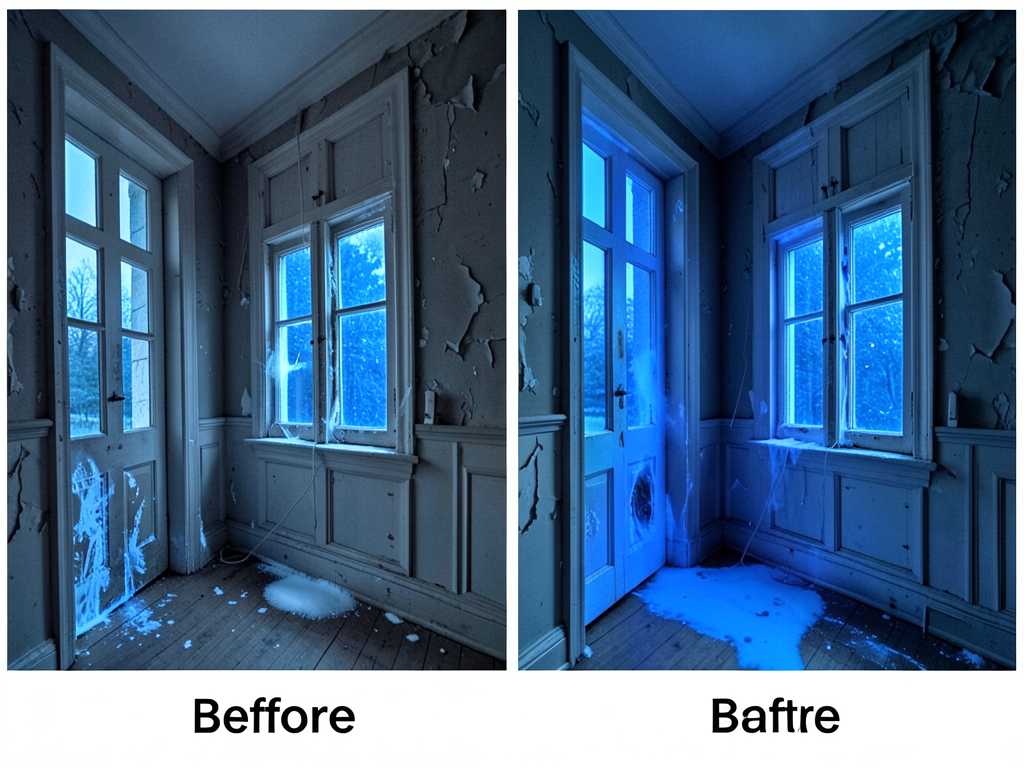
After the scan, we create a detailed thermal report with before-and-after images showing problem areas. The report includes specific recommendations with estimated energy savings for each improvement. We also identify which issues qualify for local utility rebates. Fast and Local AC Repair Services in Solon and Surrounding Areas.
Finally, we provide a prioritized action plan. Some issues like duct sealing can be addressed immediately, while others like insulation upgrades may require contractor bids. We help you understand the ROI for each recommended improvement.
Cost vs. savings analysis for Northeast Ohio
A professional thermal energy audit for a Hunting Valley estate typically costs $400-600. This investment pays for itself within 1-2 heating seasons through energy savings. The average Northeast Ohio homeowner saves $300-500 annually after implementing recommended improvements.
FirstEnergy and The Illuminating Company offer rebates of $100-200 for home energy audits. Dominion Energy Ohio provides similar incentives for customers who complete recommended improvements. These rebates reduce your audit cost by 25-50%.
Common improvements and their typical costs include: attic insulation ($2,000-4,000), duct sealing ($800-1,500), window replacement ($300-800 per window), and air sealing ($500-1,000). The ROI varies by improvement type, with air sealing typically paying back in 1-2 years.
Beyond energy savings, thermal imaging can prevent costly repairs. Early moisture detection can save $5,000-15,000 in structural repairs. Identifying electrical hot spots can prevent fire hazards that could cost tens of thousands in damage.
The comfort improvements often matter more than energy savings. Eliminating drafts, cold spots, and humidity issues creates a more enjoyable living environment. Many clients report their homes feel 5-10 degrees warmer in winter without changing their thermostat settings.
Professional grade vs. consumer thermal cameras
Professional thermal cameras like the FLIR E96 used by certified auditors cost $8,000-12,000 and provide laboratory-grade accuracy. These cameras detect temperature differences as small as 0.04°F and can see through walls to identify studs, wiring, and plumbing.
Consumer thermal cameras like FLIR One or Seek Thermal attach to smartphones and cost $200-400. While useful for basic troubleshooting, these devices lack the resolution and accuracy needed for comprehensive energy audits. They typically have a temperature accuracy of ±5°F.
Professional cameras also include advanced features like MSX technology that overlays thermal and visual images for better context. They have wider temperature ranges, better low-light performance, and more accurate color palettes for identifying specific issues.
The biggest difference is in interpretation. Professional auditors understand building science and can distinguish between normal temperature variations and actual problems. They know how to factor in outdoor temperature, humidity, and sunlight when analyzing thermal images.
Professional audits also include blower door testing and building science expertise that consumer devices cannot provide. The combination of tools and knowledge creates actionable recommendations rather than just pretty pictures.
Energy savings ROI for Northeast Ohio homeowners
Energy savings from thermal imaging improvements typically range from 15-30% of your heating and cooling costs. For a typical Hunting Valley estate spending $3,000 annually on heating, this translates to $450-900 in annual savings.
The payback period varies by improvement type. Air sealing and duct sealing typically pay back in 1-2 years. Insulation upgrades take 2-4 years. Window replacement can take 7-10 years depending on the windows being replaced.
Beyond direct energy savings, improvements increase your home’s value. Energy-efficient homes sell for 3-5% more than comparable properties. The appraisal industry now recognizes energy improvements as value-added features.
Utility rebates and tax incentives can significantly improve ROI. FirstEnergy offers rebates up to $500 for insulation improvements. The federal Energy Efficient Home Improvement Credit provides 30% of costs up to $1,200 for qualifying improvements.
Comfort improvements have their own ROI. Eliminating drafts and cold spots can reduce thermostat settings by 2-3 degrees while maintaining the same comfort level. This translates to additional 5-10% energy savings beyond the initial improvements.
Frequently Asked Questions
How long does a thermal energy audit take?
A complete thermal energy audit for a Hunting Valley estate typically takes 3-4 hours. This includes the blower door test, thermal scanning, and initial consultation. The detailed report is delivered within 2-3 business days.
Can I do thermal imaging myself with a smartphone attachment?
Consumer thermal cameras can detect obvious problems but lack the accuracy and features needed for comprehensive energy audits. Professional cameras detect temperature differences as small as 0.04°F, while consumer devices typically have ±5°F accuracy. Professional interpretation is also crucial for understanding what the images show.
Will thermal imaging find mold or moisture problems?
Yes, thermal imaging can detect moisture patterns before visible signs appear. Moisture shows up as cooler areas on thermal images because evaporation cools surfaces. This early detection can prevent costly structural damage and health issues from mold growth.
Do I need to be home during the audit?
You don’t need to be present for the entire audit, but we recommend being available for the initial interview and final consultation. The scanning process requires access to all areas of your home, so someone should be available to let the technician in.
How often should I get a thermal energy audit?
We recommend an audit every 5-7 years or when you notice comfort issues, rising energy bills, or after major renovations. New construction should be audited within the first year to identify any installation issues while they’re still under warranty.

Ready to stop wasting energy?
Hidden air leaks are costing you money every day. Thermal imaging reveals exactly where your Hunting Valley estate is losing energy and provides a clear path to savings. With utility rebates and typical energy savings of 15-30%, the audit pays for itself within one heating season.
Call (216) 530-9077 today to schedule your professional thermal energy audit. Don’t wait until your next high heating bill arrives. Our certified technicians use professional-grade FLIR cameras and follow Building Performance Institute standards to ensure accurate results.
Pick up the phone and call (216) 530-9077 before the next cold snap hits. Your comfort and wallet will thank you. For more information, visit U.S. Department of Energy home energy audits.
{
“@context”: “https://schema.org”,
“@type”: “BlogPosting”,
“headline”: “Using thermal imaging to find hidden air leaks in Hunting Valley estates”,
“description”: “Discover how thermal imaging detects hidden air leaks in Hunting Valley estates. Learn about infrared energy audits, local utility rebates, and how to cut heating costs by 15-30%.”,
“wordCount”: 1774,
“datePublished”: “2026-05-14T10:02:00.000Z”,
“dateModified”: “2026-05-14T10:02:00.000Z”,
“inLanguage”: “en-US”,
“mainEntityOfPage”: {
“@type”: “WebPage”,
“@id”: “https://acehvaccleveland.com”
},
“publisher”: {
“@type”: “LocalBusiness”,
“name”: “Ace HVAC Cleveland”,
“url”: “https://acehvaccleveland.com”
},
“author”: {
“@type”: “Organization”,
“name”: “Ace HVAC Cleveland”,
“url”: “https://acehvaccleveland.com”
},
“image”: {
“@type”: “ImageObject”,
“url”: “https://acehvaccleveland.com/wp-content/uploads/2026/03/using-thermal-imaging-to-find-hidden-air-leaks-in-1.png”
}
}
{
“@context”: “https://schema.org”,
“@type”: “HVACBusiness”,
“name”: “Ace HVAC Cleveland”,
“url”: “https://acehvaccleveland.com”,
“address”: {
“@type”: “PostalAddress”,
“addressLocality”: “Cleveland”
},
“areaServed”: {
“@type”: “City”,
“name”: “Cleveland”
}
}
{
“@context”: “https://schema.org”,
“@type”: “FAQPage”,
“mainEntity”: [
{
“@type”: “Question”,
“name”: “What is an infrared thermal energy audit?”,
“acceptedAnswer”: {
“@type”: “Answer”,
“text”: “An infrared thermal energy audit uses specialized cameras to detect heat patterns in your home. These FLIR cameras capture infrared radiation that shows temperature variations invisible to the naked eye. Warm areas appear in different colors than cold areas, revealing exactly where insulation is missing, air is leaking, or moisture is present.”
}
},
{
“@type”: “Question”,
“name”: “How long does a thermal energy audit take?”,
“acceptedAnswer”: {
“@type”: “Answer”,
“text”: “A complete thermal energy audit for a Hunting Valley estate typically takes 3-4 hours. This includes the blower door test, thermal scanning, and initial consultation. The detailed report is delivered within 2-3 business days.”
}
},
{
“@type”: “Question”,
“name”: “Can I do thermal imaging myself with a smartphone attachment?”,
“acceptedAnswer”: {
“@type”: “Answer”,
“text”: “Consumer thermal cameras can detect obvious problems but lack the accuracy and features needed for comprehensive energy audits. Professional cameras detect temperature differences as small as 0.04°F, while consumer devices typically have ±5°F accuracy. Professional interpretation is also crucial for understanding what the images show.”
}
},
{
“@type”: “Question”,
“name”: “Will thermal imaging find mold or moisture problems?”,
“acceptedAnswer”: {
“@type”: “Answer”,
“text”: “Yes, thermal imaging can detect moisture patterns before visible signs appear. Moisture shows up as cooler areas on thermal images because evaporation cools surfaces. This early detection can prevent costly structural damage and health issues from mold growth.”
}
},
{
“@type”: “Question”,
“name”: “Do I need to be home during the audit?”,
“acceptedAnswer”: {
“@type”: “Answer”,
“text”: “You don’t need to be present for the entire audit, but we recommend being available for the initial interview and final consultation. The scanning process requires access to all areas of your home, so someone should be available to let the technician in.”
}
},
{
“@type”: “Question”,
“name”: “How often should I get a thermal energy audit?”,
“acceptedAnswer”: {
“@type”: “Answer”,
“text”: “We recommend an audit every 5-7 years or when you notice comfort issues, rising energy bills, or after major renovations. New construction should be audited within the first year to identify any installation issues while they’re still under warranty.”
}
},
{
“@type”: “Question”,
“name”: “Ready to stop wasting energy?”,
“acceptedAnswer”: {
“@type”: “Answer”,
“text”: “Hidden air leaks are costing you money every day. Thermal imaging reveals exactly where your Hunting Valley estate is losing energy and provides a clear path to savings. With utility rebates and typical energy savings of 15-30%, the audit pays for itself within one heating season.”
}
}
]
}
{
“@context”: “https://schema.org”,
“@type”: “BreadcrumbList”,
“itemListElement”: [
{
“@type”: “ListItem”,
“position”: 1,
“name”: “Home”,
“item”: “https://acehvaccleveland.com”
},
{
“@type”: “ListItem”,
“position”: 2,
“name”: “Blog”,
“item”: “https://acehvaccleveland.com/blog”
},
{
“@type”: “ListItem”,
“position”: 3,
“name”: “Using thermal imaging to find hidden air leaks in Hunting Valley estates”
}
]
}
{
“@context”: “https://schema.org”,
“@type”: “Service”,
“serviceType”: “HVAC”,
“provider”: {
“@type”: “LocalBusiness”,
“name”: “Ace HVAC Cleveland”,
“url”: “https://acehvaccleveland.com”
},
“areaServed”: {
“@type”: “City”,
“name”: “Cleveland”
},
“description”: “Discover how thermal imaging detects hidden air leaks in Hunting Valley estates. Learn about infrared energy audits, local utility rebates, and how to cut heating costs by 15-30%.”
}