
How proper HVAC ventilation helps manage radon levels in Hinckley homes
Radon gas seeps into Hinckley basements through cracks in foundations and gaps around pipes. The invisible radioactive gas builds up in enclosed spaces and poses serious health risks. Cleveland’s shale-heavy soil creates perfect conditions for radon entry into homes. Your HVAC system can either trap radon inside or actively reduce its concentration through proper ventilation strategies. How Much Does a New Central Air System Cost in Northeast Ohio?.
Modern heating and cooling systems work as more than temperature control devices. They become powerful air quality management tools when properly configured. Heat Recovery Ventilators and Energy Recovery Ventilators exchange indoor air with fresh outdoor air while maintaining energy efficiency. These systems create slight positive pressure that pushes radon back toward the soil before it enters living spaces.
The connection between HVAC performance and radon levels runs deeper than simple air exchange. Pressure differentials created by furnace operation can actually draw more radon through foundation cracks. Homes with leaky ductwork in basements experience accelerated radon entry during heating season. Understanding these relationships helps homeowners make informed decisions about both comfort and safety. Replacing an Old Furnace in a Historic Shaker Heights Home.
The Connection Between HVAC Systems and Radon Levels
Radon enters homes through the soil beneath foundations. The gas moves through tiny pores in concrete and collects in basements and lower levels. Your HVAC system creates air pressure changes that either help or hinder this process.
Negative pressure inside a home pulls radon upward from the soil. This happens when exhaust fans run, when clothes dryers operate, or when HVAC systems create suction through leaky ducts. The pressure difference between the soil and indoor air acts like a vacuum, drawing radon through foundation cracks and utility penetrations.
Proper ventilation strategies reverse this effect. Balanced air exchange systems maintain neutral or slightly positive pressure inside the home. This pressure balance stops radon from being actively drawn indoors. Instead of creating a vacuum effect, the system dilutes any radon that does enter by constantly replacing indoor air with filtered outdoor air.
Heat Recovery Ventilators capture heat from outgoing air and transfer it to incoming fresh air. This process saves energy while improving air quality. Energy Recovery Ventilators also transfer moisture, helping maintain comfortable humidity levels year-round. Both systems reduce radon concentration through continuous air exchange.
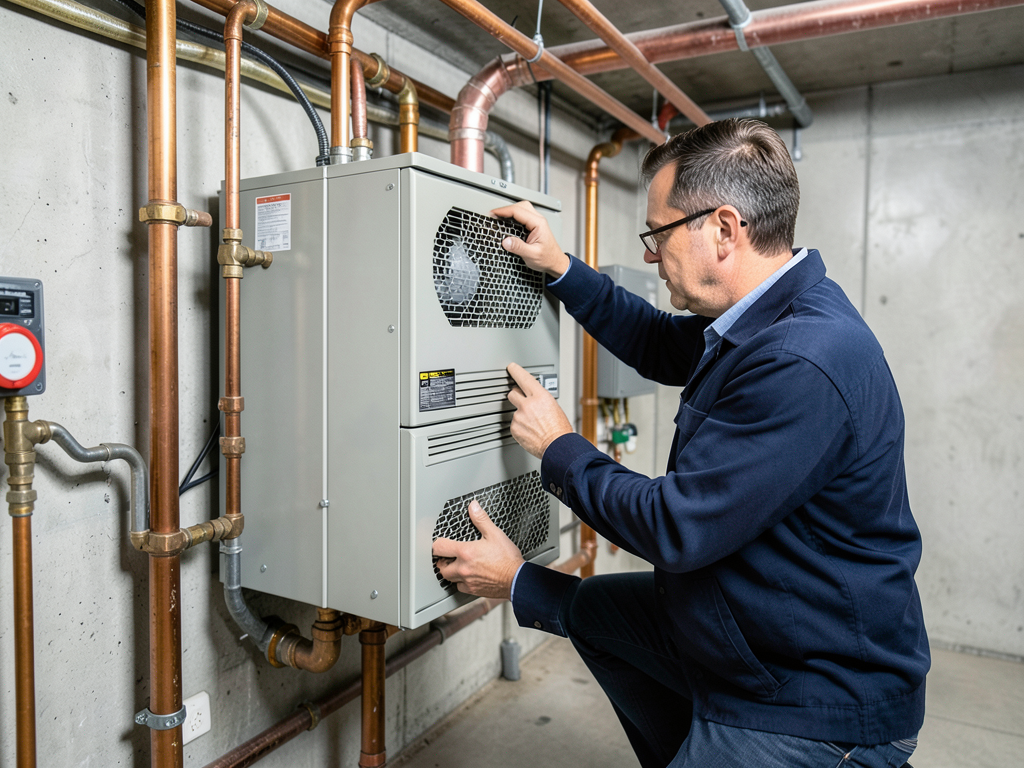
Cross-section diagram showing how HRV systems create pressure balance to prevent radon entry through foundation cracks
Why Cleveland Homes are at High Risk (Geological Context)
Cleveland sits in EPA Radon Zone 1, indicating the highest potential for indoor radon problems. The region’s geology creates ideal conditions for radon production. Shale formations throughout Cuyahoga County contain uranium that naturally decays into radon gas. EPA Radon Information.
Hinckley’s specific soil composition includes layers of shale and clay that trap and concentrate radon. The gas percolates upward through these layers until it reaches foundation walls. Homes built on slopes or near ravines face additional challenges as radon can accumulate in lower areas.
Ohio Department of Health data shows that one in two homes tested in Cuyahoga County exceeds the EPA action level of 4.0 picocuries per liter. Some Hinckley neighborhoods consistently show average readings between 5.0 and 8.0 pCi/L. These levels require active mitigation strategies beyond simple sealing of foundation cracks. Ohio Department of Health Radon Program.
Seasonal variations affect radon entry rates. Winter months see the highest readings because homes are sealed tightly against cold weather. The stack effect becomes more pronounced when indoor temperatures are much warmer than outdoor temperatures. This temperature difference creates stronger pressure differentials that pull more radon indoors.
Local building practices also influence radon risk. Many Hinckley homes built before 1990 lack vapor barriers and proper foundation sealing. These older construction methods allow easier radon entry. Modern building codes now require radon-resistant features, but many existing homes still need mitigation upgrades. Fast and Local AC Repair Services in Solon and Surrounding Areas.
How Modern HVAC Solutions (HRVs/ERVs) Reduce Radon Concentration
Heat Recovery Ventilators and Energy Recovery Ventilators provide continuous fresh air exchange while recovering energy from exhaust air. These systems operate 24/7, maintaining consistent indoor air quality. The constant air movement prevents radon from accumulating to dangerous levels.
HRV systems work by drawing fresh air through a heat exchanger while simultaneously exhausting stale indoor air. The two air streams pass through separate channels within the heat exchanger. Heat transfers from the warmer air stream to the cooler one, recovering up to 85% of the energy that would otherwise be lost.
ERV systems add moisture transfer capabilities. In winter, they transfer humidity from exhaust air to incoming dry air. During summer, they remove moisture from humid incoming air. This moisture management helps maintain comfortable indoor conditions while the air exchange process dilutes radon concentrations.
Installation requires careful planning to ensure proper system balance. The HRV or ERV must provide enough fresh air to dilute radon without creating energy waste. Most homes need between 50 and 150 cubic feet per minute of continuous ventilation. The exact amount depends on home size, occupancy, and existing radon levels.
Energy efficiency ratings matter when selecting ventilation systems. Look for units with high sensible recovery efficiency (SRE) ratings for cold climates. Units with SRE ratings above 80% provide maximum energy savings while maintaining air quality. The initial investment typically pays for itself through energy savings within three to five years.
Sub-Slab Depressurization vs. HVAC Ventilation Strategies
Sub-slab depressurization remains the most common radon mitigation method. This approach uses a fan to create negative pressure beneath the concrete slab. The fan pulls radon gas from below the foundation and vents it safely above the roofline. This prevents radon from ever entering the home.
Traditional sub-slab systems work independently of HVAC operation. The mitigation fan runs continuously regardless of whether the furnace or air conditioner operates. While highly effective, these systems add to electrical costs and require dedicated vent piping through the home.
Integrated HVAC ventilation offers several advantages over standalone mitigation. HRV and ERV systems provide year-round benefits beyond radon reduction. They improve overall indoor air quality, control humidity, and reduce allergens. The systems also recover energy that would be lost through simple exhaust ventilation.
Cost comparisons show interesting patterns. A basic sub-slab depressurization system costs between $800 and $1,500 installed. HRV or ERV systems range from $1,200 to $3,000 depending on capacity and features. However, HRV/ERV systems provide additional benefits that offset their higher initial cost.
Maintenance requirements differ significantly between approaches. Sub-slab systems need minimal attention beyond periodic fan checks. HRV and ERV systems require filter changes every three to six months and annual heat exchanger cleaning. The ongoing maintenance ensures optimal performance and energy efficiency. Commercial HVAC Maintenance for Businesses in Downtown Cleveland.
Effectiveness varies by home design and radon levels. Homes with extremely high radon readings may need both sub-slab depressurization and HRV ventilation. The combination provides redundant protection and addresses both active and passive radon entry pathways.
The Process: Radon Testing and System Integration for NE Ohio Homeowners
Professional radon testing provides the foundation for any mitigation strategy. Short-term tests run for two to seven days and give quick results. Long-term tests operating for 90 days or more provide more accurate average readings. Both methods use activated charcoal canisters or continuous radon monitors.
Test placement affects accuracy. Devices should go in the lowest livable area of the home. For split-level homes, this often means the basement family room rather than an unused storage area. Closed-house conditions during testing ensure readings reflect normal living conditions.
EPA action level of 4.0 pCi/L triggers mitigation recommendations. However, WHO guidelines suggest action at 2.7 pCi/L for additional safety. Many NE Ohio homeowners choose mitigation even when readings fall between these levels due to the region’s consistently high radon potential.
System design follows testing results. Homes with readings below 4.0 pCi/L may only need improved ventilation. Higher readings require active mitigation strategies. The chosen approach must address both the radon source and the pressure dynamics that draw gas indoors.
Installation typically takes one to two days for simple systems. Complex installations involving multiple suction points or integration with existing HVAC equipment may require additional time. Professional installers must follow Ohio Department of Health guidelines and obtain necessary permits.
Post-installation testing confirms system effectiveness. Readings should drop below 2.0 pCi/L in most cases. Some systems achieve readings below 1.0 pCi/L. Follow-up testing at six months and annually ensures continued performance as soil conditions and home usage patterns change.
Local Compliance: Ohio Department of Health Radon Licensing Requirements
Ohio law requires radon mitigation professionals to hold valid certification from the Ohio Department of Health. The ODH offers two levels of certification: Radon Tester and Radon Mitigation. Both require passing exams, completing training, and maintaining continuing education credits.
Mitigation contractors must carry liability insurance and post a surety bond. These requirements protect homeowners from substandard work or contractor default. The ODH maintains a public database of certified professionals that homeowners can verify before hiring.
Building permits are required for most radon mitigation work. Local building departments review plans to ensure compliance with Ohio Building Code and EPA guidelines. Permits also ensure proper notification to future home buyers about mitigation system installation.
Disclosure requirements apply when selling homes with radon systems. Sellers must inform buyers about system age, maintenance history, and recent test results. Many real estate transactions now include radon testing as a standard contingency, similar to home inspections. HVAC Maintenance & Tune-Ups.
Ohio follows EPA protocols for system design and installation. This includes requirements for fan location, vent pipe routing, and system labeling. Properly installed systems include warning labels, system tags, and homeowner manuals documenting all work performed.
Commercial buildings face additional requirements under Ohio Administrative Code. Schools, daycare centers, and certain multi-family dwellings must test for radon and mitigate if levels exceed action thresholds. These requirements ensure protection for vulnerable populations in public spaces.
Technician using a manometer to measure pressure differential across a radon mitigation system vent pipe
Cost-Benefit Analysis of Integrated HVAC/Radon Systems
Initial costs for radon mitigation vary widely based on home design and chosen approach. Simple sub-slab depressurization systems start around $800 for basic installations. Complex homes requiring multiple suction points or interior vent routing can exceed $2,500.
HRV and ERV systems add $1,200 to $3,000 to the investment. However, these systems provide year-round benefits beyond radon reduction. Energy savings from heat recovery often offset a significant portion of operating costs within the first three years.
Health benefits provide the strongest return on investment. Radon exposure causes approximately 21,000 lung cancer deaths annually in the United States. The EPA estimates that every 1,000 homes mitigated prevents two to three cancer deaths over 20 years. This translates to substantial healthcare cost savings.
Property value impacts favor homes with radon mitigation. Many buyers view mitigation systems as upgrades rather than problems. Homes with documented low radon levels often sell faster and command slightly higher prices in areas known for radon issues.
Energy efficiency improvements provide ongoing financial benefits. HRV systems reduce heating and cooling costs by 15-30% compared to simple exhaust ventilation. The energy savings accumulate monthly, providing a tangible return on the initial investment.
Insurance considerations may affect mitigation decisions. Some insurance companies offer premium discounts for homes with radon mitigation systems. The systems demonstrate proactive maintenance and risk reduction, which insurers often reward with lower rates.
Maintenance costs remain relatively low for most systems. Annual professional inspections cost $100-200. Homeowners can perform basic maintenance like filter changes for minimal cost. The long-term operating costs typically range from $50-150 annually depending on system type and local electricity rates.
Indoor Air Quality Monitoring Tools and Best Practices
Modern IAQ monitors track multiple parameters beyond radon. These devices measure particulate matter, volatile organic compounds, carbon dioxide, temperature, and humidity. Some advanced models connect to smartphones for real-time monitoring and alerts.
Continuous radon monitors provide the most accurate data. These devices take readings every hour and calculate daily averages. They also track variations over time, helping identify patterns related to weather, occupancy, or system operation.
Placement of monitoring devices affects readings. Units should go in frequently occupied areas at breathing height. Avoid placing monitors near windows, doors, or HVAC vents where airflow patterns could skew results. Follow manufacturer guidelines for optimal placement.
Data interpretation requires understanding normal variations. Radon levels naturally fluctuate based on weather, seasons, and home usage. A single high reading does not necessarily indicate a problem. Look for consistent patterns over time when evaluating mitigation effectiveness.
Smart home integration expands monitoring capabilities. Some IAQ monitors connect with HVAC systems to automatically adjust ventilation based on air quality readings. This creates responsive systems that maintain optimal conditions while minimizing energy use.
Documentation helps track system performance over time. Keep records of test results, maintenance activities, and any changes to home usage patterns. This information helps diagnose problems and demonstrates system effectiveness to future buyers if you sell your home.
Frequently Asked Questions
How do I know if my Hinckley home has high radon levels?
The only way to know for certain is through radon testing. You can purchase DIY test kits from hardware stores or hire a certified radon professional. Given Hinckley’s location in Cuyahoga County, testing is recommended even if you have no symptoms.
Will my HVAC system alone solve radon problems?
Standard HVAC systems without special ventilation features typically cannot reduce radon to safe levels. However, HRV or ERV systems integrated with your heating and cooling can significantly reduce radon through continuous air exchange and pressure balancing.
How long does radon mitigation installation take?
Most basic radon mitigation systems install in one day. More complex installations involving HRV/ERV integration or multiple suction points may require two days. Professional installers can provide specific timelines after evaluating your home’s needs.
Are radon mitigation systems noisy?
Properly installed systems operate very quietly. The radon fan typically produces noise similar to a modern refrigerator. HRV and ERV units are even quieter, often producing only a gentle whooshing sound that most homeowners find barely noticeable.
How often should I test radon levels after mitigation?
Test your home every two years after installation to ensure continued effectiveness. Also test if you make major home modifications, install new HVAC equipment, or notice changes in air quality. Annual system inspections help maintain optimal performance.
- Purchase Test Kit
Buy a radon test kit from a hardware store or contact a certified radon professional. Choose between short-term (2-7 days) or long-term (90+ days) testing based on your needs.
- Place Test Device
Position the test kit in the lowest livable area of your home at breathing height. Keep windows and exterior doors closed during testing for accurate results.
- Wait for Results
Follow the test kit instructions for exposure time. Short-term tests provide results in days while long-term tests require months but offer more accurate averages.
- Interpret Results
Compare your results to EPA guidelines. Readings above 4.0 pCi/L require mitigation. Consider mitigation for readings between 2.0 and 4.0 pCi/L given local conditions.
- Consult Professional
If results indicate high radon levels, contact a certified radon mitigation professional to discuss appropriate solutions for your specific situation.
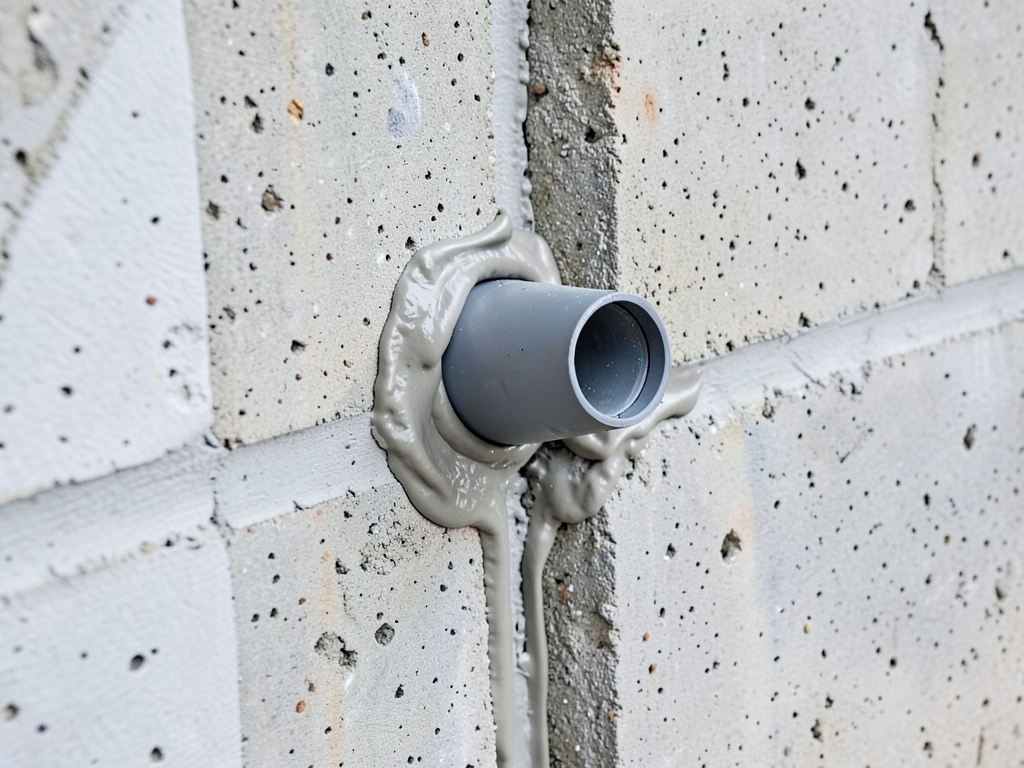
Technician installing a radon vent pipe through an exterior wall with proper sealing around penetrations
Take Action to Protect Your Family Today
Radon exposure poses serious health risks that you cannot see, smell, or taste. Cleveland’s geology makes Hinckley homes particularly vulnerable to high radon levels. Your HVAC system offers powerful tools for reducing these risks through proper ventilation strategies.
Modern HRV and ERV systems provide continuous air exchange while maintaining energy efficiency. These systems work 24/7 to dilute radon concentrations and improve overall indoor air quality. The investment protects your family’s health while potentially reducing energy costs.
Professional testing provides the foundation for any mitigation strategy. Short-term tests offer quick results while long-term testing provides the most accurate assessment. Understanding your home’s specific radon levels helps determine the most effective solution.
Ohio Department of Health certification ensures you work with qualified professionals who follow proper protocols. Certified contractors understand local building codes and EPA guidelines for effective radon mitigation.
Don’t wait until radon levels become dangerous. Every day of exposure increases health risks. Call (216) 530-9077 today to schedule your radon test and learn about ventilation solutions for your Hinckley home. Our certified technicians will evaluate your specific situation and recommend the most effective approach for your family’s safety and comfort.
Pick up the phone and call (216) 530-9077 before the next season brings higher radon readings. Your family’s health deserves immediate attention from qualified professionals who understand both HVAC systems and radon mitigation strategies.
{
“@context”: “https://schema.org”,
“@type”: “BlogPosting”,
“headline”: “How proper HVAC ventilation helps manage radon levels in Hinckley homes”,
“description”: “Learn how Cleveland HVAC systems reduce radon gas in Hinckley homes. Expert radon mitigation with HRV/ERV ventilation. Call (216) 530-9077 for testing.”,
“wordCount”: 2777,
“datePublished”: “2026-05-26T06:45:00.000Z”,
“dateModified”: “2026-05-26T06:45:00.000Z”,
“inLanguage”: “en-US”,
“mainEntityOfPage”: {
“@type”: “WebPage”,
“@id”: “https://acehvaccleveland.com”
},
“publisher”: {
“@type”: “LocalBusiness”,
“name”: “Ace HVAC Cleveland”,
“url”: “https://acehvaccleveland.com”
},
“author”: {
“@type”: “Organization”,
“name”: “Ace HVAC Cleveland”,
“url”: “https://acehvaccleveland.com”
},
“image”: {
“@type”: “ImageObject”,
“url”: “https://acehvaccleveland.com/wp-content/uploads/2026/03/how-proper-hvac-ventilation-helps-manage-radon-lev-1.png”
}
}
{
“@context”: “https://schema.org”,
“@type”: “HVACBusiness”,
“name”: “Ace HVAC Cleveland”,
“url”: “https://acehvaccleveland.com”,
“address”: {
“@type”: “PostalAddress”,
“addressLocality”: “Cleveland”
},
“areaServed”: {
“@type”: “City”,
“name”: “Cleveland”
}
}
{
“@context”: “https://schema.org”,
“@type”: “FAQPage”,
“mainEntity”: [
{
“@type”: “Question”,
“name”: “How do I know if my Hinckley home has high radon levels?”,
“acceptedAnswer”: {
“@type”: “Answer”,
“text”: “The only way to know for certain is through radon testing. You can purchase DIY test kits from hardware stores or hire a certified radon professional. Given Hinckley’s location in Cuyahoga County, testing is recommended even if you have no symptoms.”
}
},
{
“@type”: “Question”,
“name”: “Will my HVAC system alone solve radon problems?”,
“acceptedAnswer”: {
“@type”: “Answer”,
“text”: “Standard HVAC systems without special ventilation features typically cannot reduce radon to safe levels. However, HRV or ERV systems integrated with your heating and cooling can significantly reduce radon through continuous air exchange and pressure balancing.”
}
},
{
“@type”: “Question”,
“name”: “How long does radon mitigation installation take?”,
“acceptedAnswer”: {
“@type”: “Answer”,
“text”: “Most basic radon mitigation systems install in one day. More complex installations involving HRV/ERV integration or multiple suction points may require two days. Professional installers can provide specific timelines after evaluating your home’s needs.”
}
},
{
“@type”: “Question”,
“name”: “Are radon mitigation systems noisy?”,
“acceptedAnswer”: {
“@type”: “Answer”,
“text”: “Properly installed systems operate very quietly. The radon fan typically produces noise similar to a modern refrigerator. HRV and ERV units are even quieter, often producing only a gentle whooshing sound that most homeowners find barely noticeable.”
}
},
{
“@type”: “Question”,
“name”: “How often should I test radon levels after mitigation?”,
“acceptedAnswer”: {
“@type”: “Answer”,
“text”: “Test your home every two years after installation to ensure continued effectiveness. Also test if you make major home modifications, install new HVAC equipment, or notice changes in air quality. Annual system inspections help maintain optimal performance.”
}
}
]
}
{
“@context”: “https://schema.org”,
“@type”: “HowTo”,
“name”: “Steps to Test Your Home for Radon”,
“step”: [
{
“@type”: “HowToStep”,
“position”: 1,
“name”: “Purchase Test Kit”,
“text”: “Buy a radon test kit from a hardware store or contact a certified radon professional. Choose between short-term (2-7 days) or long-term (90+ days) testing based on your needs.”
},
{
“@type”: “HowToStep”,
“position”: 2,
“name”: “Place Test Device”,
“text”: “Position the test kit in the lowest livable area of your home at breathing height. Keep windows and exterior doors closed during testing for accurate results.”
},
{
“@type”: “HowToStep”,
“position”: 3,
“name”: “Wait for Results”,
“text”: “Follow the test kit instructions for exposure time. Short-term tests provide results in days while long-term tests require months but offer more accurate averages.”
},
{
“@type”: “HowToStep”,
“position”: 4,
“name”: “Interpret Results”,
“text”: “Compare your results to EPA guidelines. Readings above 4.0 pCi/L require mitigation. Consider mitigation for readings between 2.0 and 4.0 pCi/L given local conditions.”
},
{
“@type”: “HowToStep”,
“position”: 5,
“name”: “Consult Professional”,
“text”: “If results indicate high radon levels, contact a certified radon mitigation professional to discuss appropriate solutions for your specific situation.”
}
],
“image”: “https://acehvaccleveland.com/wp-content/uploads/2026/03/how-proper-hvac-ventilation-helps-manage-radon-lev-1.png”
}
{
“@context”: “https://schema.org”,
“@type”: “BreadcrumbList”,
“itemListElement”: [
{
“@type”: “ListItem”,
“position”: 1,
“name”: “Home”,
“item”: “https://acehvaccleveland.com”
},
{
“@type”: “ListItem”,
“position”: 2,
“name”: “Blog”,
“item”: “https://acehvaccleveland.com/blog”
},
{
“@type”: “ListItem”,
“position”: 3,
“name”: “How proper HVAC ventilation helps manage radon levels in Hinckley homes”
}
]
}
{
“@context”: “https://schema.org”,
“@type”: “Service”,
“serviceType”: “HVAC”,
“provider”: {
“@type”: “LocalBusiness”,
“name”: “Ace HVAC Cleveland”,
“url”: “https://acehvaccleveland.com”
},
“areaServed”: {
“@type”: “City”,
“name”: “Cleveland”
},
“description”: “Learn how Cleveland HVAC systems reduce radon gas in Hinckley homes. Expert radon mitigation with HRV/ERV ventilation. Call (216) 530-9077 for testing.”
}