
The Best Ways to Hide Your Outdoor AC Unit Without Hurting Performance in Waite Hill
Want to improve your Waite Hill home’s curb appeal without sacrificing your AC’s efficiency? You can hide that bulky outdoor unit with smart landscaping that maintains proper airflow and protects your system. The key is balancing beauty with function keeping at least 2 feet of clearance on all sides and 5 feet above the unit for optimal performance. How Much Does a New Central Air System Cost in Northeast Ohio?.
In Northeast Ohio’s humid summers and snowy winters your AC needs breathing room to exchange heat effectively. Poor clearance forces the system to work harder raising energy bills and shortening equipment life. This guide shows Waite Hill homeowners exactly how to landscape around their units safely while boosting property value.
Why Proper Clearance Matters for Your HVAC System
Your AC’s outdoor condenser works by pulling in air through the sides and expelling heat from the top. When plants walls or fences block this airflow the system struggles to cool your home. In Waite Hill’s Zone 6 climate restricted airflow can reduce efficiency by 5-15% and cause premature compressor failure.
Think of it like trying to breathe through a straw. The compressor generates tremendous heat during Cleveland’s muggy July afternoons and without adequate ventilation temperatures inside the unit can soar past safe operating limits. This not only wastes energy but also voids manufacturer warranties if damage occurs from poor installation practices.
Beyond performance proper spacing gives technicians room to service the unit. Waite Hill’s older homes often have tight side yards where access becomes a challenge. Maintaining clear pathways prevents damage to both your landscaping and the expensive equipment inside.
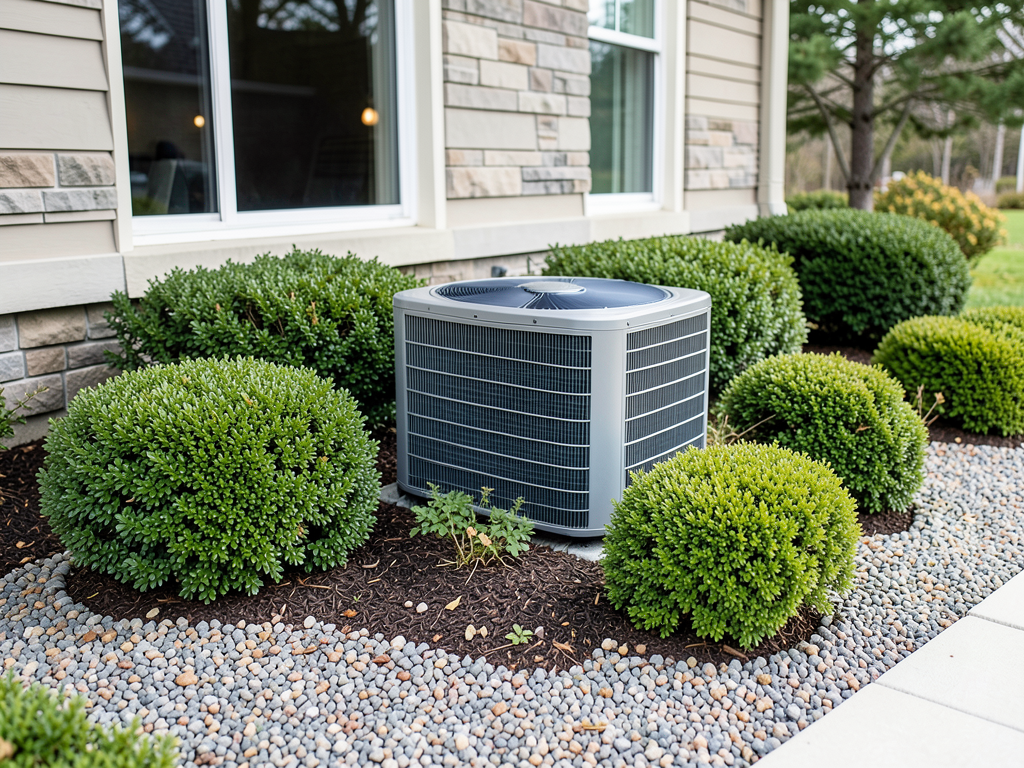
The 2-Foot Rule Understanding Minimum Space Requirements
The National Electrical Code and most HVAC manufacturers require minimum clearances for safe operation. For Waite Hill installations maintain these distances:
- 24 inches on all sides for proper airflow
- 5 feet above the unit for heat discharge
- 36 inches in front for service access
These aren’t arbitrary numbers. The 2-foot rule ensures enough air volume moves through the coils to dissipate heat effectively. In Cleveland’s humid climate inadequate spacing causes the system to short-cycle turning on and off frequently without properly cooling your home.
Measure from the unit’s outer casing not the grill or fan housing. Plants should mature at least 2 feet away from this measurement point. Fast-growing species like river birch or silver maple can quickly violate these clearances if planted too close. HVAC Rocky River.
Consider seasonal factors too. Waite Hill’s heavy spring rains and winter snow accumulation affect clearance differently throughout the year. What works in July might be buried under December drifts.
Top 5 Plant Species for Cleveland Landscapes Zone 6
Choosing the right plants means selecting species that won’t shed debris into your AC coils or develop invasive root systems. Here are five Cleveland-friendly options that provide screening without causing problems:
| Plant Type | Growth Rate | Debris Level | Root Aggression | Hardiness Zone |
|---|---|---|---|---|
| Boxwood ‘Green Mountain’ | Slow | Low | Minimal | 5-8 |
| Hosta ‘Sum and Substance’ | Moderate | Low | Shallow | 3-9 |
| Ornamental Grass ‘Karl Foerster’ | Fast | Medium | Non-invasive | 4-9 |
| Juniper ‘Blue Star’ | Slow | Low | Minimal | 4-9 |
| Hydrangea ‘Annabelle’ | Moderate | Medium | Non-invasive | 3-9 |
Boxwoods provide year-round evergreen screening and tolerate Waite Hill’s clay soil well. Their compact growth habit means less pruning and minimal debris. Hostas offer broad leaves that soften the unit’s industrial look while thriving in partial shade.
Ornamental grasses like Karl Foerster create movement and texture without dropping messy seeds. They reach about 4-5 feet tall perfect for screening without overwhelming the space. Just cut them back in late winter before new growth emerges.
Avoid plants with aggressive roots like willows poplars or bamboo near your AC lines. Their roots can crush refrigerant lines or shift the concrete pad causing expensive repairs. Also skip plants that produce excessive pollen or seed pods that clog coil fins. Fast and Local AC Repair Services in Solon and Surrounding Areas.
Ground Cover Options Mulch vs Gravel vs Pavers
The ground around your AC unit affects both appearance and system health. Each material has trade-offs for Waite Hill’s climate and soil conditions.
| Material | Moisture Retention | Maintenance | Cost | Heat Reflection |
|---|---|---|---|---|
| Organic Mulch | High | Annual Replacement | $$ | Low |
| Pea Gravel | Low | Occasional Raking | $$$ | Medium |
| Concrete Pavers | None | Minimal | $$$$ | High |
Organic mulch looks natural but can trap moisture against the unit’s base pan accelerating rust in Cleveland’s humid environment. Cedar mulch resists decomposition longer than hardwood varieties but still requires annual replenishment.
River rock or pea gravel provides excellent drainage and won’t decompose. The small stones allow air circulation while preventing weed growth. Choose 1/2 to 3/4 inch gravel to avoid creating a habitat for rodents that might chew wiring.
Concrete pavers create a clean finished look and protect the unit from lawn mower damage. They also prevent soil erosion around the concrete pad. However pavers can trap heat radiating from the unit potentially raising ambient temperatures slightly.
Whatever you choose maintain a 2-foot gravel or mulch-free zone directly around the unit’s base. This prevents material from being sucked into the fan and allows technicians to access service valves easily.
Maintenance Checklist for Northeast Ohio Seasons
Waite Hill’s four distinct seasons create different challenges for AC units. Follow this seasonal maintenance schedule to protect your investment: Commercial HVAC Maintenance for Businesses in Downtown Cleveland.
- Spring Cleaning
Remove winter debris check for rodent nests and clear cottonwood seeds that can clog coil fins. Test the system before summer heat arrives.
- Summer Monitoring
Check airflow weekly during peak use. Trim any plants that creep closer than 2 feet. Watch for unusual noises or reduced cooling.
- Fall Preparation
Clear falling leaves weekly. Install a mesh screen over the top if your unit sits under trees. Consider a winter cover for units near cottonwoods.
- Winter Protection
Ensure snow doesn’t drift against the unit. Check that ice dams above won’t dump frozen chunks onto the equipment. Verify the concrete pad hasn’t shifted from freeze-thaw cycles.
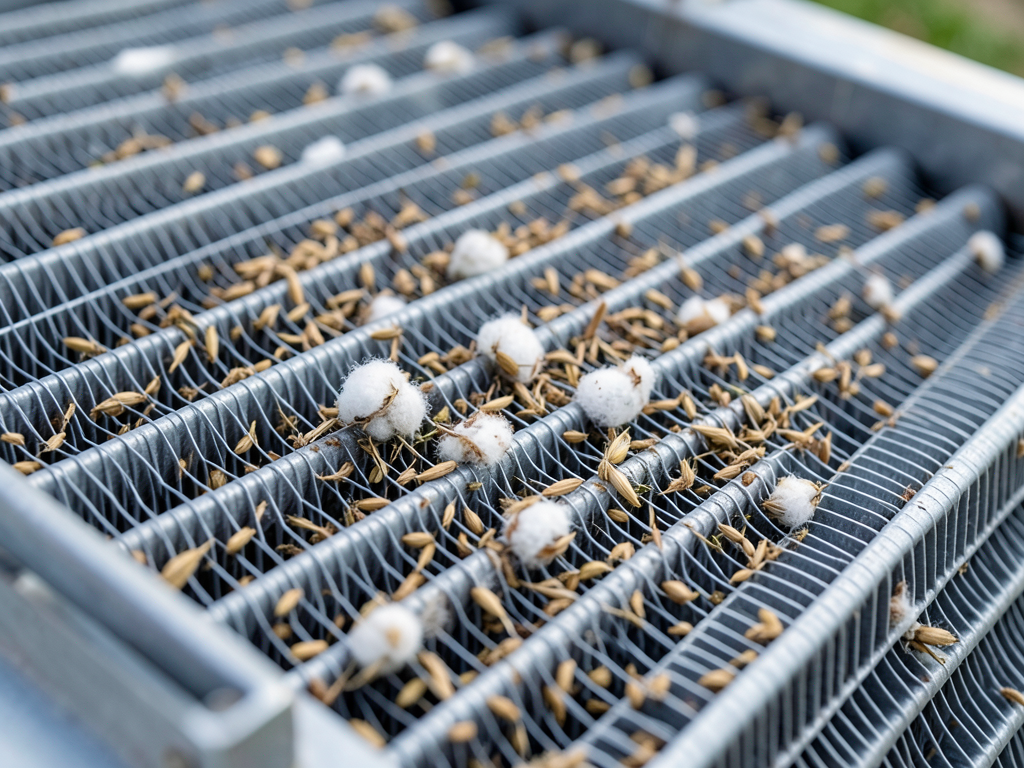
Cleveland’s cottonwood trees produce fluffy seeds in June that resemble cotton balls. These lightweight seeds travel for miles and can completely block condenser coils. A single season of neglect allows enough buildup to reduce efficiency by 30%.
Fall leaf removal is equally critical. Waite Hill’s mature maple and oak trees drop leaves that pack into coil fins like a sponge. The trapped moisture accelerates corrosion and provides shelter for insects.
Winter poses unique risks. Ice falling from roof eaves can dent coil fins or damage fan blades. Heavy snow accumulation against the unit restricts airflow even when the system isn’t running. Some homeowners install removable plywood shelters but ensure they don’t trap moisture underneath.
Creative Screening Solutions That Won’t Block Airflow
Sometimes plants alone don’t provide enough screening especially for units near patios or windows. Here are three non-plant options that maintain proper clearance:
Lattice Screens with Proper Spacing
Freestanding lattice panels create attractive screening while allowing air to pass through. Mount panels on posts set 3 feet from the unit’s sides. Paint or stain them to match your home’s trim for a cohesive look.
The key is leaving gaps between the lattice and the unit. Air moves through the openings rather than being forced around obstacles. This maintains the necessary airflow while hiding the equipment from view.
Decorative Fencing with Ventilation Cutouts
Custom fence panels with decorative cutouts provide privacy without restricting airflow. Design patterns that create 50% open space enough for ventilation but sufficient for screening. Materials like powder-coated aluminum or weather-resistant cedar work well in Cleveland’s climate.
Position the fence 3 feet from the unit and include a removable panel for service access. Hinged or sliding sections make maintenance easier while keeping the overall appearance clean. HVAC Maintenance & Tune-Ups.
Living Walls with Structural Support
Trellises supporting climbing vines create green screens without the root problems of foundation plantings. Choose annual vines like morning glory for seasonal coverage or perennial options like clematis for permanent screening.
Mount trellises on posts set 3-4 feet from the unit. The vines grow on the trellis not the AC equipment maintaining necessary clearances. This approach works especially well for units visible from upper-story windows.
Common Mistakes That Void Warranties
Many Waite Hill homeowners accidentally damage their AC units through well-intentioned landscaping. Here are mistakes that can void your manufacturer warranty:
- Installing solid walls within 2 feet of the unit
- Planting trees that will grow over the 5-foot vertical clearance
- Using landscape fabric that blocks bottom airflow
- Building raised beds that elevate soil grade around the base
- Installing outdoor lighting that generates additional heat
Most manufacturers specify exact clearance requirements in their installation manuals. Violating these specifications even with beautiful landscaping can void coverage for compressor failure or coil damage.
Insurance companies also get involved. If a fire starts near your AC unit and investigators find combustible materials stored too close your claim might be denied. The 2-foot rule isn’t just about efficiency it’s about safety.
Always check your unit’s specific requirements. High-efficiency models often need more clearance than standard units because they move more air. The nameplate or manual lists exact specifications for your particular model.
DIY vs Professional Landscaping Around AC Units
Simple screening projects make great DIY weekend tasks. Installing gravel beds planting compact shrubs or building lattice screens are manageable for most homeowners. However certain situations require professional expertise.
Call a professional if you need to relocate the unit install underground electrical lines for lighting or modify concrete pads. Also consider professional help if your unit sits in a challenging location near property lines under roof eaves or in areas with complex grade changes.
Professional landscapers familiar with HVAC systems understand the technical requirements. They know which plants won’t interfere with service access and can design screening that complements your home’s architecture while meeting clearance requirements.
The cost of professional design pales compared to repairing damage from improper clearance. A single service call for a compressor damaged by restricted airflow can cost $1,500 to $2,500 far more than thoughtful landscaping planning.
Energy Efficiency Benefits of Proper Landscaping
Smart landscaping around your AC unit does more than hide an eyesore it can actually improve system efficiency. The right approach can reduce energy consumption by 5-15% annually.
Shade from properly placed trees or structures reduces the ambient temperature around the unit. For every degree cooler the surrounding air your AC works slightly less to achieve the same cooling effect. In Cleveland’s hot summers this adds up to meaningful savings.
Windbreaks placed strategically can reduce the cooling effect of summer breezes on the condenser coils. While counterintuitive mild wind actually increases heat loss from the coils forcing the system to run longer. A well-designed screen can optimize airflow patterns.
Ground cover materials also matter. Light-colored gravel reflects heat while dark mulch absorbs it. In Waite Hill’s sunny exposures reflective surfaces can raise temperatures around the unit slightly reducing efficiency. Choose materials based on your specific site conditions.
Remember that the biggest efficiency gains come from maintaining clearances rather than elaborate designs. A simple 2-foot gravel border with minimal plantings often outperforms complex landscaping that compromises airflow.
Local Building Codes and Permit Requirements
Waite Hill and Cuyahoga County have specific requirements for outdoor HVAC equipment. The International Mechanical Code adopted locally mandates minimum clearances for safety and efficiency. Cuyahoga County Building Department.
Units must sit on a stable level pad elevated at least 3 inches above grade to prevent water damage. In flood-prone areas near the Chagrin River additional elevation may be required. Always check with the Cuyahoga County Building Department before making major changes.
Noise ordinances in residential areas limit how close units can sit to property lines. Most Waite Hill homes need units at least 5 feet from side lot lines to comply with local sound regulations. Corner lots face additional restrictions.
If you’re installing new equipment or relocating existing units permits are required. The process ensures proper electrical connections refrigerant line sizing and clearance compliance. Skipping permits can result in fines and forced removal of non-compliant installations.
Working with licensed HVAC contractors ensures all local requirements are met. They pull necessary permits and guarantee code-compliant installations that won’t cause issues when you sell your home.
Before and After Real Waite Hill Transformations
Many Waite Hill homeowners have successfully hidden their AC units while improving efficiency. Here are common transformation patterns:
Before: Units sitting on bare dirt with weeds growing around them. No screening exposed wiring and soil erosion around the base.
After: Clean gravel beds with compact shrubs at proper distances. Lattice screens hiding views from patios. Proper electrical covers and stabilized concrete pads.
The difference isn’t just aesthetic. Properly landscaped units show fewer service issues and maintain efficiency longer than neglected installations. The initial investment in good landscaping pays dividends through lower energy bills and extended equipment life.
Consider your home’s architecture when planning screening. Colonial homes in Waite Hill often benefit from formal symmetrical plantings. Ranch homes can handle more casual naturalistic approaches. The goal is integration not just concealment.
Frequently Asked Questions
Can I plant flowers around my AC unit?
Yes but choose low-growing varieties that won’t exceed 12 inches in height. Annual flowers work well because you can replant them if they encroach on required clearances. Avoid plants with thorns or prickly stems that could injure technicians.
How close can I build a deck or patio to my AC unit?
Maintain at least 5 feet of clearance between the unit and any solid structure. This allows heat to dissipate properly and provides access for maintenance. If space is tight consider a raised deck that allows air circulation underneath.
Should I cover my AC unit in winter?
Most manufacturers don’t recommend full covers because they trap moisture and provide homes for rodents. Instead use a top-only cover or mesh screen to keep out leaves and debris while allowing air circulation. Remove any cover before starting the system in spring.
What’s the best way to hide AC lines and electrical connections?
Use decorative conduit or weatherproof boxes that match your home’s exterior. Paint exposed lines to blend with the house color. Never bury lines without proper conduit as this violates electrical codes and makes future repairs difficult.
How often should I check the area around my AC unit?
Inspect monthly during the cooling season and after major storms. Look for encroaching plants accumulated debris or signs of animal activity. A quick 5-minute check can prevent expensive service calls later.
Ready to improve your home’s appearance while protecting your AC investment? Call (216) 530-9077 today to schedule a consultation. Our Waite Hill HVAC experts can assess your current setup and recommend landscaping solutions that balance beauty with performance. Don’t wait until efficiency problems arise take action now to keep your system running smoothly through every Cleveland season.
Pick up the phone and call (216) 530-9077 before the next heat wave hits. Your AC works hard enough without fighting against poor landscaping. Let us help you create an outdoor space that’s both beautiful and efficient.
Conclusion
Landscaping around your AC unit doesn’t have to be complicated. Focus on maintaining proper clearances choosing low-maintenance plants and using materials that won’t trap moisture. The 2-foot rule exists for good reason it protects your investment and ensures your system runs efficiently when you need it most.
Waite Hill’s unique climate and soil conditions make thoughtful planning essential. What works in Arizona or Florida might fail here. Local knowledge matters when selecting plants and materials that will thrive in Northeast Ohio’s conditions.
Remember that your AC unit is a significant investment. Protecting it with proper landscaping extends its life reduces energy costs and maintains your home’s value. The small effort required for good clearance pays off through years of trouble-free operation.
Need help with your specific situation? Our team at Ace HVAC Cleveland understands both the technical requirements and the aesthetic goals. We serve Waite Hill and all of Cuyahoga County with expert advice and professional installation services. Call (216) 530-9077 to learn how we can help you achieve the perfect balance of beauty and efficiency.
Your comfort matters to us. Let’s work together to create an outdoor space that enhances your home while keeping your AC running at peak performance. The right landscaping solution is just a phone call away.
Ready to improve your home’s appearance while protecting your AC investment? Call (216) 530-9077 today to schedule a consultation. Our Waite Hill HVAC experts can assess your current setup and recommend landscaping solutions that balance beauty with performance. Don’t wait until efficiency problems arise take action now to keep your system running smoothly through every Cleveland season.
Pick up the phone and call (216) 530-9077 before the next heat wave hits. Your AC works hard enough without fighting against poor landscaping. Let us help you create an outdoor space that’s both beautiful and efficient. For more information, visit ASHRAE HVAC guidelines.
You may also find this helpful. Navigating historical society rules for exterior HVAC units in Gates Mills.
{
“@context”: “https://schema.org”,
“@type”: “BlogPosting”,
“headline”: “The Best Ways to Hide Your Outdoor AC Unit Without Hurting Performance in Waite Hill”,
“description”: “Discover how to landscape around your AC unit in Waite Hill with proper clearances, plants, and materials that boost curb appeal without sacrificing efficiency.”,
“wordCount”: 2825,
“datePublished”: “2026-04-24T14:33:00.000Z”,
“dateModified”: “2026-04-24T14:33:00.000Z”,
“inLanguage”: “en-US”,
“mainEntityOfPage”: {
“@type”: “WebPage”,
“@id”: “https://acehvaccleveland.com”
},
“publisher”: {
“@type”: “LocalBusiness”,
“name”: “Ace HVAC Cleveland”,
“url”: “https://acehvaccleveland.com”
},
“author”: {
“@type”: “Organization”,
“name”: “Ace HVAC Cleveland”,
“url”: “https://acehvaccleveland.com”
},
“image”: {
“@type”: “ImageObject”,
“url”: “https://acehvaccleveland.com/wp-content/uploads/2026/03/the-best-ways-to-hide-your-outdoor-ac-unit-without-1.png”
}
}
{
“@context”: “https://schema.org”,
“@type”: “HVACBusiness”,
“name”: “Ace HVAC Cleveland”,
“url”: “https://acehvaccleveland.com”,
“address”: {
“@type”: “PostalAddress”,
“addressLocality”: “Cleveland”
},
“areaServed”: {
“@type”: “City”,
“name”: “Cleveland”
}
}
{
“@context”: “https://schema.org”,
“@type”: “FAQPage”,
“mainEntity”: [
{
“@type”: “Question”,
“name”: “Can I plant flowers around my AC unit?”,
“acceptedAnswer”: {
“@type”: “Answer”,
“text”: “Yes but choose low-growing varieties that won’t exceed 12 inches in height. Annual flowers work well because you can replant them if they encroach on required clearances. Avoid plants with thorns or prickly stems that could injure technicians.”
}
},
{
“@type”: “Question”,
“name”: “How close can I build a deck or patio to my AC unit?”,
“acceptedAnswer”: {
“@type”: “Answer”,
“text”: “Maintain at least 5 feet of clearance between the unit and any solid structure. This allows heat to dissipate properly and provides access for maintenance. If space is tight consider a raised deck that allows air circulation underneath.”
}
},
{
“@type”: “Question”,
“name”: “Should I cover my AC unit in winter?”,
“acceptedAnswer”: {
“@type”: “Answer”,
“text”: “Most manufacturers don’t recommend full covers because they trap moisture and provide homes for rodents. Instead use a top-only cover or mesh screen to keep out leaves and debris while allowing air circulation. Remove any cover before starting the system in spring.”
}
},
{
“@type”: “Question”,
“name”: “What’s the best way to hide AC lines and electrical connections?”,
“acceptedAnswer”: {
“@type”: “Answer”,
“text”: “Use decorative conduit or weatherproof boxes that match your home’s exterior. Paint exposed lines to blend with the house color. Never bury lines without proper conduit as this violates electrical codes and makes future repairs difficult.”
}
},
{
“@type”: “Question”,
“name”: “How often should I check the area around my AC unit?”,
“acceptedAnswer”: {
“@type”: “Answer”,
“text”: “Inspect monthly during the cooling season and after major storms. Look for encroaching plants accumulated debris or signs of animal activity. A quick 5-minute check can prevent expensive service calls later.”
}
}
]
}
{
“@context”: “https://schema.org”,
“@type”: “HowTo”,
“name”: “Seasonal AC Maintenance”,
“step”: [
{
“@type”: “HowToStep”,
“position”: 1,
“name”: “Spring Cleaning”,
“text”: “Remove winter debris check for rodent nests and clear cottonwood seeds that can clog coil fins. Test the system before summer heat arrives.”
},
{
“@type”: “HowToStep”,
“position”: 2,
“name”: “Summer Monitoring”,
“text”: “Check airflow weekly during peak use. Trim any plants that creep closer than 2 feet. Watch for unusual noises or reduced cooling.”
},
{
“@type”: “HowToStep”,
“position”: 3,
“name”: “Fall Preparation”,
“text”: “Clear falling leaves weekly. Install a mesh screen over the top if your unit sits under trees. Consider a winter cover for units near cottonwoods.”
},
{
“@type”: “HowToStep”,
“position”: 4,
“name”: “Winter Protection”,
“text”: “Ensure snow doesn’t drift against the unit. Check that ice dams above won’t dump frozen chunks onto the equipment. Verify the concrete pad hasn’t shifted from freeze-thaw cycles.”
}
],
“image”: “https://acehvaccleveland.com/wp-content/uploads/2026/03/the-best-ways-to-hide-your-outdoor-ac-unit-without-1.png”
}
{
“@context”: “https://schema.org”,
“@type”: “BreadcrumbList”,
“itemListElement”: [
{
“@type”: “ListItem”,
“position”: 1,
“name”: “Home”,
“item”: “https://acehvaccleveland.com”
},
{
“@type”: “ListItem”,
“position”: 2,
“name”: “Blog”,
“item”: “https://acehvaccleveland.com/blog”
},
{
“@type”: “ListItem”,
“position”: 3,
“name”: “The Best Ways to Hide Your Outdoor AC Unit Without Hurting Performance in Waite Hill”
}
]
}
{
“@context”: “https://schema.org”,
“@type”: “Service”,
“serviceType”: “HVAC”,
“provider”: {
“@type”: “LocalBusiness”,
“name”: “Ace HVAC Cleveland”,
“url”: “https://acehvaccleveland.com”
},
“areaServed”: {
“@type”: “City”,
“name”: “Cleveland”
},
“description”: “Discover how to landscape around your AC unit in Waite Hill with proper clearances, plants, and materials that boost curb appeal without sacrificing efficiency.”
}