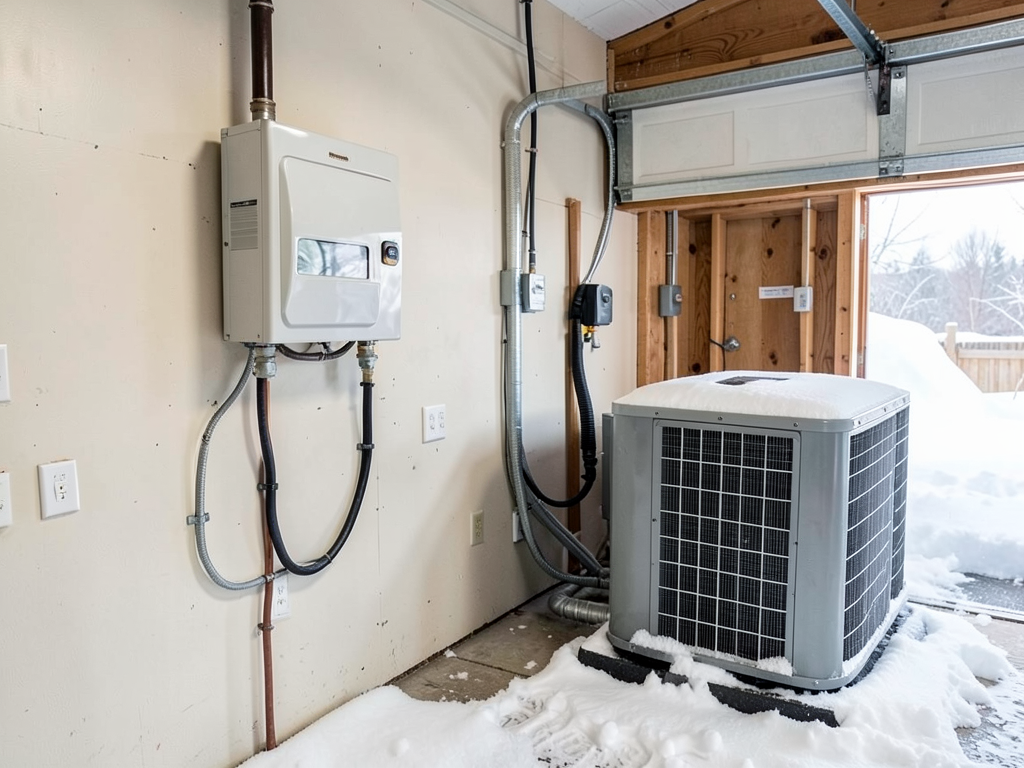


Northeast Ohio experiences some of the most dramatic seasonal temperature variations in the continental United States. January temperatures regularly drop below ten degrees, while July and August push heat indexes above ninety-five. This seventy-five-degree annual swing forces your heating and cooling equipment through extreme operational stress that accelerates component wear. Manufacturers recognize this reality in their warranty claim evaluation process. A heat exchanger crack in Phoenix might indicate manufacturing defect, but the same failure in Cleveland requires proof that annual maintenance occurred because freeze-thaw cycling creates legitimate wear patterns. Understanding how Lake Erie's influence on local humidity and temperature fluctuations affects your equipment helps you document environmental factors that strengthen warranty claims rather than void them.
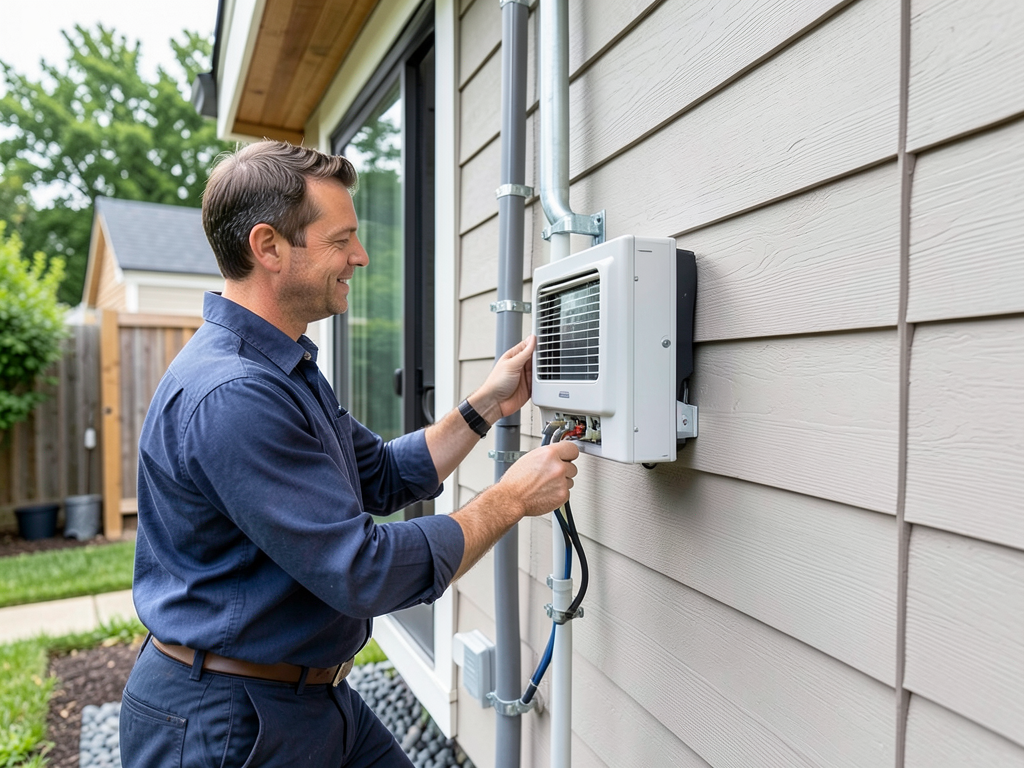
Cuyahoga County's building codes require specific installation standards that directly impact warranty validity. Proper combustion air requirements, adequate condensate drainage for high-efficiency furnaces, and correct refrigerant line sizing all factor into whether manufacturers honor coverage. We maintain current knowledge of local code requirements because Cleveland's older housing stock often needs modifications during equipment replacement. Homes in Shaker Heights, Cleveland Heights, and Lakewood built before 1960 frequently require ductwork adjustments or ventilation improvements to meet modern standards. These upgrades protect your warranty by ensuring installations meet manufacturer specifications designed for equipment longevity. Local expertise matters because national service chains often miss regional code nuances that void protections you paid thousands to secure.