
Why Ductless Mini Splits Are the Best Solution for Tremont Renovations
Historic Tremont’s century-old homes face a unique challenge: how to add modern climate control without destroying original plaster walls or historic woodwork. Ductless mini splits solve this problem by delivering zoned heating and cooling through small wall-mounted units connected to an outdoor compressor. These systems work perfectly in Tremont’s dense urban setting where space is limited and preserving architectural character is essential.
Tremont’s location near Lake Erie creates specific climate demands that make ductless systems ideal. Summer humidity often exceeds 80% and winter wind chills can drop below zero. Traditional ductwork would require extensive demolition in these tightly packed rowhomes and Victorian conversions. Mini splits eliminate that need while providing superior humidity control and energy efficiency that reduces utility bills by up to 30% compared to window units.
Understanding Ductless Mini Split Technology
Ductless systems operate through inverter-driven compressors that adjust capacity based on demand. This means the unit runs continuously at varying speeds rather than cycling on and off like conventional systems. The result is more consistent temperatures and dramatically lower energy consumption.
Each indoor unit contains a fan coil that circulates refrigerant to absorb or release heat. The outdoor condenser handles the heat exchange with the environment. A small refrigerant line and condensate drain connect the two components through a three-inch hole in the wall. This minimal penetration preserves structural integrity while delivering powerful climate control.
Modern mini splits achieve SEER2 ratings up to 28, making them among the most efficient HVAC options available. They also feature advanced filtration that removes 99.9% of airborne particles, crucial for Tremont’s older homes where dust and allergens accumulate in aging materials.
Installation Process for Tremont’s Historic Homes
Installing ductless systems in Tremont requires specialized knowledge of historic building materials and Cleveland’s building codes. The process begins with a comprehensive heat load calculation using Manual J methodology to determine exact BTU requirements for each zone.
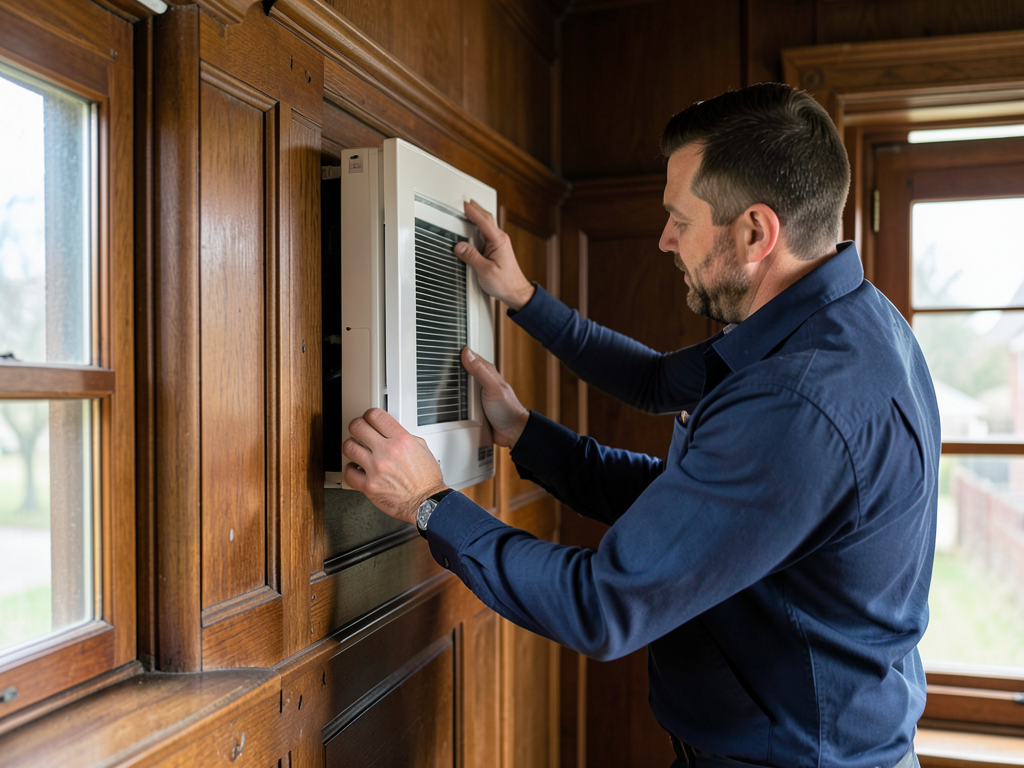
Mounting locations must consider both aesthetics and function. Interior walls often provide the best path for refrigerant lines while maintaining visual appeal. Technicians use laser levels to ensure proper drainage slope and verify structural support for wall-mounted units.
Refrigerant line installation demands precision. Lines must be properly insulated and protected from Cleveland’s freeze-thaw cycles. Electrical connections require dedicated circuits per NEC Article 440, which governs HVAC equipment wiring. All installations comply with Cleveland Residential Code Section 1302 regarding mechanical equipment placement and clearance requirements.
The typical installation takes one to two days depending on complexity. Multi-zone systems may require additional time for line routing through finished spaces. Technicians use drop cloths and HEPA vacuums to protect historic finishes during the process. EPA heat pump efficiency standards.
Cost Factors and Available Rebates
Several factors influence ductless installation costs in Tremont. System size depends on square footage and insulation quality of the existing structure. Multi-zone setups cost more initially but provide better comfort control throughout the home.
Installation complexity varies with building age. Homes built before 1950 may have plaster walls that require special mounting techniques. Electrical upgrades might be necessary if existing circuits cannot support the new equipment.
Current federal tax credits under Section 25C offer up to $2,000 for qualifying high-efficiency heat pumps. FirstEnergy Ohio provides additional rebates of up to $1,500 for Energy Star certified equipment. These incentives can reduce net installation costs by 20-30%.
Maintenance costs remain minimal compared to traditional systems. Annual cleaning of filters and coils keeps efficiency high. Most units include 10-year parts warranties when installed by certified contractors.
Why Tremont Homes Benefit Most
Tremont’s architectural diversity creates specific HVAC challenges. Many homes lack existing ductwork due to their age. Others have radiator systems that cannot accommodate central air without major renovation.
The neighborhood’s urban density means outdoor units must be positioned carefully to avoid noise complaints and comply with Cleveland’s noise ordinances. Mini split compressors operate at 50-60 decibels, quieter than most window units.
Tremont’s proximity to the Cuyahoga River valley creates unique airflow patterns. Lake-effect humidity in summer and cold air drainage in winter make zoned climate control particularly valuable. Mini splits allow different temperature settings for each floor or room.
Historic preservation guidelines often restrict exterior modifications. Mini splits require minimal exterior impact compared to traditional systems. The small condenser footprint preserves the historic streetscape while delivering modern comfort.
Energy Efficiency and Environmental Impact
Ductless mini splits use inverter technology that reduces energy consumption by 30-50% compared to conventional systems. This efficiency translates to lower carbon emissions and reduced strain on Cleveland’s electrical grid during peak demand periods.
The systems use R-32 refrigerant, which has a global warming potential 30% lower than older refrigerants. This aligns with EPA mandates for reducing greenhouse gas emissions from HVAC equipment.
Individual zone control prevents energy waste in unoccupied rooms. Homeowners can maintain different temperatures in bedrooms, living areas, and home offices. This zoned approach typically reduces annual heating and cooling costs by $300-500 in Tremont homes.
Many mini split systems qualify for Energy Star certification, meeting strict efficiency guidelines. These units often achieve HSPF ratings above 10, indicating superior heating performance in Cleveland’s cold climate.
Common Installation Scenarios in Tremont
Three-story Victorian conversions benefit greatly from multi-zone systems. Each floor can have independent temperature control, eliminating the hot second-floor problem common in older homes. The compact design preserves high ceilings and crown molding.
Basement apartments and accessory dwelling units find mini splits ideal. The systems provide both heating and cooling without requiring connection to the main house’s HVAC system. This makes them perfect for Tremont’s growing rental market.. Read more about How to Stop Your Avon Lake Basement from Feeling Damp Every Summer.
Historic commercial spaces undergoing residential conversion use mini splits to maintain architectural integrity. The units can be concealed in closets or behind decorative panels while delivering powerful climate control.
Open-concept renovations benefit from the system’s ability to distribute air without ductwork. The lack of ducts prevents energy loss through uninsulated wall cavities common in Tremont’s older construction.
Maintenance Requirements and Best Practices
Regular maintenance ensures optimal performance and longevity. Filters should be cleaned monthly during heavy use periods. The outdoor condenser needs annual cleaning to remove debris that accumulates during Cleveland’s fall season.
Professional maintenance includes checking refrigerant levels, testing electrical connections, and verifying proper drainage. Technicians use manifold gauges to measure system pressures and ensure optimal performance.
Condensate drains require inspection to prevent clogs that could cause water damage. In Tremont’s older homes, proper drainage is crucial to prevent moisture issues in finished basements and first-floor spaces.
Smart thermostats integrate with many mini split systems, allowing remote control and energy monitoring. These devices can learn occupancy patterns and adjust automatically for maximum efficiency.
Comparing Mini Splits to Other Options
| Feature | Ductless Mini Split | Window Unit | Central Air |
|---|---|---|---|
| Installation Impact | Minimal wall penetration | Blocks window | Major demolition |
| Energy Efficiency | SEER2 up to 28 | SEER 10-12 | SEER 13-21 |
| Noise Level | 50-60 dB | 60-70 dB | 45-55 dB |
| Zone Control | Yes, individual | No | Whole house only |
| Historic Preservation | Excellent | Poor | Very Poor |
| Lifespan | 15-20 years | 5-7 years | 15-25 years |
Frequently Asked Questions
Do mini splits work in Cleveland’s extreme cold?
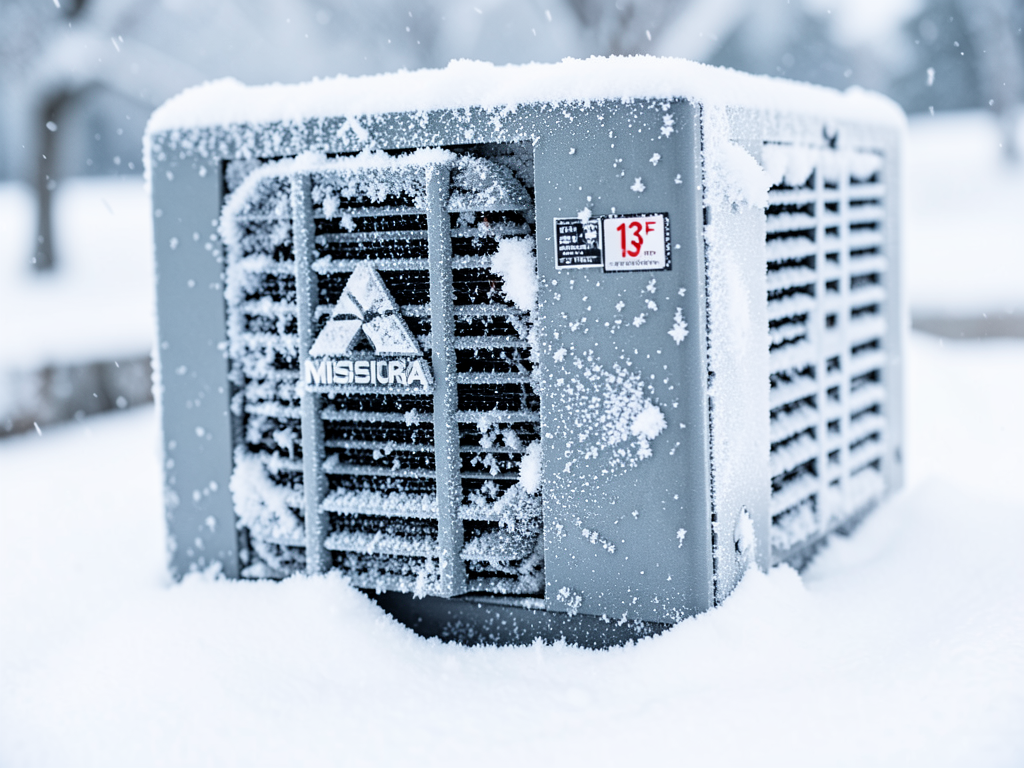
Yes. Modern cold-climate mini splits operate efficiently down to -13°F. They use hyper-heating technology that maintains full heating capacity even in sub-zero temperatures common during Cleveland winters.
How much do mini splits cost in Tremont?
Installation costs typically range from $3,500 to $10,000 depending on system size and complexity. Multi-zone setups cost more but provide better comfort control. Federal and local rebates can reduce costs by 20-30%.
Will installation damage my historic walls?
Professional installation minimizes impact. Technicians use specialized tools and techniques for plaster walls. The three-inch hole for refrigerant lines can be patched and matched to existing finishes.
How long does installation take?
Most single-zone installations complete in one day. Multi-zone systems may require two days depending on line routing complexity and electrical requirements.
Are mini splits noisy?
Indoor units operate at whisper-quiet levels around 20-30 dB. Outdoor units produce 50-60 dB, comparable to normal conversation. This makes them suitable for Tremont’s dense urban environment.
Making the Right Choice for Your Tremont Home
Selecting the appropriate mini split system requires understanding your home’s specific needs. Factors include square footage, insulation quality, window orientation, and existing HVAC infrastructure.
Professional load calculations determine exact system requirements. Oversized units cycle frequently, reducing efficiency and comfort. Undersized units struggle to maintain temperatures during extreme weather.
Consider future renovation plans when selecting equipment. Multi-zone systems offer flexibility for phased renovations common in Tremont’s historic district. The ability to add zones later provides long-term value.
Energy efficiency ratings impact long-term operating costs. Higher SEER2 ratings cost more initially but provide significant energy savings over the system’s lifetime. Calculate payback periods based on your expected usage patterns.
Don’t let another Cleveland summer pass without proper cooling or another winter without reliable heating. Mini splits offer the perfect solution for Tremont’s unique combination of historic character and modern comfort needs.
Call (216) 530-9077 today to schedule your free consultation. Our technicians will evaluate your home’s specific requirements and provide a detailed proposal with available rebates and incentives. Stop struggling with inadequate heating and cooling in your historic Tremont home.
Pick up the phone and call (216) 530-9077 before the next heat wave or cold snap hits. Your comfort and your home’s historic integrity deserve professional attention from experts who understand Tremont’s unique challenges. For more information, visit Energy.gov ductless mini split guide.
{
“@context”: “https://schema.org”,
“@type”: “BlogPosting”,
“headline”: “Why Ductless Mini Splits Are the Best Solution for Tremont Renovations”,
“description”: “Discover why ductless mini splits excel in Tremont’s historic renovations. Learn about Cleveland’s climate, zoning benefits, and expert installation from Ace HVAC.”,
“wordCount”: 1562,
“datePublished”: “2026-02-16T10:04:00.000Z”,
“dateModified”: “2026-02-16T10:04:00.000Z”,
“inLanguage”: “en-US”,
“mainEntityOfPage”: {
“@type”: “WebPage”,
“@id”: “https://acehvaccleveland.com”
},
“publisher”: {
“@type”: “LocalBusiness”,
“name”: “Ace HVAC Cleveland”,
“url”: “https://acehvaccleveland.com”
},
“author”: {
“@type”: “Organization”,
“name”: “Ace HVAC Cleveland”,
“url”: “https://acehvaccleveland.com”
},
“image”: {
“@type”: “ImageObject”,
“url”: “https://acehvaccleveland.com/wp-content/uploads/2026/03/why-ductless-mini-splits-are-the-best-solution-for-1.png”
}
}
{
“@context”: “https://schema.org”,
“@type”: “HVACBusiness”,
“name”: “Ace HVAC Cleveland”,
“url”: “https://acehvaccleveland.com”,
“address”: {
“@type”: “PostalAddress”,
“addressLocality”: “Cleveland”
},
“areaServed”: {
“@type”: “City”,
“name”: “Cleveland”
}
}
{
“@context”: “https://schema.org”,
“@type”: “FAQPage”,
“mainEntity”: [
{
“@type”: “Question”,
“name”: “Do mini splits work in Cleveland’s extreme cold?”,
“acceptedAnswer”: {
“@type”: “Answer”,
“text”: “Yes. Modern cold-climate mini splits operate efficiently down to -13°F. They use hyper-heating technology that maintains full heating capacity even in sub-zero temperatures common during Cleveland winters.”
}
},
{
“@type”: “Question”,
“name”: “How much do mini splits cost in Tremont?”,
“acceptedAnswer”: {
“@type”: “Answer”,
“text”: “Installation costs typically range from $3,500 to $10,000 depending on system size and complexity. Multi-zone setups cost more but provide better comfort control. Federal and local rebates can reduce costs by 20-30%.”
}
},
{
“@type”: “Question”,
“name”: “Will installation damage my historic walls?”,
“acceptedAnswer”: {
“@type”: “Answer”,
“text”: “Professional installation minimizes impact. Technicians use specialized tools and techniques for plaster walls. The three-inch hole for refrigerant lines can be patched and matched to existing finishes.”
}
},
{
“@type”: “Question”,
“name”: “How long does installation take?”,
“acceptedAnswer”: {
“@type”: “Answer”,
“text”: “Most single-zone installations complete in one day. Multi-zone systems may require two days depending on line routing complexity and electrical requirements.”
}
},
{
“@type”: “Question”,
“name”: “Are mini splits noisy?”,
“acceptedAnswer”: {
“@type”: “Answer”,
“text”: “Indoor units operate at whisper-quiet levels around 20-30 dB. Outdoor units produce 50-60 dB, comparable to normal conversation. This makes them suitable for Tremont’s dense urban environment.”
}
}
]
}
{
“@context”: “https://schema.org”,
“@type”: “BreadcrumbList”,
“itemListElement”: [
{
“@type”: “ListItem”,
“position”: 1,
“name”: “Home”,
“item”: “https://acehvaccleveland.com”
},
{
“@type”: “ListItem”,
“position”: 2,
“name”: “Blog”,
“item”: “https://acehvaccleveland.com/blog”
},
{
“@type”: “ListItem”,
“position”: 3,
“name”: “Why Ductless Mini Splits Are the Best Solution for Tremont Renovations”
}
]
}
{
“@context”: “https://schema.org”,
“@type”: “Service”,
“serviceType”: “HVAC”,
“provider”: {
“@type”: “LocalBusiness”,
“name”: “Ace HVAC Cleveland”,
“url”: “https://acehvaccleveland.com”
},
“areaServed”: {
“@type”: “City”,
“name”: “Cleveland”
},
“description”: “Discover why ductless mini splits excel in Tremont’s historic renovations. Learn about Cleveland’s climate, zoning benefits, and expert installation from Ace HVAC.”
}