
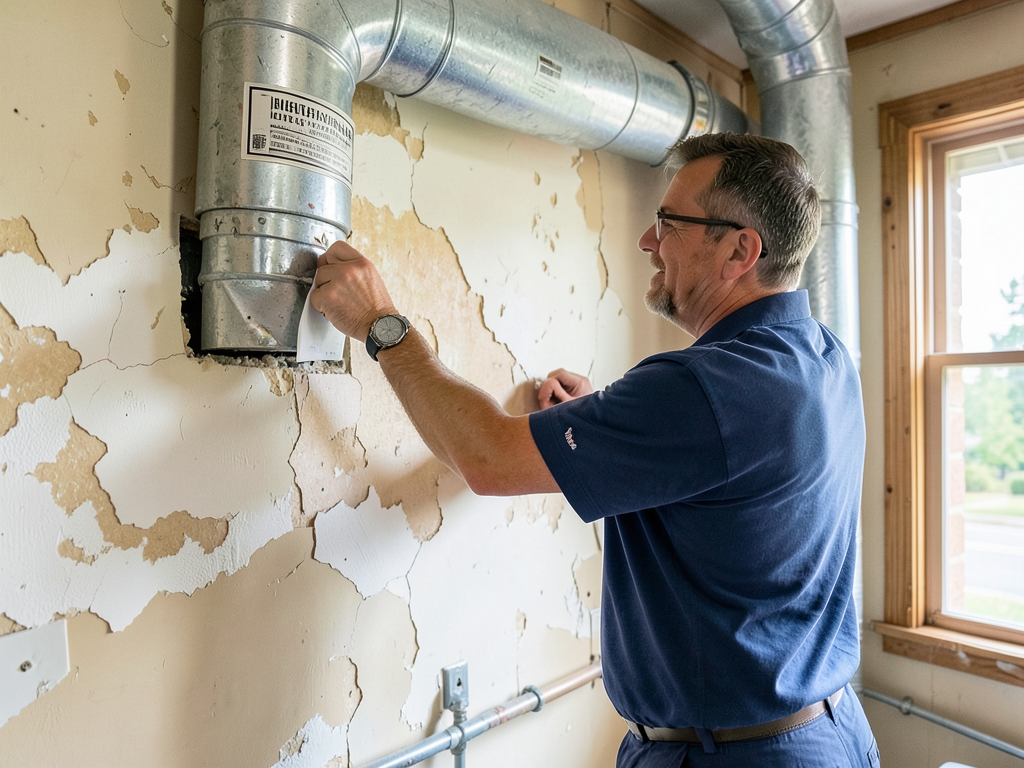
What to expect during an HVAC upgrade in a historic Hough neighborhood home
Upgrading HVAC in a historic Hough neighborhood home requires balancing modern comfort with strict preservation standards. Cleveland’s Landmarks Commission mandates specific approval processes, and homes built before 1940 often lack ductwork entirely. You’ll need to navigate permitting, select preservation-approved systems like high-velocity or ductless mini-splits, and work with contractors experienced in historic renovations. The process typically takes 4-8 weeks from consultation to final inspection, with additional time for Landmarks Commission approval if exterior modifications are needed. Cleveland Landmarks Commission.
Understanding Cleveland’s Historic District Requirements
The Cleveland Landmarks Commission enforces the Secretary of the Interior’s Standards for Rehabilitation, which means any exterior HVAC components must maintain the home’s historical character. For Hough properties, this often involves submitting detailed plans showing how condensers will be positioned and how refrigerant lines will be concealed. The commission reviews applications for Certificate of Appropriateness (COA) within 30 days, though complex projects may take longer. Secretary of the Interior’s Standards for Rehabilitation.
Preservation-Approved HVAC System Options
High-velocity systems like Unico or SpacePak use small, flexible ducts that fit within existing wall cavities without major demolition. These systems deliver conditioned air through 2-inch ducts that can be snaked through lath and plaster walls with minimal damage. Ductless mini-split systems offer another preservation-friendly option since they require only small wall penetrations for line sets and can be mounted on interior walls away from historic facades. How Much Does a New Central Air System Cost in Northeast Ohio?.
Navigating the Certificate of Appropriateness Process
Before any exterior work begins, you must submit a COA application to the Cleveland Landmarks Commission. The application requires detailed drawings showing the proposed HVAC location, materials, and how the installation will affect the historic character. For Hough homes, this often means positioning condensers in rear yards where they’re less visible from public streets. The commission evaluates whether the proposal meets the four regulatory criteria: compatibility with the historic district, minimal visual impact, reversibility, and preservation of significant architectural features.. Read more about What to look for in an HVAC system when touring homes in Lee-Harvard.
Installation Techniques That Preserve Historic Integrity
Professional installers use specialized techniques to protect historic materials during HVAC upgrades. This includes using slimduct line-set covers that match existing trim colors, routing refrigerant lines through existing chases or unused chimney flues, and installing return air grilles that complement original woodwork. For homes with original plaster walls, technicians often create access panels that can be removed for future maintenance without destroying the wall surface. Commercial HVAC Maintenance for Businesses in Downtown Cleveland.
Energy Efficiency in Historic Homes
Historic Hough homes typically have poor insulation and air sealing compared to modern construction. Before installing new HVAC equipment, a professional energy audit can identify thermal envelope weaknesses. Common issues include single-pane windows, uninsulated walls, and gaps around foundation and roof penetrations. Addressing these issues first allows for proper HVAC sizing and can reduce equipment costs by 15-20% since smaller systems can handle the improved load.
Financial Incentives and Tax Credits
Ohio offers historic preservation tax credits for qualified rehabilitation projects, including HVAC upgrades that meet specific criteria. The Ohio Historic Preservation Tax Credit can cover up to 25% of qualified expenses for work that maintains the building’s historic character. Additionally, federal tax credits may be available for energy-efficient HVAC equipment installed in existing homes, though eligibility requirements vary by equipment type and installation date.
Timeline and Project Management
A typical HVAC upgrade in a historic Hough home follows this sequence: initial consultation and energy audit (1-2 weeks), system design and Landmarks Commission submission (2-4 weeks for approval), equipment procurement (1-2 weeks), installation (3-5 days), and final inspections (1 week). Weather can affect outdoor work schedules, particularly during Cleveland’s lake-effect snow season from November through March.
Common Challenges and Solutions
Historic homes present unique HVAC challenges that require creative solutions. For example, many Hough homes lack adequate electrical service for modern HVAC equipment, requiring electrical panel upgrades. Some properties have asbestos or lead paint that must be properly contained during installation. Professional contractors familiar with historic renovations know how to address these issues while maintaining compliance with all safety regulations.
Choosing the Right Contractor
Not all HVAC contractors have experience with historic properties. Look for companies that employ technicians certified by North American Technician Excellence (NATE) and have specific experience with historic preservation projects. Ask for references from similar projects in Cleveland’s historic districts and verify that they understand the Landmarks Commission requirements. A qualified contractor will handle the COA process, coordinate with inspectors, and ensure all work meets both modern efficiency standards and historic preservation guidelines.
Maintenance Considerations for Historic Homes
Once your new HVAC system is installed, maintenance requirements differ slightly from modern homes. Historic properties often have unique air distribution challenges due to their original design. Regular filter changes, annual professional tune-ups, and monitoring for unusual sounds or smells become even more critical. Some historic homes benefit from zoning systems that allow different temperature control in various areas, reducing energy waste while maintaining comfort. Weird Smells from Vents.
Case Study: Successful Historic HVAC Retrofit
A recent project on East 79th Street in Hough involved replacing a 1920s boiler system with a high-velocity HVAC system. The installation team worked with the Landmarks Commission to position the outdoor condenser unit behind a decorative fence that matched the home’s architectural style. The project maintained all original woodwork and plaster while providing modern cooling and improved heating efficiency. Post-installation energy monitoring showed a 35% reduction in heating costs during the first winter. Replacing an Old Furnace in a Historic Shaker Heights Home.
Frequently Asked Questions
How long does Landmarks Commission approval take?
Standard applications typically receive a decision within 30 days. Complex projects involving significant exterior changes may take 45-60 days. Expedited review is available for emergency repairs but rarely applies to planned HVAC upgrades. Fast and Local AC Repair Services in Solon and Surrounding Areas.
Can I install a traditional central air system in my historic home?
Traditional ducted systems are possible but often require extensive demolition to install ductwork. Most historic preservation guidelines prefer high-velocity or ductless systems that minimize structural impact. Your contractor can assess whether traditional ductwork is feasible for your specific home.
What if my home has asbestos or lead paint?
Homes built before 1978 may contain lead paint, and those from the 1950s-60s might have asbestos. Professional contractors must follow EPA lead-safe practices and OSHA asbestos handling protocols. Testing may be required before work begins, and specialized containment procedures must be followed during installation.
Are there financing options available?
Several financing programs exist for energy-efficient home improvements. The Cleveland Restoration Society offers low-interest loans through their Heritage Home Program. Additionally, many HVAC contractors provide financing plans, and utility companies sometimes offer rebates for high-efficiency equipment installations.
Will new HVAC affect my home’s historic designation?
Properly installed HVAC systems that maintain the home’s historic character will not affect its designation. The key is working with professionals who understand preservation guidelines and obtaining necessary approvals before beginning work. Many historic homes successfully incorporate modern systems while maintaining their historical integrity.
Call (216) 530-9077 today to schedule your inspection and learn how we can help you navigate the historic HVAC upgrade process in Hough. Our team has extensive experience working with Cleveland’s Landmarks Commission and understands the unique challenges of preserving historic homes while providing modern comfort.
Don’t wait until summer heat or winter cold makes your outdated system unbearable. Contact us now to start the process of upgrading your historic home’s HVAC system the right way.
You may also find this helpful. Choosing between Trane and Carrier for the harsh Northeast Ohio climate.
You may also find this helpful. Smart ways to soundproof your mechanical room in a quiet Gates Mills neighborhood.
{
“@context”: “https://schema.org”,
“@type”: “BlogPosting”,
“headline”: “What to expect during an HVAC upgrade in a historic Hough neighborhood home”,
“description”: “Learn the Cleveland Landmarks Commission process, preservation-approved systems, and installation techniques for upgrading HVAC in Hough’s historic homes without compromising architectural integrity.”,
“wordCount”: 1258,
“datePublished”: “2026-06-05T10:23:00.000Z”,
“dateModified”: “2026-06-05T10:23:00.000Z”,
“inLanguage”: “en-US”,
“mainEntityOfPage”: {
“@type”: “WebPage”,
“@id”: “https://acehvaccleveland.com”
},
“publisher”: {
“@type”: “LocalBusiness”,
“name”: “Ace HVAC Cleveland”,
“url”: “https://acehvaccleveland.com”
},
“author”: {
“@type”: “Organization”,
“name”: “Ace HVAC Cleveland”,
“url”: “https://acehvaccleveland.com”
},
“image”: {
“@type”: “ImageObject”,
“url”: “https://acehvaccleveland.com/wp-content/uploads/2026/03/what-to-expect-during-an-hvac-upgrade-in-a-histori-1.png”
}
}
{
“@context”: “https://schema.org”,
“@type”: “HVACBusiness”,
“name”: “Ace HVAC Cleveland”,
“url”: “https://acehvaccleveland.com”,
“address”: {
“@type”: “PostalAddress”,
“addressLocality”: “Cleveland”
},
“areaServed”: {
“@type”: “City”,
“name”: “Cleveland”
}
}
{
“@context”: “https://schema.org”,
“@type”: “FAQPage”,
“mainEntity”: [
{
“@type”: “Question”,
“name”: “How long does Landmarks Commission approval take?”,
“acceptedAnswer”: {
“@type”: “Answer”,
“text”: “Standard applications typically receive a decision within 30 days. Complex projects involving significant exterior changes may take 45-60 days. Expedited review is available for emergency repairs but rarely applies to planned HVAC upgrades. Fast and Local AC Repair Services in Solon and Surrounding Areas.”
}
},
{
“@type”: “Question”,
“name”: “Can I install a traditional central air system in my historic home?”,
“acceptedAnswer”: {
“@type”: “Answer”,
“text”: “Traditional ducted systems are possible but often require extensive demolition to install ductwork. Most historic preservation guidelines prefer high-velocity or ductless systems that minimize structural impact. Your contractor can assess whether traditional ductwork is feasible for your specific home.”
}
},
{
“@type”: “Question”,
“name”: “What if my home has asbestos or lead paint?”,
“acceptedAnswer”: {
“@type”: “Answer”,
“text”: “Homes built before 1978 may contain lead paint, and those from the 1950s-60s might have asbestos. Professional contractors must follow EPA lead-safe practices and OSHA asbestos handling protocols. Testing may be required before work begins, and specialized containment procedures must be followed during installation.”
}
},
{
“@type”: “Question”,
“name”: “Are there financing options available?”,
“acceptedAnswer”: {
“@type”: “Answer”,
“text”: “Several financing programs exist for energy-efficient home improvements. The Cleveland Restoration Society offers low-interest loans through their Heritage Home Program. Additionally, many HVAC contractors provide financing plans, and utility companies sometimes offer rebates for high-efficiency equipment installations.”
}
},
{
“@type”: “Question”,
“name”: “Will new HVAC affect my home’s historic designation?”,
“acceptedAnswer”: {
“@type”: “Answer”,
“text”: “Properly installed HVAC systems that maintain the home’s historic character will not affect its designation. The key is working with professionals who understand preservation guidelines and obtaining necessary approvals before beginning work. Many historic homes successfully incorporate modern systems while maintaining their historical integrity.”
}
}
]
}
{
“@context”: “https://schema.org”,
“@type”: “BreadcrumbList”,
“itemListElement”: [
{
“@type”: “ListItem”,
“position”: 1,
“name”: “Home”,
“item”: “https://acehvaccleveland.com”
},
{
“@type”: “ListItem”,
“position”: 2,
“name”: “Blog”,
“item”: “https://acehvaccleveland.com/blog”
},
{
“@type”: “ListItem”,
“position”: 3,
“name”: “What to expect during an HVAC upgrade in a historic Hough neighborhood home”
}
]
}
{
“@context”: “https://schema.org”,
“@type”: “Service”,
“serviceType”: “HVAC”,
“provider”: {
“@type”: “LocalBusiness”,
“name”: “Ace HVAC Cleveland”,
“url”: “https://acehvaccleveland.com”
},
“areaServed”: {
“@type”: “City”,
“name”: “Cleveland”
},
“description”: “Learn the Cleveland Landmarks Commission process, preservation-approved systems, and installation techniques for upgrading HVAC in Hough’s historic homes without compromising architectural integrity.”
}