
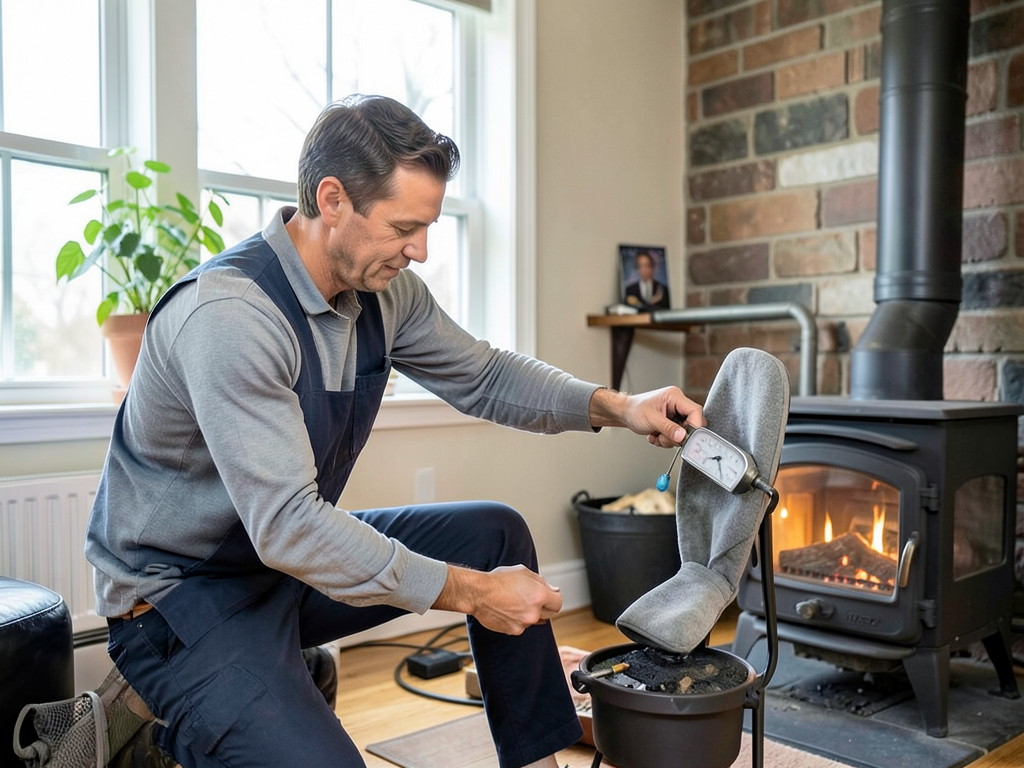
Ventilation Tips for Homes with Both a Furnace and a Wood Burning Stove in Russell
Living in Russell means you already know how brutal Cleveland winters can get. Many homeowners here use both a central furnace and a wood-burning stove to stay warm. While this combination can be effective, it also creates unique ventilation challenges that most people never think about until something goes wrong. How Much Does a New Central Air System Cost in Northeast Ohio?.
The main issue is pressure balance. When your furnace and wood stove compete for air, you can get backdrafting, carbon monoxide leaks, or rooms that stay cold no matter how high you crank the heat. Understanding how these systems interact is the first step to keeping your home safe and comfortable all winter long. Replacing an Old Furnace in a Historic Shaker Heights Home.
How Wood Stoves and Forced Air Systems Work Together
Wood stoves heat by radiation and convection in a single room. Furnaces use ductwork to distribute heat throughout the house. When both run at the same time, they create competing air pressure zones that can cause serious problems.. Read more about Solving Dust Problems in Woodmere Homes with Duct Repair Instead of Just Cleaning.
A wood stove needs combustion air to burn. In older Russell homes, this air often comes from inside the house through gaps and cracks. Your furnace also needs air for combustion and to push heated air through ducts. When both systems are running, they can create negative pressure that pulls dangerous gases back down the chimney.. Read more about What South Russell homeowners need to know about heating a new attic conversion.
The physics gets complicated fast. A typical wood stove might draw 20-50 cubic feet per minute of air up the chimney. Your furnace blower might move 1,200 CFM through the ducts. If your house isn’t getting enough makeup air, the stove can backdraft and fill your living room with smoke or carbon monoxide.
The Physics of Heat Distribution: Why Your Back Rooms Stay Cold
Heat naturally moves from warm areas to cold areas. When your wood stove heats one room to 80 degrees, the heat wants to spread. But your furnace ductwork was designed to move air from a central location, not to capture heat from a distant corner.
This creates a stratification problem. The room with the stove gets too hot while bedrooms and bathrooms stay cold. The temperature difference can be 15-20 degrees between rooms. Your furnace runs constantly trying to catch up, wasting energy and wearing out components faster.
The solution involves understanding heat transfer principles. Warm air rises and cold air sinks. Without proper circulation, you get layers of different temperatures throughout your home. The key is moving that stove heat to where you actually need it.
3 Ways to Use Your HVAC Fan to Circulate Wood Heat
Your furnace blower can be your best friend for wood stove heat distribution. Here are three proven methods that work in Russell homes.
The ‘Fan On’ Method vs. Dedicated Return Air
Most thermostats have a ‘Fan On’ setting that runs the blower continuously without heating. This circulates air constantly, moving wood heat from the stove room to the rest of the house. Set your thermostat to 68 degrees and the fan to ‘On’ for 24/7 circulation.
The dedicated return air method is more sophisticated. Install a return air grille near the wood stove to capture hot air. The furnace pulls this warm air from the stove room, heats it further if needed, and distributes it through the ducts. This can raise the temperature in distant rooms by 8-12 degrees.
The key difference is efficiency. ‘Fan On’ just moves air around. Dedicated return air actually uses your furnace’s heating capacity to boost the wood stove’s output. In Cleveland’s extreme cold, this extra heating power matters.
Critical Safety: Preventing Backdrafting and Negative Pressure
Backdrafting is when your wood stove or furnace chimney pulls combustion gases back into your home instead of venting them outside. This can happen when powerful exhaust fans, clothes dryers, or even your furnace create negative pressure in the house.
The danger signs are unmistakable. You might smell smoke when the stove isn’t burning, see soot around the stove door, or notice that the fire burns poorly or goes out completely. Carbon monoxide detectors might alarm. These are emergency situations that require immediate attention.
Testing for negative pressure is simple but critical. Hold a smoking incense stick near the stove door when the furnace is running. If the smoke gets pulled into the stove instead of rising up the chimney, you have a problem. This test should be done by a professional who can measure exact pressure differentials.
Ohio Building Codes for Wood-HVAC Integration
Ohio Residential Code Section 24 requires specific clearances and ventilation for wood-burning appliances. The code mandates at least 12 square inches of combustion air opening for every 1,000 BTUs of stove output. For a typical 50,000 BTU stove, that’s 600 square inches of dedicated makeup air. Ohio Residential Code Section 24.
Local amendments in Cuyahoga County add another layer. Homes in Russell must have either a dedicated outside air kit for the wood stove or a mechanical ventilation system that provides makeup air. Simply cracking a window doesn’t meet code requirements and can actually make pressure problems worse. Fast and Local AC Repair Services in Solon and Surrounding Areas.
The Cleveland Department of Building and Housing also requires permits for any modification to existing HVAC systems that affects combustion air. This includes adding return air grilles near wood stoves or installing dedicated makeup air units. Skipping permits can result in fines and insurance problems if something goes wrong. EPA wood stove efficiency guidelines.
Recommended Equipment: Inline Fans and Smart Thermostats
Inline fans can dramatically improve wood stove heat distribution. These fans mount in your ductwork and boost airflow to specific zones. A 200 CFM inline fan can push heat from the stove room to a cold bedroom 30 feet away. The cost is typically $150-300 plus installation.
Smart thermostats with remote sensors offer another solution. Place sensors in cold rooms and program the thermostat to run the fan when those rooms drop below your target temperature. This automatically circulates heat where you need it without wasting energy heating rooms that are already warm.
For the ultimate setup, consider a dedicated wood stove heat recovery ventilator. These systems capture heat from the stove room and distribute it through your existing ductwork. They include built-in makeup air provisions to prevent negative pressure. Installation costs range from $1,200 to $2,500 but can pay for themselves in reduced furnace runtime.
Maintenance Tips for Cleveland’s Heating Season
Cleveland’s freeze-thaw cycles create unique maintenance challenges. Wood stove chimneys can develop creosote faster in our humid climate. Have your chimney professionally cleaned and inspected every fall before burning season starts. A professional cleaning removes dangerous creosote buildup that can cause chimney fires. Commercial HVAC Maintenance for Businesses in Downtown Cleveland.
Check your furnace filter monthly during heavy use. Cleveland’s lake-effect snow and road salt create more airborne particulates than inland areas. A dirty filter reduces airflow, making your furnace work harder and reducing the effectiveness of your wood stove heat distribution system.
Test your carbon monoxide detectors monthly. Homes with wood stoves should have detectors on every level, especially near sleeping areas. Replace batteries twice a year when you change your clocks. Carbon monoxide is odorless and deadly – don’t take chances.
Inspect your ductwork annually for leaks. Cleveland’s temperature swings cause metal ducts to expand and contract, loosening joints over time. Leaky ducts waste 20-30% of your heated air. A professional duct inspection with a blower door test can identify problems you can’t see.
Frequently Asked Questions
Can I run my furnace and wood stove at the same time?
Yes, but you need proper ventilation to prevent backdrafting. Install a dedicated makeup air kit for your wood stove or use a heat recovery ventilator. Test for negative pressure before regular use.
How much does it cost to install a makeup air unit?
A basic makeup air kit for a wood stove costs $300-600 in materials. Professional installation in Russell typically runs $400-800, depending on your home’s configuration and local permit requirements.
Will running my furnace fan all winter increase my electric bill?
Running a standard furnace blower continuously adds about $15-25 to your monthly electric bill. However, improved heat distribution can reduce your overall heating costs by 10-15%, often saving more than the extra electricity costs.. Read more about How to stop annoying static electricity shocks in your Broadview Heights home this winter.
What size wood stove do I need for my home?
Calculate your home’s square footage and multiply by 30-35 BTUs per square foot for Cleveland’s climate. A 1,500 square foot home needs about 45,000-52,500 BTUs. Choose a stove rated slightly above your calculated need for cold snaps.
Do I need a permit to install a wood stove in Russell?
Yes. The Cleveland Department of Building and Housing requires permits for wood stove installation. You’ll need to submit plans showing clearances, floor protection, and ventilation. Inspections are required before and after installation.
How often should I clean my wood stove chimney?
Clean your chimney when creosote buildup exceeds 1/8 inch thickness. For most Cleveland homes burning 3-4 cords per season, this means cleaning once or twice per heating season. Homes burning pine or wet wood may need more frequent cleaning.
Can I use my existing ductwork to distribute wood stove heat?
Yes, but it requires modifications. Install a return air grille near the stove and use your furnace blower to circulate the heat. You may need to balance your ductwork to ensure even distribution throughout the house.
What’s the best thermostat setting for homes with wood stoves?
Set your thermostat to 68 degrees with the fan on ‘Auto’ when you’re burning wood. Switch to ‘On’ when the fire dies down to continue circulating residual heat. Use smart thermostat sensors to target specific cold areas.
How do I prevent my pipes from freezing when using a wood stove?
Wood stoves can create cold spots in distant rooms where pipes are located. Insulate exposed pipes and consider running your furnace occasionally even when burning wood. A minimum temperature of 55 degrees in all rooms prevents freezing.
Is it safe to leave a wood stove burning overnight?
Yes, if you follow safety guidelines. Use seasoned hardwood, maintain proper clearances, and install working smoke and carbon monoxide detectors. Never leave a fire unattended without these safety measures in place.
What’s the difference between a wood stove and a fireplace for heating?
Wood stoves are 70-80% efficient while fireplaces are only 10-20% efficient. Stoves provide more heat with less wood and offer better control over combustion. Fireplaces primarily provide ambiance rather than practical heating.
How do I know if my wood stove is backdrafting?
Signs include smoke entering the room when the stove door is closed, difficulty starting or maintaining a fire, soot around the stove, and carbon monoxide detector alarms. A professional pressure test can confirm backdrafting issues.
Call (216) 530-9077 Today to Schedule Your Safety Inspection
Don’t wait until something goes wrong to check your wood stove and furnace setup. A professional inspection can identify dangerous backdrafting, code violations, and efficiency problems before they become emergencies. Our NATE-certified technicians understand Russell’s unique heating challenges and can recommend solutions that keep your family safe and warm all winter long.
Pick up the phone and call (216) 530-9077 before the next cold snap hits. We offer same-day inspections and can often complete necessary repairs or upgrades in a single visit. Your safety and comfort are worth the call.
You may also find this helpful. Why your North Perry windows are covered in condensation every winter morning.
{
“@context”: “https://schema.org”,
“@type”: “BlogPosting”,
“headline”: “Ventilation Tips for Homes with Both a Furnace and a Wood Burning Stove in Russell”,
“description”: “Learn how to safely integrate a wood stove with your furnace in Russell. Discover local code requirements, pressure balance solutions, and expert HVAC tips for Cleveland winters.”,
“wordCount”: 1909,
“datePublished”: “2026-05-07T14:48:00.000Z”,
“dateModified”: “2026-05-07T14:48:00.000Z”,
“inLanguage”: “en-US”,
“mainEntityOfPage”: {
“@type”: “WebPage”,
“@id”: “https://acehvaccleveland.com”
},
“publisher”: {
“@type”: “LocalBusiness”,
“name”: “Ace HVAC Cleveland”,
“url”: “https://acehvaccleveland.com”
},
“author”: {
“@type”: “Organization”,
“name”: “Ace HVAC Cleveland”,
“url”: “https://acehvaccleveland.com”
},
“image”: {
“@type”: “ImageObject”,
“url”: “https://acehvaccleveland.com/wp-content/uploads/2026/03/ventilation-tips-for-homes-with-both-a-furnace-and-1.png”
}
}
{
“@context”: “https://schema.org”,
“@type”: “HVACBusiness”,
“name”: “Ace HVAC Cleveland”,
“url”: “https://acehvaccleveland.com”,
“address”: {
“@type”: “PostalAddress”,
“addressLocality”: “Cleveland”
},
“areaServed”: {
“@type”: “City”,
“name”: “Cleveland”
}
}
{
“@context”: “https://schema.org”,
“@type”: “FAQPage”,
“mainEntity”: [
{
“@type”: “Question”,
“name”: “Can I run my furnace and wood stove at the same time?”,
“acceptedAnswer”: {
“@type”: “Answer”,
“text”: “Yes, but you need proper ventilation to prevent backdrafting. Install a dedicated makeup air kit for your wood stove or use a heat recovery ventilator. Test for negative pressure before regular use.”
}
},
{
“@type”: “Question”,
“name”: “How much does it cost to install a makeup air unit?”,
“acceptedAnswer”: {
“@type”: “Answer”,
“text”: “A basic makeup air kit for a wood stove costs $300-600 in materials. Professional installation in Russell typically runs $400-800, depending on your home’s configuration and local permit requirements.”
}
},
{
“@type”: “Question”,
“name”: “Will running my furnace fan all winter increase my electric bill?”,
“acceptedAnswer”: {
“@type”: “Answer”,
“text”: “Running a standard furnace blower continuously adds about $15-25 to your monthly electric bill. However, improved heat distribution can reduce your overall heating costs by 10-15%, often saving more than the extra electricity costs.”
}
},
{
“@type”: “Question”,
“name”: “What size wood stove do I need for my home?”,
“acceptedAnswer”: {
“@type”: “Answer”,
“text”: “Calculate your home’s square footage and multiply by 30-35 BTUs per square foot for Cleveland’s climate. A 1,500 square foot home needs about 45,000-52,500 BTUs. Choose a stove rated slightly above your calculated need for cold snaps.”
}
},
{
“@type”: “Question”,
“name”: “Do I need a permit to install a wood stove in Russell?”,
“acceptedAnswer”: {
“@type”: “Answer”,
“text”: “Yes. The Cleveland Department of Building and Housing requires permits for wood stove installation. You’ll need to submit plans showing clearances, floor protection, and ventilation. Inspections are required before and after installation.”
}
},
{
“@type”: “Question”,
“name”: “How often should I clean my wood stove chimney?”,
“acceptedAnswer”: {
“@type”: “Answer”,
“text”: “Clean your chimney when creosote buildup exceeds 1/8 inch thickness. For most Cleveland homes burning 3-4 cords per season, this means cleaning once or twice per heating season. Homes burning pine or wet wood may need more frequent cleaning.”
}
},
{
“@type”: “Question”,
“name”: “Can I use my existing ductwork to distribute wood stove heat?”,
“acceptedAnswer”: {
“@type”: “Answer”,
“text”: “Yes, but it requires modifications. Install a return air grille near the stove and use your furnace blower to circulate the heat. You may need to balance your ductwork to ensure even distribution throughout the house.”
}
},
{
“@type”: “Question”,
“name”: “What’s the best thermostat setting for homes with wood stoves?”,
“acceptedAnswer”: {
“@type”: “Answer”,
“text”: “Set your thermostat to 68 degrees with the fan on ‘Auto’ when you’re burning wood. Switch to ‘On’ when the fire dies down to continue circulating residual heat. Use smart thermostat sensors to target specific cold areas.”
}
},
{
“@type”: “Question”,
“name”: “How do I prevent my pipes from freezing when using a wood stove?”,
“acceptedAnswer”: {
“@type”: “Answer”,
“text”: “Wood stoves can create cold spots in distant rooms where pipes are located. Insulate exposed pipes and consider running your furnace occasionally even when burning wood. A minimum temperature of 55 degrees in all rooms prevents freezing.”
}
},
{
“@type”: “Question”,
“name”: “Is it safe to leave a wood stove burning overnight?”,
“acceptedAnswer”: {
“@type”: “Answer”,
“text”: “Yes, if you follow safety guidelines. Use seasoned hardwood, maintain proper clearances, and install working smoke and carbon monoxide detectors. Never leave a fire unattended without these safety measures in place.”
}
},
{
“@type”: “Question”,
“name”: “What’s the difference between a wood stove and a fireplace for heating?”,
“acceptedAnswer”: {
“@type”: “Answer”,
“text”: “Wood stoves are 70-80% efficient while fireplaces are only 10-20% efficient. Stoves provide more heat with less wood and offer better control over combustion. Fireplaces primarily provide ambiance rather than practical heating.”
}
},
{
“@type”: “Question”,
“name”: “How do I know if my wood stove is backdrafting?”,
“acceptedAnswer”: {
“@type”: “Answer”,
“text”: “Signs include smoke entering the room when the stove door is closed, difficulty starting or maintaining a fire, soot around the stove, and carbon monoxide detector alarms. A professional pressure test can confirm backdrafting issues.”
}
}
]
}
{
“@context”: “https://schema.org”,
“@type”: “BreadcrumbList”,
“itemListElement”: [
{
“@type”: “ListItem”,
“position”: 1,
“name”: “Home”,
“item”: “https://acehvaccleveland.com”
},
{
“@type”: “ListItem”,
“position”: 2,
“name”: “Blog”,
“item”: “https://acehvaccleveland.com/blog”
},
{
“@type”: “ListItem”,
“position”: 3,
“name”: “Ventilation Tips for Homes with Both a Furnace and a Wood Burning Stove in Russell”
}
]
}
{
“@context”: “https://schema.org”,
“@type”: “Service”,
“serviceType”: “HVAC”,
“provider”: {
“@type”: “LocalBusiness”,
“name”: “Ace HVAC Cleveland”,
“url”: “https://acehvaccleveland.com”
},
“areaServed”: {
“@type”: “City”,
“name”: “Cleveland”
},
“description”: “Learn how to safely integrate a wood stove with your furnace in Russell. Discover local code requirements, pressure balance solutions, and expert HVAC tips for Cleveland winters.”
}