
The best places to install a thermostat in a Brooklyn bungalow for better accuracy
Finding the right spot for your thermostat can cut your energy bills by up to 15 percent and eliminate those frustrating hot and cold spots in your home. In a Brooklyn bungalow especially where century-old construction and urban heat island effects create unique challenges placement is everything. This guide shows you where to mount it for maximum accuracy and comfort.
The Golden Rule of Thermostat Placement
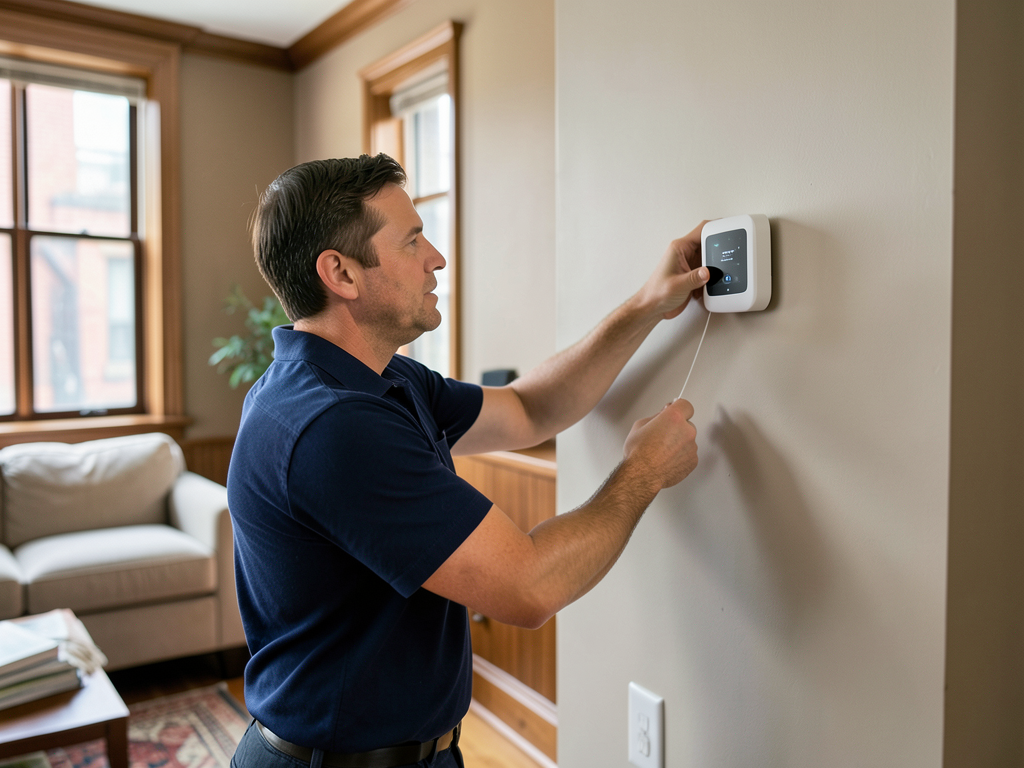
Mount your thermostat on an interior wall at least five feet above the floor and away from any direct sources of heat or cold. This height ensures the device senses the average air temperature in the room rather than a pocket of warm air rising from a baseboard or a cold draft near the floor. In Brooklyn bungalows interior walls also help avoid the thermal bridging that occurs along exterior walls where heat from summer sun can penetrate poorly insulated brownstone masonry.
5 Places to Never Install Your Thermostat
Direct sunlight streaming through a window can trick a thermostat into thinking your living room is 80 degrees when it is actually 68. Kitchens are another no-go zone; the heat from your oven or stove can cause short cycling and waste energy. Avoid drafty windows or doors where cold air rushes in during winter and never place the unit near supply vents where the blast of heated or cooled air will give a false reading. Hallway corners and areas near large electronics like TVs or lamps also create unreliable measurements. Reliable Boiler Repair Services for Older Lakewood Homes.
Brooklyn-Specific Considerations
Many homes in neighborhoods like Park Slope and Carroll Gardens were built before the 1940s with solid masonry walls and little to no insulation. In these houses an exterior wall thermostat location can produce “ghost readings” caused by the extreme temperature swings Brooklyn experiences in spring and fall. The city’s high humidity especially in brownstone basements can also cause condensation on poorly placed units leading to corrosion and inaccurate sensors. According to the NYC Department of Buildings Local Law 87 requires energy audits and retro-commissioning for buildings over 50000 square feet in Brooklyn zip codes 11215 11217 and 11238 which makes correct thermostat placement even more critical. NYC Department of Buildings regulations.
Smart Thermostat & Remote Sensor Strategy
Modern smart thermostats like the Nest Learning Thermostat or Ecobee SmartThermostat allow you to place the main unit in a central hallway while using remote sensors in frequently used rooms. This setup is ideal for Brooklyn’s multi-story brownstones where upstairs bedrooms may be several degrees warmer than downstairs living areas. Remote sensors communicate the actual room temperature back to the main thermostat allowing for more precise control and eliminating the “average temperature” guesswork. Some models even let you set priority rooms that the system will keep comfortable first a feature that can save energy in homes with uneven heating. How Much Does a New Central Air System Cost in Northeast Ohio?.
Energy Savings Data
| Placement Issue | Potential Energy Waste | Annual Cost Impact* |
|---|---|---|
| Direct sunlight exposure | 5-10% | $60-$120 |
| Near kitchen or vent | 10-15% | $120-$180 |
| Exterior wall in uninsulated home | 15-20% | $180-$240 |
| Correct central location | 0% | $0 |
*Based on average Brooklyn home using 800 therms of natural gas per year at $1.50/therm.
Professional Calibration vs. DIY
While moving a thermostat might seem like a weekend project improper wiring or poor location choice can create more problems than it solves. A licensed HVAC technician will test for voltage ensure the new location meets NEC safety standards and calibrate the unit so it communicates accurately with your furnace or air conditioner. In older Brooklyn homes they can also identify and seal air leaks around the mounting area further improving accuracy. If your home has a zoned system or a communicating furnace professional calibration is essential to avoid system conflicts. Replacing an Old Furnace in a Historic Shaker Heights Home.
Seasonal Calibration Tips
In Brooklyn where summer humidity can exceed 80 percent and winter wind chills drop below zero your thermostat’s performance can shift with the seasons. During cooling months keep the unit away from areas where sunlight heats walls in the afternoon. In winter avoid spots near frequently opened doors where cold drafts can cause unnecessary furnace cycling. If you use a programmable thermostat set separate schedules for heating and cooling seasons to match Brooklyn’s dramatic temperature swings.
Thermostat Height and Airflow
The five-foot rule is not arbitrary; it places the sensor in the middle of the “breathing zone” where most people spend their time. Mounting too low can cause the thermostat to react to cold drafts near the floor while mounting too high may expose it to rising warm air. In homes with ceiling fans this height also ensures the thermostat reads a well-mixed air sample rather than a stratified layer. For brownstones with open stairwells consider how rising heat might affect readings on upper floors and use remote sensors if needed.
Smart Home Integration
Modern thermostats integrate with smart home systems allowing voice control and remote adjustments via smartphone apps. In Brooklyn where sudden summer thunderstorms can change conditions rapidly this connectivity means you can adjust your home’s temperature before you arrive or after an unexpected cold snap. Some models also provide energy reports that show how placement affects usage giving you concrete data to justify a move if needed. Integration with whole-home humidifiers or dehumidifiers is especially useful in Brooklyn’s humid climate.
Common Mistakes and How to Avoid Them
One frequent error is mounting the thermostat directly above an existing electrical outlet which can expose it to heat from the wiring. Another is placing it near a bathroom where shower steam can cause false high readings. In finished basements avoid locations near sump pumps or laundry appliances where moisture levels fluctuate. If you are unsure perform a simple test: tape a small thermometer next to the proposed location for 24 hours and compare its readings to a central room average.
Final Checklist for Perfect Placement
- Choose an interior wall away from direct heat or cold sources.
- Mount at least five feet above the floor.
- Ensure the area is free from drafts sunlight and appliance heat.
- Verify there are no large furniture pieces blocking airflow to the unit.
- Test the location with a temporary thermometer before final installation.
Correct thermostat placement is one of the simplest ways to improve your home’s comfort and efficiency especially in Brooklyn’s challenging climate. If you are still experiencing uneven temperatures or high energy bills it may be time to call in a professional. Call (216) 530-9077 today to schedule your inspection and let our NATE-certified technicians find the perfect spot for your thermostat.
Frequently Asked Questions
Can I install a thermostat on an exterior wall in my Brooklyn bungalow?
Exterior walls are not ideal because they are subject to outside temperature swings and poor insulation which can cause inaccurate readings. Interior walls provide a more stable environment for your thermostat.
How far should a thermostat be from a supply vent?
Thermostats should be at least three feet away from supply vents to avoid the blast of conditioned air affecting the sensor. This distance helps ensure the thermostat reads the room’s average temperature rather than a localized hot or cold spot. Fast and Local AC Repair Services in Solon and Surrounding Areas.
Will a smart thermostat work better in an older Brooklyn home?
Yes smart thermostats with remote sensors can greatly improve comfort in older homes by allowing you to monitor and control temperatures in different rooms. This is especially helpful in Brooklyn bungalows where some areas may heat or cool unevenly due to construction and insulation differences.
How do I know if my thermostat is in a bad location?
Signs of poor placement include frequent short cycling of your HVAC system uneven room temperatures and higher than expected energy bills. If you notice these issues consider having a professional evaluate your thermostat’s location.
Is it worth moving my thermostat if it is not in the ideal spot?
If your thermostat is in a poor location moving it can lead to significant energy savings and improved comfort. The cost of professional relocation is often offset by lower utility bills and reduced wear on your HVAC system over time. For more information, visit U.S. Department of Energy thermostat guide.
You may also find this helpful. Keeping your baby’s nursery at a safe temperature in Richmond Heights.
{
“@context”: “https://schema.org”,
“@type”: “BlogPosting”,
“headline”: “The best places to install a thermostat in a Brooklyn bungalow for better accuracy”,
“description”: “Find the ideal thermostat location in your Brooklyn bungalow to improve comfort and cut energy bills. Learn local codes, smart strategies, and expert tips.”,
“wordCount”: 1394,
“datePublished”: “2026-03-27T08:50:00.000Z”,
“dateModified”: “2026-03-27T08:50:00.000Z”,
“inLanguage”: “en-US”,
“mainEntityOfPage”: {
“@type”: “WebPage”,
“@id”: “https://acehvaccleveland.com”
},
“publisher”: {
“@type”: “LocalBusiness”,
“name”: “Ace HVAC Cleveland”,
“url”: “https://acehvaccleveland.com”
},
“author”: {
“@type”: “Organization”,
“name”: “Ace HVAC Cleveland”,
“url”: “https://acehvaccleveland.com”
},
“image”: {
“@type”: “ImageObject”,
“url”: “https://acehvaccleveland.com/wp-content/uploads/2026/03/the-best-places-to-install-a-thermostat-in-a-brook-1.png”
}
}
{
“@context”: “https://schema.org”,
“@type”: “HVACBusiness”,
“name”: “Ace HVAC Cleveland”,
“url”: “https://acehvaccleveland.com”,
“address”: {
“@type”: “PostalAddress”,
“addressLocality”: “Cleveland”
},
“areaServed”: {
“@type”: “City”,
“name”: “Cleveland”
}
}
{
“@context”: “https://schema.org”,
“@type”: “FAQPage”,
“mainEntity”: [
{
“@type”: “Question”,
“name”: “Can I install a thermostat on an exterior wall in my Brooklyn bungalow?”,
“acceptedAnswer”: {
“@type”: “Answer”,
“text”: “Exterior walls are not ideal because they are subject to outside temperature swings and poor insulation which can cause inaccurate readings. Interior walls provide a more stable environment for your thermostat.”
}
},
{
“@type”: “Question”,
“name”: “How far should a thermostat be from a supply vent?”,
“acceptedAnswer”: {
“@type”: “Answer”,
“text”: “Thermostats should be at least three feet away from supply vents to avoid the blast of conditioned air affecting the sensor. This distance helps ensure the thermostat reads the room’s average temperature rather than a localized hot or cold spot. Fast and Local AC Repair Services in Solon and Surrounding Areas.”
}
},
{
“@type”: “Question”,
“name”: “Will a smart thermostat work better in an older Brooklyn home?”,
“acceptedAnswer”: {
“@type”: “Answer”,
“text”: “Yes smart thermostats with remote sensors can greatly improve comfort in older homes by allowing you to monitor and control temperatures in different rooms. This is especially helpful in Brooklyn bungalows where some areas may heat or cool unevenly due to construction and insulation differences.”
}
},
{
“@type”: “Question”,
“name”: “How do I know if my thermostat is in a bad location?”,
“acceptedAnswer”: {
“@type”: “Answer”,
“text”: “Signs of poor placement include frequent short cycling of your HVAC system uneven room temperatures and higher than expected energy bills. If you notice these issues consider having a professional evaluate your thermostat’s location.”
}
},
{
“@type”: “Question”,
“name”: “Is it worth moving my thermostat if it is not in the ideal spot?”,
“acceptedAnswer”: {
“@type”: “Answer”,
“text”: “If your thermostat is in a poor location moving it can lead to significant energy savings and improved comfort. The cost of professional relocation is often offset by lower utility bills and reduced wear on your HVAC system over time. For more information, visit U.S. Department of Energy thermostat guide.”
}
}
]
}
{
“@context”: “https://schema.org”,
“@type”: “BreadcrumbList”,
“itemListElement”: [
{
“@type”: “ListItem”,
“position”: 1,
“name”: “Home”,
“item”: “https://acehvaccleveland.com”
},
{
“@type”: “ListItem”,
“position”: 2,
“name”: “Blog”,
“item”: “https://acehvaccleveland.com/blog”
},
{
“@type”: “ListItem”,
“position”: 3,
“name”: “The best places to install a thermostat in a Brooklyn bungalow for better accuracy”
}
]
}
{
“@context”: “https://schema.org”,
“@type”: “Service”,
“serviceType”: “HVAC”,
“provider”: {
“@type”: “LocalBusiness”,
“name”: “Ace HVAC Cleveland”,
“url”: “https://acehvaccleveland.com”
},
“areaServed”: {
“@type”: “City”,
“name”: “Cleveland”
},
“description”: “Find the ideal thermostat location in your Brooklyn bungalow to improve comfort and cut energy bills. Learn local codes, smart strategies, and expert tips.”
}