
Smart ways to soundproof your mechanical room in a quiet Gates Mills neighborhood
The hum of your furnace or the rattle of your air conditioner can shatter the peaceful atmosphere of a Gates Mills home. Whether you live near the Chagrin River or in the wooded estates off River Road, mechanical room noise travels through walls and ductwork, disturbing family rooms and bedrooms. Fortunately, several proven soundproofing strategies can dramatically reduce HVAC noise while maintaining system efficiency and code compliance. How Much Does a New Central Air System Cost in Northeast Ohio?.
Understanding HVAC noise in Northeast Ohio homes
Gates Mills homes often feature mechanical rooms in basements or utility closets where furnaces, air handlers, and water heaters operate. These systems generate three main noise types: airborne sound from fans and compressors, structure-borne vibration from motors and pumps, and duct-borne noise from airflow turbulence. Northeast Ohio’s climate compounds these issues. Our humid summers force air conditioners to work harder, increasing compressor noise. Freezing winters cause metal ductwork to expand and contract, creating pops and rattles that echo through older Gates Mills homes. Replacing an Old Furnace in a Historic Shaker Heights Home.
Before investing in soundproofing materials, identify your noise source. A failing blower motor produces a high-pitched whine that no amount of insulation will fix. Loose duct connections create rattling that requires mechanical repair. Understanding whether you need acoustic treatment or mechanical service saves time and money. Fast and Local AC Repair Services in Solon and Surrounding Areas.
Vibration isolation pads stop structure-borne noise
Vibration isolation represents the most effective first step for mechanical room soundproofing. Compressors and air handlers mounted directly on concrete floors transmit vibrations through the structure, amplifying noise throughout your home. Specialized rubber or neoprene pads absorb these vibrations before they reach your foundation.
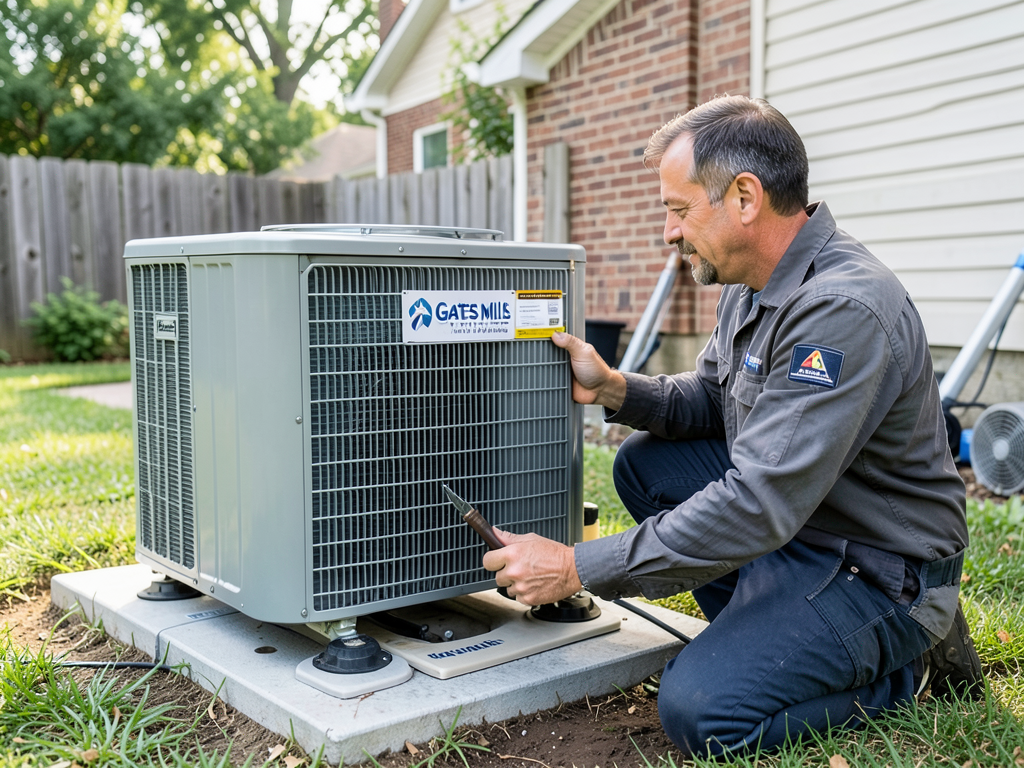
Installation requires lifting the equipment slightly to slide pads underneath. For outdoor condensers, anti-vibration mounts secure the unit to a concrete pad while isolating it from the ground. This prevents the condenser’s vibration from traveling through soil and into your basement walls. Gates Mills homes with finished basements particularly benefit from this approach since vibrations travel easily through concrete slabs.
Commercial-grade vibration isolation pads withstand Ohio’s temperature swings. They maintain elasticity in freezing conditions and resist compression set from constant vibration. Quality pads last 10-15 years, making them a cost-effective solution compared to repeated soundproofing material replacement. Commercial HVAC Maintenance for Businesses in Downtown Cleveland.
Sound blankets and compressor wraps reduce airborne noise
Sound blankets provide immediate noise reduction for outdoor condensers and indoor air handlers. These specialized acoustic wraps fit around compressor housings, absorbing sound waves before they reach your living spaces. Modern sound blankets use fire-resistant materials that won’t restrict airflow or cause overheating.
For Gates Mills homeowners concerned about aesthetics, compressor wraps maintain your home’s appearance while reducing noise by 5-10 decibels. This reduction makes a significant difference since each 10-decibel decrease represents roughly half the perceived loudness. A system that sounds like a loud conversation becomes more like normal speech.
Indoor sound blankets work similarly for air handlers and furnaces. These wraps fit around cabinet panels, reducing fan noise without interfering with air circulation. Some models include grommets for easy installation and removal during maintenance. HVAC Maintenance & Tune-Ups.
Acoustic duct liners prevent duct-borne noise transmission
Ductwork carries both conditioned air and noise throughout your home. Uninsulated metal ducts act like speaker systems, amplifying fan noise and transmitting it to every room. Acoustic duct liners solve this problem by lining the interior of ducts with sound-absorbing material.
UL 181 Class 1 duct liner meets fire safety requirements while providing excellent sound absorption. The material reduces both high-frequency fan noise and low-frequency rumble from air movement. For Gates Mills homes with open floor plans, this treatment prevents noise from traveling between rooms through shared duct systems.
Attic ducts particularly benefit from acoustic lining since they’re often closest to bedrooms and living areas. The material also provides thermal insulation, reducing energy loss through duct walls. This dual benefit makes acoustic lining a smart investment for older homes with inefficient duct systems.
Mass loaded vinyl barriers block sound transmission
Mass loaded vinyl (MLV) creates effective sound barriers for mechanical rooms and utility closets. This dense, flexible material blocks sound transmission through walls and doors. At 1-2 pounds per square foot, MLV adds mass that prevents sound waves from passing through.
Installation involves attaching MLV to walls, ceilings, and doors using construction adhesive or mechanical fasteners. The material works best when combined with resilient channels that decouple it from wall studs, preventing vibration transmission. For Gates Mills mechanical rooms in finished basements, MLV provides significant noise reduction without major construction.
MLV also works well for furnace closet doors. A simple MLV panel attached to a hollow-core door can reduce noise transmission by 50%. Some homeowners combine MLV with acoustic seals around door frames for maximum effectiveness.
Professional soundproofing vs. DIY approaches
DIY soundproofing products work for minor noise issues but fall short for persistent problems. Professional HVAC technicians diagnose noise sources using specialized equipment. They measure decibel levels, identify vibration frequencies, and determine whether noise stems from mechanical failure or normal operation.
Professional solutions often combine multiple approaches. A technician might recommend vibration isolation pads, sound blankets, and duct lining together. They also ensure modifications comply with building codes and manufacturer warranties. Improper soundproofing can restrict airflow, causing system overheating or reduced efficiency.
Professional installation guarantees proper fit and function. Technicians understand how soundproofing materials interact with HVAC components. They prevent common DIY mistakes like covering critical air intake vents or blocking condensate drain lines.
Seasonal considerations for Gates Mills soundproofing
Northeast Ohio’s dramatic temperature swings affect soundproofing effectiveness. Winter cold makes some acoustic materials brittle, reducing their sound absorption. Summer humidity can cause mold growth in improperly installed acoustic products. Professional installers choose materials rated for our climate extremes.
Fall and spring represent ideal times for soundproofing projects. Mild temperatures allow for comfortable working conditions, and you avoid the peak demand periods of summer AC installation and winter heating emergencies. Planning your project during these shoulder seasons often results in faster scheduling and potentially better pricing.
Seasonal maintenance also impacts noise levels. Dirty condenser coils force compressors to work harder, increasing noise. Loose fan belts create squealing sounds. Regular professional maintenance prevents these issues and maintains your soundproofing investment.
Building code compliance and safety considerations
Cuyahoga County building codes require maintaining proper clearances around HVAC equipment. Soundproofing modifications cannot block access panels, air intakes, or exhaust vents. The Ohio Mechanical Code specifically addresses fire safety around mechanical rooms, requiring non-combustible materials near gas-fired equipment. Cuyahoga County building codes.
Soundproofing materials must meet local fire safety standards. Class A fire-rated materials are required in many applications, particularly near gas furnaces or in mechanical rooms with gas water heaters. Professional installers understand these requirements and select appropriate materials.
Electrical code compliance also matters. Soundproofing cannot interfere with electrical connections or create fire hazards around wiring. Licensed HVAC professionals ensure all modifications maintain safe clearances from electrical components.
Cost factors and return on investment
Soundproofing costs vary based on the scope of work and materials selected. Basic vibration isolation pads cost $50-150 per unit. Sound blankets range from $100-300 depending on size and material quality. Complete mechanical room soundproofing projects typically cost $500-2,500.
Professional installation adds 30-50% to material costs but ensures proper application and code compliance. The investment often pays for itself through increased home comfort and potential energy savings from improved duct insulation. Some homeowners report better sleep quality and reduced stress from quieter living environments.
Insurance may cover some soundproofing costs if noise results from a covered loss, such as storm damage to your HVAC system. Check your policy or consult with your insurance agent about potential coverage.
Maintenance to prevent future noise issues
Regular maintenance prevents many noise problems before they start. Annual professional tune-ups include checking for loose components, worn bearings, and imbalanced fans. These inspections catch issues that cause noise and prevent more expensive repairs.
DIY maintenance includes checking and tightening accessible screws on access panels, ensuring vent covers are secure, and keeping the area around outdoor units clear of debris. These simple steps reduce rattling and vibration that amplify through your home.
Filter replacement also impacts noise levels. Dirty filters restrict airflow, forcing fans to work harder and creating whistling sounds. Monthly filter changes during peak heating and cooling seasons maintain quiet operation.
Smart home integration for noise monitoring
Modern smart home systems can monitor HVAC noise levels and alert you to unusual sounds. Smart sensors detect decibel changes that might indicate developing problems. Some systems integrate with your phone, sending notifications when noise exceeds normal ranges.
Smart thermostats often include diagnostic features that monitor system performance and sound patterns. They can detect abnormal compressor cycles or fan speeds that might indicate mechanical issues causing excess noise.
These technologies help you address noise problems early, before they become major issues requiring extensive repairs or soundproofing.
Frequently Asked Questions
Will soundproofing my HVAC system void my warranty?
Most manufacturer warranties remain valid if soundproofing materials don’t interfere with system operation or void safety certifications. However, modifications that restrict airflow or cause overheating may void coverage. Always check your warranty terms or consult with a licensed HVAC professional before making changes.
How much noise reduction can I expect from soundproofing?
Quality soundproofing typically reduces noise by 5-15 decibels, which translates to a 50-75% reduction in perceived loudness. The exact reduction depends on your specific system, the materials used, and the installation quality. Professional installations generally achieve better results than DIY approaches.
Can I soundproof my HVAC system myself?
Basic soundproofing like adding vibration pads or sound blankets is often DIY-friendly. However, modifications requiring electrical work, duct modifications, or equipment disassembly should be handled by licensed professionals. Improper modifications can create safety hazards or void warranties.
How long does professional HVAC soundproofing take?
Most soundproofing projects take 2-4 hours for a single system. Complete mechanical room soundproofing might require a full day. Complex installations involving multiple systems or extensive duct modifications could take 2-3 days. Your HVAC contractor can provide specific timelines based on your home’s configuration.
Will soundproofing make my system less efficient?
Properly installed soundproofing materials should not affect system efficiency. In fact, some soundproofing methods like acoustic duct lining can improve efficiency by reducing thermal loss. The key is ensuring modifications don’t restrict airflow or interfere with system operation.
What’s the best time of year for HVAC soundproofing?
Spring and fall are ideal for soundproofing projects. These shoulder seasons offer mild weather for working conditions and avoid the peak demand periods of summer AC repairs and winter heating emergencies. You’ll also experience less disruption to your comfort during these moderate temperature months.
Call (216) 530-9077 today to schedule your inspection
Don’t let HVAC noise disrupt your Gates Mills home’s peaceful atmosphere. Our experienced technicians understand Northeast Ohio’s unique climate challenges and can recommend the most effective soundproofing solutions for your specific situation. We’ll diagnose the noise source, explain your options, and provide a clear, upfront quote with no hidden fees.
Pick up the phone and call (216) 530-9077 before the next storm hits. Whether you need vibration isolation pads, sound blankets, or complete mechanical room soundproofing, we have the expertise to restore quiet to your home while maintaining system efficiency and code compliance. Serving Gates Mills and all of Greater Cleveland with 24/7 emergency service available. For more information, visit ASHRAE HVAC standards.
{
“@context”: “https://schema.org”,
“@type”: “BlogPosting”,
“headline”: “Smart ways to soundproof your mechanical room in a quiet Gates Mills neighborhood”,
“description”: “Quiet your noisy HVAC system with proven soundproofing techniques tailored for Gates Mills homes. Learn vibration isolation, acoustic blankets, and professional solutions from Cleveland experts.”,
“wordCount”: 1924,
“datePublished”: “2026-06-06T14:15:00.000Z”,
“dateModified”: “2026-06-06T14:15:00.000Z”,
“inLanguage”: “en-US”,
“mainEntityOfPage”: {
“@type”: “WebPage”,
“@id”: “https://acehvaccleveland.com”
},
“publisher”: {
“@type”: “LocalBusiness”,
“name”: “Ace HVAC Cleveland”,
“url”: “https://acehvaccleveland.com”
},
“author”: {
“@type”: “Organization”,
“name”: “Ace HVAC Cleveland”,
“url”: “https://acehvaccleveland.com”
},
“image”: {
“@type”: “ImageObject”,
“url”: “https://acehvaccleveland.com/wp-content/uploads/2026/03/smart-ways-to-soundproof-your-mechanical-room-in-a-1.png”
}
}
{
“@context”: “https://schema.org”,
“@type”: “HVACBusiness”,
“name”: “Ace HVAC Cleveland”,
“url”: “https://acehvaccleveland.com”,
“address”: {
“@type”: “PostalAddress”,
“addressLocality”: “Cleveland”
},
“areaServed”: {
“@type”: “City”,
“name”: “Cleveland”
}
}
{
“@context”: “https://schema.org”,
“@type”: “FAQPage”,
“mainEntity”: [
{
“@type”: “Question”,
“name”: “Will soundproofing my HVAC system void my warranty?”,
“acceptedAnswer”: {
“@type”: “Answer”,
“text”: “Most manufacturer warranties remain valid if soundproofing materials don’t interfere with system operation or void safety certifications. However, modifications that restrict airflow or cause overheating may void coverage. Always check your warranty terms or consult with a licensed HVAC professional before making changes.”
}
},
{
“@type”: “Question”,
“name”: “How much noise reduction can I expect from soundproofing?”,
“acceptedAnswer”: {
“@type”: “Answer”,
“text”: “Quality soundproofing typically reduces noise by 5-15 decibels, which translates to a 50-75% reduction in perceived loudness. The exact reduction depends on your specific system, the materials used, and the installation quality. Professional installations generally achieve better results than DIY approaches.”
}
},
{
“@type”: “Question”,
“name”: “Can I soundproof my HVAC system myself?”,
“acceptedAnswer”: {
“@type”: “Answer”,
“text”: “Basic soundproofing like adding vibration pads or sound blankets is often DIY-friendly. However, modifications requiring electrical work, duct modifications, or equipment disassembly should be handled by licensed professionals. Improper modifications can create safety hazards or void warranties.”
}
},
{
“@type”: “Question”,
“name”: “How long does professional HVAC soundproofing take?”,
“acceptedAnswer”: {
“@type”: “Answer”,
“text”: “Most soundproofing projects take 2-4 hours for a single system. Complete mechanical room soundproofing might require a full day. Complex installations involving multiple systems or extensive duct modifications could take 2-3 days. Your HVAC contractor can provide specific timelines based on your home’s configuration.”
}
},
{
“@type”: “Question”,
“name”: “Will soundproofing make my system less efficient?”,
“acceptedAnswer”: {
“@type”: “Answer”,
“text”: “Properly installed soundproofing materials should not affect system efficiency. In fact, some soundproofing methods like acoustic duct lining can improve efficiency by reducing thermal loss. The key is ensuring modifications don’t restrict airflow or interfere with system operation.”
}
},
{
“@type”: “Question”,
“name”: “What’s the best time of year for HVAC soundproofing?”,
“acceptedAnswer”: {
“@type”: “Answer”,
“text”: “Spring and fall are ideal for soundproofing projects. These shoulder seasons offer mild weather for working conditions and avoid the peak demand periods of summer AC repairs and winter heating emergencies. You’ll also experience less disruption to your comfort during these moderate temperature months.”
}
}
]
}
{
“@context”: “https://schema.org”,
“@type”: “BreadcrumbList”,
“itemListElement”: [
{
“@type”: “ListItem”,
“position”: 1,
“name”: “Home”,
“item”: “https://acehvaccleveland.com”
},
{
“@type”: “ListItem”,
“position”: 2,
“name”: “Blog”,
“item”: “https://acehvaccleveland.com/blog”
},
{
“@type”: “ListItem”,
“position”: 3,
“name”: “Smart ways to soundproof your mechanical room in a quiet Gates Mills neighborhood”
}
]
}
{
“@context”: “https://schema.org”,
“@type”: “Service”,
“serviceType”: “HVAC”,
“provider”: {
“@type”: “LocalBusiness”,
“name”: “Ace HVAC Cleveland”,
“url”: “https://acehvaccleveland.com”
},
“areaServed”: {
“@type”: “City”,
“name”: “Cleveland”
},
“description”: “Quiet your noisy HVAC system with proven soundproofing techniques tailored for Gates Mills homes. Learn vibration isolation, acoustic blankets, and professional solutions from Cleveland experts.”
}