
Reasons your Bedford furnace keeps turning on and off and how to stop it
Your furnace should run steady cycles throughout the day, not constantly start and stop like a car with a bad starter. When your Bedford home’s heating system turns on and off every few minutes, that’s called short cycling, and it’s more than just annoying. It’s wasting energy, wearing out components, and leaving your family in the cold. How Much Does a New Central Air System Cost in Northeast Ohio?.
Short cycling happens when your furnace shuts down before completing a full heating cycle. Instead of running for 10-15 minutes and then staying off for a while, it might run for just 2-5 minutes before shutting off again. This constant on-off pattern drives up your utility bills and can damage expensive parts like the blower motor and heat exchanger. Replacing an Old Furnace in a Historic Shaker Heights Home.
The good news is that many short cycling problems have simple fixes you can handle yourself. The bad news is that some causes point to serious safety issues that need immediate professional attention. Let’s walk through what’s happening and how to stop it before you’re stuck with no heat during a Cleveland winter storm.
5 Common causes of furnace short cycling
Understanding why your furnace behaves this way helps you decide whether to grab a screwdriver or call (216) 530-9077 for emergency service. Here are the most frequent culprits we see in Bedford homes. HVAC Rocky River.
1. Dirty air filter restricting airflow
When your furnace filter gets clogged with dust and debris, air can’t flow properly through the system. The heat exchanger gets too hot, the limit switch senses danger, and the furnace shuts down to prevent damage. Once it cools, it starts again, only to overheat and shut down once more.. Read more about Signs your furnace gas valve is failing and why it’s a safety priority in Brook Park.
Check your filter monthly during heating season. If it looks gray and you can’t see light through it, replace it with a new one. This simple fix costs less than $10 and often solves the problem immediately.
2. Thermostat placement or malfunction
Your thermostat might be in a bad location, like near a window, exterior wall, or heat register. It reads the wrong temperature and tells the furnace to shut off too soon. Or the thermostat itself could have dead batteries or internal problems.
Try replacing the batteries first. If that doesn’t help, check if the thermostat is near any heat sources or drafts. Sometimes just moving it a few feet makes a huge difference.
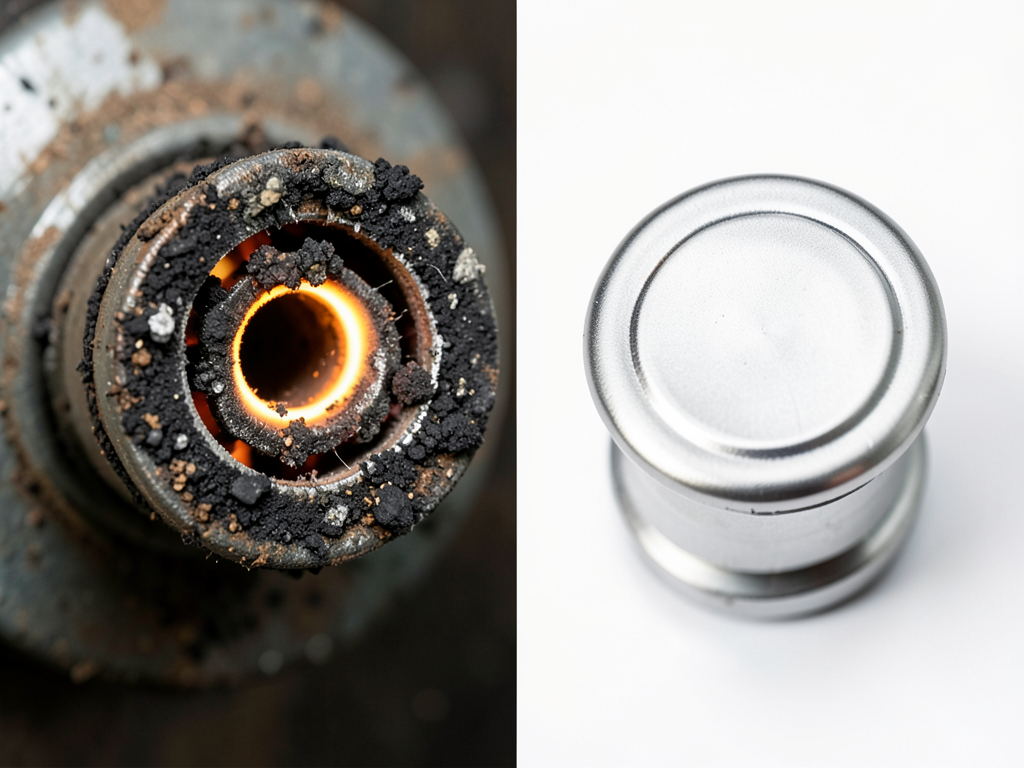
3. Dirty or corroded flame sensor
The flame sensor is a thin metal rod that detects whether the gas burners are lit. When it gets covered in carbon buildup, it can’t sense the flame properly. The furnace thinks the gas didn’t ignite, so it shuts down as a safety measure.
A technician can clean the flame sensor with fine sandpaper in about 15 minutes. This is one of the most common repairs we perform in Bedford during winter months. EPA carbon monoxide safety information.
4. Blocked exhaust vent or intake pipe
High-efficiency furnaces have plastic vent pipes that exit through your home’s side wall. Snow, ice, leaves, or even small animals can block these pipes. When the furnace can’t vent properly, pressure switches prevent it from running safely.
Check outside for any visible blockages near your vent pipes. Clear away snow and debris, but don’t insert anything into the pipes yourself.
5. Oversized furnace for your home
This is surprisingly common in older Bedford neighborhoods where furnaces were replaced over the years. If your furnace is too large for your home’s heating needs, it heats the space so quickly that the thermostat shuts it down before completing a proper cycle.
Proper sizing requires a Manual J calculation considering your home’s square footage, insulation, windows, and local climate. An oversized unit wastes energy and wears out faster. Fast and Local AC Repair Services in Solon and Surrounding Areas.
When short cycling becomes a safety emergency
Some short cycling causes aren’t just inconvenient, they’re dangerous. A cracked heat exchanger can leak carbon monoxide into your home. If you smell gas, hear unusual noises, or see yellow flames instead of blue, turn off your furnace immediately and call for help.
Carbon monoxide is odorless and deadly. Install CO detectors on every level of your home, especially near sleeping areas. Test them monthly and replace batteries twice a year.
Never ignore these warning signs:
- Yellow or flickering burner flames
- Soot around the furnace
- Excessive condensation on windows
- Headaches or flu-like symptoms when the heat is running
DIY troubleshooting steps for Bedford homeowners
Before calling for service, try these simple checks. They might save you a service call and get your heat working again quickly.
- Check the air filter
Locate your furnace filter, usually in the return air duct or inside the furnace cabinet. Remove it and hold it up to a light. If you can’t see light through it, replace it with a new filter of the same size.
- Inspect thermostat batteries
Most digital thermostats use AA or AAA batteries. Replace them even if the display still works, as low voltage can cause erratic behavior.
- Clear vent obstructions
Go outside and look at your furnace’s exhaust and intake pipes. Remove any visible snow, leaves, or debris within arm’s reach. Don’t use tools that could damage the pipes.
- Check for obvious issues
Look for loose wires, tripped breakers, or error codes on your furnace’s control board. Many modern furnaces display blinking lights that indicate specific problems.
If these steps don’t solve the problem, the issue likely involves internal components that require professional diagnosis and repair.
Professional solutions and what to expect
When DIY fixes don’t work, a certified technician will use specialized tools to diagnose the exact cause. Here’s what the process typically involves and what repairs might cost in the Cleveland area.
Technicians start with a multimeter test to check electrical components, measure gas pressure, and examine the heat exchanger for cracks. They’ll also check the blower motor’s amperage draw and test the high-limit switch operation.
Common repairs and their typical costs:
- Flame sensor cleaning: $75-150
- Thermostat replacement: $150-400
- Blower motor replacement: $400-800
- Limit switch replacement: $200-350
- Heat exchanger inspection/replacement: $500-2,500
According to the International Mechanical Code Section 1301.2, all gas-fired furnaces must have proper venting and safety controls. A professional repair ensures your system meets these requirements. International Mechanical Code furnace requirements.
Preventing future short cycling problems
Regular maintenance prevents most short cycling issues before they start. Schedule annual furnace tune-ups in early fall before heating season begins. A technician will clean components, check gas pressure, and identify worn parts before they fail. Commercial HVAC Maintenance for Businesses in Downtown Cleveland.
Change your air filter every 1-3 months depending on your home’s dust levels and whether you have pets. Homes with multiple pets or allergy sufferers might need monthly changes.
Keep vents and registers clear of furniture and rugs. Blocked registers force your furnace to work harder and can cause overheating. Also, make sure your return air grilles aren’t blocked by furniture or closed behind doors.
Consider a programmable or smart thermostat if you don’t have one. These maintain more consistent temperatures and can prevent short cycling caused by temperature swings.
Frequently Asked Questions
Can a dirty filter really cause my furnace to short cycle?
Yes. A clogged filter restricts airflow so much that the heat exchanger overheats. The limit switch shuts down the burners to prevent damage, then the cycle repeats once it cools. This is the most common DIY fix.
How often should a properly sized furnace cycle in Cleveland winters?
A correctly sized furnace should run for 10-15 minutes per cycle, then stay off for 20-30 minutes. During extreme cold snaps, it might run longer but should still complete full cycles rather than constantly starting and stopping.
Is it safe to keep running my furnace if it’s short cycling?
It depends on the cause. If it’s just a dirty filter, you’re probably fine running it until you can replace the filter. But if the problem involves gas valves, pressure switches, or the heat exchanger, continuing to run it could be dangerous. When in doubt, turn it off and call a professional.
How do I know if my furnace is oversized?
Signs include short cycling even with a clean filter, large temperature swings, and high energy bills. A Manual J calculation by a professional can determine if your furnace is properly sized for your home’s heating needs.
Don’t let short cycling leave you in the cold this winter. Many problems have simple fixes, but some require immediate professional attention. If your Bedford furnace won’t stop turning on and off, call (216) 530-9077 today to schedule your inspection. Our NATE-certified technicians can diagnose and repair the problem quickly, getting your home warm and comfortable again.
You may also find this helpful. Protecting your Highland Heights family from carbon monoxide leaks this winter.
{
“@context”: “https://schema.org”,
“@type”: “BlogPosting”,
“headline”: “Reasons your Bedford furnace keeps turning on and off and how to stop it”,
“description”: “Is your Bedford furnace short cycling? Learn the 5 most common causes from Cleveland HVAC pros and when to call for emergency repair before winter hits.”,
“wordCount”: 1480,
“datePublished”: “2026-03-26T11:01:00.000Z”,
“dateModified”: “2026-03-26T11:01:00.000Z”,
“inLanguage”: “en-US”,
“mainEntityOfPage”: {
“@type”: “WebPage”,
“@id”: “https://acehvaccleveland.com”
},
“publisher”: {
“@type”: “LocalBusiness”,
“name”: “Ace HVAC Cleveland”,
“url”: “https://acehvaccleveland.com”
},
“author”: {
“@type”: “Organization”,
“name”: “Ace HVAC Cleveland”,
“url”: “https://acehvaccleveland.com”
},
“image”: {
“@type”: “ImageObject”,
“url”: “https://acehvaccleveland.com/wp-content/uploads/2026/03/reasons-your-bedford-furnace-keeps-turning-on-and-1.png”
}
}
{
“@context”: “https://schema.org”,
“@type”: “HVACBusiness”,
“name”: “Ace HVAC Cleveland”,
“url”: “https://acehvaccleveland.com”,
“address”: {
“@type”: “PostalAddress”,
“addressLocality”: “Cleveland”
},
“areaServed”: {
“@type”: “City”,
“name”: “Cleveland”
}
}
{
“@context”: “https://schema.org”,
“@type”: “FAQPage”,
“mainEntity”: [
{
“@type”: “Question”,
“name”: “Can a dirty filter really cause my furnace to short cycle?”,
“acceptedAnswer”: {
“@type”: “Answer”,
“text”: “Yes. A clogged filter restricts airflow so much that the heat exchanger overheats. The limit switch shuts down the burners to prevent damage, then the cycle repeats once it cools. This is the most common DIY fix.”
}
},
{
“@type”: “Question”,
“name”: “How often should a properly sized furnace cycle in Cleveland winters?”,
“acceptedAnswer”: {
“@type”: “Answer”,
“text”: “A correctly sized furnace should run for 10-15 minutes per cycle, then stay off for 20-30 minutes. During extreme cold snaps, it might run longer but should still complete full cycles rather than constantly starting and stopping.”
}
},
{
“@type”: “Question”,
“name”: “Is it safe to keep running my furnace if it’s short cycling?”,
“acceptedAnswer”: {
“@type”: “Answer”,
“text”: “It depends on the cause. If it’s just a dirty filter, you’re probably fine running it until you can replace the filter. But if the problem involves gas valves, pressure switches, or the heat exchanger, continuing to run it could be dangerous. When in doubt, turn it off and call a professional.”
}
},
{
“@type”: “Question”,
“name”: “How do I know if my furnace is oversized?”,
“acceptedAnswer”: {
“@type”: “Answer”,
“text”: “Signs include short cycling even with a clean filter, large temperature swings, and high energy bills. A Manual J calculation by a professional can determine if your furnace is properly sized for your home’s heating needs.”
}
}
]
}
{
“@context”: “https://schema.org”,
“@type”: “HowTo”,
“name”: “How to troubleshoot furnace short cycling”,
“step”: [
{
“@type”: “HowToStep”,
“position”: 1,
“name”: “Check the air filter”,
“text”: “Locate your furnace filter, usually in the return air duct or inside the furnace cabinet. Remove it and hold it up to a light. If you can’t see light through it, replace it with a new filter of the same size.”
},
{
“@type”: “HowToStep”,
“position”: 2,
“name”: “Inspect thermostat batteries”,
“text”: “Most digital thermostats use AA or AAA batteries. Replace them even if the display still works, as low voltage can cause erratic behavior.”
},
{
“@type”: “HowToStep”,
“position”: 3,
“name”: “Clear vent obstructions”,
“text”: “Go outside and look at your furnace’s exhaust and intake pipes. Remove any visible snow, leaves, or debris within arm’s reach. Don’t use tools that could damage the pipes.”
},
{
“@type”: “HowToStep”,
“position”: 4,
“name”: “Check for obvious issues”,
“text”: “Look for loose wires, tripped breakers, or error codes on your furnace’s control board. Many modern furnaces display blinking lights that indicate specific problems.”
}
],
“image”: “https://acehvaccleveland.com/wp-content/uploads/2026/03/reasons-your-bedford-furnace-keeps-turning-on-and-1.png”
}
{
“@context”: “https://schema.org”,
“@type”: “BreadcrumbList”,
“itemListElement”: [
{
“@type”: “ListItem”,
“position”: 1,
“name”: “Home”,
“item”: “https://acehvaccleveland.com”
},
{
“@type”: “ListItem”,
“position”: 2,
“name”: “Blog”,
“item”: “https://acehvaccleveland.com/blog”
},
{
“@type”: “ListItem”,
“position”: 3,
“name”: “Reasons your Bedford furnace keeps turning on and off and how to stop it”
}
]
}
{
“@context”: “https://schema.org”,
“@type”: “Service”,
“serviceType”: “HVAC”,
“provider”: {
“@type”: “LocalBusiness”,
“name”: “Ace HVAC Cleveland”,
“url”: “https://acehvaccleveland.com”
},
“areaServed”: {
“@type”: “City”,
“name”: “Cleveland”
},
“description”: “Is your Bedford furnace short cycling? Learn the 5 most common causes from Cleveland HVAC pros and when to call for emergency repair before winter hits.”
}