
Is a Dual Fuel System the Best Way to Beat the Lake Effect Cold in Edgewater?
The short answer is yes but only if you understand how Cleveland’s lake effect weather creates unique heating challenges. Edgewater residents face wind chills that can drop below zero while Lake Erie’s moisture drives humidity levels that make standard heating systems work overtime. A dual fuel system gives you the efficiency of a heat pump when temperatures hover above 35°F and the brute force of a gas furnace when the lake effect snow hits. How Much Does a New Central Air System Cost in Northeast Ohio?.
Edgewater’s position along Lake Erie means you get the worst of both worlds during winter. Cold Canadian air masses sweep across the relatively warm lake water picking up moisture that dumps as heavy snow when it hits land. This creates temperature swings that can drop 20 degrees in an hour. A dual fuel system automatically switches between electric and gas heating to match these rapid changes keeping your home comfortable without wasting energy. ENERGY STAR heat pumps.
Call (216) 530-9077 today to schedule your inspection and find out if dual fuel makes sense for your Edgewater home.
How Hybrid Heating Works in Northeast Ohio
A dual fuel system combines an air source heat pump with a high-efficiency condensing gas furnace. The heat pump handles heating and cooling using electricity while the furnace burns natural gas. A smart thermostat monitors outdoor temperature and decides which system runs based on efficiency calculations. Replacing an Old Furnace in a Historic Shaker Heights Home.
When outdoor temperatures stay above 35°F the heat pump operates at 300% efficiency moving heat rather than creating it. As temperatures drop below this point the system automatically switches to the gas furnace which delivers consistent heat regardless of how cold it gets outside. This switchover point matters in Edgewater where lake effect conditions can push temperatures from 40°F to 15°F in a single night.
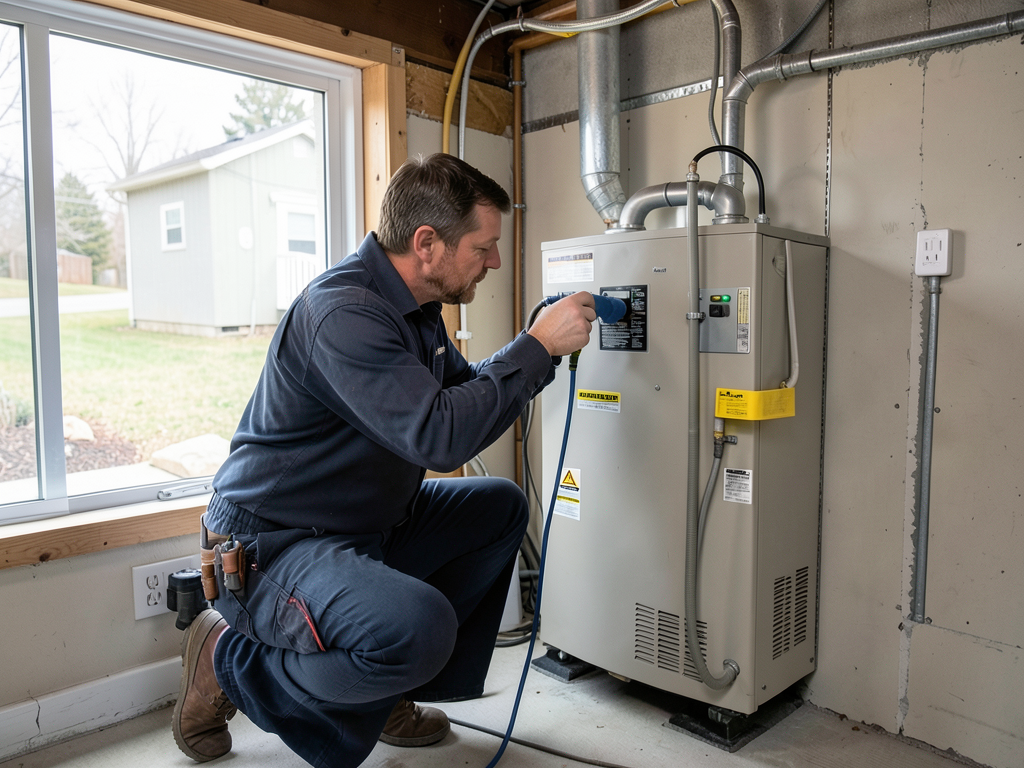
Performance Comparison: Dealing with Cleveland’s Sub-Zero Temperatures
Standard heat pumps struggle when temperatures fall below 20°F. The system must run defrost cycles more frequently using energy to melt ice buildup on the outdoor coil. In Edgewater’s lake effect conditions this can mean the heat pump runs defrost mode half the time reducing efficiency to near zero.
A dual fuel system eliminates this problem. When the smart controller detects sustained temperatures below the switchover point it activates the gas furnace. The furnace delivers 80,000 to 120,000 BTU of heat instantly regardless of outdoor conditions. This matters when wind chills push actual temperatures to -10°F and your home needs heat now not in five minutes.
The heat pump still handles cooling during summer providing dehumidification that matters in Cleveland’s humid climate. Modern variable speed compressors adjust output to match cooling loads reducing energy use by 30% compared to single stage units.
Cost Analysis: Installation vs Monthly Utility Savings
Dual fuel systems cost $2,500 to $4,000 more than standard furnace and AC combinations. The premium covers the heat pump outdoor unit, compatible indoor coil, and smart thermostat. In Edgewater this investment pays back through lower utility bills within 3 to 5 years.
Current Cleveland electricity rates average $0.13 per kWh while natural gas costs about $8 per MCF. At these rates a heat pump operating at COP 3.0 costs about $0.043 per 1,000 BTU while a 95% efficient gas furnace costs about $0.085 per 1,000 BTU. The heat pump saves 50% on heating costs when temperatures allow its use.
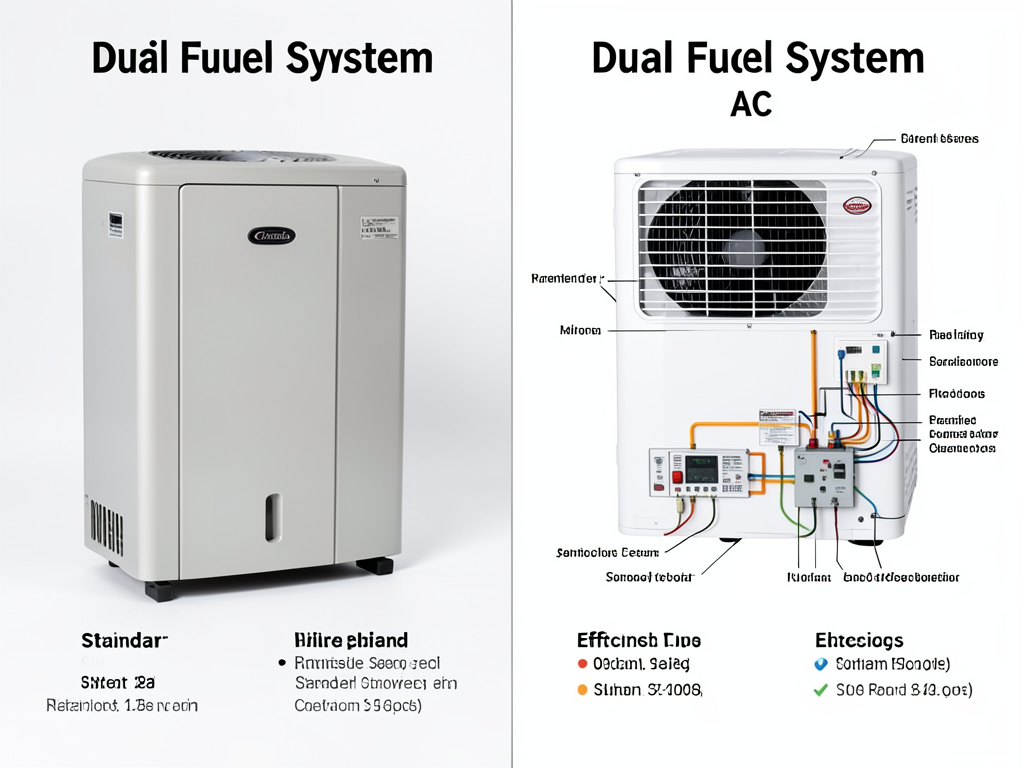
The Switchover Point: When Does a Dual Fuel System Choose Gas Over Electric?
The optimal switchover temperature for Cleveland homes is 35°F to 40°F. Below this point heat pump efficiency drops while gas furnace efficiency remains constant. The smart controller uses this calculation plus current utility rates to decide which system runs.
During typical Edgewater winters the heat pump handles 60% to 70% of heating hours. The furnace runs during the coldest periods and any time temperatures fall below the switchover point. This split means you get maximum efficiency without sacrificing comfort during lake effect events.
Variable speed furnaces enhance this system by adjusting blower speed to match heating demands. Instead of cycling on and off at full power these units run longer at lower speeds maintaining even temperatures while using less electricity.
Incentives and Rebates: Federal Tax Credits and Local Ohio Savings
The 2022 Inflation Reduction Act created the 25C tax credit for heat pumps. Cleveland homeowners can claim 30% of installation costs up to $2,000 when they install qualifying ENERGY STAR heat pumps. This credit applies to both the heat pump and any necessary electrical upgrades.
FirstEnergy Ohio offers additional rebates up to $1,250 for installing high efficiency heat pumps. Dominion Energy provides rebates up to $900 for customers who upgrade from standard efficiency equipment. These incentives can reduce your net investment by $3,000 to $4,000.
Local utilities also offer time of use rates that benefit dual fuel systems. By running the heat pump during off peak hours and using the gas furnace during peak periods you can save an additional 15% on heating costs. Fast and Local AC Repair Services in Solon and Surrounding Areas.
Pros and Cons Summary Table
| Factor | Dual Fuel System | Standard Furnace/AC |
|---|---|---|
| Upfront Cost | $2,500-$4,000 higher | Lowest initial investment |
| Heating Efficiency | 300% when above 35°F | 95-98% constant |
| Winter Reliability | Excellent in all conditions | Excellent but higher operating costs |
| Summer Cooling | Modern heat pump technology | Standard AC efficiency |
| Humidity Control | Superior with variable speed | Basic dehumidification |
| Carbon Footprint | 30-40% lower annual emissions | Highest emissions |
Frequently Asked Questions about Cleveland HVAC Upgrades
Will a heat pump keep my Edgewater home warm during a polar vortex?
Yes but only as part of a dual fuel system. The heat pump handles normal cold weather efficiently while the gas furnace provides backup heat during extreme conditions. This combination ensures comfort even when temperatures drop below -10°F.
How long do dual fuel systems last in Cleveland’s climate?
Heat pumps typically last 12 to 15 years while gas furnaces last 15 to 20 years. The system’s smart controls extend equipment life by preventing unnecessary cycling during mild weather when the heat pump can handle the load efficiently.
Do I need to upgrade my electrical service for a dual fuel system?
Most homes can handle the additional electrical load but some older Edgewater homes may need service upgrades. A load calculation determines if your current 100 or 200 amp service can support the new equipment.
What maintenance does a dual fuel system require?
Annual maintenance includes cleaning the heat pump coils checking refrigerant levels and inspecting the gas furnace heat exchanger. The smart thermostat also needs periodic software updates to maintain optimal switching logic. Commercial HVAC Maintenance for Businesses in Downtown Cleveland.
Is Dual Fuel Right for Your Edgewater Home?
Dual fuel systems make the most sense for Edgewater homes where heating costs are high and winter temperatures frequently drop below freezing. If your current system is over 15 years old or you’re planning a major remodel this technology offers compelling long term savings.
The system’s ability to automatically switch between electric and gas heating means you always get the most efficient operation for current conditions. During mild winter days you save money using the heat pump while the gas furnace handles extreme cold without hesitation.
Edgewater’s lake effect weather creates heating challenges that standard systems struggle to handle efficiently. A dual fuel system provides the flexibility to maintain comfort while minimizing energy costs throughout Cleveland’s unpredictable winters.
Pick up the phone and call (216) 530-9077 before the next storm hits. Our NATE certified technicians can evaluate your home’s heating needs and show you exactly how much you could save with a dual fuel system.
Making the Switch: Next Steps for Edgewater Homeowners
Start with a home energy audit to determine your current heating costs and identify efficiency opportunities. The audit should include a Manual J load calculation to properly size any new equipment. Edgewater homes built before 1980 often have insulation gaps that affect heating system performance.
During the audit we check your existing ductwork for leaks and proper sizing. Poor ductwork can reduce system efficiency by 20% even with high efficiency equipment. We also evaluate your electrical service capacity and gas line sizing to ensure your home can support a dual fuel system.
The installation process typically takes 2 to 3 days depending on whether electrical or gas line modifications are needed. We handle all permit requirements and coordinate with FirstEnergy and Dominion Energy for any necessary utility inspections.
Most Edgewater homeowners see their first utility bill savings within the first month of operation. The system’s smart controls optimize operation based on your specific home’s characteristics and local weather patterns learning over time to maximize efficiency.
Call (216) 530-9077 today to schedule your inspection and find out if dual fuel makes sense for your Edgewater home. For more information, visit Federal tax credits for renewable energy.
{
“@context”: “https://schema.org”,
“@type”: “BlogPosting”,
“headline”: “Is a Dual Fuel System the Best Way to Beat the Lake Effect Cold in Edgewater?”,
“description”: “Edgewater homeowners face brutal lake effect cold. Learn if a dual fuel heat pump system saves money and keeps you warm when Cleveland winters hit hard.”,
“wordCount”: 1496,
“datePublished”: “2026-04-28T15:29:00.000Z”,
“dateModified”: “2026-04-28T15:29:00.000Z”,
“inLanguage”: “en-US”,
“mainEntityOfPage”: {
“@type”: “WebPage”,
“@id”: “https://acehvaccleveland.com”
},
“publisher”: {
“@type”: “LocalBusiness”,
“name”: “Ace HVAC Cleveland”,
“url”: “https://acehvaccleveland.com”
},
“author”: {
“@type”: “Organization”,
“name”: “Ace HVAC Cleveland”,
“url”: “https://acehvaccleveland.com”
},
“image”: {
“@type”: “ImageObject”,
“url”: “https://acehvaccleveland.com/wp-content/uploads/2026/03/is-a-dual-fuel-system-the-best-way-to-beat-the-lak-1.png”
}
}
{
“@context”: “https://schema.org”,
“@type”: “HVACBusiness”,
“name”: “Ace HVAC Cleveland”,
“url”: “https://acehvaccleveland.com”,
“address”: {
“@type”: “PostalAddress”,
“addressLocality”: “Cleveland”
},
“areaServed”: {
“@type”: “City”,
“name”: “Cleveland”
}
}
{
“@context”: “https://schema.org”,
“@type”: “FAQPage”,
“mainEntity”: [
{
“@type”: “Question”,
“name”: “The Switchover Point: When Does a Dual Fuel System Choose Gas Over Electric?”,
“acceptedAnswer”: {
“@type”: “Answer”,
“text”: “The optimal switchover temperature for Cleveland homes is 35°F to 40°F. Below this point heat pump efficiency drops while gas furnace efficiency remains constant. The smart controller uses this calculation plus current utility rates to decide which system runs.”
}
},
{
“@type”: “Question”,
“name”: “Will a heat pump keep my Edgewater home warm during a polar vortex?”,
“acceptedAnswer”: {
“@type”: “Answer”,
“text”: “Yes but only as part of a dual fuel system. The heat pump handles normal cold weather efficiently while the gas furnace provides backup heat during extreme conditions. This combination ensures comfort even when temperatures drop below -10°F.”
}
},
{
“@type”: “Question”,
“name”: “How long do dual fuel systems last in Cleveland’s climate?”,
“acceptedAnswer”: {
“@type”: “Answer”,
“text”: “Heat pumps typically last 12 to 15 years while gas furnaces last 15 to 20 years. The system’s smart controls extend equipment life by preventing unnecessary cycling during mild weather when the heat pump can handle the load efficiently.”
}
},
{
“@type”: “Question”,
“name”: “Do I need to upgrade my electrical service for a dual fuel system?”,
“acceptedAnswer”: {
“@type”: “Answer”,
“text”: “Most homes can handle the additional electrical load but some older Edgewater homes may need service upgrades. A load calculation determines if your current 100 or 200 amp service can support the new equipment.”
}
},
{
“@type”: “Question”,
“name”: “What maintenance does a dual fuel system require?”,
“acceptedAnswer”: {
“@type”: “Answer”,
“text”: “Annual maintenance includes cleaning the heat pump coils checking refrigerant levels and inspecting the gas furnace heat exchanger. The smart thermostat also needs periodic software updates to maintain optimal switching logic. Commercial HVAC Maintenance for Businesses in Downtown Cleveland.”
}
},
{
“@type”: “Question”,
“name”: “Is Dual Fuel Right for Your Edgewater Home?”,
“acceptedAnswer”: {
“@type”: “Answer”,
“text”: “Dual fuel systems make the most sense for Edgewater homes where heating costs are high and winter temperatures frequently drop below freezing. If your current system is over 15 years old or you’re planning a major remodel this technology offers compelling long term savings.”
}
}
]
}
{
“@context”: “https://schema.org”,
“@type”: “BreadcrumbList”,
“itemListElement”: [
{
“@type”: “ListItem”,
“position”: 1,
“name”: “Home”,
“item”: “https://acehvaccleveland.com”
},
{
“@type”: “ListItem”,
“position”: 2,
“name”: “Blog”,
“item”: “https://acehvaccleveland.com/blog”
},
{
“@type”: “ListItem”,
“position”: 3,
“name”: “Is a Dual Fuel System the Best Way to Beat the Lake Effect Cold in Edgewater?”
}
]
}
{
“@context”: “https://schema.org”,
“@type”: “Service”,
“serviceType”: “HVAC”,
“provider”: {
“@type”: “LocalBusiness”,
“name”: “Ace HVAC Cleveland”,
“url”: “https://acehvaccleveland.com”
},
“areaServed”: {
“@type”: “City”,
“name”: “Cleveland”
},
“description”: “Edgewater homeowners face brutal lake effect cold. Learn if a dual fuel heat pump system saves money and keeps you warm when Cleveland winters hit hard.”
}