
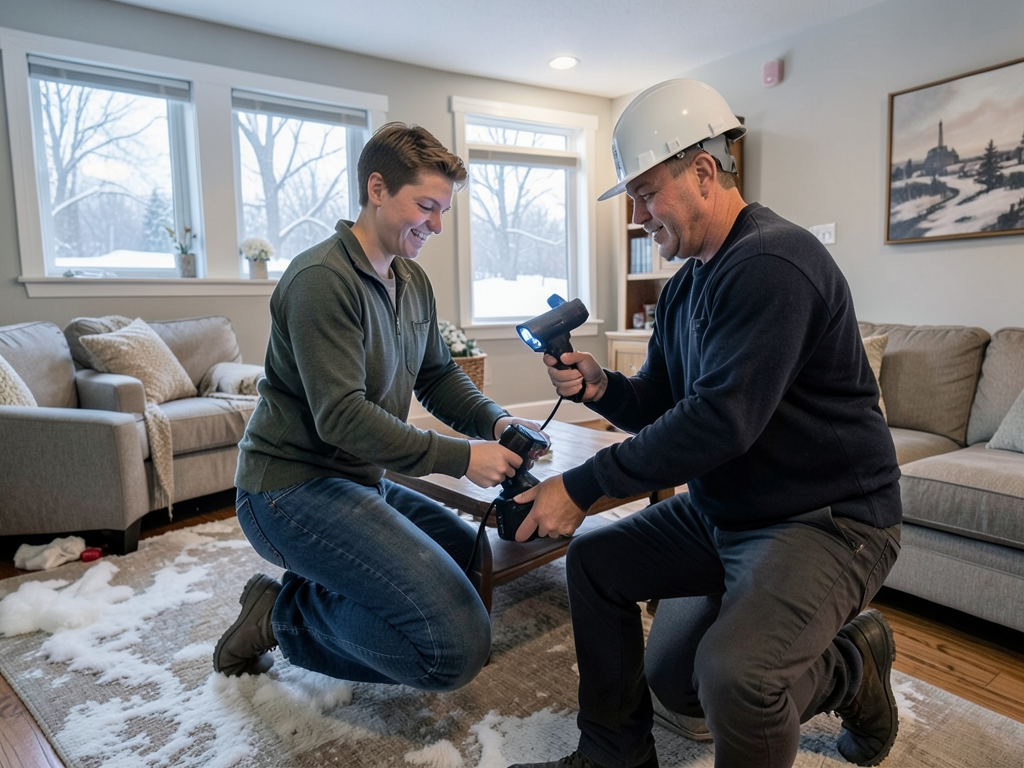
Fixing the Annoying Cold Spots in Your Pepper Pike House
Those persistent cold spots in your Pepper Pike home aren’t just annoying—they’re a sign your heating system isn’t delivering comfort where you need it most. Many homes in this established Cleveland suburb face unique challenges from older construction methods, lake-effect winters, and decades-old ductwork that simply can’t keep up with modern comfort expectations. How Much Does a New Central Air System Cost in Northeast Ohio?.
The good news? Most cold spots can be traced to specific, fixable problems. Whether it’s blocked vents, inadequate insulation, or a furnace struggling to push air through aging ducts, understanding the root cause is the first step toward reclaiming every room in your house. Replacing an Old Furnace in a Historic Shaker Heights Home.
Before you bundle up in another blanket or crank up the thermostat, let’s diagnose what’s really happening in your Pepper Pike home and explore solutions that actually work.
Common Causes of Cold Spots in Older Cleveland Homes
Understanding why certain rooms feel like iceboxes while others stay toasty is crucial for finding the right fix. In Pepper Pike’s historic neighborhoods, several factors contribute to uneven heating that homeowners often overlook.
Older ductwork is frequently the culprit. Many homes built before 1980 used undersized ducts that create excessive static pressure, forcing your furnace to work harder while delivering less heat to distant rooms. The problem compounds when ducts run through uninsulated crawl spaces or exterior walls where heat loss is significant.
Another common issue is inadequate return air pathways. When rooms lack proper return vents, heated air gets trapped, creating pressure imbalances that prevent new warm air from entering. You might notice this most in bedrooms or home offices where doors stay closed for hours.
Finally, Pepper Pike’s specific climate creates challenges other regions don’t face. The lake-effect snow and extreme temperature swings mean your heating system must handle rapid changes from mild autumn days to sub-zero winter nights. Systems sized for average conditions often fail during these extremes.
Quick DIY Checks for Cold Spots
Before calling in professionals, several simple checks can identify obvious problems causing cold spots in your home. These take minutes but often reveal surprising issues.
Start with your vents. Remove the covers and shine a flashlight inside. You might find dust buildup, pet hair, or even small objects blocking airflow. A vacuum with a brush attachment can clear these obstructions quickly.
Next, check your air filters. A clogged filter forces your furnace to work harder while reducing airflow to distant rooms. Replace standard 1-inch filters every 1-3 months, or more frequently if you have pets or live near busy roads.
Examine your thermostat placement. If it’s near a window, exterior wall, or in direct sunlight, it may be reading temperatures incorrectly and causing your system to cycle improperly. A thermostat in a warm hallway might keep the rest of your house cooler than desired.
Finally, test your dampers. These metal levers inside your ductwork control airflow to different zones. If they’re closed or partially closed in rooms that feel cold, adjusting them could solve your problem immediately.
Intermediate Troubleshooting Steps
If basic checks don’t solve your cold spot issues, several intermediate steps can improve your home’s heating distribution without major system changes.
Check your ceiling fan direction. In winter, fans should rotate clockwise at low speed to push warm air that rises to the ceiling back down into living spaces. This simple adjustment can make rooms with high ceilings feel noticeably warmer.
Inspect your attic insulation. Heat rises, and in many Pepper Pike homes, inadequate attic insulation allows warmth to escape through the roof. The U.S. Department of Energy recommends R-49 to R-60 insulation for our climate zone. Adding insulation can reduce heat loss by 20-30%. U.S. Department of Energy heating systems guide.
Look for air leaks around windows and doors. Even small gaps can create cold drafts that make rooms feel much colder than the actual air temperature. Weatherstripping and caulk are inexpensive fixes that can dramatically improve comfort.
Consider your home’s layout. Open floor plans distribute heat more evenly than compartmentalized layouts with many small rooms. If your home has a traditional layout, you might need supplemental heating in isolated areas.
The Cleveland Factor: How Our Climate Affects Heating Performance
Pepper Pike’s location creates heating challenges that homeowners in other regions simply don’t experience. Understanding these local factors helps explain why your system might struggle during certain conditions. Fast and Local AC Repair Services in Solon and Surrounding Areas.
Lake-effect snow and wind significantly impact heating efficiency. When cold winds blow across Lake Erie, they pick up moisture and create heavier, wetter snowfall than inland areas receive. This means your heating system must work harder to maintain temperatures during these events.
Rapid temperature swings are another Cleveland-specific challenge. It’s not uncommon to see 40-degree temperature drops within 24 hours during transitional seasons. Your furnace must be sized to handle these extremes, not just average conditions.
Humidity levels also play a role. Cleveland’s humid continental climate means winter air often holds more moisture than desert regions. While humidity can make cold feel more biting, it also affects how your body perceives temperature and how your heating system operates.
The freeze-thaw cycle common in Northeast Ohio causes additional stress on heating systems. When temperatures fluctuate above and below freezing, condensation can form in ductwork, potentially leading to mold growth or reduced efficiency over time.
Professional Solutions for Persistent Cold Spots
When DIY fixes and intermediate troubleshooting don’t solve your cold spot problems, professional solutions can provide lasting comfort improvements. These options range from simple adjustments to comprehensive system upgrades.
HVAC zoning systems offer one of the most effective solutions for homes with persistent cold spots. These systems use motorized dampers and multiple thermostats to direct heating where it’s needed most. A properly designed zoning system can reduce energy costs by 20-30% while eliminating cold spots entirely.
Duct sealing and insulation represent another professional service that often delivers surprising results. The Department of Energy estimates that 20-30% of heated air in typical homes is lost through duct leaks. Professional duct sealing can recover this lost efficiency and improve comfort in previously cold rooms.
Blower motor upgrades can also make a significant difference. Older furnaces often use single-speed motors that run at full capacity even when less heating is needed. Variable-speed motors adjust their output based on demand, providing more consistent temperatures throughout your home.
For homes with extreme temperature variations, consider a mini-split heat pump system for problem areas. These ductless units provide both heating and cooling and can be installed in rooms that never seem to get warm enough, regardless of how much you adjust your main thermostat.
When to Call a Professional: Safety and Efficiency Considerations
While many cold spot issues can be addressed through DIY methods, certain situations require professional expertise to ensure safety and optimal performance.
If you notice unusual furnace sounds, burning smells, or visible rust on your heating system, stop troubleshooting immediately and call a licensed HVAC technician. These symptoms can indicate dangerous conditions like carbon monoxide leaks or electrical problems.
Professional assessment becomes essential when dealing with gas furnaces or boilers. Working with natural gas lines requires specialized training and licensing. Improper handling can lead to gas leaks, explosions, or carbon monoxide poisoning. Reliable Boiler Repair Services for Older Lakewood Homes.
Complex ductwork modifications should also be handled by professionals. Incorrectly sized ducts or improperly installed dampers can reduce system efficiency by 50% or more, costing you money while failing to solve your comfort issues.
Finally, if you’ve tried multiple solutions without success, a professional energy audit can identify hidden problems. These audits use thermal imaging and airflow testing to pinpoint exactly where your system is losing efficiency.
Cost Comparison: DIY vs. Professional Solutions
Understanding the investment required for different solutions helps you make informed decisions about fixing cold spots in your Pepper Pike home.
DIY solutions typically cost under $100 and include items like new air filters ($10-30), weatherstripping ($5-20 per door), and basic tools for vent cleaning ($15-40). These fixes can often resolve minor issues but may not address underlying system problems.
Professional duct cleaning ranges from $300-600 and can improve airflow in homes with significant dust buildup. Duct sealing costs $800-1,500 but can pay for itself through energy savings within 2-3 years.
Zoning system installation represents a larger investment of $2,500-4,500 but provides the most comprehensive solution for persistent cold spots. This cost includes new thermostats, motorized dampers, and professional installation.
Complete system replacement costs $4,000-8,000 for a new furnace but may be necessary for homes with severely undersized or failing equipment. This investment often includes improved efficiency that reduces monthly heating costs.
Maintaining Comfort Year-Round
Once you’ve addressed your cold spot issues, ongoing maintenance helps prevent future problems and ensures your system operates efficiently throughout the heating season. Commercial HVAC Maintenance for Businesses in Downtown Cleveland.
Schedule annual furnace maintenance before winter arrives. A professional tune-up includes cleaning burners, checking heat exchanger integrity, and calibrating your system for optimal performance. This preventive care can extend equipment life by 5-10 years.
Monitor your energy bills for unusual increases. A sudden spike in heating costs often indicates developing problems like failing components or duct leaks that need attention before they become major issues.
Keep vents and returns clear year-round. Furniture, curtains, and rugs can gradually migrate to cover vents, reducing airflow without you noticing. Make vent clearance part of your regular cleaning routine.
Consider upgrading to a smart thermostat if you haven’t already. These devices learn your schedule and preferences, automatically adjusting temperatures to maximize comfort while minimizing energy waste.. Read more about Smart ways to heat and cool a narrow townhome in Ohio City.
Frequently Asked Questions
Why do some rooms in my house feel colder than others even when the heat is on?
Uneven heating typically results from ductwork issues, inadequate insulation, or air leaks. Rooms farthest from your furnace often receive less heated air due to pressure drops in the duct system. Poor insulation in exterior walls or attics allows heat to escape faster in certain areas.
How can I tell if my cold spots are caused by ductwork problems?
Signs of ductwork issues include rooms that are difficult to heat regardless of thermostat settings, visible dust around vents when the system runs, and temperature differences that seem worse on windy days. A professional duct inspection can confirm if leaks or poor design are causing your problems.
Are cold spots dangerous or just uncomfortable?
While cold spots are primarily a comfort issue, they can indicate underlying problems that may become dangerous. Blocked vents can cause your furnace to overheat, and duct leaks can allow carbon monoxide to enter living spaces. If you notice unusual furnace behavior along with cold spots, have your system inspected immediately.
Will closing vents in unused rooms help with cold spots elsewhere?
Contrary to popular belief, closing vents often makes cold spots worse by creating pressure imbalances in your duct system. Your furnace is designed to heat your entire home, and closing vents can reduce overall system efficiency while potentially damaging your equipment.
How much does it cost to fix cold spots in a typical home?
Costs vary widely based on the cause. Simple fixes like adjusting dampers or replacing filters cost under $50. Professional duct sealing typically runs $800-1,500. Comprehensive solutions like zoning systems cost $2,500-4,500 but provide the most reliable long-term results.
Can smart thermostats help with cold spots?
Smart thermostats can help manage cold spots by allowing you to adjust temperatures in different zones and monitor room conditions. However, they can’t fix underlying issues like poor ductwork or inadequate insulation. They work best as part of a comprehensive approach to home comfort.
How long should it take for a room to warm up after turning up the thermostat?
Most rooms should reach the new temperature within 15-30 minutes of increasing your thermostat setting. If certain rooms take much longer or never seem to get as warm as others, this indicates a distribution problem that needs addressing.
Should I be concerned about cold spots in a new home?
Cold spots in new construction often indicate design or installation issues. While minor temperature variations are normal, significant cold spots suggest problems with ductwork design, insulation installation, or HVAC sizing that should be addressed under warranty.
What’s the most common cause of cold spots in older homes?
In older homes, the most common causes are undersized or leaky ductwork, inadequate insulation, and single-zone heating systems that can’t adapt to varying room conditions. Many older homes were built when energy was cheap and comfort expectations were different than today.
How can I prevent cold spots when building a new home?
Proper HVAC design is crucial for new construction. Work with your builder to ensure ducts are correctly sized using Manual J calculations, include return air pathways in every room, and consider zoning systems for multi-story homes. Quality insulation and air sealing also prevent future comfort issues.
Take Control of Your Home’s Comfort Today
Living with cold spots doesn’t have to be your reality. Whether you need simple adjustments or comprehensive system upgrades, addressing these issues can transform your home from uncomfortable to consistently cozy throughout the heating season.
The first step is understanding what’s causing your specific cold spots. Many Pepper Pike homeowners discover that a combination of minor adjustments and targeted improvements provides the best results. Don’t let another winter pass with rooms you can’t use comfortably.
Call (216) 530-9077 today to schedule your heating system evaluation. Our experienced technicians will diagnose your cold spot issues and recommend solutions tailored to your home’s unique needs and your budget. Stop bundling up in your own living room and start enjoying consistent comfort throughout your entire home.
Pick up the phone and call (216) 530-9077 before the next cold snap hits. Your comfort is worth it, and our team is ready to help you reclaim every room in your Pepper Pike home.
Don’t wait until the next polar vortex leaves you shivering in your own house. Contact us now for a comprehensive heating assessment and take the first step toward year-round comfort. For more information, visit National Association of Certified Home Inspectors duct testing.
You may also find this helpful. Keeping your baby’s nursery at a safe temperature in Richmond Heights.
{
“@context”: “https://schema.org”,
“@type”: “BlogPosting”,
“headline”: “Fixing the Annoying Cold Spots in Your Pepper Pike House”,
“description”: “Struggling with cold spots in your Pepper Pike home? Learn how Cleveland’s older homes and lake-effect winters cause uneven heating and what to do about it.”,
“wordCount”: 2372,
“datePublished”: “2026-03-19T07:32:00.000Z”,
“dateModified”: “2026-03-19T07:32:00.000Z”,
“inLanguage”: “en-US”,
“mainEntityOfPage”: {
“@type”: “WebPage”,
“@id”: “https://acehvaccleveland.com”
},
“publisher”: {
“@type”: “LocalBusiness”,
“name”: “Ace HVAC Cleveland”,
“url”: “https://acehvaccleveland.com”
},
“author”: {
“@type”: “Organization”,
“name”: “Ace HVAC Cleveland”,
“url”: “https://acehvaccleveland.com”
},
“image”: {
“@type”: “ImageObject”,
“url”: “https://acehvaccleveland.com/wp-content/uploads/2026/03/fixing-the-annoying-cold-spots-in-your-pepper-pike-1.png”
}
}
{
“@context”: “https://schema.org”,
“@type”: “HVACBusiness”,
“name”: “Ace HVAC Cleveland”,
“url”: “https://acehvaccleveland.com”,
“address”: {
“@type”: “PostalAddress”,
“addressLocality”: “Cleveland”
},
“areaServed”: {
“@type”: “City”,
“name”: “Cleveland”
}
}
{
“@context”: “https://schema.org”,
“@type”: “FAQPage”,
“mainEntity”: [
{
“@type”: “Question”,
“name”: “Why do some rooms in my house feel colder than others even when the heat is on?”,
“acceptedAnswer”: {
“@type”: “Answer”,
“text”: “Uneven heating typically results from ductwork issues, inadequate insulation, or air leaks. Rooms farthest from your furnace often receive less heated air due to pressure drops in the duct system. Poor insulation in exterior walls or attics allows heat to escape faster in certain areas.”
}
},
{
“@type”: “Question”,
“name”: “How can I tell if my cold spots are caused by ductwork problems?”,
“acceptedAnswer”: {
“@type”: “Answer”,
“text”: “Signs of ductwork issues include rooms that are difficult to heat regardless of thermostat settings, visible dust around vents when the system runs, and temperature differences that seem worse on windy days. A professional duct inspection can confirm if leaks or poor design are causing your problems.”
}
},
{
“@type”: “Question”,
“name”: “Are cold spots dangerous or just uncomfortable?”,
“acceptedAnswer”: {
“@type”: “Answer”,
“text”: “While cold spots are primarily a comfort issue, they can indicate underlying problems that may become dangerous. Blocked vents can cause your furnace to overheat, and duct leaks can allow carbon monoxide to enter living spaces. If you notice unusual furnace behavior along with cold spots, have your system inspected immediately.”
}
},
{
“@type”: “Question”,
“name”: “Will closing vents in unused rooms help with cold spots elsewhere?”,
“acceptedAnswer”: {
“@type”: “Answer”,
“text”: “Contrary to popular belief, closing vents often makes cold spots worse by creating pressure imbalances in your duct system. Your furnace is designed to heat your entire home, and closing vents can reduce overall system efficiency while potentially damaging your equipment.”
}
},
{
“@type”: “Question”,
“name”: “How much does it cost to fix cold spots in a typical home?”,
“acceptedAnswer”: {
“@type”: “Answer”,
“text”: “Costs vary widely based on the cause. Simple fixes like adjusting dampers or replacing filters cost under $50. Professional duct sealing typically runs $800-1,500. Comprehensive solutions like zoning systems cost $2,500-4,500 but provide the most reliable long-term results.”
}
},
{
“@type”: “Question”,
“name”: “Can smart thermostats help with cold spots?”,
“acceptedAnswer”: {
“@type”: “Answer”,
“text”: “Smart thermostats can help manage cold spots by allowing you to adjust temperatures in different zones and monitor room conditions. However, they can’t fix underlying issues like poor ductwork or inadequate insulation. They work best as part of a comprehensive approach to home comfort.”
}
},
{
“@type”: “Question”,
“name”: “How long should it take for a room to warm up after turning up the thermostat?”,
“acceptedAnswer”: {
“@type”: “Answer”,
“text”: “Most rooms should reach the new temperature within 15-30 minutes of increasing your thermostat setting. If certain rooms take much longer or never seem to get as warm as others, this indicates a distribution problem that needs addressing.”
}
},
{
“@type”: “Question”,
“name”: “Should I be concerned about cold spots in a new home?”,
“acceptedAnswer”: {
“@type”: “Answer”,
“text”: “Cold spots in new construction often indicate design or installation issues. While minor temperature variations are normal, significant cold spots suggest problems with ductwork design, insulation installation, or HVAC sizing that should be addressed under warranty.”
}
},
{
“@type”: “Question”,
“name”: “What’s the most common cause of cold spots in older homes?”,
“acceptedAnswer”: {
“@type”: “Answer”,
“text”: “In older homes, the most common causes are undersized or leaky ductwork, inadequate insulation, and single-zone heating systems that can’t adapt to varying room conditions. Many older homes were built when energy was cheap and comfort expectations were different than today.”
}
},
{
“@type”: “Question”,
“name”: “How can I prevent cold spots when building a new home?”,
“acceptedAnswer”: {
“@type”: “Answer”,
“text”: “Proper HVAC design is crucial for new construction. Work with your builder to ensure ducts are correctly sized using Manual J calculations, include return air pathways in every room, and consider zoning systems for multi-story homes. Quality insulation and air sealing also prevent future comfort issues.”
}
}
]
}
{
“@context”: “https://schema.org”,
“@type”: “BreadcrumbList”,
“itemListElement”: [
{
“@type”: “ListItem”,
“position”: 1,
“name”: “Home”,
“item”: “https://acehvaccleveland.com”
},
{
“@type”: “ListItem”,
“position”: 2,
“name”: “Blog”,
“item”: “https://acehvaccleveland.com/blog”
},
{
“@type”: “ListItem”,
“position”: 3,
“name”: “Fixing the Annoying Cold Spots in Your Pepper Pike House”
}
]
}
{
“@context”: “https://schema.org”,
“@type”: “Service”,
“serviceType”: “HVAC”,
“provider”: {
“@type”: “LocalBusiness”,
“name”: “Ace HVAC Cleveland”,
“url”: “https://acehvaccleveland.com”
},
“areaServed”: {
“@type”: “City”,
“name”: “Cleveland”
},
“description”: “Struggling with cold spots in your Pepper Pike home? Learn how Cleveland’s older homes and lake-effect winters cause uneven heating and what to do about it.”
}