
Choosing between Trane and Carrier for the harsh Northeast Ohio climate
Living in Cleveland means facing brutal winters with sub-zero temperatures lake-effect snow and high humidity from Lake Erie. Your heating system needs to handle rapid temperature swings and extended cold snaps without breaking down. Trane and Carrier both manufacture high-quality HVAC equipment but their technologies perform differently when the mercury drops below zero. This guide breaks down which brand delivers better reliability efficiency and long-term value for Northeast Ohio homes. How Much Does a New Central Air System Cost in Northeast Ohio?.
The cold climate challenge in Cleveland
Cleveland experiences an average of 40 inches of snow annually with lake-effect storms dumping several feet in a single weekend. The humid continental climate creates freeze-thaw cycles that stress outdoor equipment and the humid summers can accelerate corrosion on heat pump coils. Most Cleveland homeowners need heating from October through April with January and February temperatures regularly dipping into the single digits or below zero. These conditions demand equipment with robust defrost cycles corrosion-resistant materials and the ability to maintain heating capacity when outdoor temperatures plummet.
Trane in cold climates reliability and Spine Fin coils
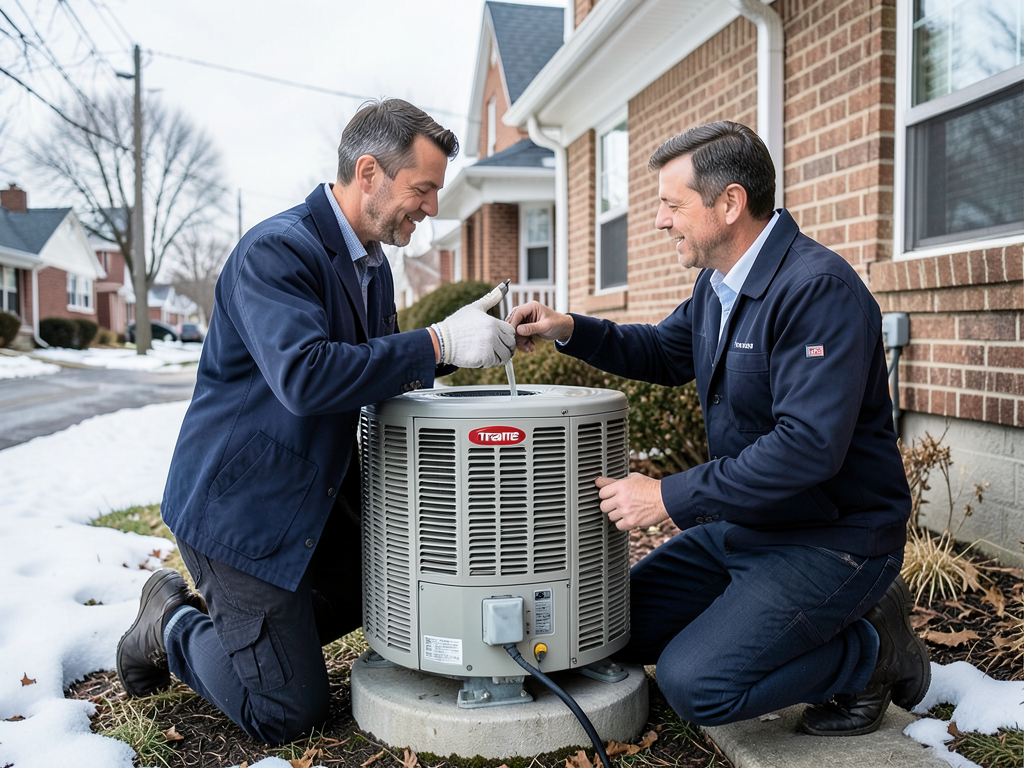
Trane builds its reputation on durability with the Climatuff compressor designed to withstand extreme temperature variations. The company’s Spine Fin outdoor coils feature all-aluminum construction that resists formicary corrosion better than traditional copper coils in humid environments. Trane’s TruComfort technology uses variable-speed compressors that can modulate between 40 and 100 percent capacity maintaining steady temperatures without the energy spikes of single-stage units. In Cleveland’s climate this means the system can run continuously at low speeds during mild winter days then ramp up automatically when Arctic air arrives. The XV20i heat pump maintains 100 percent heating capacity down to 0 degrees Fahrenheit before switching to auxiliary heat making it well-suited for most Northeast Ohio winters. Energy Star heat pump specifications.
Carrier in cold climates innovation and Greenspeed technology
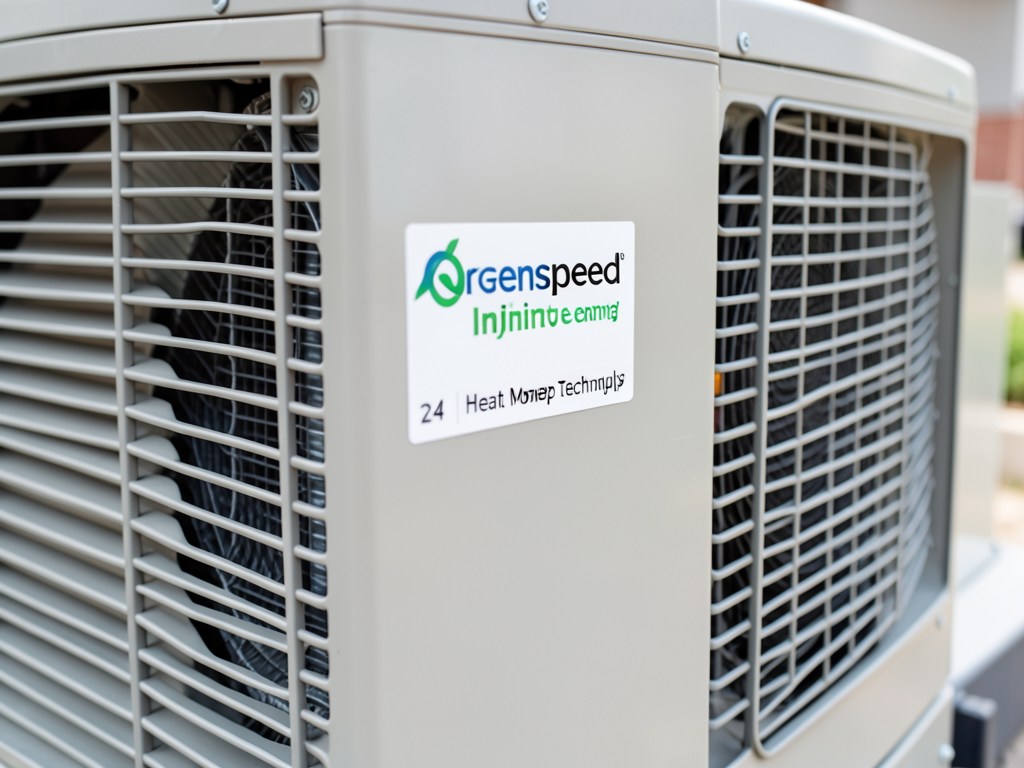
Carrier’s Infinity series with Greenspeed intelligence represents the cutting edge of cold-climate heat pump technology. These systems use a variable-speed compressor that can adjust in one percent increments between 40 and 100 percent capacity. The key advantage in Cleveland’s climate is the Greenspeed heat pump’s ability to maintain heating capacity down to -5 degrees Fahrenheit with select models operating efficiently in temperatures as low as -20 degrees. Carrier pairs this with the Performance Edge thermostat that learns your home’s patterns and adjusts operation to maximize comfort while minimizing energy use. The Infinity 24 heat pump with Greenspeed can extract usable heat from air that feels frigid to humans making it an excellent choice for homes wanting to minimize gas furnace usage. Replacing an Old Furnace in a Historic Shaker Heights Home.
Efficiency face-off HSPF2 and SEER2 ratings
Modern HVAC efficiency is measured by HSPF2 for heating and SEER2 for cooling. Here’s how the flagship models compare for Cleveland’s climate:
| Model | HSPF2 Rating | SEER2 Rating | Heating Capacity at 47°F | Heating Capacity at 17°F |
|---|---|---|---|---|
| Trane XV20i | 10.0 | 18.0 | 48000 BTU | 36000 BTU |
| Carrier Infinity 24 | 10.5 | 18.5 | 50000 BTU | 38000 BTU |
The higher HSPF2 rating on the Carrier model translates to approximately 5 percent lower heating costs over an average Cleveland winter. Both systems use inverter technology to eliminate the energy waste of cycling on and off but Carrier’s Greenspeed system can make more precise adjustments resulting in quieter operation and more consistent temperatures.. Read more about What to look for in an HVAC system when touring homes in Lee-Harvard.
Cleveland-specific considerations
Local installation practices matter as much as equipment specifications. Cleveland’s building codes require specific clearances for outdoor units near property lines and in historic districts like Ohio City or Tremont. The heavy clay soil common in Cuyahoga County retains moisture which can lead to ice buildup around outdoor units during thaw-freeze cycles. Professional installers in the 216 area code understand these challenges and can recommend elevated pads or windbreaks to protect equipment. Parts availability is another critical factor. Both brands have factory-authorized distributors in Cleveland but Carrier’s larger market share means more local technicians are trained on their equipment potentially reducing wait times for service calls. Fast and Local AC Repair Services in Solon and Surrounding Areas.
The verdict which is better for your Northern Ohio home
The answer depends on your home’s specific needs and your comfort priorities. Choose Trane if you prioritize proven reliability want equipment that handles Cleveland’s humidity well and prefer a brand with a slightly lower initial cost. Trane’s Spine Fin coils resist the corrosion that plagues many Northeast Ohio installations and the company’s 10-year compressor warranty provides peace of mind. Choose Carrier if you want maximum efficiency during mild winter days need the lowest possible sound levels or want equipment that performs better during extreme cold snaps. The Greenspeed system’s ability to maintain capacity at -5 degrees means fewer auxiliary heat cycles and lower utility bills. For most Cleveland homes a properly sized dual-fuel system pairing either brand’s heat pump with a high-efficiency gas furnace provides the best balance of efficiency comfort and reliability through our unpredictable winters.
Installation considerations for Cleveland winters
Professional installation makes the difference between a system that survives Cleveland winters and one that thrives. Installers should assess your home’s insulation levels ductwork condition and window quality before recommending equipment size. An oversized system short-cycles leading to temperature swings and premature wear while an undersized system runs constantly during cold snaps. In Cleveland’s older homes with plaster walls and minimal insulation proper load calculations become even more critical. The installation should include a programmable thermostat with outdoor temperature sensors that can automatically switch between heat pump and furnace operation based on efficiency rather than just temperature. This optimization can save 15 to 20 percent on heating costs compared to manual switching.
Maintenance requirements for harsh climates
Cleveland’s climate demands more frequent maintenance than milder regions. Heat pump coils should be cleaned twice yearly in spring and fall to remove road salt and debris that accumulate during winter. The defrost cycle should be tested before each heating season to ensure it activates properly when frost builds up on the outdoor coil. Both brands recommend replacing air filters every three months but Cleveland’s high pollen counts and road dust often require monthly changes. Annual professional maintenance should include checking refrigerant levels inspecting electrical connections and testing the reversing valve that switches between heating and cooling modes. These steps prevent the mid-winter failures that leave families without heat during polar vortex events. Commercial HVAC Maintenance for Businesses in Downtown Cleveland.
Energy efficiency and utility costs
Both Trane and Carrier offer Energy Star certified models that qualify for federal tax credits and local utility rebates. FirstEnergy Ohio Edison customers can receive rebates up to $600 for high-efficiency heat pump installations. The actual savings depend on your home’s characteristics and local energy rates. A typical Cleveland home switching from an 80 percent efficient gas furnace to a dual-fuel system with either brand’s heat pump can reduce heating costs by 30 to 40 percent during mild winter months. The break-even point where heat pump operation becomes more expensive than gas furnace operation occurs around 25 to 30 degrees in most Cleveland homes. With proper system design and thermostat programming you can maximize savings while maintaining comfort. FirstEnergy Ohio utility rebates.
Call (216) 530-9077 today to schedule your inspection and get a personalized recommendation for your home.
Frequently Asked Questions
Which brand has better reliability in Cleveland winters?
Both brands offer excellent reliability when properly installed but Trane’s Spine Fin coils resist corrosion better in Cleveland’s humid climate. Carrier’s Greenspeed technology provides better performance during extreme cold snaps down to -5 degrees. The best choice depends on your home’s specific needs and whether you prioritize corrosion resistance or cold-weather performance.
How long do heat pumps last in Cleveland’s climate?
With proper maintenance heat pumps typically last 12 to 15 years in Northeast Ohio. The harsh winters and humid summers can reduce lifespan compared to milder climates. Annual professional maintenance twice-yearly coil cleaning and prompt repairs when issues arise help maximize equipment life in Cleveland’s challenging conditions.
Should I choose a heat pump or stick with a gas furnace?
A dual-fuel system combining a heat pump with a high-efficiency gas furnace provides the best solution for most Cleveland homes. The heat pump handles heating efficiently down to about 25 degrees then the gas furnace takes over during extreme cold. This combination maximizes efficiency while ensuring reliable heating regardless of outdoor temperatures. Reliable Boiler Repair Services for Older Lakewood Homes.
What size system do I need for a typical Cleveland home?
Most Cleveland homes need 2.5 to 4 tons of cooling capacity which translates to similar heating capacity for heat pumps. However proper sizing requires a professional load calculation considering your home’s insulation windows and orientation. An oversized system costs more to operate and provides worse comfort than a properly sized unit.
How much does installation cost in the Cleveland area?
Installation costs vary based on home characteristics and system complexity but typical range from $6000 to $12000 for a complete heat pump system with installation. High-efficiency models with advanced features cost more upfront but often pay for themselves through energy savings within 5 to 7 years in Cleveland’s climate.
Pick up the phone and call (216) 530-9077 before the next storm hits. Our Cleveland-based technicians understand exactly what your heating system needs to handle our brutal winters.
{
“@context”: “https://schema.org”,
“@type”: “BlogPosting”,
“headline”: “Choosing between Trane and Carrier for the harsh Northeast Ohio climate”,
“description”: “Compare Trane and Carrier HVAC systems for Cleveland winters. Learn about efficiency, reliability, and which brand handles lake-effect snow and extreme cold best.”,
“wordCount”: 1561,
“datePublished”: “2026-06-03T08:41:00.000Z”,
“dateModified”: “2026-06-03T08:41:00.000Z”,
“inLanguage”: “en-US”,
“mainEntityOfPage”: {
“@type”: “WebPage”,
“@id”: “https://acehvaccleveland.com”
},
“publisher”: {
“@type”: “LocalBusiness”,
“name”: “Ace HVAC Cleveland”,
“url”: “https://acehvaccleveland.com”
},
“author”: {
“@type”: “Organization”,
“name”: “Ace HVAC Cleveland”,
“url”: “https://acehvaccleveland.com”
},
“image”: {
“@type”: “ImageObject”,
“url”: “https://acehvaccleveland.com/wp-content/uploads/2026/03/choosing-between-trane-and-carrier-for-the-harsh-n-1.png”
}
}
{
“@context”: “https://schema.org”,
“@type”: “HVACBusiness”,
“name”: “Ace HVAC Cleveland”,
“url”: “https://acehvaccleveland.com”,
“address”: {
“@type”: “PostalAddress”,
“addressLocality”: “Cleveland”
},
“areaServed”: {
“@type”: “City”,
“name”: “Cleveland”
}
}
{
“@context”: “https://schema.org”,
“@type”: “FAQPage”,
“mainEntity”: [
{
“@type”: “Question”,
“name”: “Which brand has better reliability in Cleveland winters?”,
“acceptedAnswer”: {
“@type”: “Answer”,
“text”: “Both brands offer excellent reliability when properly installed but Trane’s Spine Fin coils resist corrosion better in Cleveland’s humid climate. Carrier’s Greenspeed technology provides better performance during extreme cold snaps down to -5 degrees. The best choice depends on your home’s specific needs and whether you prioritize corrosion resistance or cold-weather performance.”
}
},
{
“@type”: “Question”,
“name”: “How long do heat pumps last in Cleveland’s climate?”,
“acceptedAnswer”: {
“@type”: “Answer”,
“text”: “With proper maintenance heat pumps typically last 12 to 15 years in Northeast Ohio. The harsh winters and humid summers can reduce lifespan compared to milder climates. Annual professional maintenance twice-yearly coil cleaning and prompt repairs when issues arise help maximize equipment life in Cleveland’s challenging conditions.”
}
},
{
“@type”: “Question”,
“name”: “Should I choose a heat pump or stick with a gas furnace?”,
“acceptedAnswer”: {
“@type”: “Answer”,
“text”: “A dual-fuel system combining a heat pump with a high-efficiency gas furnace provides the best solution for most Cleveland homes. The heat pump handles heating efficiently down to about 25 degrees then the gas furnace takes over during extreme cold. This combination maximizes efficiency while ensuring reliable heating regardless of outdoor temperatures. Reliable Boiler Repair Services for Older Lakewood Homes.”
}
},
{
“@type”: “Question”,
“name”: “What size system do I need for a typical Cleveland home?”,
“acceptedAnswer”: {
“@type”: “Answer”,
“text”: “Most Cleveland homes need 2.5 to 4 tons of cooling capacity which translates to similar heating capacity for heat pumps. However proper sizing requires a professional load calculation considering your home’s insulation windows and orientation. An oversized system costs more to operate and provides worse comfort than a properly sized unit.”
}
},
{
“@type”: “Question”,
“name”: “How much does installation cost in the Cleveland area?”,
“acceptedAnswer”: {
“@type”: “Answer”,
“text”: “Installation costs vary based on home characteristics and system complexity but typical range from $6000 to $12000 for a complete heat pump system with installation. High-efficiency models with advanced features cost more upfront but often pay for themselves through energy savings within 5 to 7 years in Cleveland’s climate.”
}
}
]
}
{
“@context”: “https://schema.org”,
“@type”: “BreadcrumbList”,
“itemListElement”: [
{
“@type”: “ListItem”,
“position”: 1,
“name”: “Home”,
“item”: “https://acehvaccleveland.com”
},
{
“@type”: “ListItem”,
“position”: 2,
“name”: “Blog”,
“item”: “https://acehvaccleveland.com/blog”
},
{
“@type”: “ListItem”,
“position”: 3,
“name”: “Choosing between Trane and Carrier for the harsh Northeast Ohio climate”
}
]
}
{
“@context”: “https://schema.org”,
“@type”: “Service”,
“serviceType”: “HVAC”,
“provider”: {
“@type”: “LocalBusiness”,
“name”: “Ace HVAC Cleveland”,
“url”: “https://acehvaccleveland.com”
},
“areaServed”: {
“@type”: “City”,
“name”: “Cleveland”
},
“description”: “Compare Trane and Carrier HVAC systems for Cleveland winters. Learn about efficiency, reliability, and which brand handles lake-effect snow and extreme cold best.”
}