
How to Choose the Right Smart Thermostat for Older Two Wire Systems in Stockyards
Older homes in Cleveland’s Stockyards neighborhood often have two-wire heating systems that make installing a smart thermostat tricky. If your current thermostat only has two wires, you might wonder if modern smart thermostats will even work. The good news is that several options exist specifically designed for these older systems, and understanding your wiring is the first step to upgrading your home’s comfort and efficiency. How Much Does a New Central Air System Cost in Northeast Ohio?.
Understanding Your Two-Wire System
Two-wire systems are common in Cleveland’s historic homes built before the 1960s. These systems typically control only heating through a simple on/off mechanism. The two wires usually consist of a red wire (power) and a white wire (heat). Without a common wire, modern smart thermostats struggle to get continuous power for their displays and Wi-Fi functions.. Read more about How to integrate your HVAC system with a Matter-enabled smart home in Cuyahoga Heights.
Before purchasing anything, you need to identify what type of system you have. Remove your existing thermostat faceplate and look at the wiring. If you see only two wires connected to terminals labeled R and W, you have a two-wire system. Some older systems use mercury switches or mechanical thermostats that operate differently than modern digital ones.
Stockyards homes often feature boiler systems with radiators rather than forced air furnaces. These boiler systems typically use two wires to control the circulator pump or gas valve. The wiring setup is similar, but the underlying heating technology differs from forced air systems common in newer homes. Replacing an Old Furnace in a Historic Shaker Heights Home.
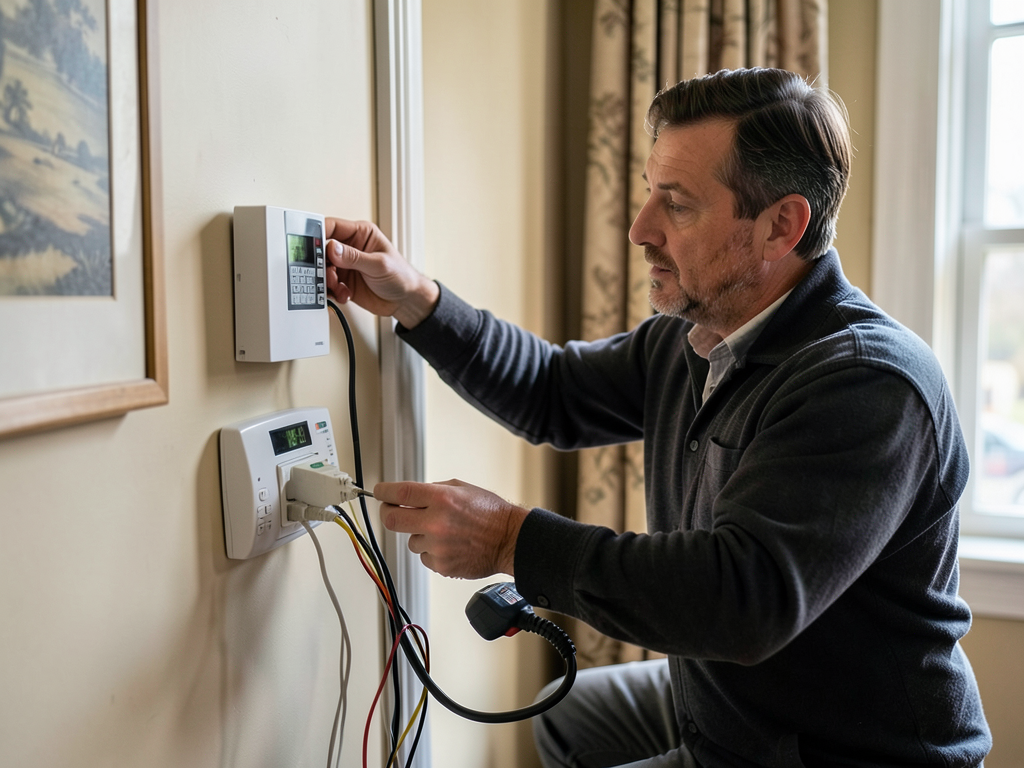
Diagram showing typical two-wire thermostat wiring with red and white wires connected to R and W terminals on an old mercury thermostat.
Smart Thermostat Options for Two-Wire Systems
Several smart thermostats work with two-wire systems, but they require different approaches to power. Battery-powered models eliminate the need for a common wire entirely. The Honeywell Home T9 and Sensi Touch use replaceable batteries and work with most two-wire heating systems. These models sacrifice some smart features like room sensors but provide basic scheduling and remote control.
Power Extender Kits offer another solution. These devices draw power through your existing two wires without requiring new wiring. The Ecobee SmartThermostat with a Power Extender Kit (PEK) includes everything needed to power the thermostat through your existing wiring. The kit connects between your furnace and thermostat, providing the necessary 24V power for the smart functions.
Nest thermostats use a different approach with the Nest Power Connector. This small device installs at your furnace and provides the common wire connection needed for continuous power. The installation requires accessing your furnace’s control board, which may be intimidating for DIYers but works reliably once installed.
Some homeowners choose to add a new C-wire by running an additional wire from the thermostat to the furnace. This provides the most reliable power source but requires drilling through walls and fishing new wire. In Stockyards’ older homes with plaster walls, this can be challenging and may require professional installation. Reliable Boiler Repair Services for Older Lakewood Homes.
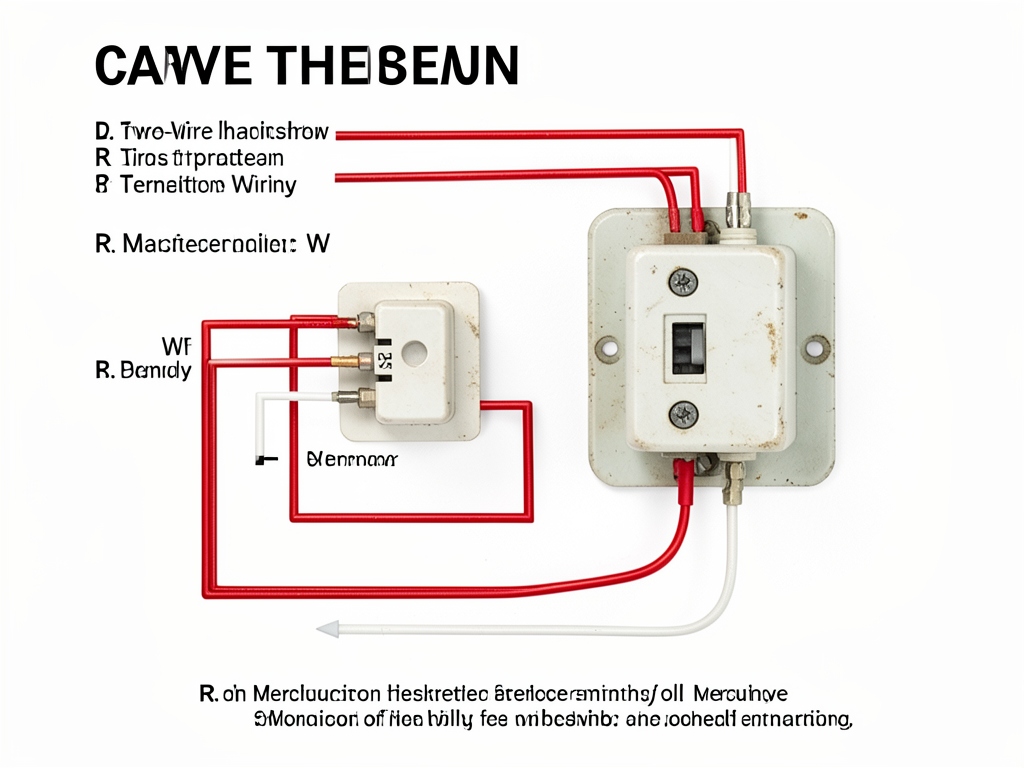
Photo comparing a traditional two-wire mercury thermostat with modern smart thermostat backplates showing wiring terminals.
Installation Considerations for Cleveland Homes
Cleveland’s building codes require specific wiring practices for thermostat installations. According to the National Electrical Code Article 725, low-voltage thermostat wiring must be installed in approved cable or raceway. In older Stockyards homes, you may encounter cloth-covered or rubber-insulated wires that don’t meet current standards. National Association of Certified Home Inspectors thermostat wiring guide.
Many Cleveland homes built before 1978 may have lead-based paint around electrical boxes. When drilling for new wiring, you risk disturbing this paint and creating lead dust hazards. Professional installers use containment methods and HEPA vacuums to prevent contamination during retrofit work.
The Cleveland area’s humid climate affects thermostat performance. Smart thermostats with Wi-Fi connectivity need stable power to maintain their connection to your home network. Two-wire systems without continuous power may experience display dimming or Wi-Fi dropouts during high-demand periods.
Stockyards’ housing stock includes many brick and stone homes where running new wires requires specialized tools and techniques. Professionals use fish tapes and flexible drill bits designed for masonry applications. They also understand how to navigate existing wiring paths without damaging other utilities.
Professional vs. DIY Installation
Installing a smart thermostat on a two-wire system involves more than just mounting the device. You need to understand low-voltage transformer sizing, wire gauge requirements, and system compatibility. A 24V transformer that’s too small for your new thermostat can cause intermittent failures or damage to both the thermostat and your heating system.
Professional installers test system voltage before installation to ensure compatibility. They use multimeters to verify 24V output at the furnace and check for voltage drops that could affect thermostat performance. This diagnostic step prevents callbacks and ensures your investment works reliably from day one.
DIY installation carries risks beyond simple wiring mistakes. Incorrect connections can damage your furnace’s control board, resulting in expensive repairs. Some two-wire systems use line voltage (120V or 240V) instead of low voltage, which can destroy smart thermostats and create shock hazards if misidentified. Fast and Local AC Repair Services in Solon and Surrounding Areas.
Professional installation typically includes system testing, programming setup, and a tutorial on using your new thermostat’s features. Many Cleveland HVAC companies offer same-day installation for common smart thermostat models, getting your system running quickly without the frustration of troubleshooting wiring issues yourself.
Cost Comparison and ROI
DIY installation costs range from $100 to $300 for the thermostat plus any necessary accessories like batteries or power adapters. Professional installation adds $150 to $300 to the total cost but includes proper testing and setup. The peace of mind and warranty protection often justify the additional expense.
Smart thermostats typically save 10-15% on heating costs through better scheduling and temperature control. In Cleveland’s climate with long heating seasons, these savings can offset the investment within two to three years. The exact payback period depends on your home’s insulation, local energy rates, and how effectively you use the thermostat’s features.
Utility companies often offer rebates for smart thermostat installations. FirstEnergy and Dominion Energy provide rebates ranging from $50 to $100 for qualifying models. These rebates can significantly reduce your net investment while promoting energy efficiency in older Cleveland neighborhoods.
Maintenance and Troubleshooting
Smart thermostats require occasional maintenance to ensure reliable operation. Battery-powered models need replacement batteries every 6-12 months. Power adapter solutions should be checked annually for secure connections and proper voltage output. Clean the thermostat face periodically to prevent dust buildup that can affect touch sensitivity. Commercial HVAC Maintenance for Businesses in Downtown Cleveland.
Common issues include Wi-Fi connectivity problems, incorrect temperature readings, and unresponsive touchscreens. Most problems stem from power supply issues in two-wire systems. If your thermostat display dims or goes blank periodically, you may need a larger transformer or a different power solution.
Seasonal maintenance includes checking that your smart thermostat’s schedule matches your actual usage patterns. Cleveland’s unpredictable spring and fall weather often requires adjusting programmed settings. Many smart thermostats learn your preferences over time, but manual adjustments ensure optimal comfort during shoulder seasons.. Read more about HVAC Maintenance Strategies for Short Term Rental Owners in Ohio City.
Future-Proofing Your System
Consider your long-term plans when choosing a smart thermostat solution. If you’re planning to upgrade your heating system within five years, a battery-powered model provides flexibility. If you’re keeping your current system long-term, investing in a power adapter solution ensures you’ll have full smart functionality for years to come.
Some smart thermostats integrate with whole-home automation systems, allowing control of multiple HVAC zones, humidifiers, and air purifiers. These advanced features require stable power and reliable connectivity, making proper installation even more critical for two-wire systems.
Emerging technologies like geofencing and learning algorithms work best with continuous power. If you want features like automatic away mode based on your smartphone location, you’ll need a reliable power solution for your smart thermostat.
Making Your Decision
Choosing the right smart thermostat for your two-wire system depends on your comfort level with DIY projects, your budget, and your desired features. Battery-powered models offer the simplest installation but may lack advanced features. Power adapter solutions provide full functionality but require more complex installation.
Consider starting with a basic model and upgrading later if you find you want more features. Many smart thermostat manufacturers offer trade-in programs that can reduce the cost of upgrading to a more advanced model after you’ve gained experience with the technology.
Whatever solution you choose, proper installation is crucial for reliable operation. Whether you tackle the project yourself or hire a professional, understanding your system’s requirements ensures you’ll enjoy the comfort and efficiency benefits of smart home technology without the frustration of power-related failures.
Call (216) 530-9077 today to schedule your inspection and find the perfect smart thermostat solution for your Stockyards home.
Photo of a professional HVAC technician installing a smart thermostat in a historic Cleveland home, showing proper wiring connections and testing equipment.
Frequently Asked Questions
Can I use any smart thermostat with my two-wire system?
Not all smart thermostats work with two-wire systems. You need models specifically designed for heating-only systems or those that include power adapters. Battery-powered options like the Honeywell T9 or Sensi Touch work well, as do models with Power Extender Kits like the Ecobee SmartThermostat.
Will I lose smart features without a C-wire?
Some features may be limited without a C-wire. Battery-powered models might not support advanced functions like room sensors or continuous display brightness. Power adapter solutions provide full functionality, including Wi-Fi connectivity, scheduling, and integration with smart home systems.
How difficult is it to add a C-wire to my existing system?
Adding a C-wire can be challenging in older homes with plaster walls or finished basements. It requires fishing new wire through walls and may involve cutting drywall. Professional installation ensures proper routing and avoids damage to existing structures. The difficulty varies based on your home’s construction and system location.
What if my two-wire system uses line voltage instead of low voltage?
Line voltage systems (120V/240V) require completely different thermostats than standard low-voltage smart models. Using a low-voltage thermostat on a line voltage system can cause damage and create safety hazards. Have a professional identify your system voltage before purchasing any thermostat. For more information, visit U.S. Department of Energy thermostat efficiency information.
{
“@context”: “https://schema.org”,
“@type”: “BlogPosting”,
“headline”: “How to Choose the Right Smart Thermostat for Older Two Wire Systems in Stockyards”,
“description”: “Cleveland homeowners in Stockyards often face 2-wire thermostat challenges. Learn which smart thermostats work, how to identify your wiring, and when to call a pro.”,
“wordCount”: 1721,
“datePublished”: “2026-05-09T06:43:00.000Z”,
“dateModified”: “2026-05-09T06:43:00.000Z”,
“inLanguage”: “en-US”,
“mainEntityOfPage”: {
“@type”: “WebPage”,
“@id”: “https://acehvaccleveland.com”
},
“publisher”: {
“@type”: “LocalBusiness”,
“name”: “Ace HVAC Cleveland”,
“url”: “https://acehvaccleveland.com”
},
“author”: {
“@type”: “Organization”,
“name”: “Ace HVAC Cleveland”,
“url”: “https://acehvaccleveland.com”
},
“image”: {
“@type”: “ImageObject”,
“url”: “https://acehvaccleveland.com/wp-content/uploads/2026/03/how-to-choose-the-right-smart-thermostat-for-older-1.png”
}
}
{
“@context”: “https://schema.org”,
“@type”: “HVACBusiness”,
“name”: “Ace HVAC Cleveland”,
“url”: “https://acehvaccleveland.com”,
“address”: {
“@type”: “PostalAddress”,
“addressLocality”: “Cleveland”
},
“areaServed”: {
“@type”: “City”,
“name”: “Cleveland”
}
}
{
“@context”: “https://schema.org”,
“@type”: “FAQPage”,
“mainEntity”: [
{
“@type”: “Question”,
“name”: “Can I use any smart thermostat with my two-wire system?”,
“acceptedAnswer”: {
“@type”: “Answer”,
“text”: “Not all smart thermostats work with two-wire systems. You need models specifically designed for heating-only systems or those that include power adapters. Battery-powered options like the Honeywell T9 or Sensi Touch work well, as do models with Power Extender Kits like the Ecobee SmartThermostat.”
}
},
{
“@type”: “Question”,
“name”: “Will I lose smart features without a C-wire?”,
“acceptedAnswer”: {
“@type”: “Answer”,
“text”: “Some features may be limited without a C-wire. Battery-powered models might not support advanced functions like room sensors or continuous display brightness. Power adapter solutions provide full functionality, including Wi-Fi connectivity, scheduling, and integration with smart home systems.”
}
},
{
“@type”: “Question”,
“name”: “How difficult is it to add a C-wire to my existing system?”,
“acceptedAnswer”: {
“@type”: “Answer”,
“text”: “Adding a C-wire can be challenging in older homes with plaster walls or finished basements. It requires fishing new wire through walls and may involve cutting drywall. Professional installation ensures proper routing and avoids damage to existing structures. The difficulty varies based on your home’s construction and system location.”
}
},
{
“@type”: “Question”,
“name”: “What if my two-wire system uses line voltage instead of low voltage?”,
“acceptedAnswer”: {
“@type”: “Answer”,
“text”: “Line voltage systems (120V/240V) require completely different thermostats than standard low-voltage smart models. Using a low-voltage thermostat on a line voltage system can cause damage and create safety hazards. Have a professional identify your system voltage before purchasing any thermostat. For more information, visit U.S. Department of Energy thermostat efficiency information.”
}
}
]
}
{
“@context”: “https://schema.org”,
“@type”: “BreadcrumbList”,
“itemListElement”: [
{
“@type”: “ListItem”,
“position”: 1,
“name”: “Home”,
“item”: “https://acehvaccleveland.com”
},
{
“@type”: “ListItem”,
“position”: 2,
“name”: “Blog”,
“item”: “https://acehvaccleveland.com/blog”
},
{
“@type”: “ListItem”,
“position”: 3,
“name”: “How to Choose the Right Smart Thermostat for Older Two Wire Systems in Stockyards”
}
]
}
{
“@context”: “https://schema.org”,
“@type”: “Service”,
“serviceType”: “HVAC”,
“provider”: {
“@type”: “LocalBusiness”,
“name”: “Ace HVAC Cleveland”,
“url”: “https://acehvaccleveland.com”
},
“areaServed”: {
“@type”: “City”,
“name”: “Cleveland”
},
“description”: “Cleveland homeowners in Stockyards often face 2-wire thermostat challenges. Learn which smart thermostats work, how to identify your wiring, and when to call a pro.”
}