
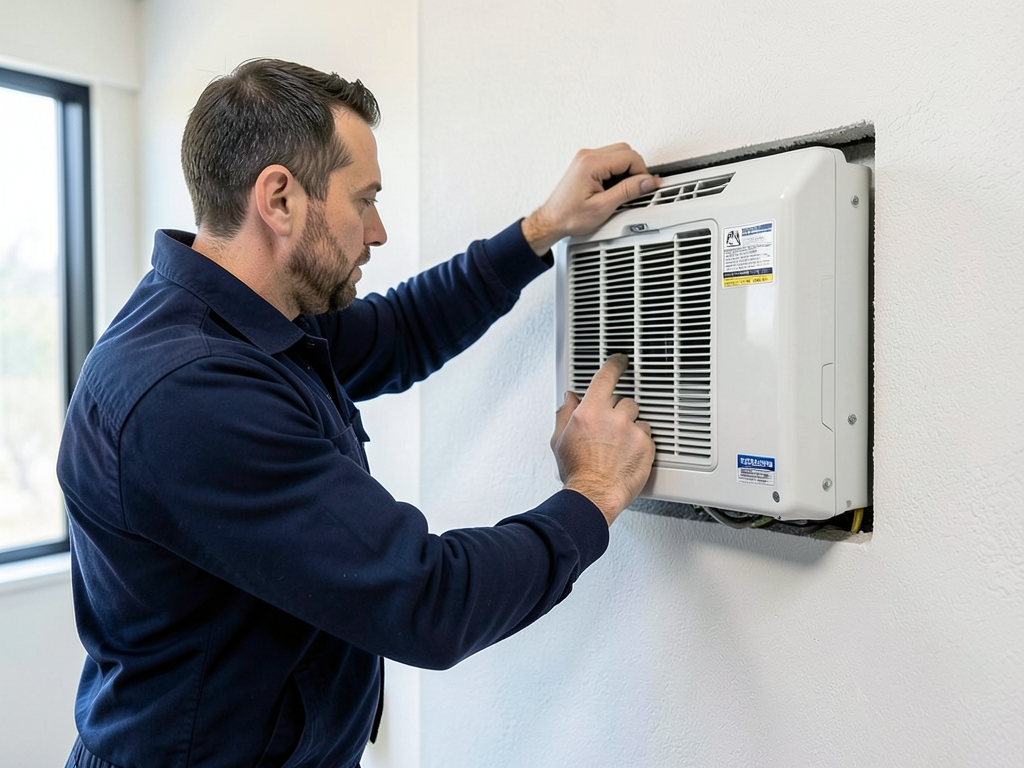
Upgrading your PTAC wall unit in a Gold Coast condo for better efficiency
Living in a Gold Coast condo means dealing with Cleveland’s unpredictable weather through a through-the-wall PTAC unit. These units keep you comfortable but often run inefficiently after years of service. Upgrading your PTAC unit can cut energy bills and improve comfort without the cost of central air. How Much Does a New Central Air System Cost in Northeast Ohio?.
A modern PTAC replacement offers higher energy efficiency ratings and better temperature control. You get quieter operation and improved air filtration that helps with Cleveland’s seasonal allergens. The right upgrade also means fewer repair calls and more reliable heating and cooling when you need it most. EPA refrigerant handling requirements.
Before you replace your unit, you need to know your wall sleeve size, electrical requirements, and cooling capacity needs. Not all PTAC units fit every space. Some condos have specific installation rules that affect your choices. Understanding these details helps you avoid costly mistakes and ensures your new unit works perfectly from day one.
Understanding PTAC units and their role in Gold Coast condos
PTAC stands for Packaged Terminal Air Conditioner. These units install through an exterior wall and handle both heating and cooling in one box. They work well in condos where space is tight and ductwork is impractical.
In Gold Coast buildings, PTAC units replaced older window units for better security and efficiency. They free up window space and provide more consistent temperature control than portable or window air conditioners.
Most Gold Coast condos use 42-inch or 36-inch wall sleeves. The sleeve is the metal frame that holds the PTAC unit in the wall. When upgrading, your new unit must match this sleeve size or you need a new sleeve installed.
PTAC units run on 220-240 volts and draw significant power. Older units might use more electricity than newer high-efficiency models. This power difference affects your utility bills and may require electrical upgrades.
Benefits of upgrading your PTAC unit
Newer PTAC units offer several advantages over older models. The most obvious benefit is lower energy costs. Modern units have higher EER (Energy Efficiency Ratio) ratings, meaning they cool or heat using less electricity.
Sound levels drop significantly with new units. Older PTAC units often rattle or hum loudly. New models use better compressors and fan designs to operate quietly. This makes a big difference in bedroom or living room installations.
Air quality improves with upgraded filtration systems. New PTAC units capture more dust, pollen, and other particles. This helps reduce allergy symptoms during Cleveland’s high-pollen seasons.
Smart controls come standard on many new units. You can control temperature remotely through your phone or set schedules for automatic operation. This prevents wasted energy when you are away from home.
Heat pump options provide efficient heating in winter. Traditional PTAC units use electric resistance heat, which costs more to operate. Heat pump models move heat instead of creating it, cutting heating costs by up to 50 percent.
Choosing the right PTAC unit for your condo
BTU rating determines how much cooling or heating your unit provides. Gold Coast condos typically need 7,000 to 12,000 BTUs depending on room size and sun exposure. An undersized unit runs constantly and never cools properly. An oversized unit cycles on and off too quickly, wasting energy.
Check your electrical capacity before selecting a unit. Most PTAC units need a dedicated 220-240 volt circuit. Older condos might have 110-volt outlets that cannot power modern units. You may need an electrician to upgrade your wiring.
Wall sleeve compatibility matters. If your sleeve is 42 inches wide, you need a 42-inch unit. Some manufacturers make universal sleeves that work with multiple brands. This gives you more options when selecting your new unit.
Brand reliability varies. Amana, Friedrich, and LG make popular PTAC units known for durability. Read reviews and check warranty terms before buying. A good warranty protects your investment if problems arise.
Noise ratings help you choose quieter models. Look for units with sound levels under 45 decibels for bedrooms. Lower decibel ratings mean quieter operation, especially important in multi-unit buildings.
Installation process and what to expect
Professional installation ensures your new PTAC unit works correctly. The process starts with removing the old unit and inspecting the wall sleeve. Rust, damage, or poor insulation in the sleeve affects your new unit’s performance.
Electrical connections require proper wiring and circuit protection. An electrician verifies that your outlet matches the new unit’s requirements. Incorrect wiring creates safety hazards and may void your warranty.
Sealing and insulation prevent air leaks. Gaps around the unit let outside air enter your condo. This forces your PTAC to work harder and increases energy costs. Proper sealing keeps conditioned air inside where it belongs.
Testing confirms everything works correctly. The technician checks cooling capacity, heating function, and thermostat accuracy. They also verify that condensate drains properly and that the unit operates quietly.
Disposal of your old unit follows environmental regulations. PTAC units contain refrigerants that require special handling. Professional installers handle this process to comply with EPA requirements.
Cost factors for PTAC replacement
Unit price ranges from $600 to $1,500 depending on brand, features, and BTU rating. Basic models cost less but may lack energy-saving features. Premium units offer better efficiency and smart controls.
Installation costs vary based on complexity. Simple replacements where the sleeve and wiring are good might cost $300 to $500. Complex jobs requiring new sleeves, electrical upgrades, or wall repairs cost more. Fast and Local AC Repair Services in Solon and Surrounding Areas.
Electrical work adds to your total cost. Upgrading from 110 to 220 volts or adding a new circuit might cost $200 to $500. This investment pays off through lower energy bills.
Building permit requirements affect your timeline and cost. Some Gold Coast condos require permits for PTAC replacement. Check with your building management before starting work.
Energy savings offset your investment over time. A high-efficiency unit might save $100 to $300 per year on utility bills. Calculate your payback period to justify the upgrade cost.
Common problems with old PTAC units
Refrigerant leaks reduce cooling capacity in older units. Low refrigerant means your unit cannot cool effectively, running longer and using more electricity. Finding and fixing leaks requires professional service.
Compressor failure stops your unit from cooling or heating. Compressors wear out after years of use. Replacement costs often exceed the value of older units, making replacement the better choice.
Fan motor issues cause poor air circulation. Weak airflow means rooms feel stuffy even when the unit runs. Motor replacement might fix this, but older units often have multiple problems.
Control board failures create erratic operation. Your unit might turn on and off randomly or fail to respond to thermostat settings. Control boards are expensive to replace in older models.
Coil corrosion reduces efficiency. Salt air from Lake Erie and moisture cause metal coils to corrode over time. Corroded coils cannot transfer heat effectively, increasing energy use.
Maintenance tips for your new PTAC unit
Regular filter cleaning keeps your unit efficient. Dirty filters restrict airflow and force the system to work harder. Clean or replace filters every one to three months depending on use and air quality.
Coil cleaning prevents efficiency loss. Dust and debris build up on coils over time. Annual professional cleaning maintains peak performance and extends unit life.
Check condensate drainage to prevent water damage. Clogged drains cause water to back up into your condo. Clear drain lines annually to prevent this problem.
Inspect weather seals annually. Cracked or missing seals let outside air enter. Replace damaged seals to maintain efficiency and comfort.
Test heating function before cold weather arrives. Electric heat elements can fail without warning. Early testing gives you time to arrange repairs before you need heat.
Energy efficiency and environmental impact
High-efficiency PTAC units use less electricity, reducing your carbon footprint. Modern units with EER ratings above 10.8 use significantly less power than older models with ratings around 8 or 9.
Heat pump technology cuts heating energy use dramatically. Instead of creating heat with electric resistance, heat pumps move existing heat from outside air. This process uses one-third the electricity of traditional electric heat.
Smart controls prevent energy waste. Programmable thermostats and remote access let you adjust settings when you are away. This prevents cooling or heating empty condos.
Proper sizing ensures optimal efficiency. An oversized unit cycles on and off frequently, using more power than necessary. A properly sized unit runs longer cycles at lower power, saving energy.
Insulation improvements boost overall efficiency. Adding insulation around your wall sleeve and sealing air leaks reduces the workload on your PTAC unit.
Comparing PTAC to other cooling options
| Feature | PTAC | Central Air | Window Unit |
|---|---|---|---|
| Installation | Through wall | Ductwork needed | Window mount |
| Cost | $800-$2,000 | $5,000-$10,000+ | $200-$600 |
| Efficiency | Good | Excellent | Poor |
| Noise | Moderate | Quiet | Loud |
| Zone Control | Per room | Whole building | Per window |
PTAC units offer a middle ground between expensive central air and inefficient window units. They provide better efficiency than window units while costing much less than central air installation.
Central air requires ductwork that many Gold Coast condos lack. Installing ducts in finished buildings costs thousands of dollars. PTAC units avoid this expense while still providing effective cooling.
Window units block natural light and create security risks. PTAC units install flush with the wall, maintaining your condo’s appearance and security.
Smart features and modern technology
Wi-Fi enabled PTAC units connect to your home network. You control temperature, fan speed, and modes through smartphone apps. This convenience lets you adjust settings from anywhere.
Voice control integration works with Amazon Alexa and Google Assistant. You can change temperature settings using voice commands. This hands-free control adds convenience when your hands are full.
Energy monitoring tracks power usage in real time. You see exactly how much electricity your unit consumes. This data helps you identify ways to save energy and money.
Adaptive learning thermostats study your patterns. They automatically adjust temperatures based on your schedule and preferences. This smart feature reduces energy waste without sacrificing comfort.
Diagnostic systems alert you to problems early. Your unit might notify you about dirty filters, low refrigerant, or other issues. Early detection prevents minor problems from becoming major repairs.
Financing your PTAC upgrade
Many HVAC companies offer financing plans for equipment purchases. These plans let you spread the cost over months or years. This makes upgrades more affordable by avoiding large upfront payments.
Utility rebates reward energy-efficient upgrades. FirstEnergy and other utilities offer rebates for high-efficiency PTAC units. These rebates can reduce your net cost by hundreds of dollars.
Federal tax credits may apply to energy-efficient upgrades. The Residential Energy Efficient Property Credit provides tax benefits for qualifying equipment. Check current year availability and requirements.
Building associations sometimes offer financing assistance. Some Gold Coast condos have programs to help owners upgrade inefficient equipment. Ask your building management about available options.
Energy savings provide long-term financial benefits. Calculate your expected utility bill reduction to understand the true cost of your upgrade. Many units pay for themselves through energy savings within three to five years.
Choosing the right contractor for installation
Experience with PTAC units matters. Not all HVAC contractors work with these specialized units regularly. Look for companies that install multiple PTAC units each year.
Proper licensing ensures quality work. Ohio requires HVAC contractors to hold specific licenses. Verify that your contractor has the proper credentials for your area.
Insurance protects you from liability. Your contractor should carry both liability and workers’ compensation insurance. This coverage protects you if accidents occur during installation.
Warranty coverage varies by contractor. Some offer labor warranties that extend beyond the manufacturer’s warranty. This extra protection gives you peace of mind about your investment.
References provide real-world feedback. Ask for references from other Gold Coast condo owners. Talk to past customers about their experiences with the contractor.
Frequently Asked Questions
How long do PTAC units typically last?
Most PTAC units last 10 to 15 years with proper maintenance. Units in coastal areas or near Lake Erie might have shorter lifespans due to salt air corrosion. Regular cleaning and timely repairs extend unit life. Commercial HVAC Maintenance for Businesses in Downtown Cleveland.
Can I install a PTAC unit myself?
DIY installation is not recommended for PTAC units. These units require electrical work, proper sealing, and refrigerant handling that needs professional expertise. Improper installation creates safety hazards and may void your warranty.
What size PTAC unit do I need?
Unit size depends on your room’s square footage, ceiling height, and sun exposure. A 100 to 150 square foot room typically needs 5,000 to 6,000 BTUs. Larger rooms or sun-facing spaces need more capacity. Professional load calculations ensure proper sizing.
Are PTAC units energy efficient?
Modern PTAC units offer good efficiency compared to older models and window units. Units with EER ratings above 10.8 provide excellent efficiency. Heat pump models offer even better efficiency for heating, using up to 50 percent less electricity than traditional electric heat.
How much does PTAC replacement cost?
Complete replacement costs range from $1,200 to $3,500 depending on unit price, installation complexity, and any needed electrical upgrades. Basic replacements in good condition cost less. Complex installations with new sleeves or wiring cost more.
Ready to upgrade your PTAC unit?
Upgrading your PTAC unit in your Gold Coast condo offers immediate benefits in comfort, efficiency, and reliability. Modern units provide better temperature control, quieter operation, and lower energy bills. The investment pays off through improved comfort and reduced utility costs.
Professional installation ensures your new unit works correctly from day one. Experienced technicians handle everything from proper sizing to final testing. They also manage the disposal of your old unit following environmental regulations.
Don’t wait for your old unit to fail during a Cleveland heat wave or cold snap. Contact us today to schedule your PTAC upgrade consultation. We will evaluate your current setup, recommend the right replacement, and provide clear pricing with no surprises.
Call (216) 530-9077 today to schedule your PTAC upgrade consultation. Our experienced team serves Gold Coast condos and surrounding Cleveland areas. We will help you choose the perfect unit for your space and handle installation from start to finish. Your comfort is our priority.
Pick up the phone and call (216) 530-9077 before the next extreme weather hits. Your new efficient PTAC unit is just a phone call away. For more information, visit U.S. Department of Energy heat pump information.
{
“@context”: “https://schema.org”,
“@type”: “BlogPosting”,
“headline”: “Upgrading your PTAC wall unit in a Gold Coast condo for better efficiency”,
“description”: “Learn how to upgrade your PTAC unit in a Gold Coast condo for better efficiency. Get expert advice on energy savings, installation, and top models for Cleveland’s climate.”,
“wordCount”: 2410,
“datePublished”: “2026-04-14T08:42:00.000Z”,
“dateModified”: “2026-04-14T08:42:00.000Z”,
“inLanguage”: “en-US”,
“mainEntityOfPage”: {
“@type”: “WebPage”,
“@id”: “https://acehvaccleveland.com”
},
“publisher”: {
“@type”: “LocalBusiness”,
“name”: “Ace HVAC Cleveland”,
“url”: “https://acehvaccleveland.com”
},
“author”: {
“@type”: “Organization”,
“name”: “Ace HVAC Cleveland”,
“url”: “https://acehvaccleveland.com”
},
“image”: {
“@type”: “ImageObject”,
“url”: “https://acehvaccleveland.com/wp-content/uploads/2026/03/upgrading-your-ptac-wall-unit-in-a-gold-coast-cond-1.png”
}
}
{
“@context”: “https://schema.org”,
“@type”: “HVACBusiness”,
“name”: “Ace HVAC Cleveland”,
“url”: “https://acehvaccleveland.com”,
“address”: {
“@type”: “PostalAddress”,
“addressLocality”: “Cleveland”
},
“areaServed”: {
“@type”: “City”,
“name”: “Cleveland”
}
}
{
“@context”: “https://schema.org”,
“@type”: “FAQPage”,
“mainEntity”: [
{
“@type”: “Question”,
“name”: “How long do PTAC units typically last?”,
“acceptedAnswer”: {
“@type”: “Answer”,
“text”: “Most PTAC units last 10 to 15 years with proper maintenance. Units in coastal areas or near Lake Erie might have shorter lifespans due to salt air corrosion. Regular cleaning and timely repairs extend unit life. Commercial HVAC Maintenance for Businesses in Downtown Cleveland.”
}
},
{
“@type”: “Question”,
“name”: “Can I install a PTAC unit myself?”,
“acceptedAnswer”: {
“@type”: “Answer”,
“text”: “DIY installation is not recommended for PTAC units. These units require electrical work, proper sealing, and refrigerant handling that needs professional expertise. Improper installation creates safety hazards and may void your warranty.”
}
},
{
“@type”: “Question”,
“name”: “What size PTAC unit do I need?”,
“acceptedAnswer”: {
“@type”: “Answer”,
“text”: “Unit size depends on your room’s square footage, ceiling height, and sun exposure. A 100 to 150 square foot room typically needs 5,000 to 6,000 BTUs. Larger rooms or sun-facing spaces need more capacity. Professional load calculations ensure proper sizing.”
}
},
{
“@type”: “Question”,
“name”: “Are PTAC units energy efficient?”,
“acceptedAnswer”: {
“@type”: “Answer”,
“text”: “Modern PTAC units offer good efficiency compared to older models and window units. Units with EER ratings above 10.8 provide excellent efficiency. Heat pump models offer even better efficiency for heating, using up to 50 percent less electricity than traditional electric heat.”
}
},
{
“@type”: “Question”,
“name”: “How much does PTAC replacement cost?”,
“acceptedAnswer”: {
“@type”: “Answer”,
“text”: “Complete replacement costs range from $1,200 to $3,500 depending on unit price, installation complexity, and any needed electrical upgrades. Basic replacements in good condition cost less. Complex installations with new sleeves or wiring cost more.”
}
},
{
“@type”: “Question”,
“name”: “Ready to upgrade your PTAC unit?”,
“acceptedAnswer”: {
“@type”: “Answer”,
“text”: “Upgrading your PTAC unit in your Gold Coast condo offers immediate benefits in comfort, efficiency, and reliability. Modern units provide better temperature control, quieter operation, and lower energy bills. The investment pays off through improved comfort and reduced utility costs.”
}
}
]
}
{
“@context”: “https://schema.org”,
“@type”: “BreadcrumbList”,
“itemListElement”: [
{
“@type”: “ListItem”,
“position”: 1,
“name”: “Home”,
“item”: “https://acehvaccleveland.com”
},
{
“@type”: “ListItem”,
“position”: 2,
“name”: “Blog”,
“item”: “https://acehvaccleveland.com/blog”
},
{
“@type”: “ListItem”,
“position”: 3,
“name”: “Upgrading your PTAC wall unit in a Gold Coast condo for better efficiency”
}
]
}
{
“@context”: “https://schema.org”,
“@type”: “Service”,
“serviceType”: “HVAC”,
“provider”: {
“@type”: “LocalBusiness”,
“name”: “Ace HVAC Cleveland”,
“url”: “https://acehvaccleveland.com”
},
“areaServed”: {
“@type”: “City”,
“name”: “Cleveland”
},
“description”: “Learn how to upgrade your PTAC unit in a Gold Coast condo for better efficiency. Get expert advice on energy savings, installation, and top models for Cleveland’s climate.”
}